

Introduction: A Solar Farm, a Data Center, and a Chip Fab
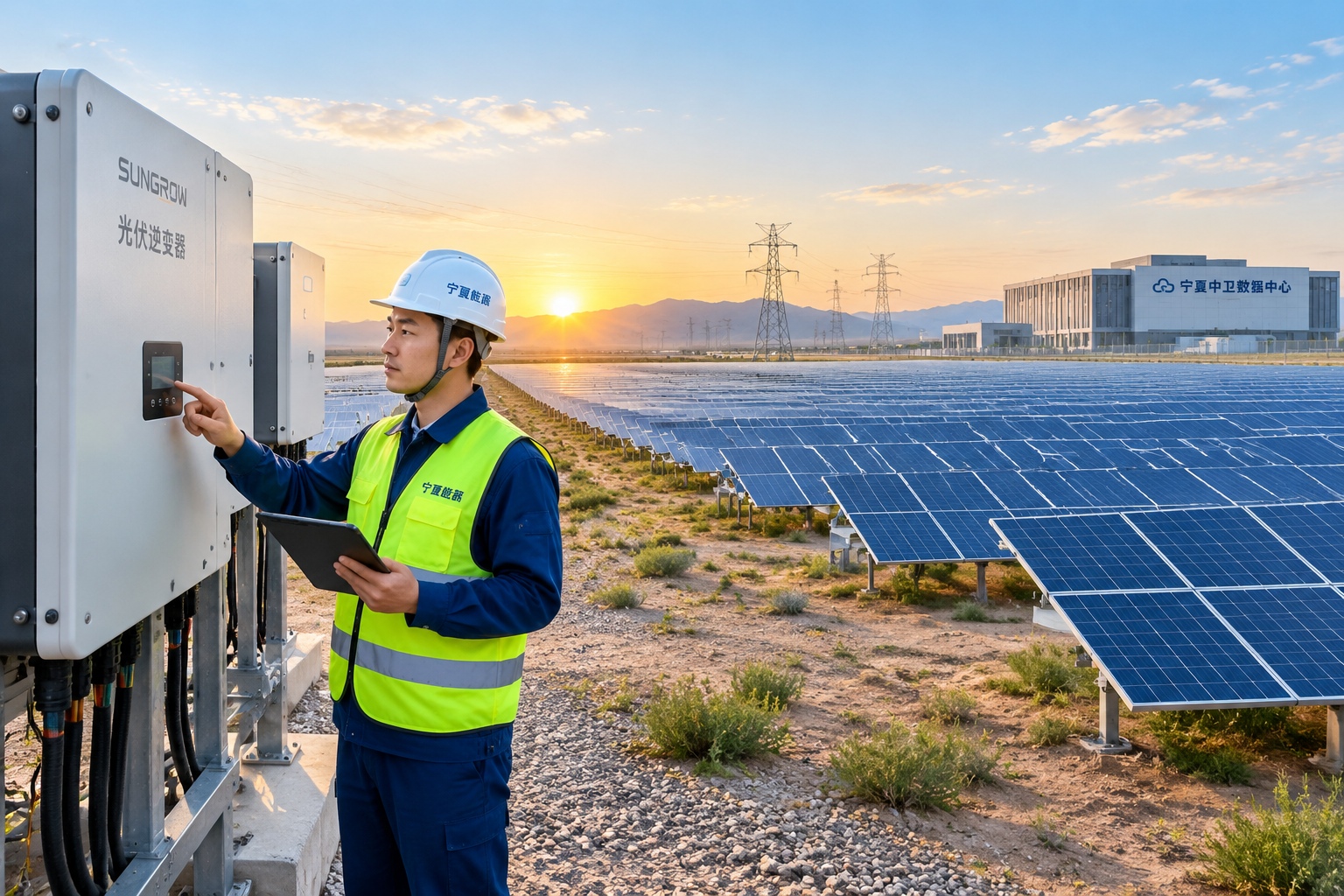
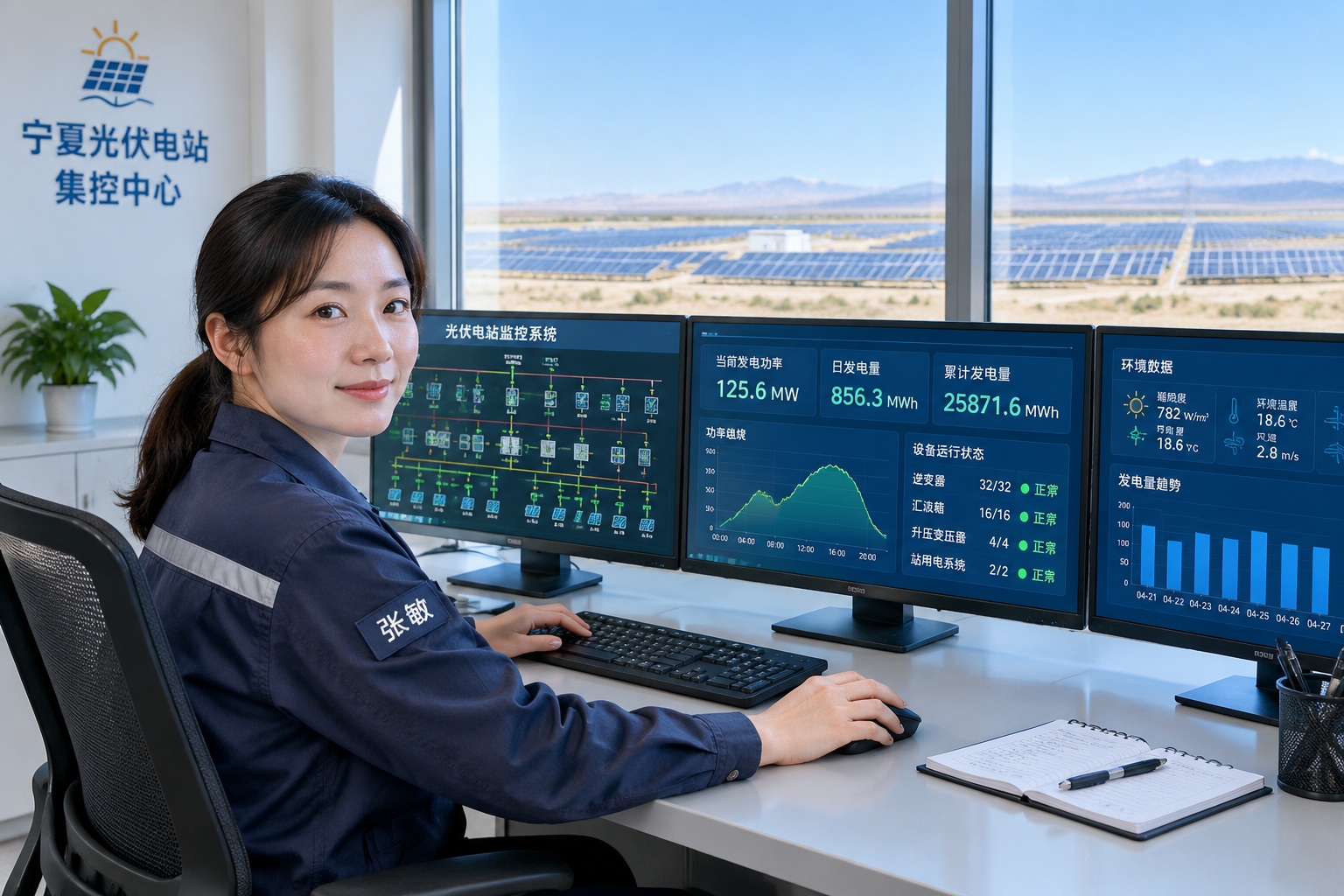
In a control room in Ningxia, a technician named Zhang Min watches a screen that shows electricity flowing from a vast solar farm to a data center 1,200 kilometers away in Guizhou. That data center trains AI models. The same electricity also powers a chip fabrication plant in Shanghai. This is not a coincidence. It is a system.
For outside observers, China’s tech ambitions—AI, robots, chips—often look like a separate story from its massive infrastructure projects. But they are deeply connected. The power grids, 5G networks, and solar farms are not just symbols of construction prowess. They are the physical foundation that makes the tech revolution possible.
The Power Grid That Feeds AI
China added 216 gigawatts of solar capacity in 2023, more than the entire installed capacity of many countries. By the end of 2023, its total solar capacity exceeded 600 gigawatts. This matters for tech because AI and data centers are hungry for electricity. Training a single large language model can consume as much power as a small town.
To move that power, China has built over 30,000 kilometers of ultra-high-voltage (UHV) transmission lines. These lines carry electricity from sunny and windy regions in the west to coastal data centers and factories. The result is some of the cheapest industrial electricity in the world, which lowers the cost of running AI servers and chip fabs.
Consider Guizhou province. Once one of China’s poorest regions, it now hosts some of the world’s largest data centers, drawn by cool weather and cheap hydropower. Tencent, Apple, and Huawei all run facilities there. The infrastructure—power lines, fiber optics, cooling systems—came first. The AI and cloud services followed.
5G: The Nervous System for Machines
By the end of 2023, China had built 3.38 million 5G base stations, accounting for more than 60% of the global total. For a smartphone user, this means faster downloads. For a factory, it means something else: real-time control of robots and machines.
In a smart port in Qingdao, 5G-connected cranes and autonomous guided vehicles move containers without human operators. The low latency of 5G—often under 10 milliseconds—allows precise coordination. In Shenzhen, factories use 5G to link hundreds of robots on a single network, reducing wiring and enabling flexible production lines.
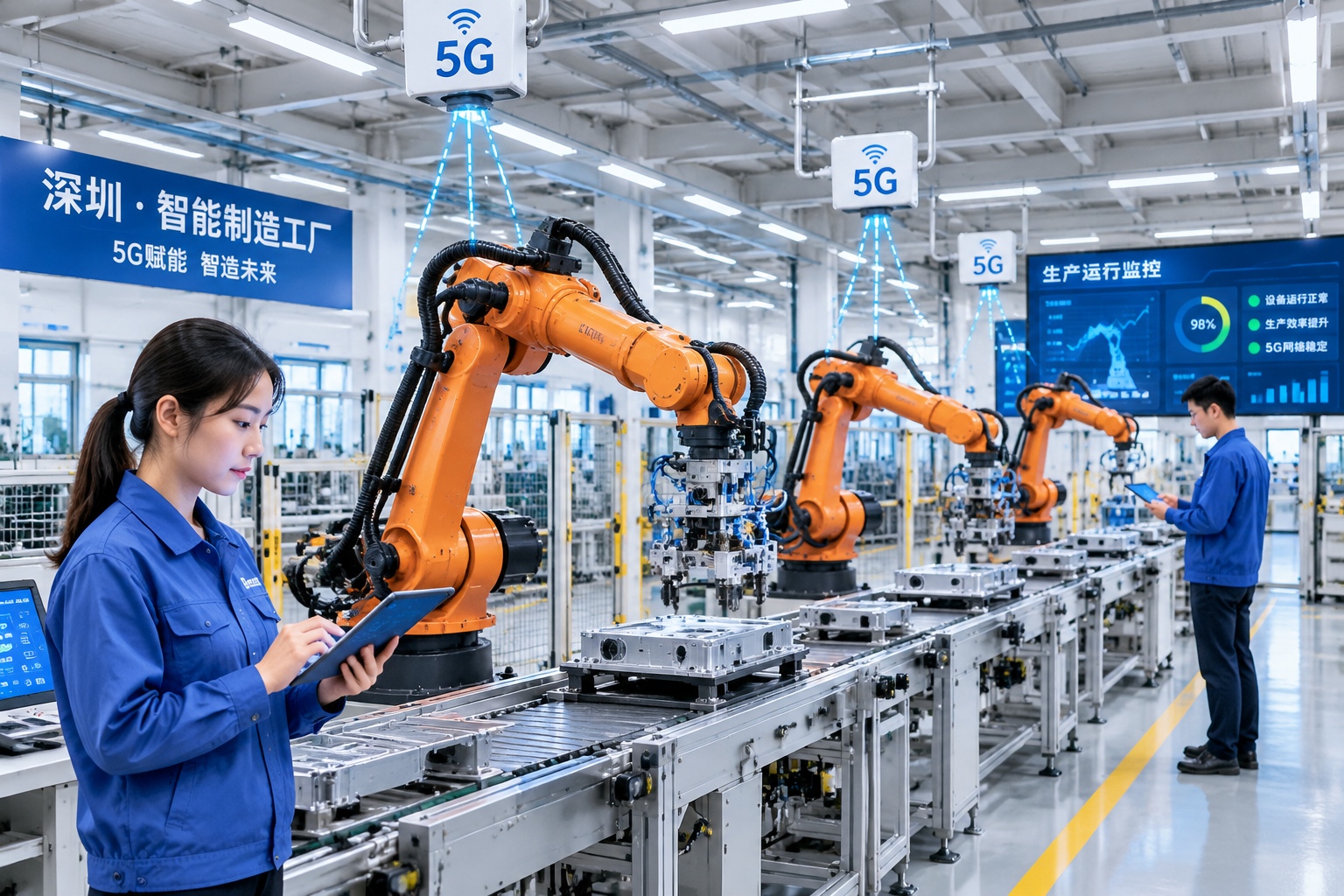
This is not just about speed. 5G networks are designed to handle many devices simultaneously, which is essential for the Internet of Things (IoT). In Chinese cities, 5G also supports smart traffic lights, utility meters, and public safety systems. The infrastructure creates a platform for services that were not possible before.
The Demand Pull for Chips and Robots
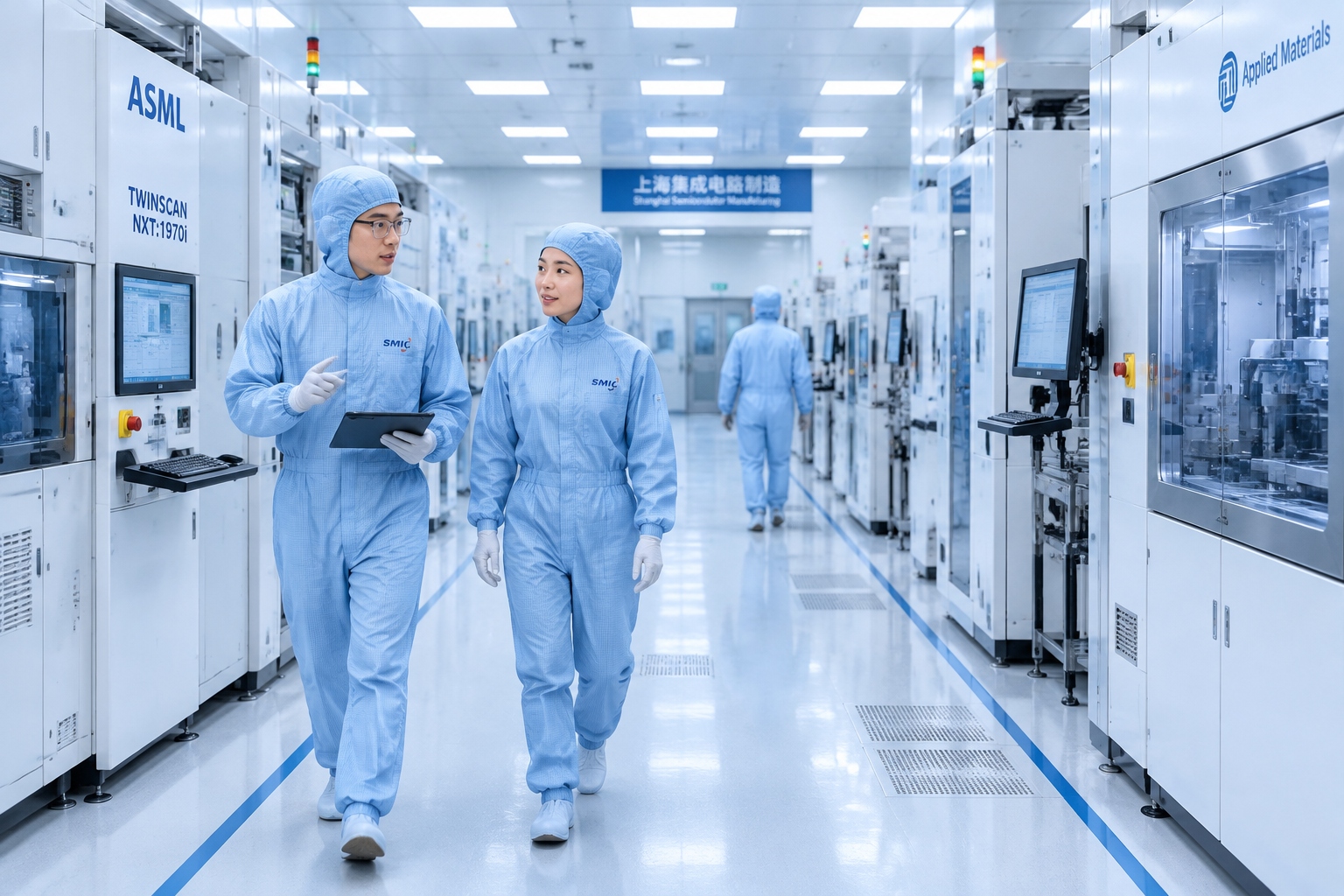
All this infrastructure creates demand for semiconductors and robots. Solar inverters need power chips. 5G base stations need radio-frequency chips. Data centers need AI accelerators. Robots need controllers and sensors. China’s massive deployment of these systems has given its domestic chip and robotics industries a huge home market.
In 2022, China installed 290,000 industrial robots, more than half of the global total, according to the International Federation of Robotics. Companies like Midea and BYD use robots not just to cut costs but to improve quality and flexibility. Meanwhile, domestic chip makers like SMIC and Hua Hong have expanded production, though they still lag in the most advanced nodes.
The demand pull works both ways. When a solar farm orders inverters, chip makers get orders. When a factory buys robots, it needs more chips. This scale allows Chinese firms to move down the learning curve faster. It is a classic industrial policy feedback loop.
The Feedback Loop and Its Limits
So the story is not simply “infrastructure leads to tech.” It is a loop: infrastructure creates demand, demand creates scale, scale reduces costs, and lower costs enable more infrastructure. This loop has made China a leader in solar panels, batteries, 5G equipment, and drones.
But the loop has limits. Advanced chip manufacturing remains a bottleneck, especially after export controls from the US and its allies. AI training still relies on Nvidia GPUs in many cases. The energy intensity of AI is a growing concern, even with cheap solar. And regional disparities persist: coastal cities attract most tech investment, while western regions mainly supply power and land.
Moreover, infrastructure is not always efficient. Some data centers have low utilization rates. Some 5G applications have not yet found mass markets. The Chinese government itself has warned about “involution”—excessive competition that wastes resources.
What This Means for the Rest of the World
For other countries, China’s experience offers a clear lesson: you cannot separate the digital revolution from the physical world. AI, robots, and chips need power, connectivity, and factories. Building a smart economy requires building the roads, grids, and networks that support it.
That does not mean copying China’s state-led model. But it does mean paying attention to the unglamorous foundations. The next time you see a solar panel or a 5G tower, remember: it is not just infrastructure. It is the soil in which the tech revolution grows.
Start the discussion at forum.chinacomes.com