

Dawn in the Park: A Symphony of Movement
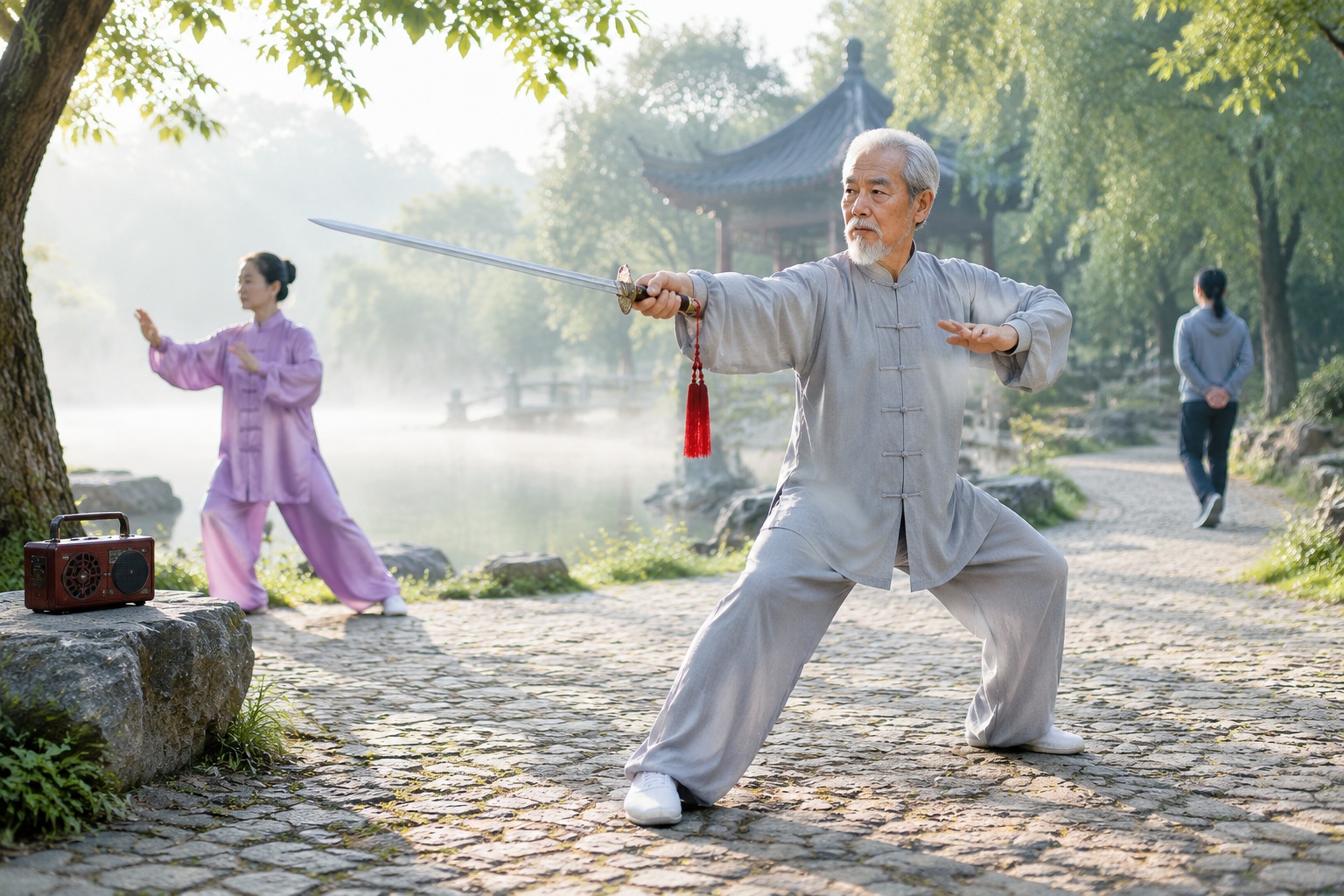
The first light filters through the magnolia trees, still misty. At 6:00 AM, Beijing’s Ritan Park is already alive: the slap-slap of hands against tree trunks, the metallic whisper of a tai chi sword cutting air, and a faint melody from a portable speaker playing traditional Chinese music. In one corner, a man in his 70s walks backward along the cobblestone path, his arms swinging in a deliberate rhythm. Nearby, a woman in a purple silk jacket slowly raises her arms, fingers trembling like leaves in a breeze, before launching into a flawless sword form.
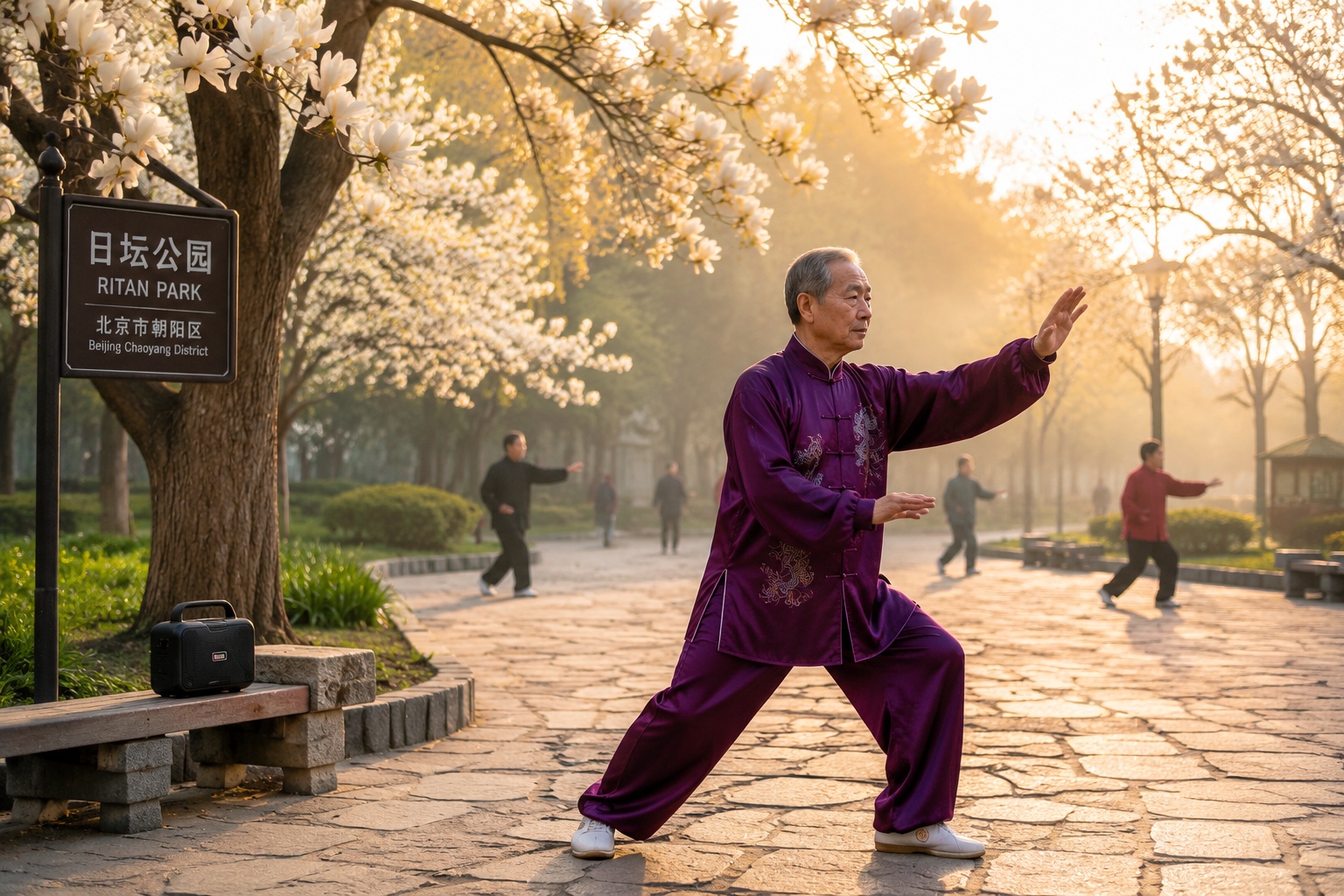
This is not a tourist performance. It’s a daily ritual for millions of Chinese retirees who turn public parks into open-air gyms before the city fully wakes up.
The Art of Backward Walking
“It’s good for my lower back,” says Mr. Chen, 72, pausing his backward stroll. “My doctor told me walking forward uses the same muscles all the time. Going backward forces me to balance differently and strengthens parts I forget about.” He’s been doing this for five years, every morning, rain or shine. Several others pass him, walking backward with a steady, almost meditative pace. Some use walking poles, others simply let their arms trail behind. It looks odd to a Western eye, but in China, it’s a common sight—a living example of the traditional belief that reversing routine movements can rebalance the body’s energy, or qi.
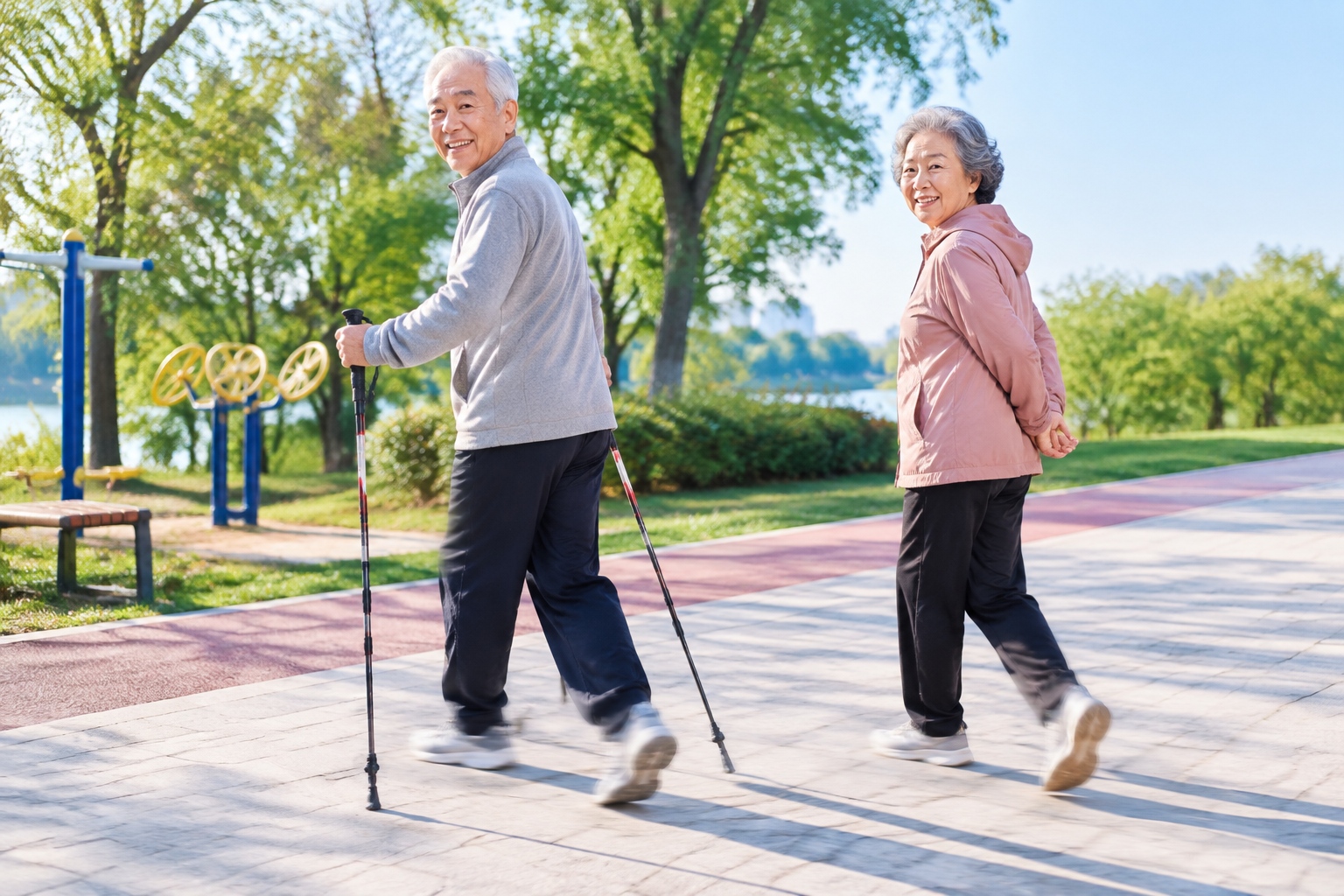
“In Western gyms, you do the same exercises forward and backward on machines,” explains Dr. Li, a retired sports medicine professor who joins the group. “Here, we just use our own body weight and gravity. It’s functional. And it’s free.”
Tai Chi and Swordplay: Slow Movements, Deep Impact
A few meters away, a small crowd watches a man in a grey tunic execute a sequence of wudang sword forms. His blade traces slow arcs, then suddenly accelerates into a swift spin. The metallic ring hangs in the air. “I started learning tai chi 20 years ago when I retired,” says Master Wang, 68. “At first it was just for health—my blood pressure was high. But then the movements became a kind of meditation. The sword adds focus: one slip and you could cut yourself, so you stay completely in the moment.”
Research backs up the benefits. A 2023 study in the Journal of Aging and Physical Activity found that regular tai chi practice reduces fall risk by 43% in older adults. For a country with over 200 million people aged 60 and above, those statistics matter.
Social Circles Under the Trees
But exercise is only half the story. The park at 6 AM is also a social club. After their routines, participants gather under a pavilion to share thermoses of tea, gossip, and sometimes even dance the waltz. Ms. Zhang, 65, retired last year and felt isolated. “I was depressed sitting at home,” she says. “Then a neighbor brought me here. Now I have a whole new circle of friends. We practice fan dancing together on weekends.”
This blend of physical activity and social bonding is a powerful antidote to loneliness, which affects many elderly worldwide. A 2022 report by the World Health Organization highlighted that social participation can delay cognitive decline—and China’s park communities offer it for free, every morning.
East Meets West: Fusion on the Grass
Not everyone limits themselves to traditional exercises. On the same lawn, a group of women in matching T-shirts follow a Zumba instructor via a smartphone propped on a bench. “I like tai chi, but I also love Latin music,” says one woman, laughing. “Why choose? We do both.” Nearby, a man in his 60s does pull-ups on a horizontal bar, his body rigid as a plank. Western-style bodyweight training coexists with qi gong breathing exercises. The park is a microcosm of China’s hybrid culture—ancient wisdom and global trends, side by side.
Why This Matters
To an outsider, these early morning scenes might seem like quaint local color. But they reveal something deeper: how China’s aging population is redefining retirement. Instead of slowing down, millions of seniors are using public spaces to stay active, connected, and independent. The Chinese government has actively promoted such park-based fitness since the 1990s, installing outdoor gym equipment in nearly every urban park. Today, an estimated 300 million Chinese people exercise regularly in parks, according to the General Administration of Sport.
The result is a visible, daily celebration of vitality. At 6 AM, the park is not a place of quiet emptiness—it’s a stage for life, movement, and community. And for anyone willing to look, it’s a lesson in how to age with grace.
Start the discussion at forum.chinacomes.com