
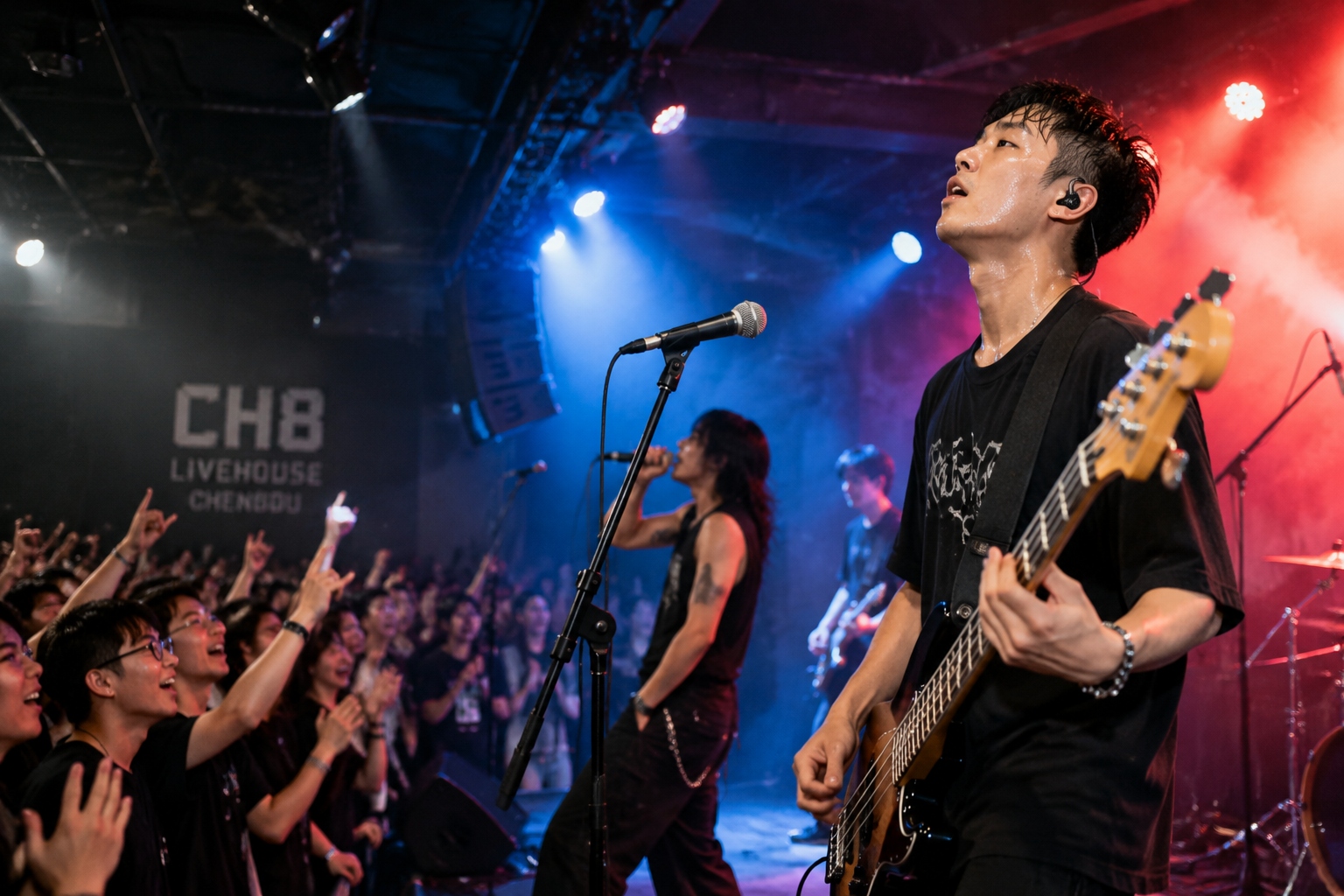

A Night in Chengdu: The State of Southwest Indie
Friday night, 10:30 p.m. Under the low ceiling of a livehouse in Chengdu’s Yulin neighborhood, the air is thick with humidity and sweat. The band onstage, Sound Toy, has just launched into a 10-minute instrumental that begins with a single, shimmering guitar note. For a full minute, it’s almost all that’s audible, sustained by a quiet hum of amplifiers. Then the drums slip in, almost apologetic, and the room begins to breathe.
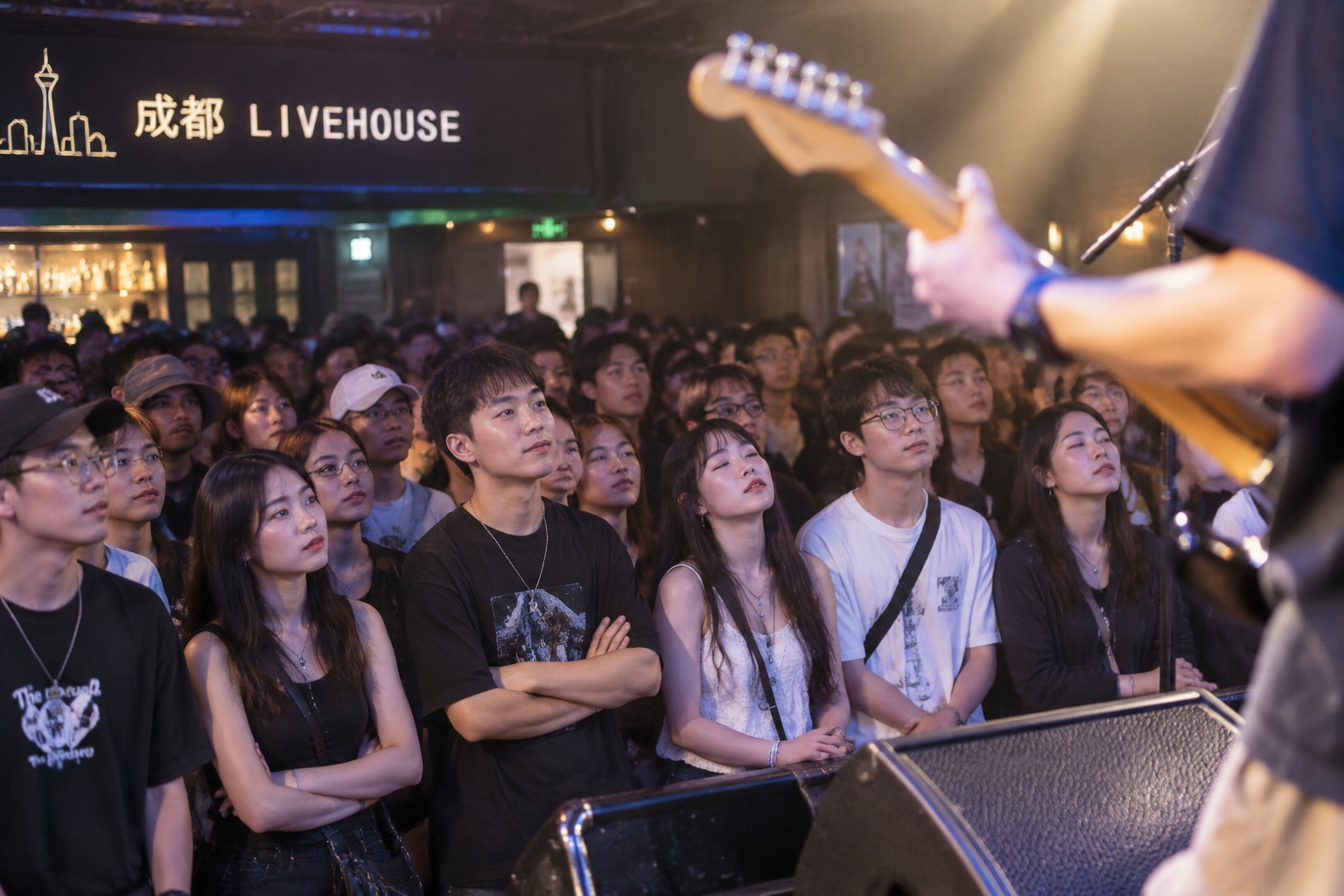
The crowd—mostly in their twenties, some wearing vintage band tees from American and British groups, others in plain t-shirts—stands with a kind of attentive stillness. Nobody phones are out yet. A girl near the front closes her eyes; a guy in a sweatshirt sips his beer. When the distorted wall of sound finally hits, the room tilts forward.
This is the sound of Southwest China’s independent music scene: patient, layered, and fiercely tied to place. It’s not as loud or guileless as Beijing punk, nor as sleek as Shanghai’s electronic pop. To hear it is to understand the region’s personality: a bit soggy, a bit spicy, never in a hurry.
Over the past two decades, Chengdu and Kunming have become quiet powerhouses of Chinese indie rock. You can spend a month there and still miss the best shows. So here’s a starting point—five bands that defined the southwest sound, from veterans to newcomers.
Band 1: Sound Toy — Chengdu’s Art Rock Poets
Sound Toy (声音玩具) has been around since 1999, which in Chinese history is nearly a geological era. The band grew out of jam sessions in Sichuan University dorm rooms, led by singer-guitarist Ou Jiayuan. From the start, they had no interest in four-chord pop. Their early tracks, like “The Beauty of Love” and “On the Tree,” are dense, cinematic pieces—seven minutes, sometimes fifteen—that move through quiet introspection and roaring climaxes.
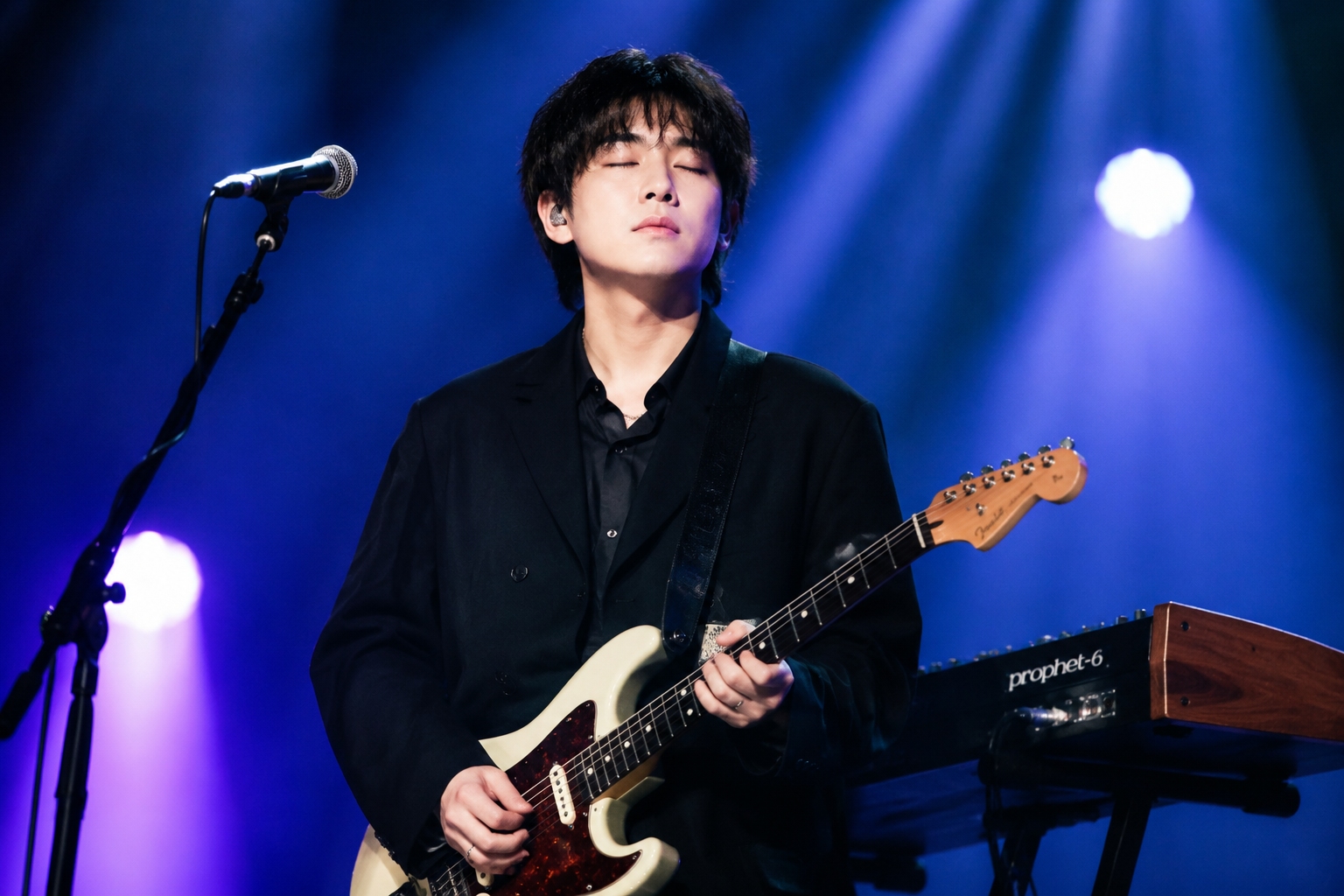
Ou writes in an almost literary mode. His lyrics are full of childhood memory, rain, old photographs, and the tension between dreaming and doing. In “On the Tree,” he sings about being trapped in a daily grind, using the tree as a metaphor for watching life go by. It’s no wonder the band has a devoted following among students and artists.
Perhaps intentionally, Sound Toy has kept a low profile. They rarely play outside Sichuan, and they don’t post much online—or did until recently. Their 2003 demo was never officially released, only passed around like a secret. That scarcity has only increased their mystique. When they do perform, as at Little Bar in Chengdu, the room feels sacred.
Bands 2 & 3: Mosaic and Stolen Secret — Two Faces of Chengdu
Where Sound Toy invite stillness, Mosaic demands motion. The four-piece group, formed in 2008, taps into a love of funk, disco, and rock from the 1980s, filtered through Chengdu’s hedonistic streak. Their songs are built for dance floors: a bouncing bassline, pulsing synth, and singer Xia Yubo’s near-spoken verses in a playful Mandarin—with a little Sichuan flavor. Onstage they dress like they’ve stolen from the party closet: patterned shirts, wide trousers, and oversized sunglasses.
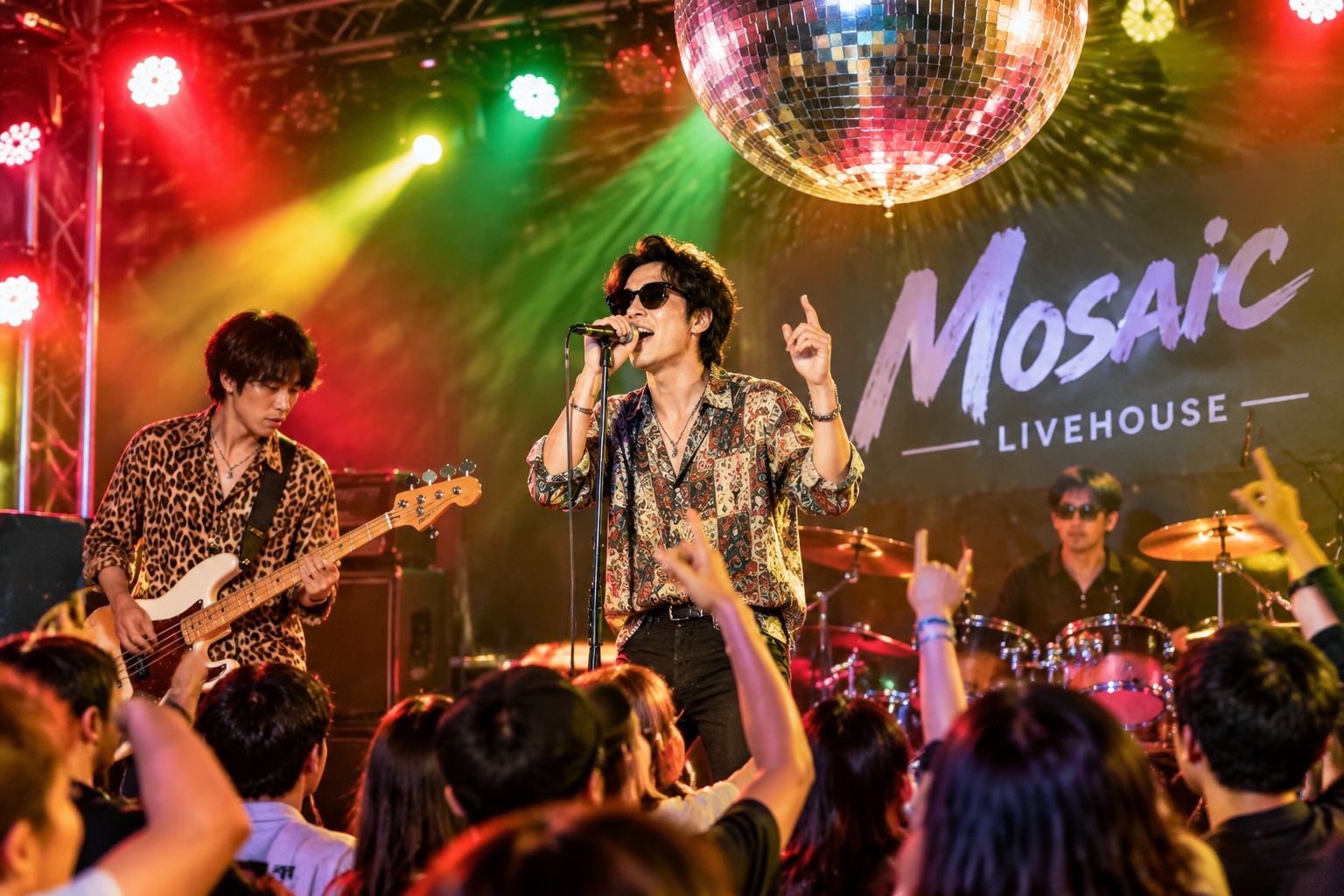
Mosaic’s hits, such as “Like a Girl” and “Chase the Moon,” are festival staples. But their charm isn’t in the novelty. It’s in the way they turn provincial scruff into glam. “Chengdu is a city of leisure,” said a longtime fan at a show last month. “Mosaic sound like a weekend that never ends.”
On the opposite end, Stolen Secret (秘密行动) are all about nightfall. The five-member electronic band creates a brooding blend of post-punk and synthwave, full of low-end throb and whispery vocals. Their performances are multimedia events: projections on smoke, sculptural light, and the occasional inclusion of a theremin. Their 2019 album, “The End of a Dying Moment,” was recorded in a mountain village near Chengdu, giving its songs a claustrophobic, windswept quality.
Both bands reflect two sides of the same city. Chengdu prides itself on tea culture and slow living, but after dark, it turns into a playground. Mosaic plays the sunshine; Stolen Secret plays the after-party. Together, they capture the place’s emotional range.
Bands 4 & 5: From DIY Spaces to Wider Stages
Independent music in the southwest often begins far from any “stage.” Mr. Turtle (海龟先生) started in the early 2000s in the back of a CD store in Nanning, Guangxi—a sweltering city where the band would record demos on a dusty four-track. Their music was sun-bleached and gentle, mixing reggae rhythms with soul-singer harmonies. It had a warm, seaside feel that stood out in a scene dominated by angry rock.
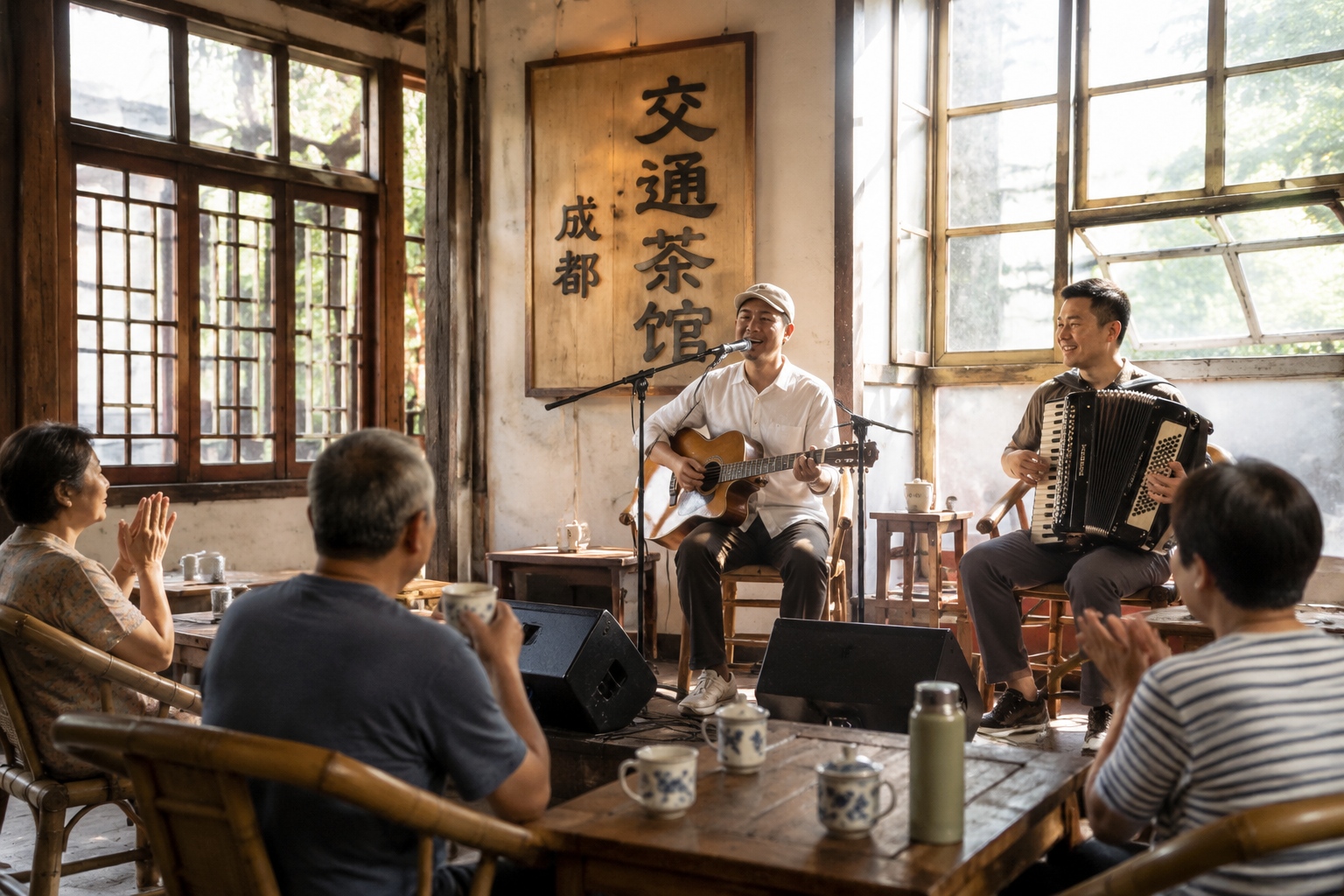
After moving to Chengdu, Mr. Turtle became one of the region’s best-known acts. Their 2014 single, “Mama,” is a kind of tear-in-the-beer ballad, with lyrics about losing direction. On stage, frontman Lily (Li Hongtao) has a gentle, sotto swagger, and the band often covers old ska tunes as if they grew up on them.
Yishi (衣湿) takes a rougher road. The band was formed in a veterinary college in Zhuhai, far from southwest, but its soul is in Yibin, a river city in southern Sichuan where the lead singer, You Miao, grew up. They sing in the local dialect, a piercing, nasal register that turns even the most innocent phrase into a work joke. Their music is a mash-up of folk tunes, ska, and punk, with lyrics about teahouses, market streets, and the absurdities of small-town life.
Yishi’s early gigs were in places like “laochaguan” (old teahouses) and student clubs. They handed out home-burnt CDs. It’s a classic DIY origin story, and it’s precisely the kind of scene this region still breeds: full of risk, charm, and the refusal to polish away the rough edges.
Both bands demonstrate that the southwest’s independent music isn’t monolithic. Mr. Turtle brings melody and nostalgia; Yishi brings dialect and grit.
How to Hear Them: Livehouses, Festivals, Streaming
If you’re in Chengdu, start in the Yulin neighborhood, where venues like Little Bar (小酒馆) and Capsule (NUSPACE) are the heart of the independent scene. Little Bar, with its low ceiling and sticky floor, has hosted countless bands since the mid-1990s. Capsule, a smaller art venue, experiments with electronic and improvised music. Mao Livehouse (which has a Chengdu branch) is also a reliable stop for indie and rising bands.
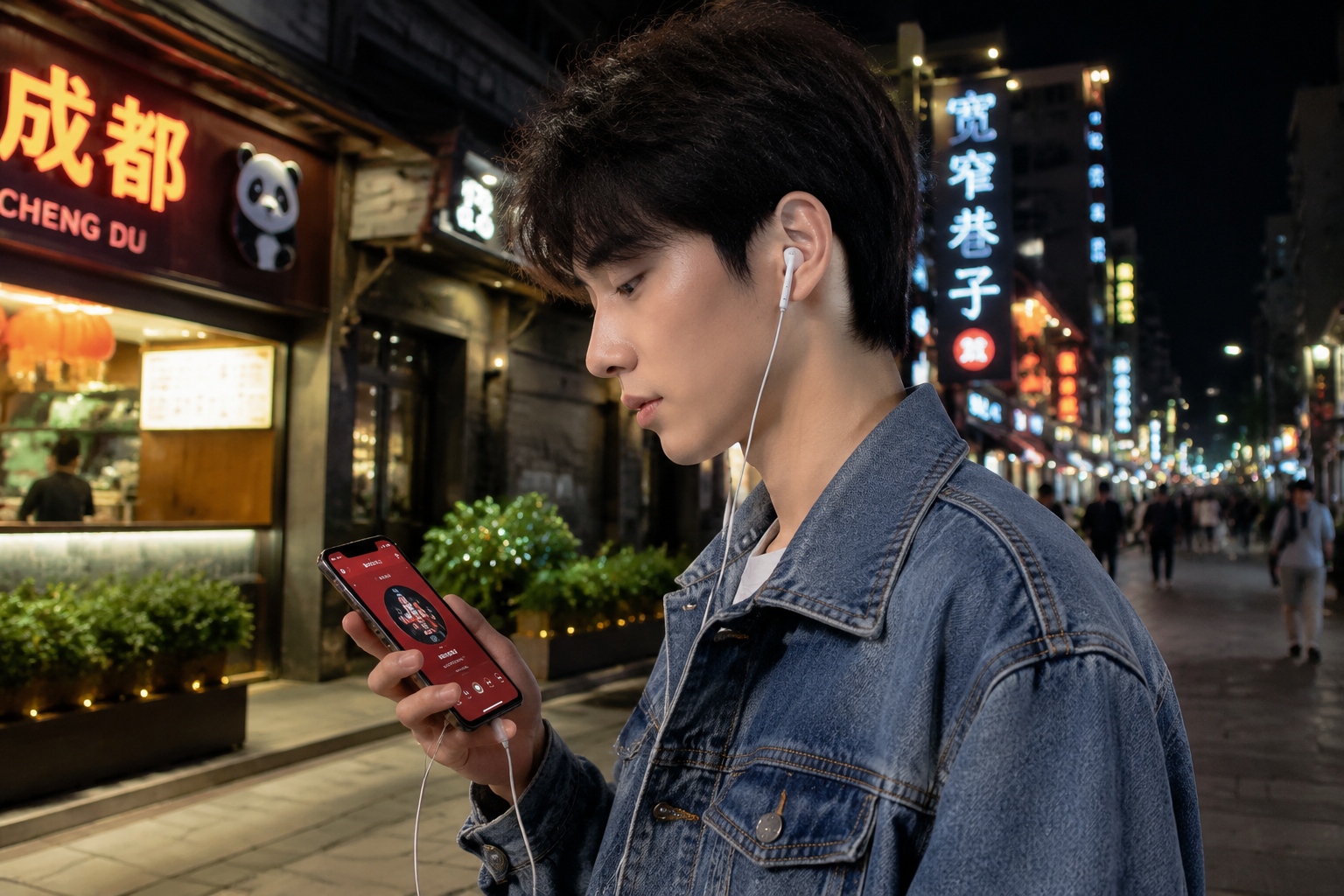
In Kunming, the Modern Sky Lab is the go-to spot for indie gigs, alongside smaller bars like Vervo. Festival-wise, keep an eye out for events like the Kunming Music Festival or the Chengdu Weekend—they often showcase local talent before anyone else.
If you’re not in China, most indie bands have profiles on NetEase Cloud Music and QQ Music, but you might need a Chinese phone number for full access. Some bands, including Mr. Turtle and Sound Toy, have official YouTube channels and Bandcamp pages. Follow them on Weibo or Douyin for demos and live clips—Chinese musicians are surprisingly generous with their digital presence.
The southwest indie scene is vast, and these five bands are just the topsoil. If you want to discover what comes next, dig into the playlists that local radio stations and small labels release. That’s where the next big sound will be hiding.
Start the discussion at forum.chinacomes.com