

When a Monkey King Conquered the Internet
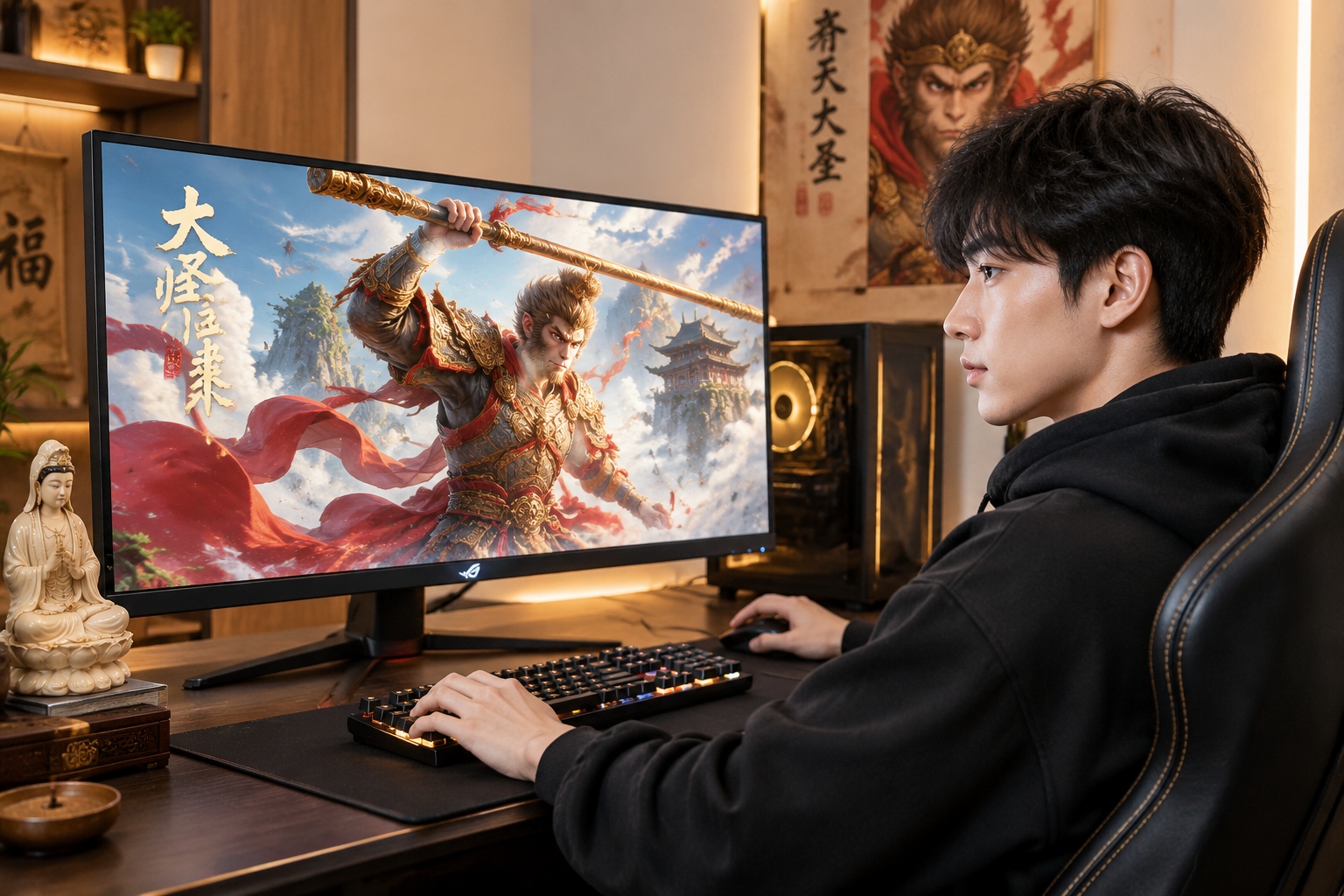
It started with a 13-minute gameplay video. In August 2020, Chinese game studio Game Science released the first gameplay footage for Black Myth: Wukong, an action RPG based on the legendary Monkey King. Within 24 hours, the video had millions of views on YouTube. Western viewers who had never opened Journey to the West were suddenly watching a defiant monkey wielding a staff that could extend to the sky. Comments overflowed with questions: “Who is this character?” “Is he a god?” “Why is he so angry?”
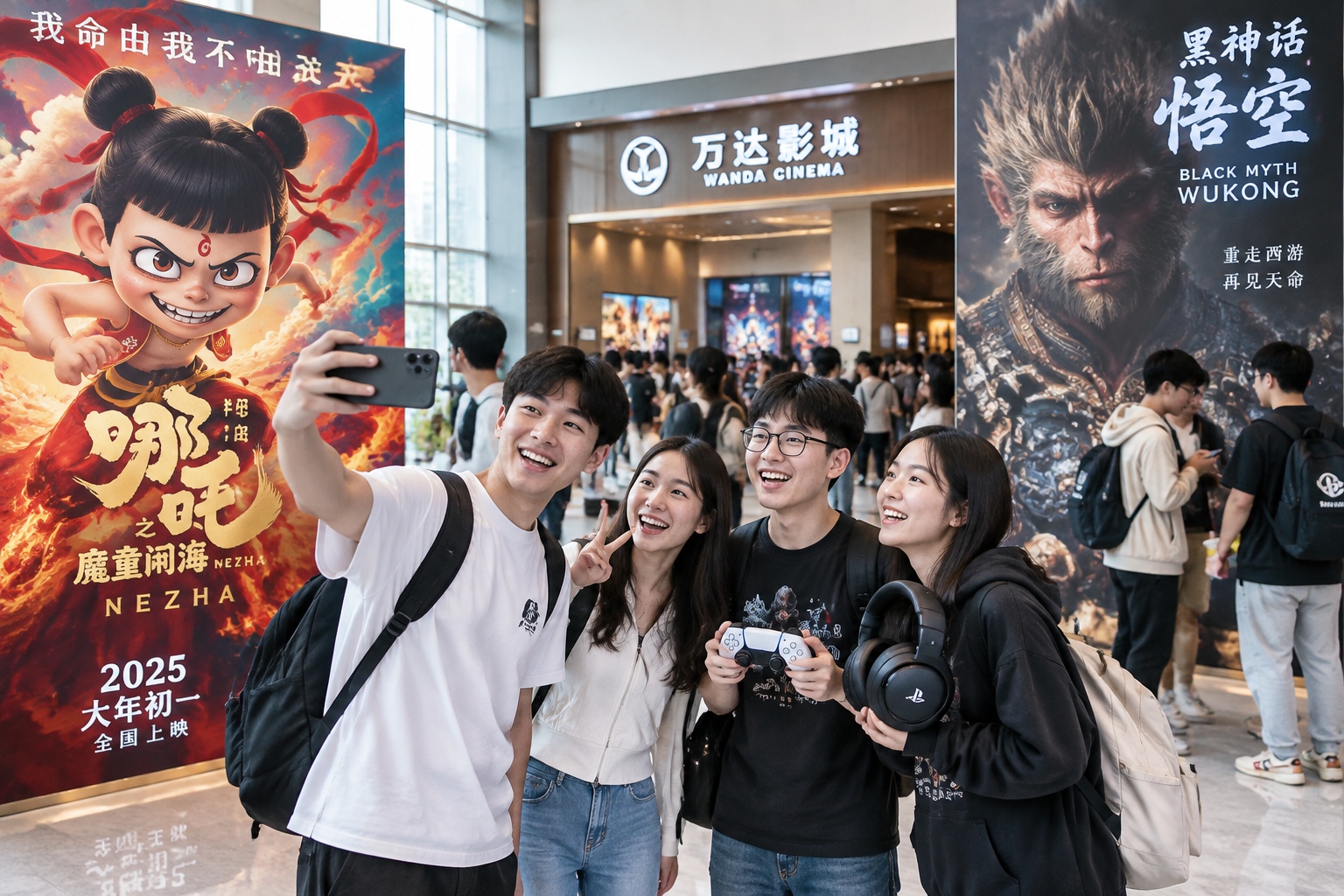
That video became a global gate opener. It showed that Chinese mythology, once a niche interest for Sinophiles and martial arts fans, could be packaged into slick, globally appealing entertainment. This is not an isolated event. Two years earlier, the animated film Nezha: Birth of the Demon Child had shattered box office records in China and won over audiences overseas with its story of a boy born as a demon who chooses to become a hero. Together, these two hits kicked off a new wave: Chinese mythology as a global pop-culture currency.
What Exactly Is Chinese Mythology?
Before we go deeper, it helps to understand the raw material. Chinese mythology is not a single, unified narrative like Greek or Norse myths. It’s a sprawling, fragmented collection of stories from Taoist scriptures, Buddhist legends, folk tales, and ancient classics like Shan Hai Jing (The Classic of Mountains and Seas). The two most influential sources for modern adaptations are Journey to the West (about a monk and his three supernatural disciples traveling to India) and Investiture of the Gods (a fantasy epic about dynastic change, filled with gods and demons).
These stories share a few recurring themes: rebellion against unjust authority, the struggle between destiny and free will, and the idea that even a low-born creature can achieve immortality through cultivation. These themes are surprisingly universal. A teenager in Brazil can relate to Nezha’s rage against a fate he didn’t choose. A gamer in Germany can feel the thrill of Sun Wukong fighting all 100,000 soldiers of heaven.
Nezha: The Demon Child Who Defied Fate
In 2019, Nezha: Birth of the Demon Child became the highest-grossing animated film in China, earning over 700 million USD globally. The movie reimagines Nezha, a classic protecting deity, as a mischievous, lonely boy born with demonic powers. His father wants to kill him to protect the village. The villagers fear him. Only his mother sees a child who needs love. The emotional core is Nezha’s defiance: “I’m the master of my own destiny.”
When the film was screened at the Brisbane Asian Film Festival and in other overseas venues, something unexpected happened. Viewers who knew nothing about Chinese mythology were bringing printouts of Nezha’s background from Wikipedia. Chinese students in the audience found themselves explaining the concept of ‘Tianji’ (heavenly destiny) to curious foreigners. The film’s success proved that Chinese mythology could sell without relying on exoticized stereotypes.
Black Myth: Wukong – A Game That Went Viral
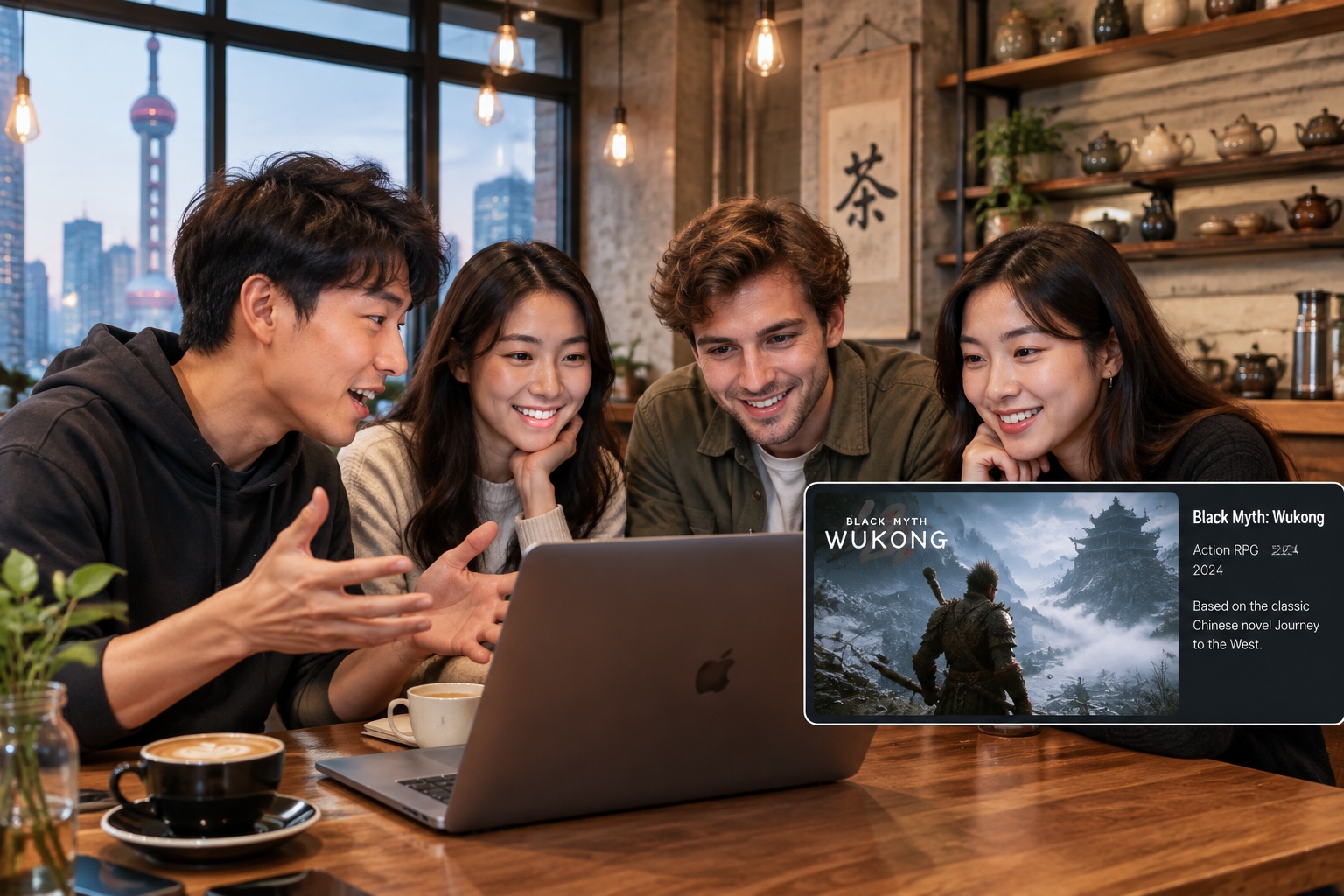
If Nezha was the cinematic breakthrough, Black Myth: Wukong was the gaming watershed. Released in August 2024, the game sold over 10 million copies within its first week. It became the most-played single-player game on Steam, with peak concurrent players exceeding 2 million. But the numbers only tell part of the story. For many Western players, this was their first encounter with Sun Wukong.
The game draws heavily on Journey to the West, but it doesn’t require players to know the source material. You play as the Destined One, a monkey who must gather six relics to resurrect Sun Wukong. The world is a dark, lush adaptation of the classic tale, featuring gods, demons, and monsters from Chinese folklore. Boss fights include the Yellow Wind Sage, the Hundred-Eyed Demon Lord, and even a giant spider who spins webs across mountain valleys. Western players have been posting videos comparing these fights to Dark Souls or Elden Ring. Some have started reading the original 16th-century novel to better understand the lore.
Why Chinese Mythology Is Trending Now
Why did these stories suddenly land with global audiences? Several factors align.
First, fatigue with Western fantasy. For decades, Western pop culture has been dominated by knights, dragons, and Grail quests. Chinese myths offer a different flavor: shape-shifting monkeys, gods who store powers in wine gourd, and a heroine who fights with a red ribbon. It’s exotic without being alien. The cultural distance is just enough to feel fresh.
Second, technology is finally good enough. Chinese studios now use Unreal Engine 5 and other top-tier tools to build worlds that match anything in Western AAA games. When a hair feature on Wukong’s fur glistens in the rain, players don’t care which mythology it comes from. Visual realism breaks down cultural barriers.
Third, social media accelerates discovery. Short clips on TikTok and Twitch streams have become the new campfire stories. A young player in Chicago clips a 30-second boss fight and shares it with his anime group. His friend asks who the ‘handsome ape’ is. Before you know it, #Wukong trends.
What Young Chinese Think About This Global Love
Back in China, the international response feels like a surprise wave. “I grew up watching the 86 TV series Journey to the West every summer,” says Wang Yue, a 30-year-old marketing executive in Beijing. “When my colleagues in London started sending me Wukong emojis, I realized something had changed.”
Many Chinese creators feel a new sense of confidence. The days of copying Western models are fading. “We have thousands of years of stories,” says a 25-year-old indie game developer in Chengdu. “We just needed the technical skills and the courage to tell them in our own way.”
But this enthusiasm is not without nuance. Some worry that mythology is being processed through a capitalist machine, turning sacred figures into merchandise. Others point out that Western fans often misread the stories. For example, Wukong is sometimes seen as a purely heroic rebel, overlooking his later redemption through Buddhist teachings. Yet most Chinese netizens welcome this global interpretation as a starting point, not an insult.
The Road Ahead: More Gods Waiting for Their Spotlight
The success of Nezha and Black Myth: Wukong has opened a floodgate. Chinese studios have announced adaptations of Feng Shen (The Investiture of the Gods) as a cinematic universe, and several games featuring characters from Shan Hai Jing are in development. Even the Chinese animated series Yao-Chinese Folktales has gained a cult following online.
But the biggest opportunity may be in collaboration. A Japanese studio could use Chinese mythology to tell a story about ecological balance. A French cartoonist might draw a graphic novel about the Moon Goddess. The myth becomes a shared vocabulary, much like how Greek tragedy inspired Shakespeare and modern film.
This is not about cultural appropriation; it’s about cultural synthesis. When a gamer in Mexico names his pet tortoise ‘Ao Guang’ after the Dragon King, when a cosplayer in Poland crafts a Nezha headpiece, when a twitch streamer in Brazil studies Taoist alchemy just to explain a video game, Chinese mythology is no longer just Chinese. It belongs to the world.
A Bridge Between Ancient and Modern
Standing in a Beijing cinema in 2015, I watched a trailer for the film Monkey King: Hero Is Back. The theater was full of kids who had never read the novel. They cheered when Wukong broke his chains. That energy is now echoing globally. Chinese mythology is not a museum artifact; it is a living, evolving language. And it speaks louder than ever.
Start the discussion at forum.chinacomes.com