

Introduction: A Viewing Experiment in Shanghai
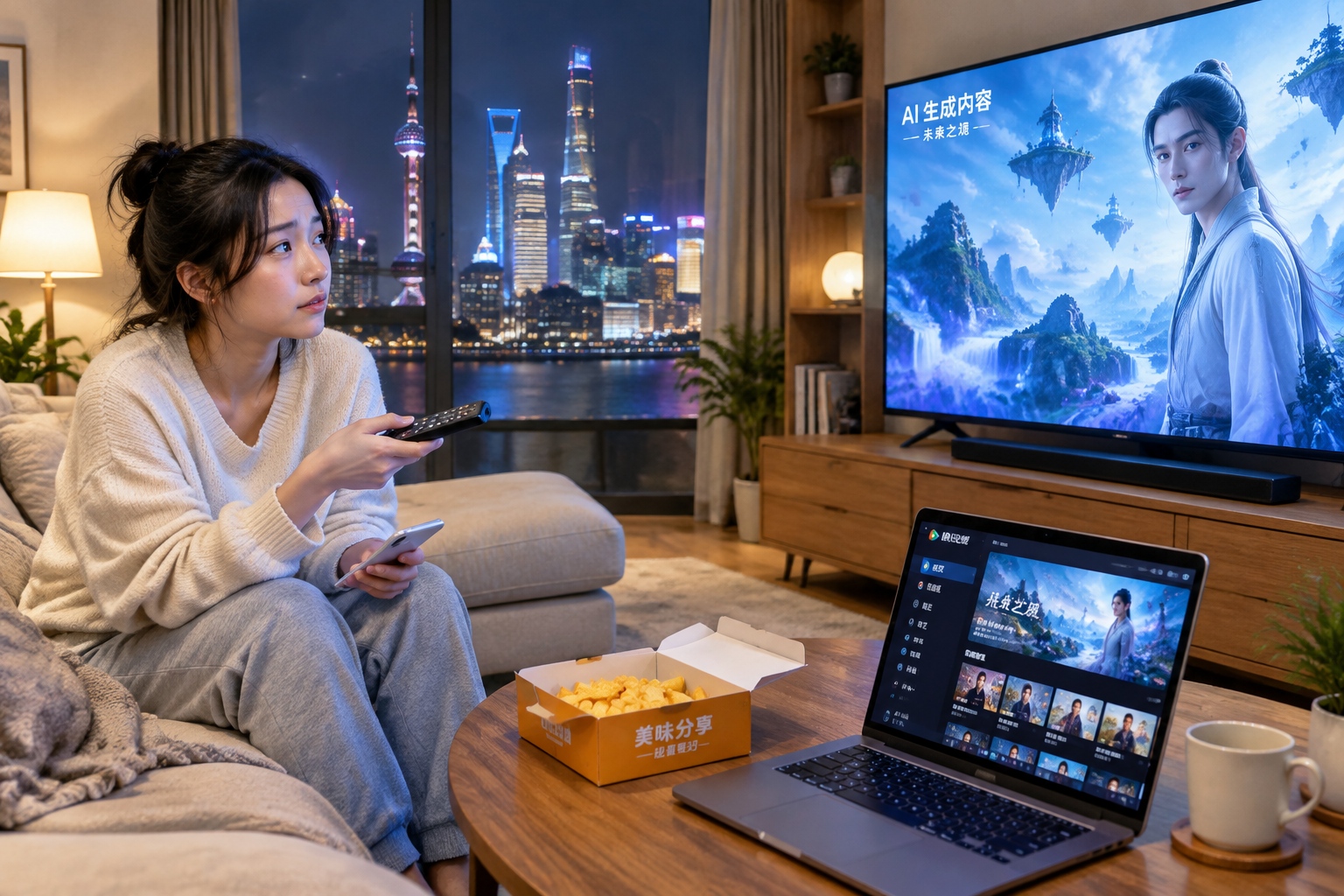
One evening last month, Xiaoyu, a 25-year-old marketing assistant in Shanghai, tapped on a colorful new drama in her streaming app. The thumbnail looked like an oil painting come to life: jagged mountains wrapped in glowing clouds, a warrior holding a luminous blade. A small silver tag underneath read AI-native.
Xiaoyu clicked play and watched for forty minutes. Then, she said, she felt sleepy
and switched to a cooking show.
Xiaoyu’s experience mirrors a broader pattern across China, where AI-made and AI-assisted television shows are slowly entering the mainstream. Streaming platforms, TV studios and web-series makers are experimenting with generative AI tools that write scripts, design costumes, and even animate whole scenes. The results often trigger two responses: amazement at what machines can do, and disappointment when the story fails to deliver real emotion. Chinese viewers, pragmatic as always, don’t debate the technology from a lecture hall — they decide with their remote controls.
Voting With the Remote: What the Ratings Say
On China’s largest video platforms, AI-assisted productions often start with a bang. Curiosity alone drives millions of initial clicks. But the viewing curve often tells a less flattering story. A typical AI-generated micro-drama in 2024 might average a 70% finish rate for the first episode, only to slide to 30% by the third and under 15% by the finale, according to a person familiar with platform metrics.
The first wave of viewers comes to marvel. The second wave comes to watch a story. That’s where they lose interest,
says Zhang Ming, a 34-year-old television editor from Beijing, speaking in his apartment between video calls. Zhang says he has consulted with two platforms on AI-assisted pilots. What AI brings is unlimited visual spectacle. What it still lacks is the power to make us care.
On social media, hashtags like AI drama
often trend during premieres, but the tone quickly changes. It’s like eating a rainbow-colored candy that dissolves to nothing,
wrote one Weibo user reviewing a highly anticipated AI-produced fantasy epic. On Douban, the Chinese equivalent of IMDb, AI-heavy shows frequently receive scores between 5 and 6 out of 10, while a few offbeat hits have edged above 7.
Case Studies: From Fantasy to Detective Stories
A fantasy micro-drama that wowed eyes and lost hearts
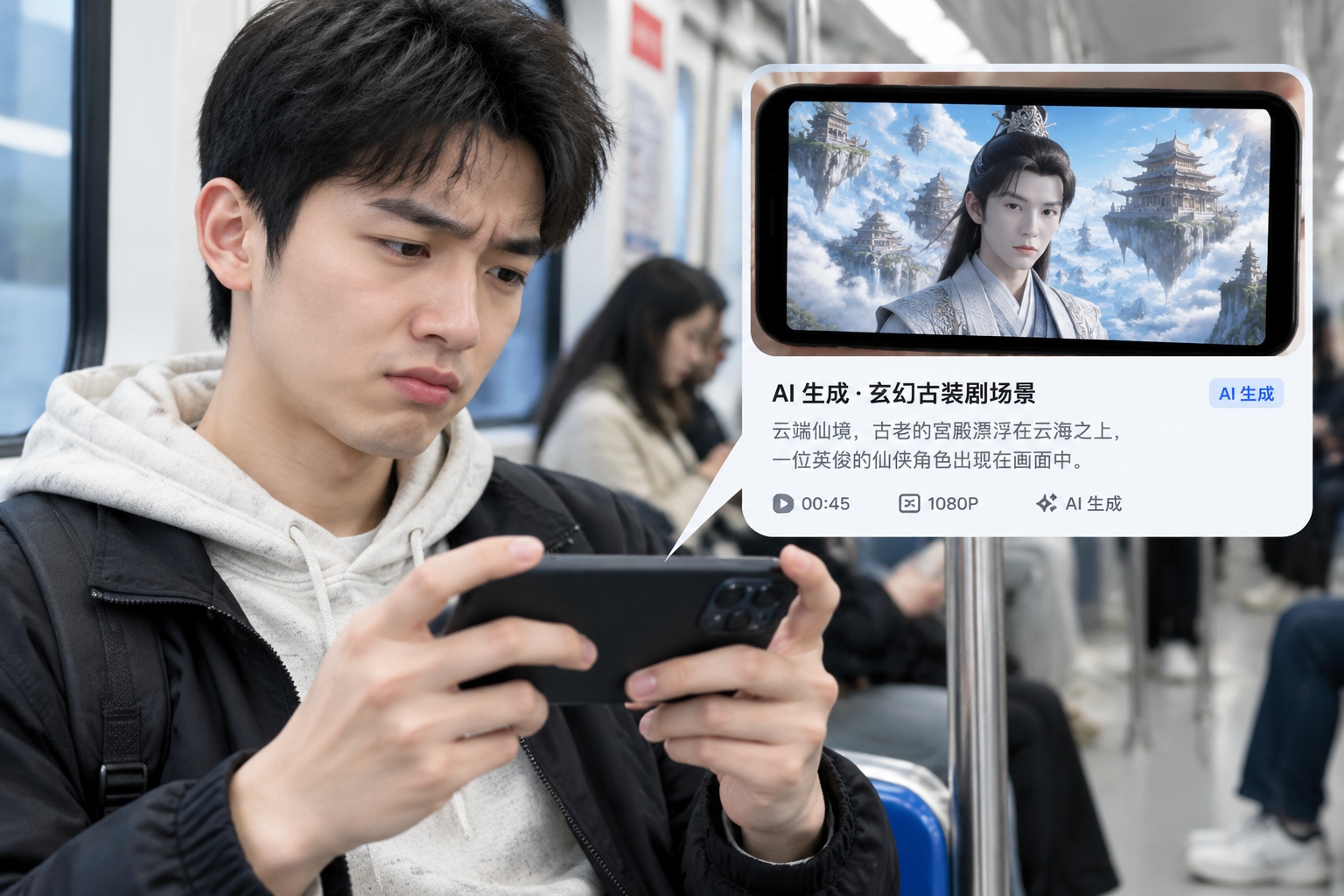
One of the most watched AI-assisted micro-dramas of 2024 was a twenty-episode fantasy adventure that used generative models to paint breathtaking backdrops — ancient palaces suspended between waterfalls, mythical beasts with iridescent scales. Budgets were a fraction of a traditional production because the entire world was rendered by algorithms in post-production.
But human performers, partly generated or de-aged, were often filmed against green screens and never met in the same room. The dialogue felt stiff, and interactions lacked the subtle chemistry that turns two actors into an unforgettable on-screen couple. Online commenters praised the set design, then complained about wooden faces
and scenes that look too smooth to be real.
Viewer retention fell sharply after episode four, and the show ended with a score of 5.8 on Douban.
A low-budget drama where humans did the heavy lifting
In contrast, a low-budget detective series released around the same time used AI in a more limited way — to clean up Shanghai street noise, composite backgrounds, and suggest shot angles. Humans wrote the script and performed every role. The result felt like a normal, watchable crime show, and audiences gave it a 7.4 rating. Many viewers said they didn’t notice the AI assistance, which was exactly what the producers wanted.
The two examples highlight a growing consensus among Chinese audiences: generative AI can create settings, but not souls. As one popular review put it, I’m fine with AI making the city. I need people to make the story.
Why Some AI Shows Fail: The Emotional Gap
Chinese viewers have grown up with a rich tradition of serial narrative, from ancient legends to modern family dramas. They expect a hook
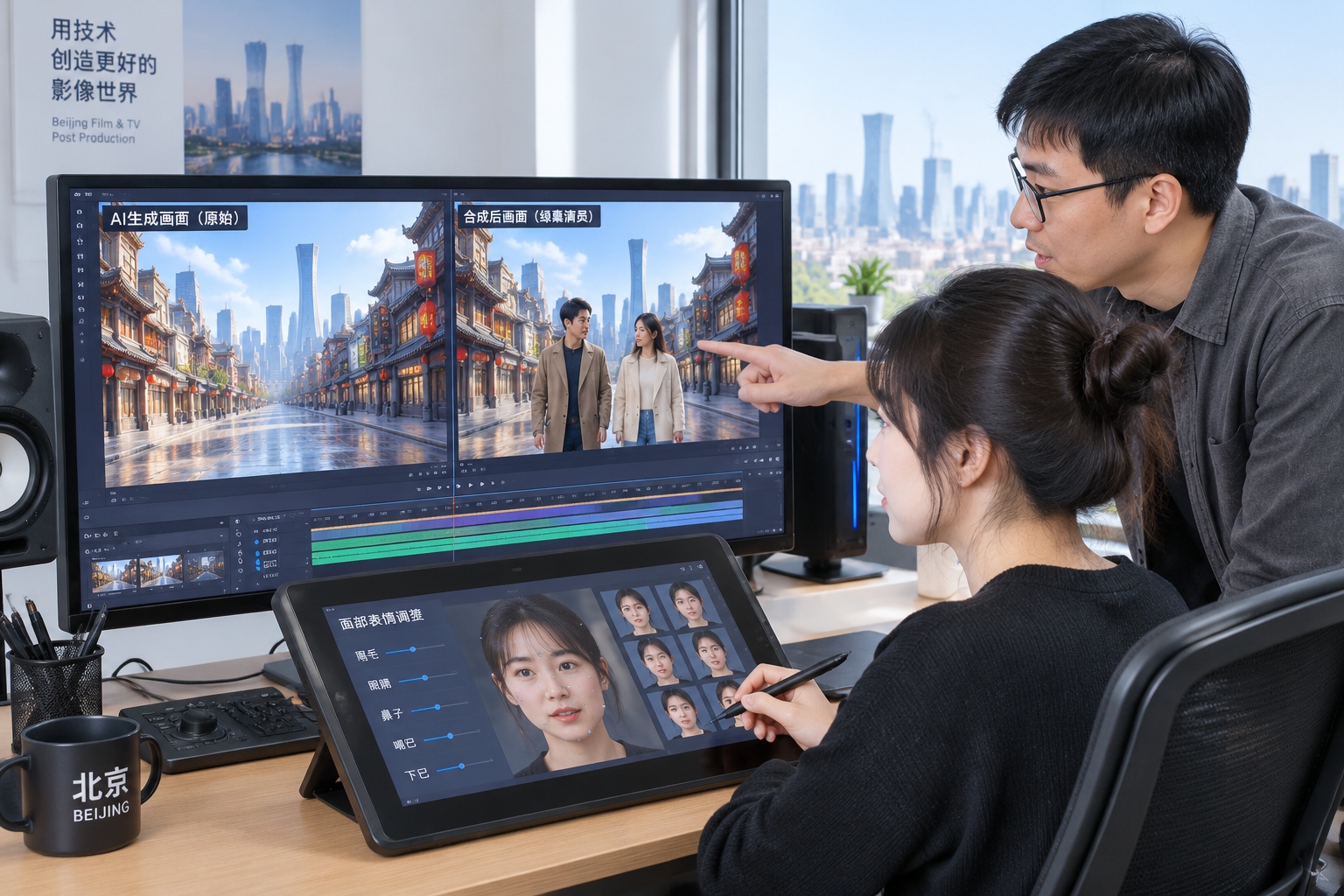
in the first five minutes, characters they can hate or root for, and a plot that doesn’t contradict itself. AI, by its nature, predicts the most likely next step from data, which often leads to safe, clichéd storylines. Combined with synthetic voices or motion-captured expressions, the result can feel uncanny — technically impressive but emotionally vacant.
The basics of good drama haven’t changed,
says Wang Jing, a 41-year-old high school language teacher in Chengdu, reached by phone. If I don’t believe the hero’s sorrow, I don’t care if he saves the whole universe. AI hasn’t yet learned how to be emotionally wrong in a way that feels human.
Another viewer on a popular forum expressed it more plainly: Tears from a human will always beat pixels from a model.
Street Talk: What Ordinary Chinese Viewers Say
To get a feel beyond digital debates, we asked a small online panel of Chinese viewers in different cities about their feelings toward AI-made dramas. Nearly all had tried at least one AI-assisted show in the past year. About two-thirds said they would watch another if the story was recommended by friends. Only one person said they would always avoid AI shows. I don’t care how it’s made,
said a 32-year-old logistics worker from Hangzhou. I care whether it makes me guess: who did it, and why.
The most common complaint was not about visual style but about dialogue. AI conversations feel like small talk between chatbots,
said a 24-year-old graduate student in Wuhan. There’s no wit, no silence, no implication.
Others pointed to long scenes that could have been shortened by a human editor. But several also praised AI for enabling niche genres: I saw a short love story between two older factory workers that was probably too cheap for a normal crew to make. AI made it possible, and I actually cried,
said a 51-year-old retired nurse from Shenyang.
That nuanced response reflects a broader Chinese attitude: technology is judged by how it improves day-to-day life, not by abstract fears. The Chinese word yong
(usefulness) often appears when viewers talk about AI drama. If it serves the story, they welcome it. If it exists only as a gimmick, they turn it off.
Industry View: Tool or Replacement? Chinese Filmmakers Weigh In
In film studios from Beijing to Shanghai, professionals are careful to describe AI as a tool, not a co-worker. AI can draft ten versions of a scene in a minute, but I still have to choose which one has the emotion I want,
says Lei Tao, an independent film director who used generative tools in his latest short film. The craft is still in the editing room.
Chinese streaming platforms are also creating training programs to help traditional screenwriters use AI without losing their voice. Several media groups have launched dedicated AI content funds. The investment is experimental, but producers remain cautious about fully automating creative roles. The day an AI director wins an award, actors may worry,
quipped a showrunner during a panel in Shanghai. Until then, audiences still want to see themselves.
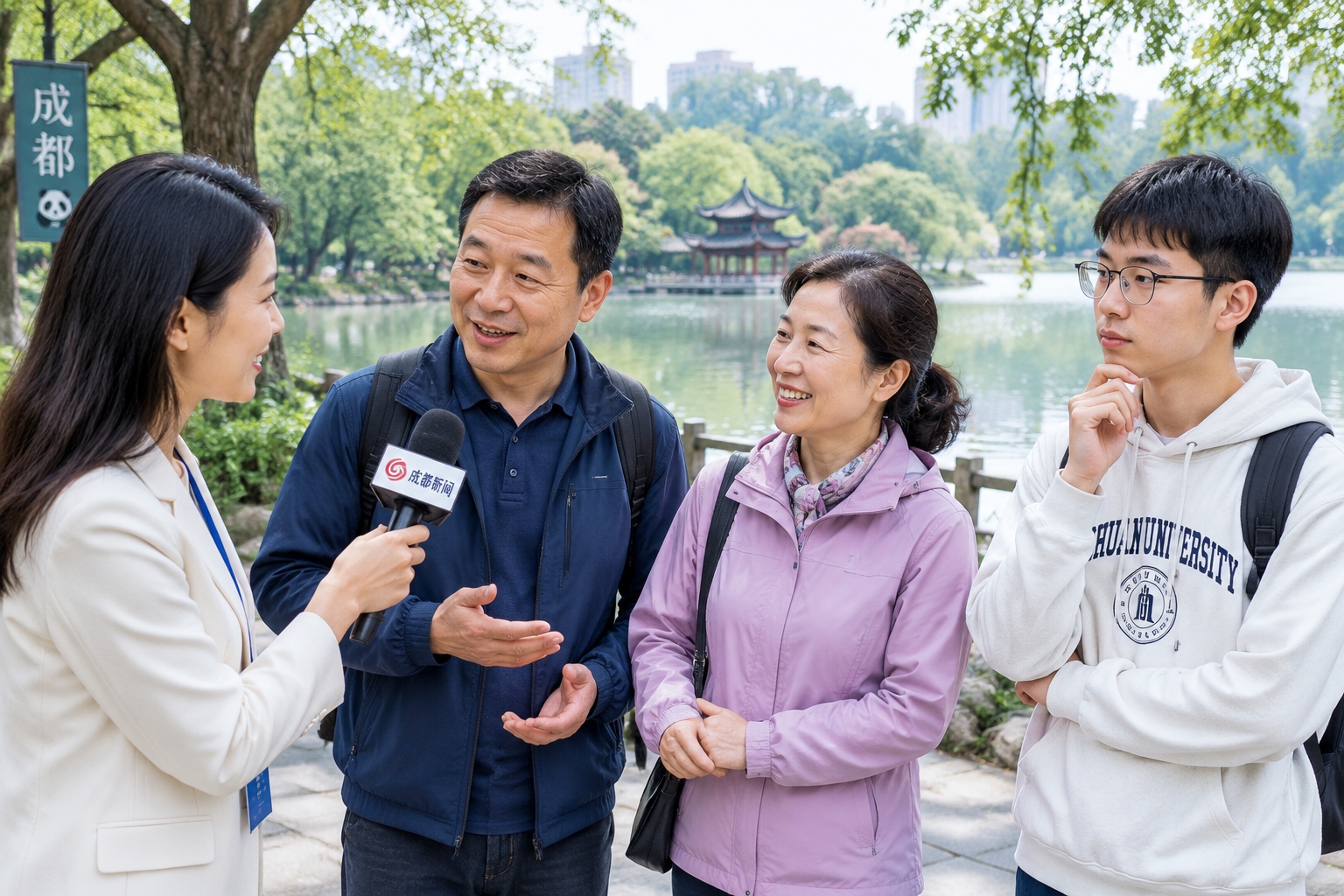
A growing behind the scenes
trend on video platforms shows human workers editing AI footage — adjusting lighting, fixing awkward facial expressions, re-timing dialogue. This two-stage pipeline—AI generates, humans refine—is becoming the standard in China’s early AI drama industry.
Conclusion: The Remote Is the Final Judge
China’s television industry is rushing to adopt AI, but the audience has supplied a simple market answer: no matter how many pixels are used, a story must make people feel something. The first generation of AI-assisted series has brought visually spectacular worlds and some innovative narratives, yet almost every breakthrough has been undermined by weaknesses in emotional nuance and logical coherence.
As tools improve, we will likely see more truly engaging hybrid productions. But the recent Chinese experience offers a useful lesson for the world: viewers don’t care whether a scene is drawn by hand or generated in a data center. They care if they remember the next morning why they stayed up late. In that sense, China’s audience has become the most honest QC system for AI entertainment — they vote with every click of the remote. And for now, they are saying: We’d love to see more, but only if you can make us forget we’re watching a machine.
Start the discussion at forum.chinacomes.com