
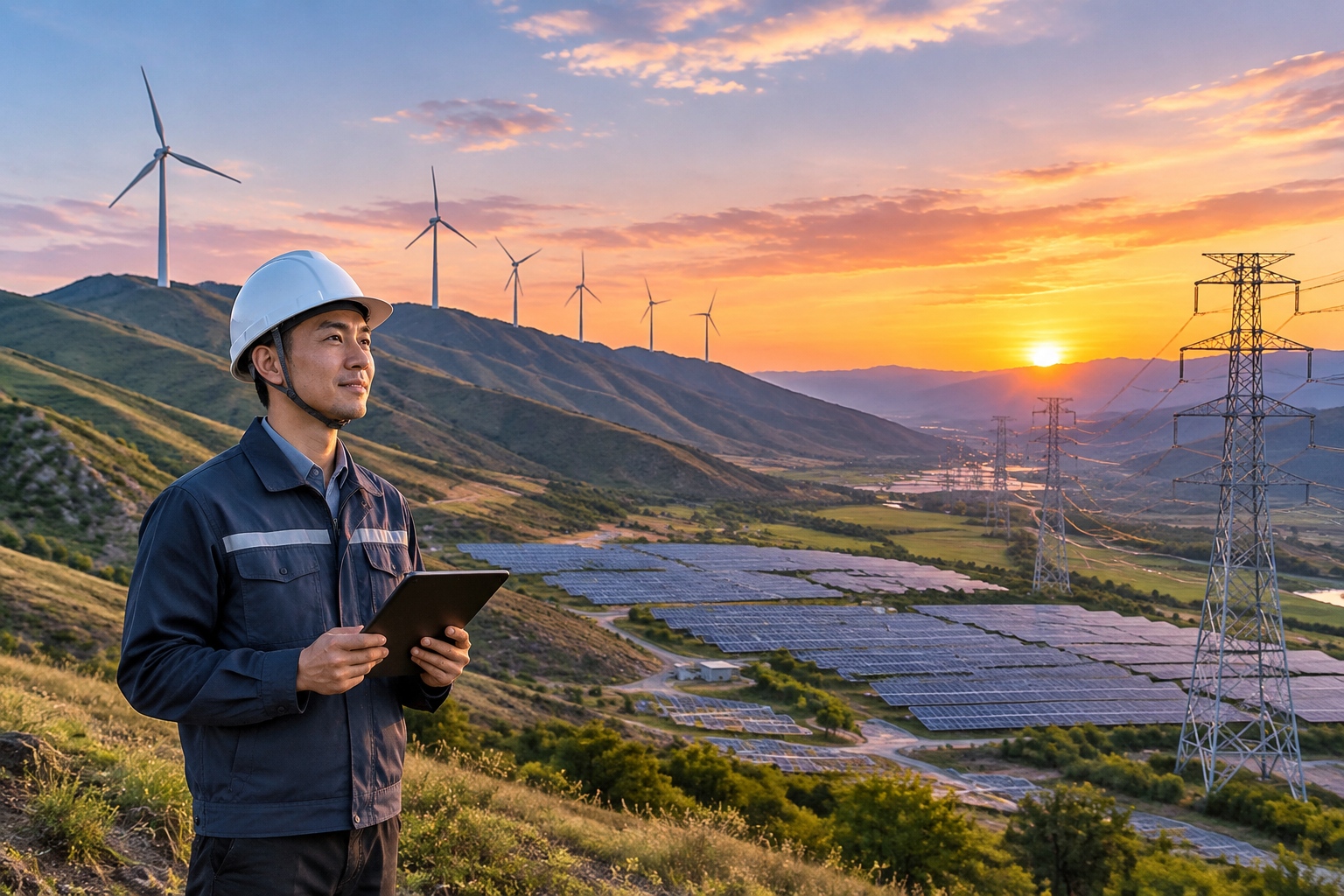

In 2013, Beijing was trapped in a thick haze. Air purifiers flew off shelves, and a popular joke said you could not see your neighbor across the street. At the same time, northern China was facing power shortages, forcing some factories to shut down on a rotating schedule. People began to realize a painful dilemma: the country needed more electricity, but burning more coal seemed to make the air worse. That winter, a sudden power cut in my apartment building reminded me how much our lives depend on a stable grid. When the lights came back, I looked out the window at the gray sky and wondered: could China ever have both reliable power and clean air?

The Glory and Cost of the Coal Era
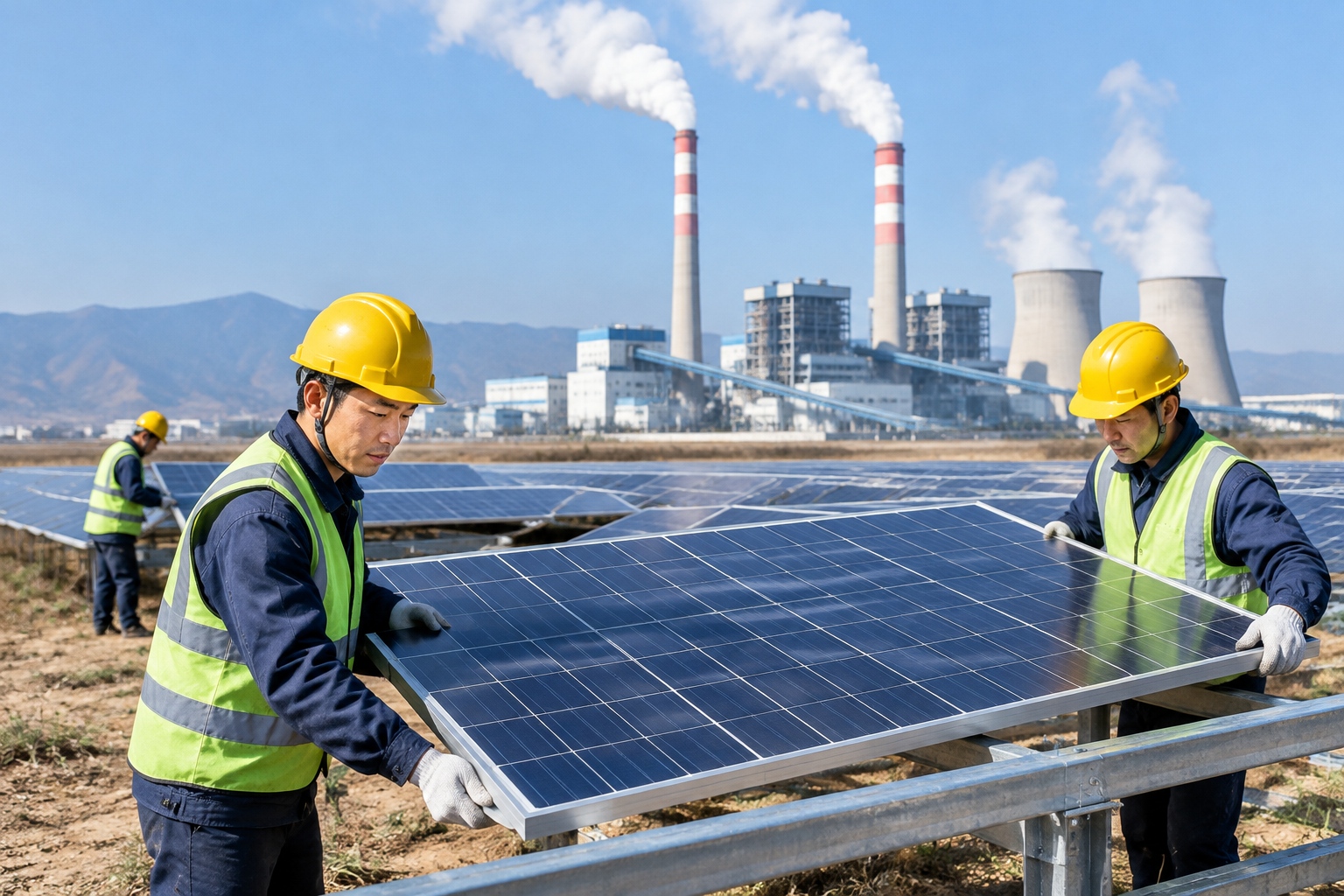
For decades, coal was China’s engine. After the reform and opening-up in 1978, the country built a massive fleet of coal-fired power plants to power factories, cities, and homes. By 2010, coal accounted for more than 80 percent of China’s electricity generation. This coal-driven growth lifted hundreds of millions out of poverty and turned China into the world’s factory.
But the cost was enormous. Coal plants emitted sulfur dioxide, nitrogen oxides, and fine particulate matter. Smog became a public health crisis, with residents complaining of respiratory problems. The government acknowledged the problem and began a painful but necessary transition.
The Turning Point: From Abandoning Nuclear to Embracing It
A Cautious Start After Chernobyl
China’s nuclear program started early, but the 1986 Chernobyl disaster cast a long shadow. For years, Beijing moved slowly, building only a few reactors with imported technology. The 2011 Fukushima accident in Japan again raised doubts, and China suspended approvals for new nuclear plants while reviewing safety standards. Many assumed nuclear power was a dead end in China.
Import, Digest, and Reinvent
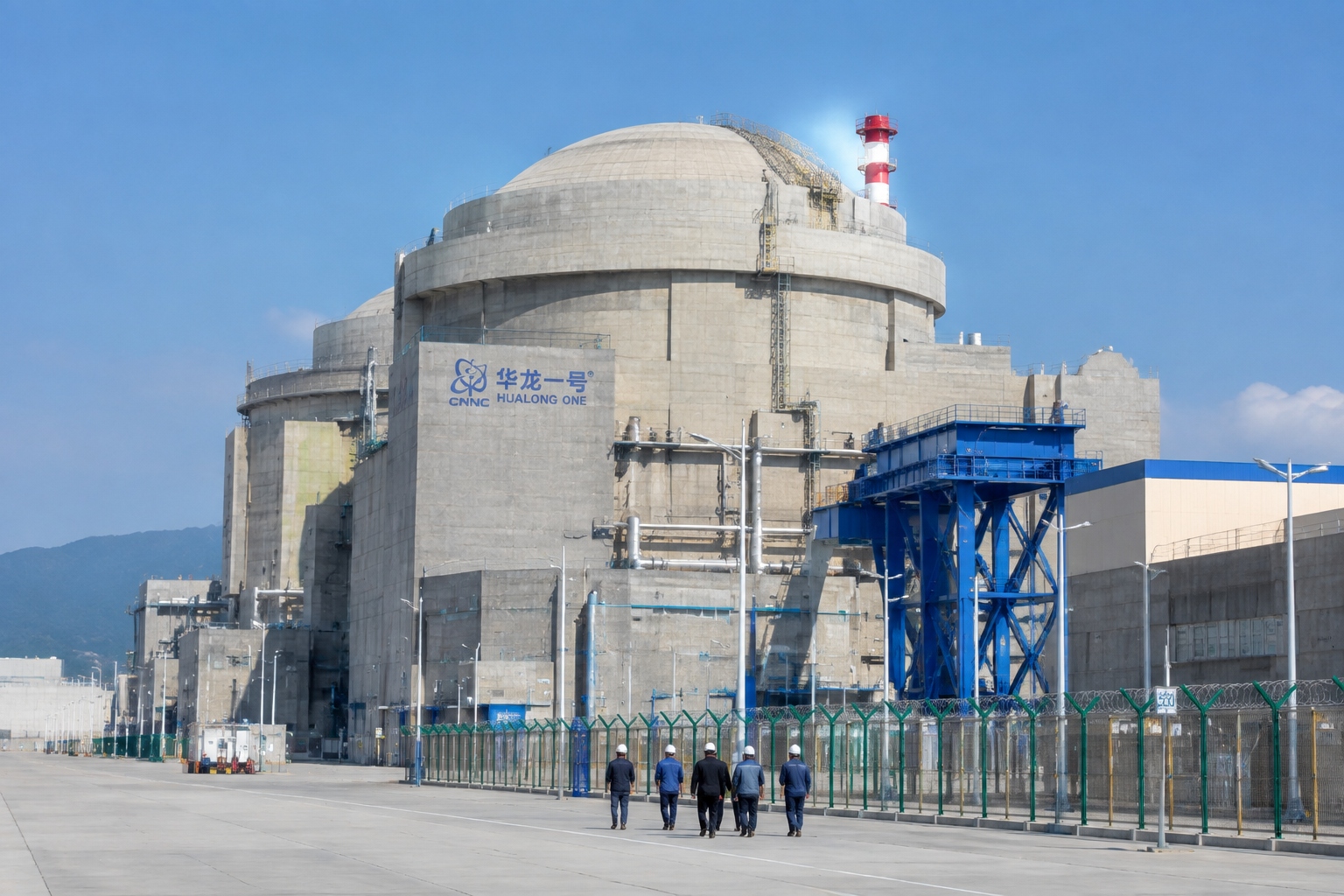
Instead, China doubled down on a different strategy: learn from foreign designs, then improve them. The first reactors were based on French, Canadian, and Russian technology. Engineers spent years mastering the systems. By the 2010s, China had developed its own generation-III reactor, Hualong One, designed to meet the highest international safety standards. The first Hualong One unit at Fuqing, Fujian Province, connected to the grid in 2021.
Hualong One: China’s Self-Made Nuclear Reactor
How Homegrown Tech Secures Energy
Hualong One is not just a technological achievement; it is a strategic asset. With its own reactor, China no longer depends on foreign suppliers for core components. Each unit has a designed operating life of 60 years and features a double-layer containment dome that can withstand a large airplane impact. The reactor is also an export product: a Hualong One unit in Pakistan has been operating since 2021. Energy security, in a world of rising geopolitical tensions, means controlling the technology.
Coastal Plants and the Nimby Story
Most Chinese nuclear plants sit on the coast, away from densely populated inland areas. Still, “not in my backyard” sentiment exists. Villagers near proposed sites have protested. In response, local governments have invested in science museums, public tours, and direct benefit programs such as improved roads and schools. The result: many communities now see the plant as a source of pride and jobs rather than a threat. The challenge remains, but public acceptance has grown.
What Ordinary People Actually Feel
Cheaper, More Stable Electricity Bills
The most visible change is that electricity rarely cuts off, and prices stay low. China’s electricity grid has expanded to cover every village, and the average household pays roughly the same price per kilowatt-hour as a decade ago, despite inflation. This stability is a quiet miracle that many residents take for granted.
Blue Skies and Cleaner Air
Air quality has improved dramatically in major cities. According to China’s Ministry of Ecology and Environment, the average concentration of PM2.5 in Beijing fell from 89.5 micrograms per cubic meter in 2013 to 32 in 2022. That is still above the WHO guideline, but a world of difference. Cleaner energy sources, along with stricter controls on vehicles and factories, have brought back the sight of blue skies. People in Beijing now laugh about having to “chase the clouds” to see a clear day.
New Careers in Renewable Energy
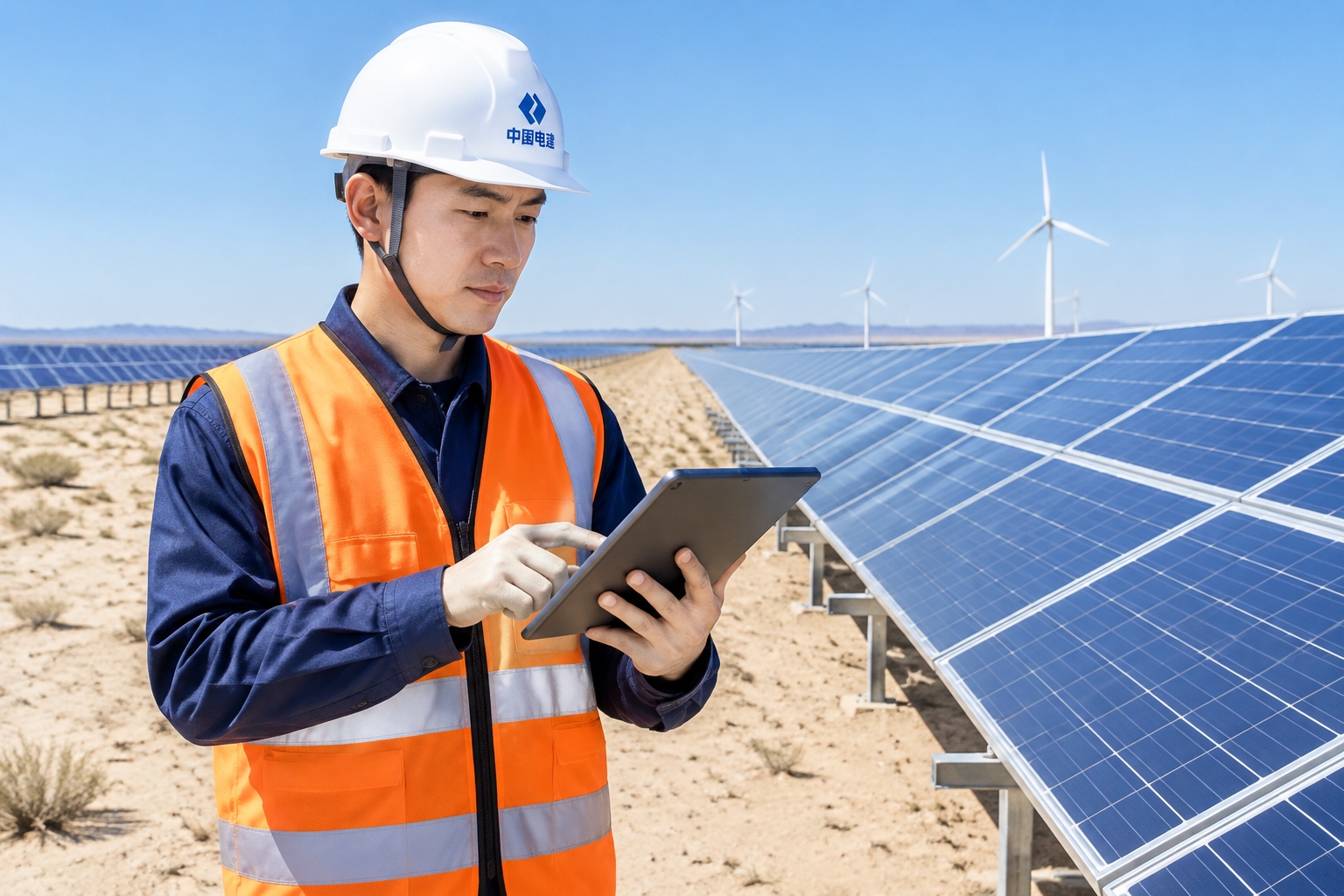
Perhaps the most personal story is that of Li Wei, a former coal plant operator in Shanxi province. When his plant’s capacity was reduced due to environmental regulations, he worried about losing his job. After six months of training, he became an operations and maintenance technician at a large solar farm in the Gobi Desert. “I still work with electricity,” he says, “but now I don’t come home coughing.” Li’s story is not unique. According to the International Energy Agency, China employs more people in solar and wind industries than any other country, around 4 million as of 2023.
Beyond Nuclear: Wind, Solar, and Storage
Nuclear power is only one piece of the puzzle. China has become the world’s largest producer of wind and solar energy. In 2023, renewable energy sources (including hydro) accounted for more than half of installed power capacity. The country also leads in battery storage, essential for smoothing the intermittency of renewables. In desert regions, massive solar farms the size of entire cities stretch to the horizon. Offshore wind turbines rise from the Yellow Sea, while rooftop solar panels have turned village rooftops into mini power plants.
This diversification creates resilience. A single energy source, China learned, is dangerous. By spreading the risk across coal, nuclear, hydro, wind, solar, and increasingly storage, the country builds an energy mix that can adapt to changing conditions.
The Long Race Ahead
China is still a long way from a fully clean grid. Coal remains the largest single source of electricity, and new coal plants are still being built to meet rising demand. The transition is not a sprint; it is a marathon. Policy shifts, technological breakthroughs, and daily choices all matter. A factory owner chooses to install solar panels. A family buys an electric car. An engineer leaves a coal plant to work on nuclear safety.
These personal decisions, multiplied by millions, are the untold story behind the statistics. China’s energy diversification is not just about giant turbines and concrete domes. It is about people who want reliable power, clean air, and a brighter future. The journey is complicated, but the direction is clear.
Start the discussion at forum.chinacomes.com