
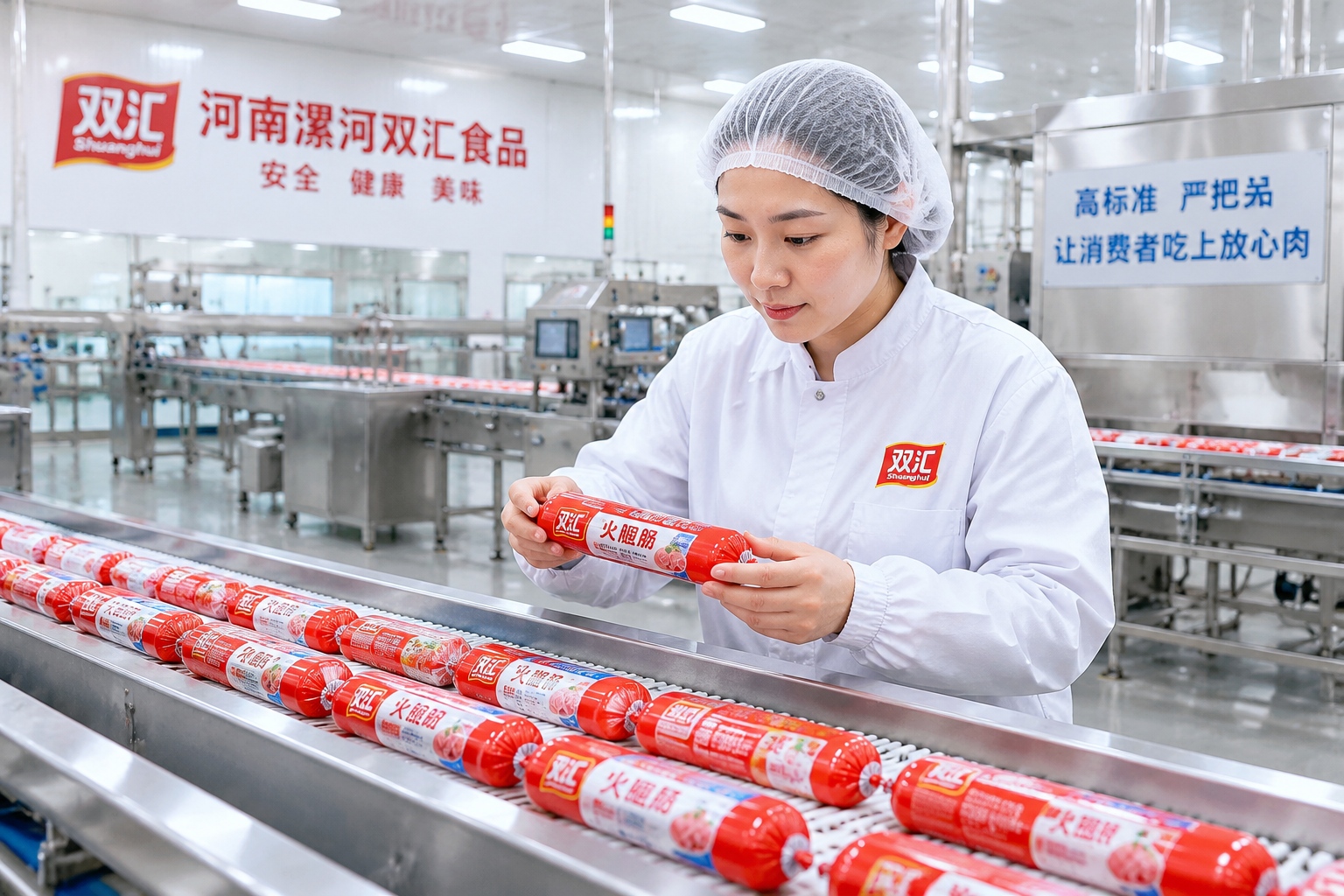

Picture this: you’re on a high-speed train somewhere between Shanghai and Chengdu, and a fellow passenger slides a bright red plastic-wrapped sausage out of her backpack, bites into it, and then picks up a cup of instant noodles. That sausage is likely made by Shuanghui, the world’s largest pork processing company — a name most Western travelers have never heard. But if you’ve ever bitten into a hot dog from Smithfield, the American brand Shuanghui bought in 2013, you’ve already tasted its influence.
Shuanghui is based in Luohe, a small city in Henan province, China’s agricultural heartland. Every year, it processes more than 100 million pigs. To understand how a Chinese company became the biggest pork player on the planet — and what that means for the food you eat — it helps to follow one humble ham sausage from farm to retail shelf.
Where It All Starts: The Pig Farm
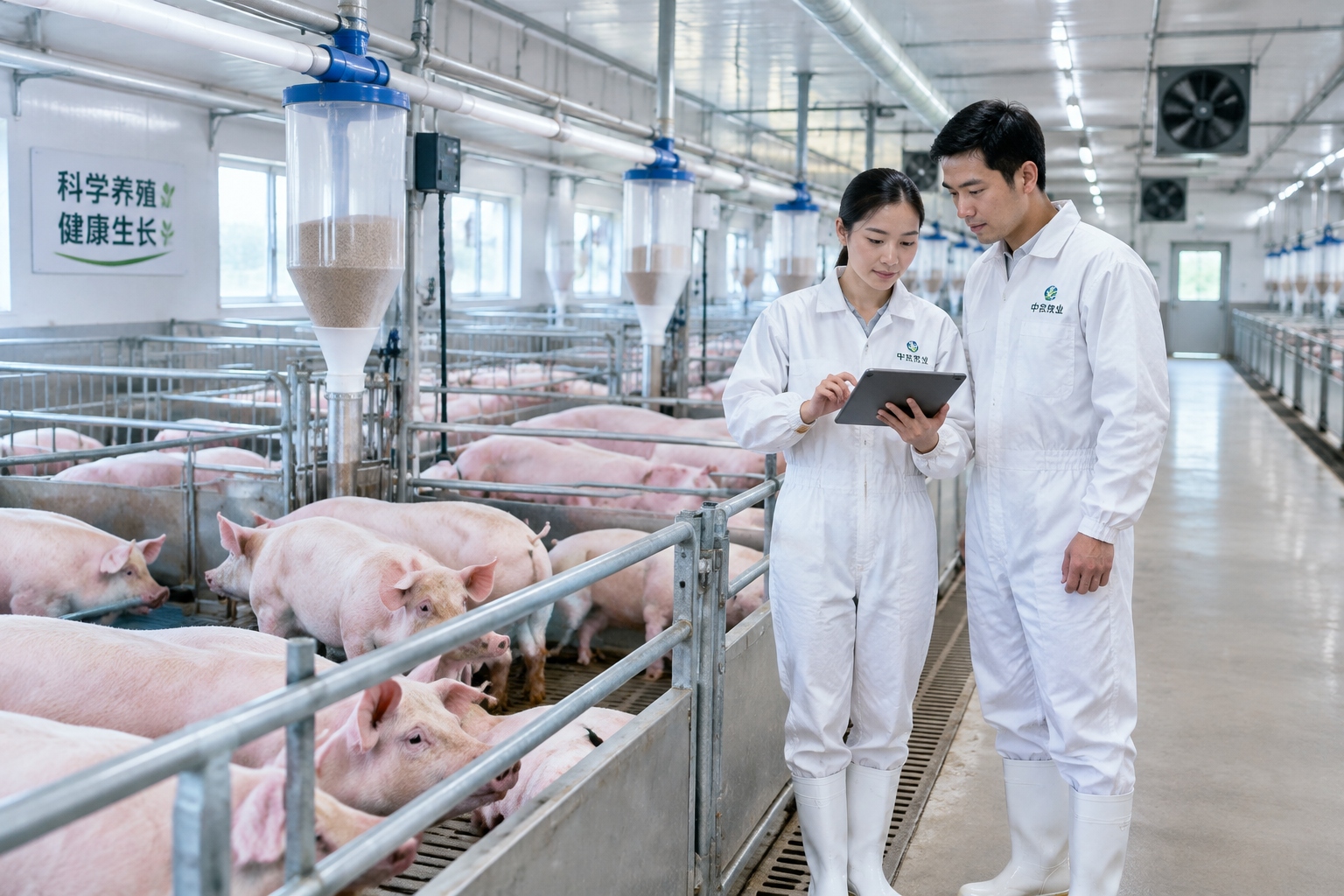
The journey begins at a commercial pig farm in central China, not far from Shuanghui’s headquarters. Unlike the quaint family farms you might picture, this is an industrial operation with climate-controlled barns, automated feeding systems, and strict biosecurity protocols. In recent years, the Chinese government has pushed for consolidation in the pork industry, shifting from millions of backyard farms to large-scale operations like this one. The reason is simple: disease control and food safety. After a devastating African swine fever outbreak in 2018 and 2019, which killed around 30% of China’s hog herd, the industry had no choice but to modernize.
For a Western visitor, the scale is staggering. A single modern pig farm in China can hold tens of thousands of animals. The pigs are raised on a diet of corn and soybeans — much like in the U.S. — but at a scale that dwarfs most Midwestern farms. Shuanghui also partners with farmers through contracts, providing piglets, feed, and technical support, while guaranteeing a purchase price. This vertical integration, from feed to retail, is a model that American companies like Smithfield have also used, but Shuanghui has pushed it further.
Inside the World’s Largest Pork Plant
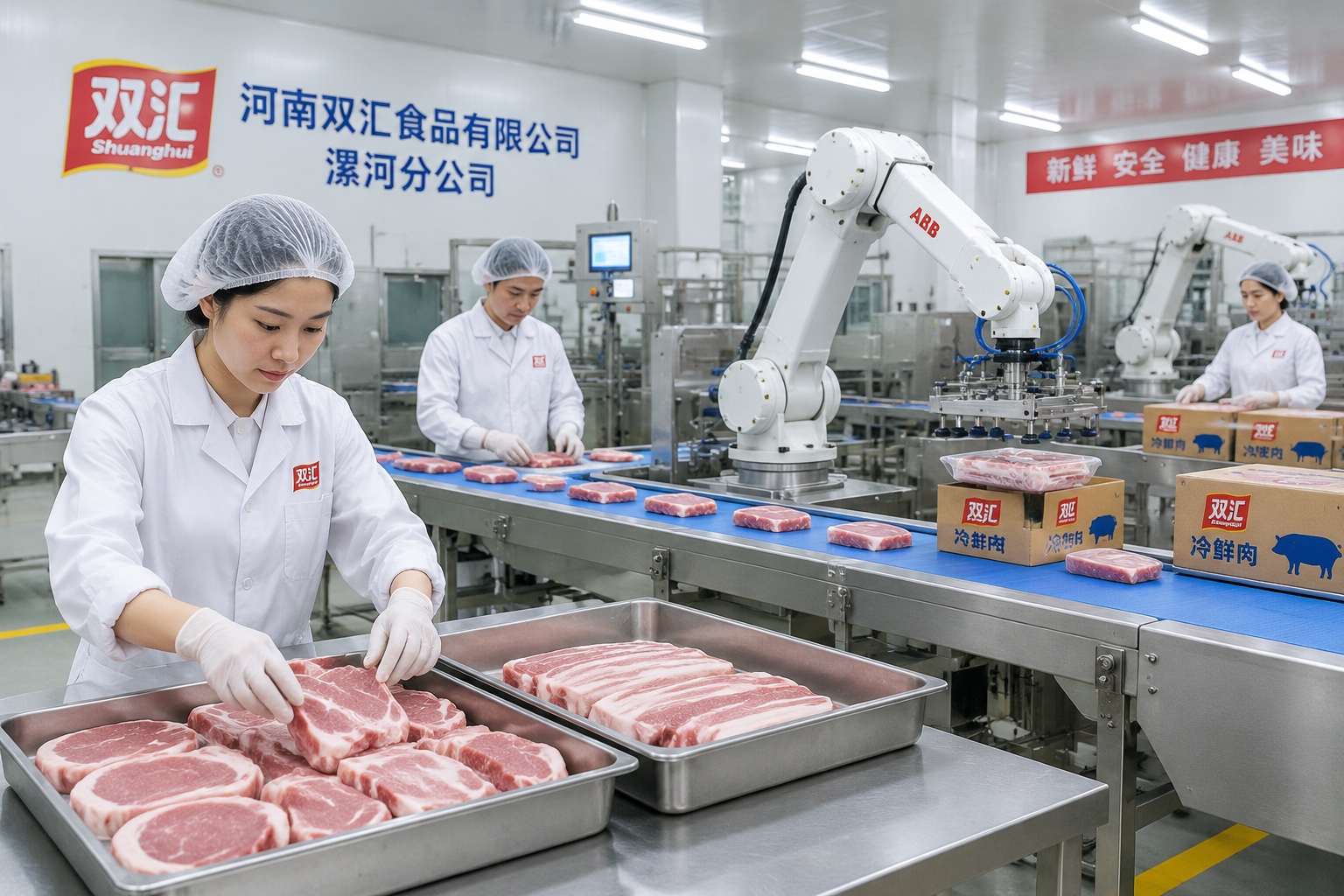
Next stop: Shuanghui’s sprawling processing complex in Luohe. Covering an area equivalent to dozens of football fields, the plant resembles a futuristic food factory — but with lots of stainless steel and flashing conveyor belts. On the average day, thousands of pigs enter one end and come out the other as boxes of frozen pork, sliced bacon, and thousands of ham sausages per minute.
The automation is impressive. Robots slice and pack meat with precision that human hands can’t match. Computerized systems track each cut, ensuring that every piece meets sanitation standards. In fact, Shuanghui has invested heavily in German and Japanese machinery, and its processing lines are cleaner than many European plants I’ve seen. If you’ve toured a modern meatpacking plant in Iowa or Kansas, you’ll notice the difference: there is less manual labor, more sensors, and a constant focus on traceability. Every package has a QR code that can trace back to the farm and the slaughter date.
This is a far cry from the company’s early days. Shuanghui started in 1958 as a small, state-owned slaughterhouse in Luohe. In the 1980s, it was just one of many provincial meat companies. The turnaround came in the 1990s, when the company launched its famous — or infamous, to some — “ham sausage” (huotui chang). It was cheap, shelf-stable, and packed with protein, appealing to millions of Chinese who were just beginning to enjoy affordable meat. The product became a national icon, often eaten with instant noodles.

The Ham Sausage That Changed Chinese Snacking
To understand the cultural role of the ham sausage, think of the American lunchable or a Slim Jim — but even more ubiquitous. In China, a ham sausage is the go-to snack for train rides, road trips, and hiking. It’s also an ingredient in many home-cooked dishes, like fried rice or stir-fried vegetables. For decades, it was a convenient way to add meat to a meal without a trip to the butcher.
Shuanghui’s ham sausage recipe is basically a finely ground emulsion of pork, chicken, water, starch, and seasonings, stuffed into a synthetic casing and cooked. The flavor varies: there’s garlic, spicy, corn, and even cheese-flavored versions. Unlike a Western hot dog, which is usually grilled or boiled, the Chinese ham sausage is ready to eat straight out of the package. This convenience made it a staple for migrant workers, soldiers, and college students. In 2023, Shuanghui sold over 4 billion packs of ham sausages — that’s roughly 3 per person in China.
For a Western reader, the texture might feel denser and the taste saltier than an American hot dog. But the biggest difference is not the taste — it’s the distribution. Walk into any Chinese convenience store, from a busy Beijing metro to a rural village shop, and you’ll find a shelf stacked with Shuanghui products. This ubiquity is a product of Shuanghui’s logistics network, which reaches even remote areas. The company has its own cold-chain trucks and distribution centers, ensuring that even a tiny shop in a desert town can stock fresh sausages.

From Luohe to the World: The Smithfield Connection
Americans might not know the name Shuanghui, but many have eaten its products. In 2013, Shuanghui International (now WH Group) acquired Smithfield Foods, the largest pork producer in the U.S., for $4.7 billion. At the time, it was the largest takeover of an American company by a Chinese firm. The deal gave Shuanghui access to American pork production, cutting-edge genetics, and a global brand. For Smithfield, it meant access to the booming Chinese market.
Today, WH Group operates in more than 20 countries, with production facilities in the U.S., Mexico, the U.K., and Poland. The company’s strategy is to produce pork in low-cost regions and export to high-demand markets. In many ways, this mirrors what Chinese manufacturers have done with consumer goods: leverage scale, reduce costs, and move fast. But it also poses challenges. American consumers often worry about how a Chinese parent company might affect food safety standards at Smithfield. In practice, Shuanghui has largely left Smithfield’s operations independent, focusing on integrating supply chains and expanding into Asian markets.
The cross-border flow goes both ways. For example, Shuanghui has introduced smoked sausages and hot dogs from Smithfield to Chinese customers, positioning them as premium products. At the same time, Smithfield now exports more pork to China, some of which is processed into the very ham sausages that Chinese travelers eat on trains. It’s a globalized food system in one convenient package.
Challenges and Adaptations: The Road Ahead
No story about the Chinese pork industry would be honest without mentioning its problems. In 2011, Shuanghui’s pork products were found to contain clenbuterol, a banned weight-loss drug that was added to animal feed to increase leanness. The scandal severely damaged consumer trust and forced the company to overhaul its food safety practices. Since then, Shuanghui has built a sophisticated inspection system, investing heavily in quarantine and testing protocols. It now claims that all its products are tested multiple times for drug residues, and it encourages consumers to use QR codes to trace the origin of any package.
Another challenge is changing consumer preferences. As Chinese people get wealthier, they want fresh, high-quality meat rather than processed sausages. In response, Shuanghui has expanded its chilled and sliced pork products, which are now sold in supermarkets across the country. It has also launched healthier, low-sodium versions of its sausages, and even plant-based alternatives, though these are still niche.
The company is also dealing with environmental pressures. A factory that slaughters millions of pigs produces a lot of waste, and Shuanghui has been criticized for pollution in the past. Recently, it has invested in wastewater treatment and biogas generators, turning manure into energy. This is not just altruism — the Chinese government is now enforcing stricter environmental regulations, and companies that fail to comply face heavy fines.
What This Means for You
If you’ve ever eaten a hot dog, a slice of pepperoni, or a pork dumpling in the U.S. or Europe, there’s a decent chance that some part of it came from a pig raised in a system connected to Shuanghui. The company’s rise reflects the broader story of China’s food industry: rapid modernization, massive scale, and a tension between convenience and quality.
For Western readers, the most striking thing about Shuanghui is not its factory size but how deeply its products are woven into daily Chinese life. The ham sausage is not just a snack; it’s a time capsule of China’s economic development — from a time when meat was a luxury to an era when a satisfying, affordable protein can be found on every street corner. And next time you see a traveler pulling out a red-and-white sausage on a train, you’ll know the story behind that little stick.
Start the discussion at forum.chinacomes.com