


Introduction: The Road Trip Comes of Age in China
Every October, during the National Day holiday, China’s highways turn into a river of cars. In 2023, more than 700 million domestic trips were made during that week alone, and a growing share were self-driven. The China Tourism Academy estimates that road trips accounted for over 70% of all domestic travel in recent years. What was once a niche activity for the wealthy has become a mainstream way for ordinary families to see their own country.
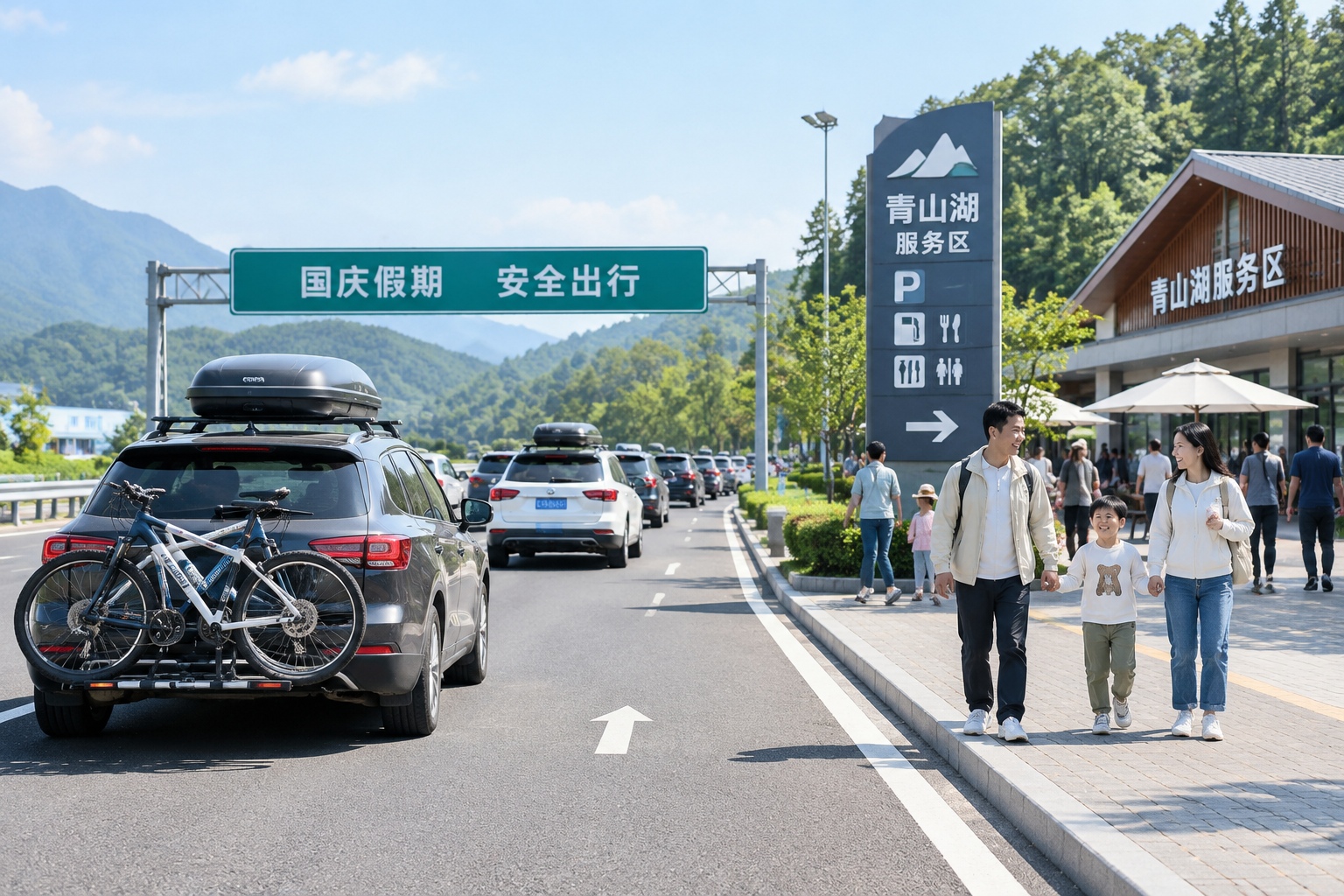
This shift is not just about tourism. It is creating a quiet, lucrative market: the auto aftermarket. From roof boxes to portable tire inflators, from roadside repair apps to specialized service shops along scenic routes, a wave of small businesses is rising to meet the needs of China’s new road-tripping class. For overseas observers, this is a window into how Chinese consumer spending is evolving—and how grassroots entrepreneurs are turning everyday problems into hidden-champion products.
A Family’s Road Trip: More Than Just Driving
Consider the Zhang family from Hangzhou. In the summer of 2024, they drove 3,200 kilometers from Zhejiang province to Qinghai Lake and back. Their car, a midsize SUV, was packed with a portable fridge, a roof cargo box, a tire repair kit, and a dashboard mount for two smartphones. “We spent about 2,000 yuan on accessories before the trip,” says Zhang Wei, the father. “But it was worth it. The kids could sleep in the car, and we never worried about a flat tire in the middle of nowhere.”
The Zhangs are not unusual. Online searches for “road trip essentials” on Chinese e-commerce platforms doubled between 2021 and 2023. Popular items include neck pillows, sunshades, emergency power banks, and compact air compressors. The demand is not just for comfort—it’s for safety and self-reliance. In remote areas, gas stations can be 100 kilometers apart, and 4S dealerships (authorized car service centers) are rare. Drivers need products that let them handle small problems themselves.
Small Businesses Step Up: Repair Shops, Online Stores, and Niche Brands
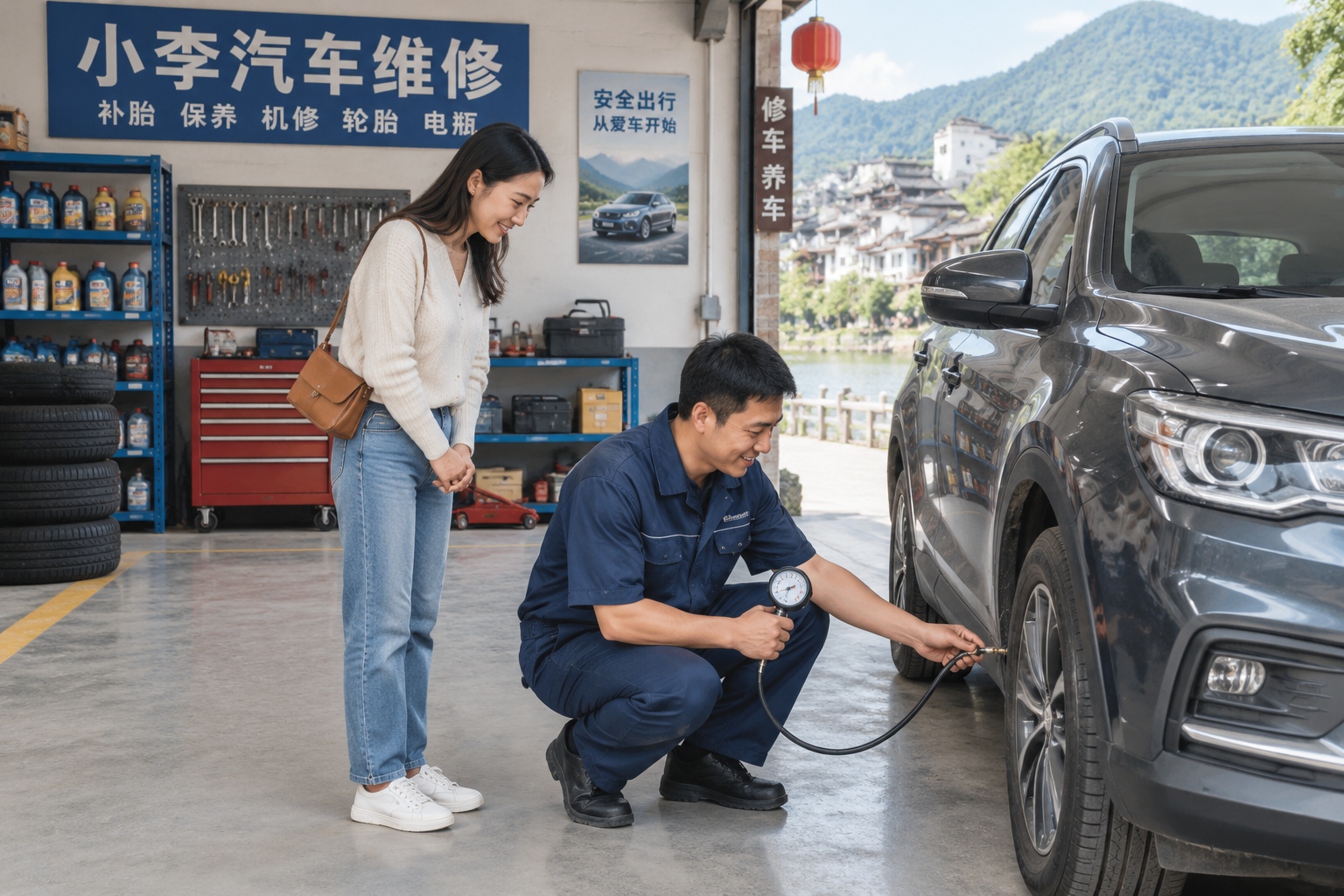
This demand has not gone unnoticed. Along popular routes like the G318 from Shanghai to Tibet, independent repair shops have multiplied. In Litang, a town on the Sichuan-Tibet highway, a former motorcycle mechanic named Li Jun opened a small garage in 2020. “At first, I only fixed tires,” he says. “Now I stock roof racks, camping stoves, and even satellite communicators. My revenue has tripled.”
Online, the story is similar. Taobao and JD.com host thousands of stores selling road-trip gear. Some have grown from one-person operations to brands with millions in annual sales. One example: a store called “RoadMate” started in 2018 selling a simple seat-back organizer. By 2023, it had expanded to a full line of car organization products and reported 50 million yuan in revenue. The founder, a former logistics manager, saw a gap: Chinese families were spending more time in their cars, but storage was chaotic.
Case Study: The Hidden Champion Behind a Simple Product
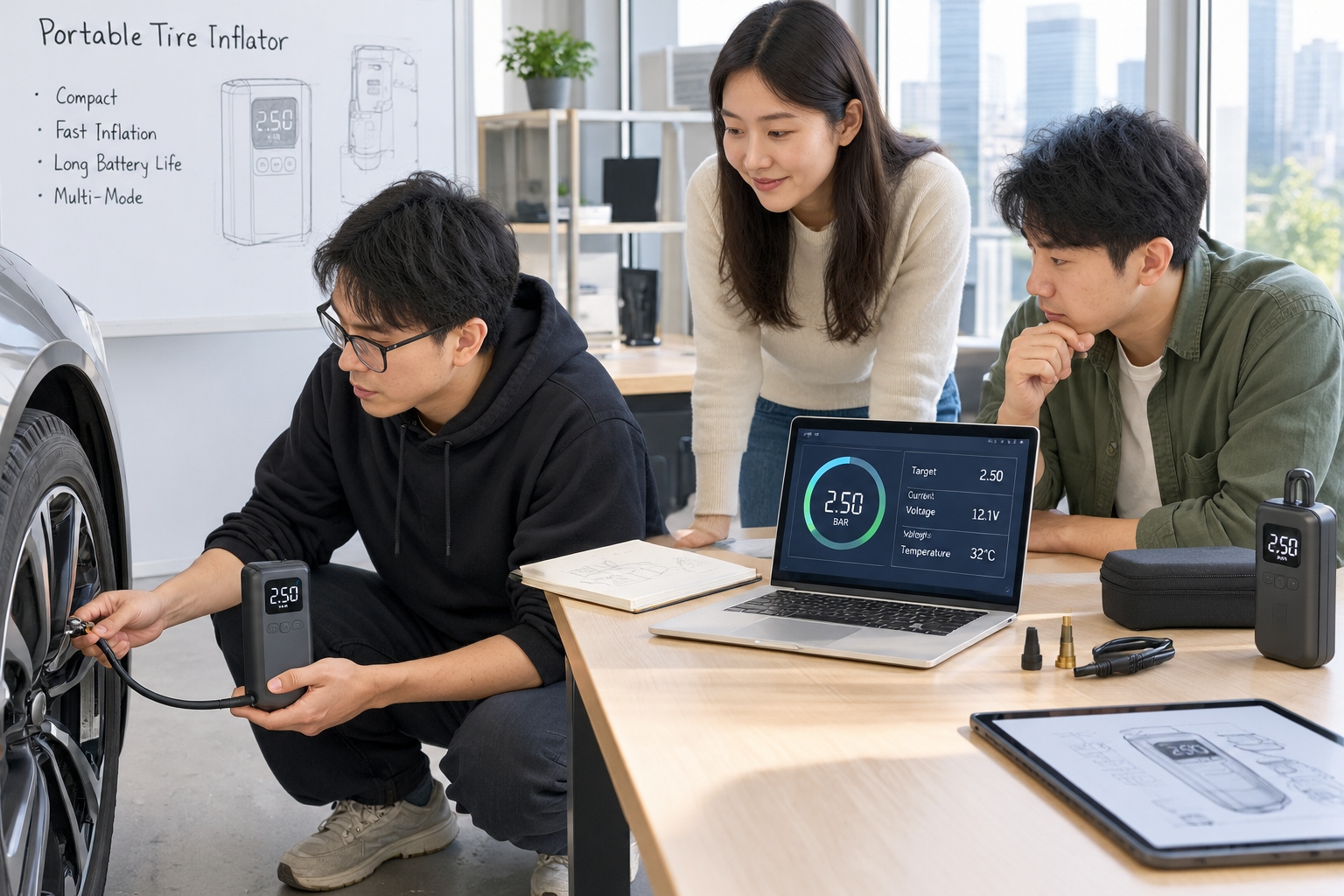
Perhaps no product illustrates this trend better than the portable tire inflator. Ten years ago, most Chinese drivers relied on gas stations or repair shops to check tire pressure. Today, a small, battery-powered inflator is a common glovebox item. The market leader is a Shenzhen-based startup called AirPal. Founded in 2016 by two engineers, AirPal initially made inflators for bicycles. When they noticed that road trippers were buying them for cars, they pivoted.
Their key innovation was not the pump itself but the user experience: a digital display, preset pressure, and auto-stop. They also built a network of 2,000 service points where drivers can get free air checks. By 2024, AirPal had sold over 5 million units, with 30% of sales coming from repeat customers. The company now exports to Southeast Asia and Europe. “We didn’t invent the tire inflator,” says co-founder Chen Hao. “We just made it something you don’t have to think about.”
Global Parallels: What China’s Road Trip Boom Shares with the West
For readers in the US or Europe, this story may feel familiar. The American road trip culture of the 1950s and 60s spawned motels, diners, and auto parts stores. In Europe, the caravan and camping market has long supported a ecosystem of accessories. China is now experiencing a similar wave, but at a faster pace and with a digital-first twist.
What’s different is the scale and speed. China added 34 million new drivers in 2023 alone. Domestic tourism is booming, and the government has invested heavily in highway infrastructure—over 180,000 kilometers of expressways, the world’s largest network. This creates a vast, addressable market for aftermarket products and services. For global brands, it’s a chance to partner or compete. For local entrepreneurs, it’s a blue ocean.
Conclusion: The Road Ahead
The rise of road trips in China is more than a travel trend. It reflects a broader consumer evolution: from buying basics to seeking experiences, from relying on institutions to solving problems oneself. The hidden champions of the auto aftermarket—whether a tire inflator startup or a roadside repair shop—are not just selling products. They are enabling a new kind of freedom on the road. And as Chinese drivers continue to explore their vast country, these small businesses will keep innovating, often unnoticed by the wider world.
Start the discussion at forum.chinacomes.com