

Introduction: A Quiet Revival
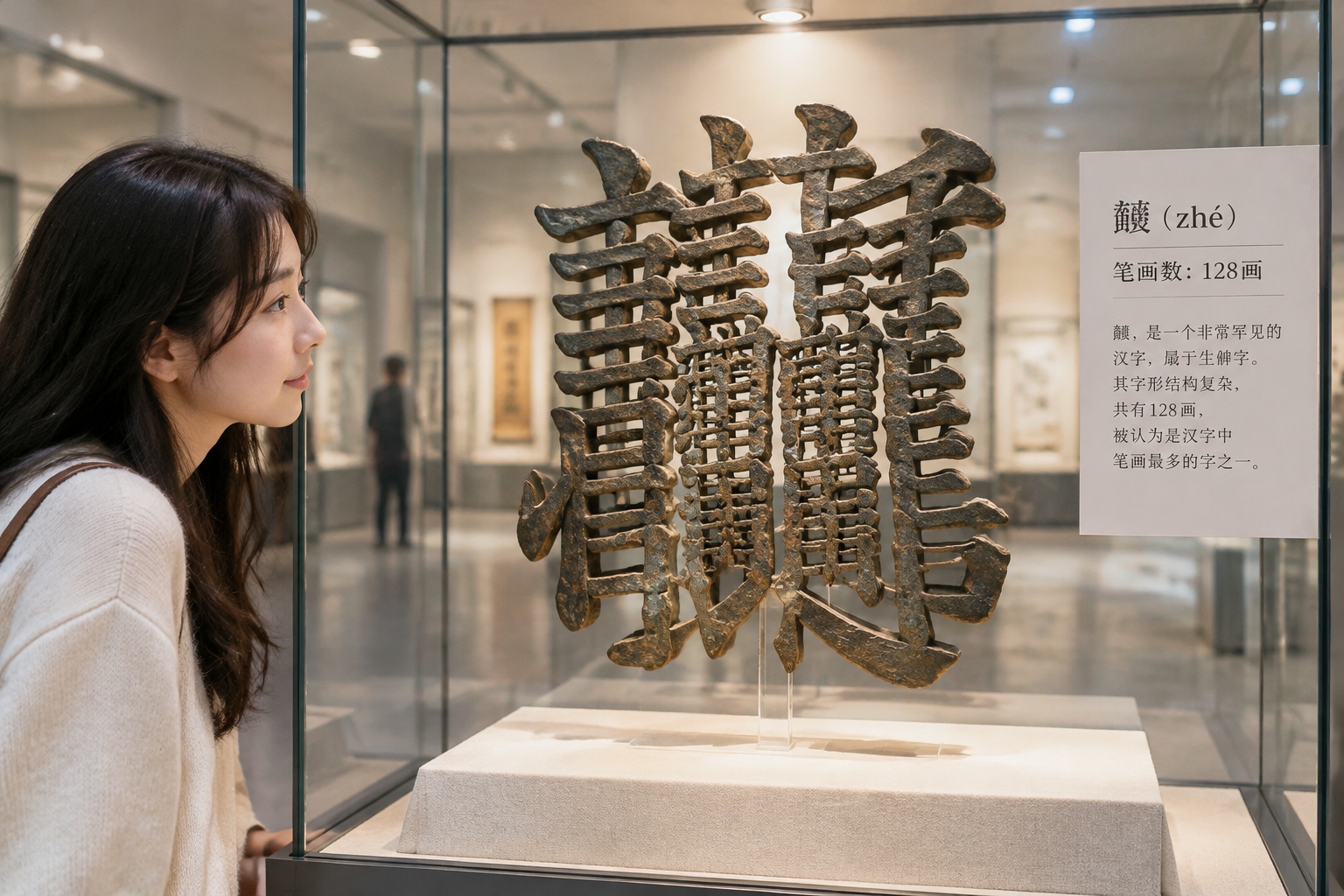
In the dimly lit hall of the Hangzhou Hanzi Museum, a young woman stops in front of a glass case. Inside lies a character that looks like a tangle of strokes—’𪚥’ (zhé), meaning ‘many dragons’ or ‘talkative.’ She pulls out her phone, snaps a photo, and later posts it on Xiaohongshu with the caption: ‘This character has 128 strokes. I dare you to write it.’ Her post gets thousands of likes. Two floors up, in the museum’s gift shop, a bookmark featuring that very character is being bought by a middle-school student.
This is the story of how forgotten ancient Chinese characters—living fossils in the world’s oldest writing system—are being resurrected not in textbooks, but on mugs, T-shirts, and phone cases. It’s a quiet revolution driven by designers, consumers, and a digital generation that treats cultural heritage as a canvas for creativity.
What Are ‘Forgotten Characters’?
China’s writing system contains over 50,000 characters, but most people today use only 3,000 to 4,000. The rest—obscure, complex, or archaic—have largely fallen out of use. Examples include ‘𪚥’ (128 strokes, meaning verbose or many dragons), ‘龘’ (dá, the way dragons fly), and ‘猋’ (biāo, three dogs running, meaning ‘swift’). These characters were once part of classical texts, but modern literacy has no room for them.
Yet they survive in dictionaries and, more recently, in the imaginations of cultural product designers. For them, these characters are typographic goldmines: visually striking, deeply symbolic, and full of stories waiting to be told.
Designing with Ancient Strokes
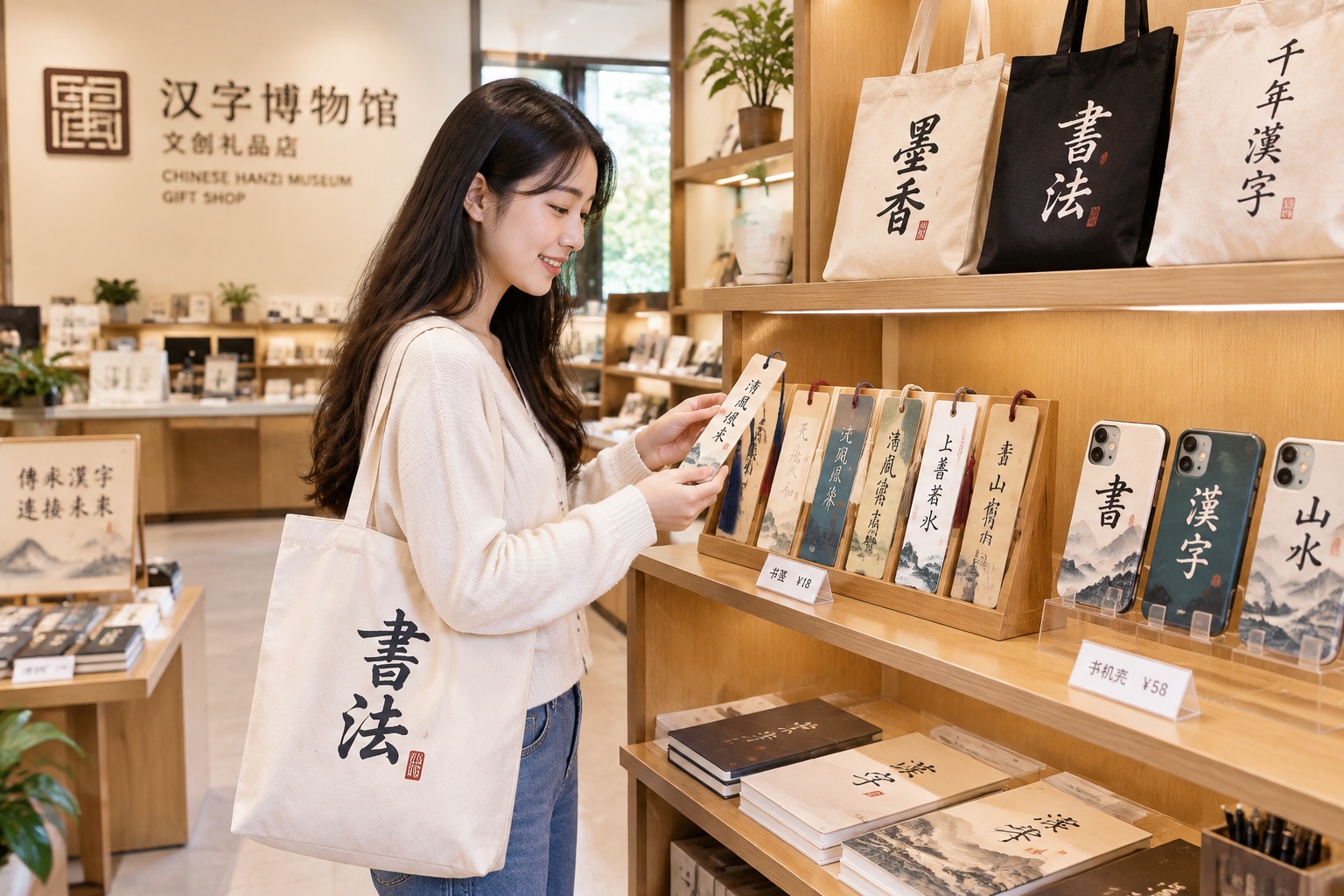
Walking through the Hanzi Museum’s shop, you see the results: a ‘獬豸’ (xièzhì, a mythical justice beast) bookmark rendered in minimalist ink strokes; a ‘饕餮’ (tāotiè, a gluttonous mythological creature) reusable bag with its mouth motif turned into a modern pattern; a ‘囍’ (double happiness) keychain, but using the ancient seal script form. Each item bridges thousands of years.
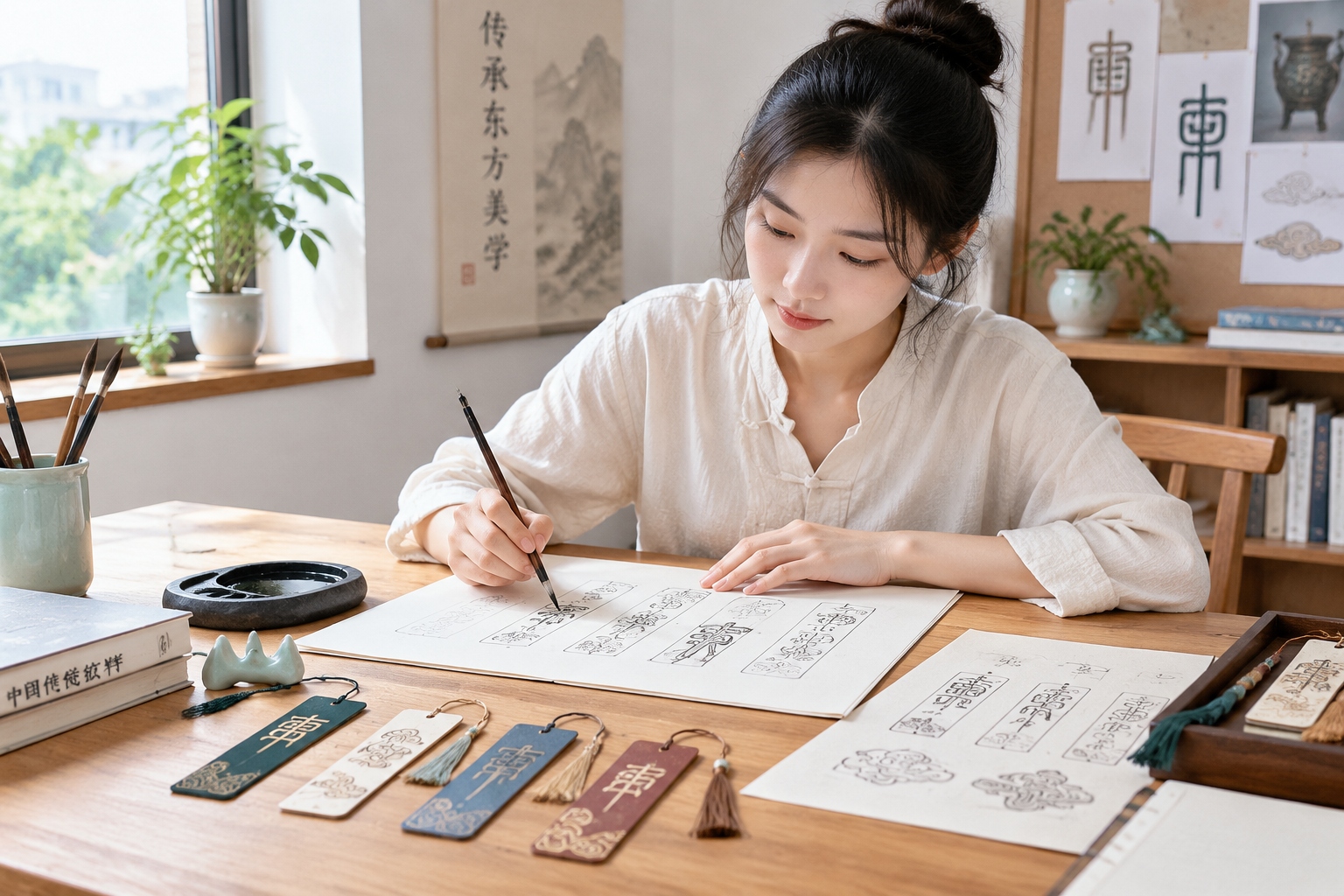
Li Wei, a 29-year-old designer from Beijing, explains the process: ‘I start by researching the character’s original meaning and shape. Then I ask: How can this be worn, carried, or used in daily life? The character has to feel natural, not forced.’ For the ‘𪚥’ bookmark, Li simplified the strokes into a flowing dragon silhouette that curls around the bookmark’s edge. ‘I wanted people to feel the weight of history, but also the lightness of a bookmark.’
Case Study: The ‘Xiezhi’ Bookmark
One of the most popular items is the ‘獬豸’ bookmark. In ancient mythology, xiezhi is a single-horned creature that can distinguish right from wrong. Designed by studio ‘Cang Jie’s Descendants,’ the bookmark is made of brass with a matte finish. The character is engraved in seal script, with the horn subtly curved into the shape of a reading lamp. ‘We wanted a product that embodies justice and knowledge,’ says studio lead Chen Lu. ‘Law students and professors buy it as a gift.’ The bookmark retails for 68 RMB (about $10) and sells out every month.
Young Consumers: From E-commerce to Social Sharing
At the museum cafe, a university student named Zhang Yi shows me her phone case: it reads ‘猋’ in white on black. ‘I saw it on Douyin and thought it looked cool,’ she says. ‘Then I looked up the meaning—swift like three dogs running. I run track, so it fits.’ Zhang Yi’s story is common: young consumers discover these characters through short videos, buy products on Taobao, and then share their purchases on social media, creating a virtuous cycle of interest.
A 2023 report by JD.com showed that sales of cultural products featuring rare characters increased by 240% year-on-year, with buyers aged 18–30 accounting for 67% of the total. Instagram and TikTok users post unboxings, often explaining the character’s origin to their followers. ‘It’s like wearing a conversation starter,’ says one user.

Deeper Meaning: Tradition Reborn for a Digital Age
This trend is not just about nostalgia or retro chic. It represents a deeper shift: young Chinese are reclaiming their cultural heritage on their own terms. Instead of rote memorization in school, they encounter Hanzi through design, play, and daily use. The rise of the ‘guochao’ (national trend) movement has fused traditional elements with modern aesthetics, and ancient characters are its latest frontier.
For overseas readers, this offers a fresh lens on China: a generation using creativity to keep a 3,000-year-old writing system alive. The characters are not dead—they are being redrawn, reimagined, and reintroduced to a global audience through the most universal language: design.
Conclusion
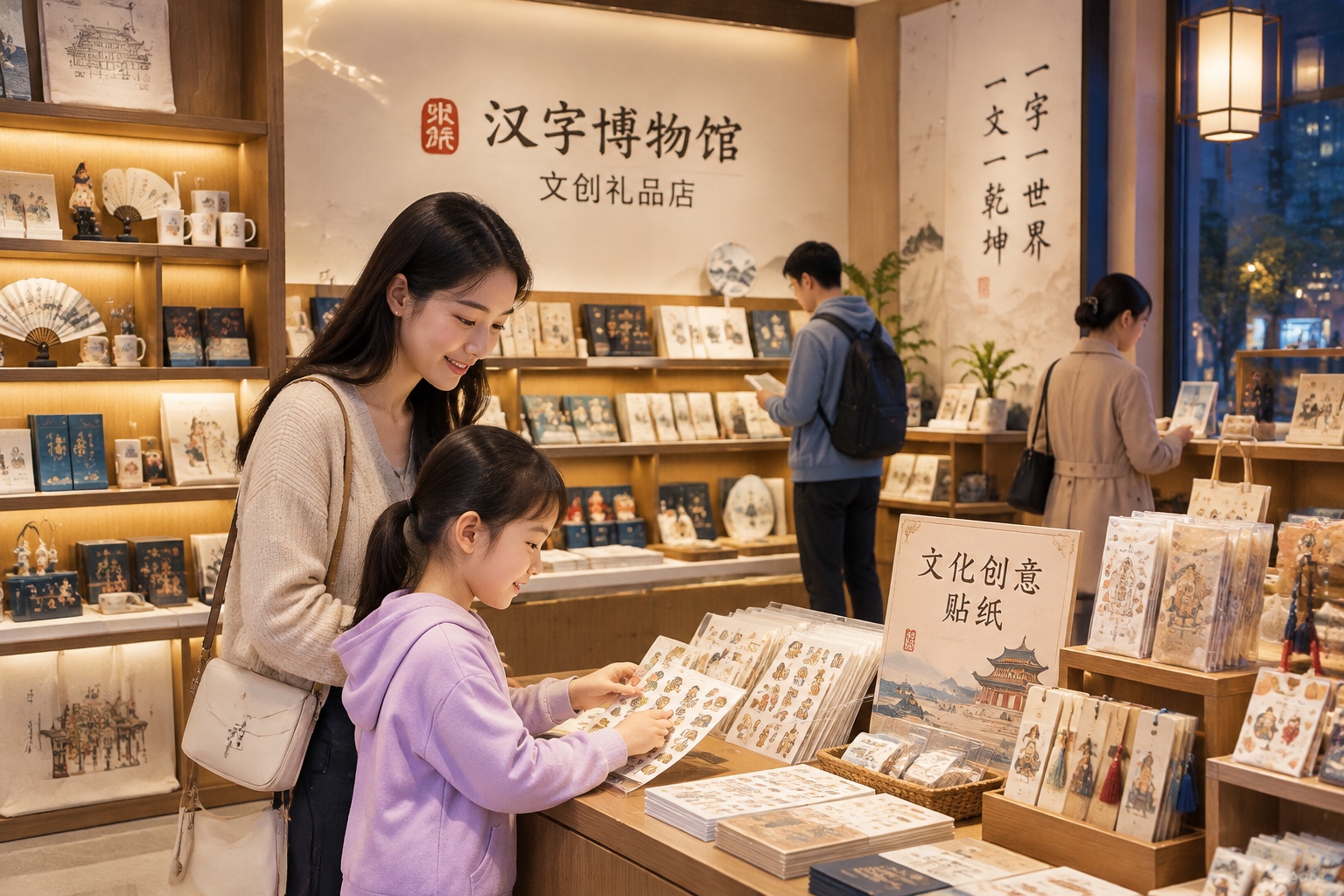
Back in the Hanzi Museum gift shop, a father explains to his daughter that ‘𪚥’ means ‘many dragons talking.’ She giggles and picks up a sticker sheet. Outside, the neon lights of Hangzhou flicker on. In a world of emojis and abbreviations, these ancient glyphs are carving out a new space—not as relics, but as living symbols of a culture that refuses to be forgotten.
Start the discussion at forum.chinacomes.com