


The Invisible Price of Visibility
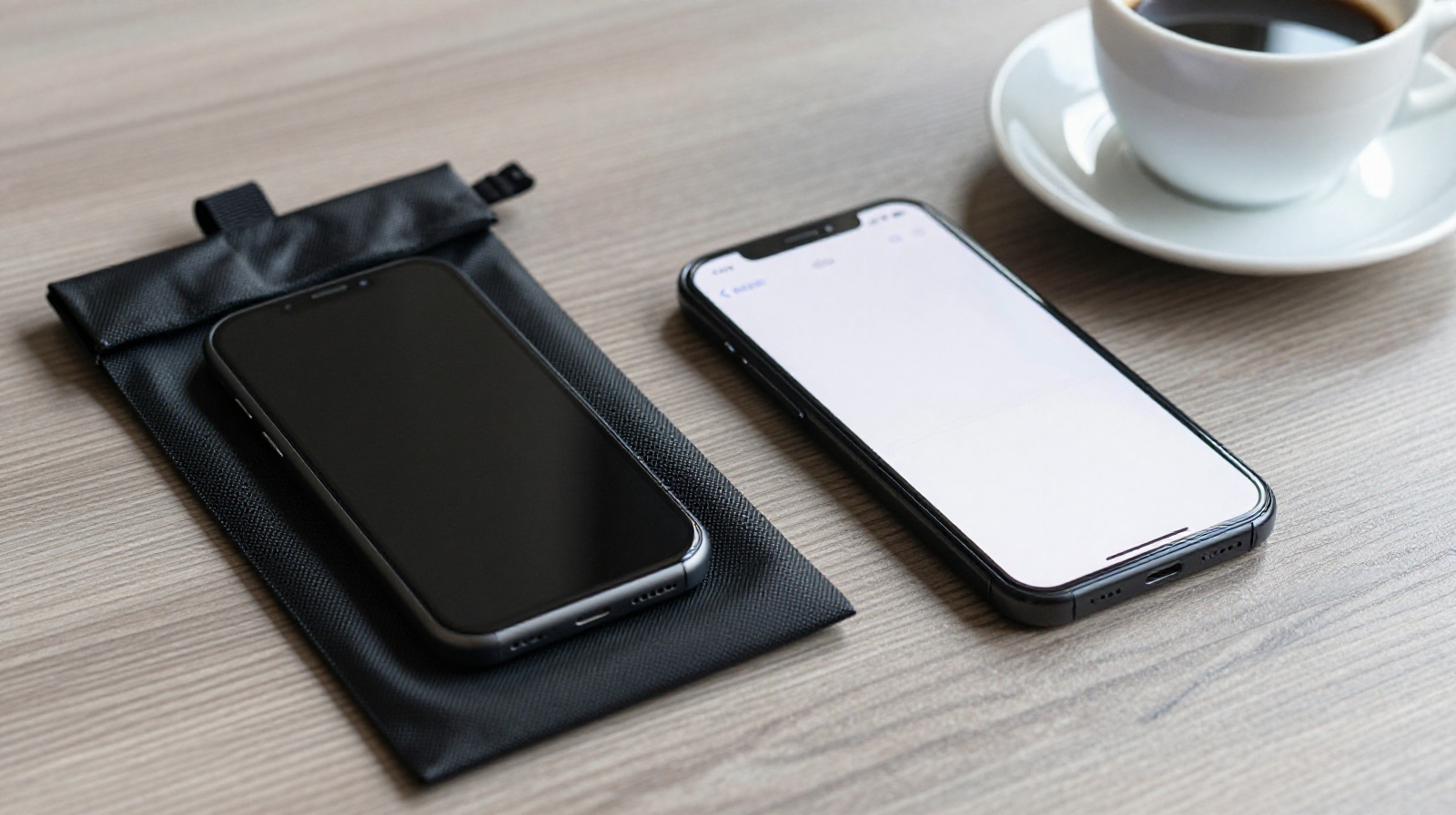
Li Wei, a partner at a Shanghai-based venture capital firm, starts his day not with an email, but with a routine that feels more like a security protocol than a morning coffee ritual. Before unlocking his primary smartphone, he checks a separate, older Android device running a stripped-down operating system. This “burner” phone handles all public-facing communications. His main iPhone, locked in a Faraday bag during transit, holds his private contacts and financial data. This isn’t paranoia; it’s standard procedure for China’s upper management class.
In today’s hyper-connected China, where super-apps track everything from your subway rides to your dinner orders, privacy has become a scarce resource. For the general public, convenience often trumps security. For executives, high-net-worth individuals (HNWIs), and state-owned enterprise leaders, the calculus is different. A leaked phone number can mean spam calls; for them, it can mean targeted phishing attacks, corporate espionage, or even physical safety risks. As digital footprints grow, controlling one’s visibility has become a marker of elite status.
Counter-Intuitive Habits of the Elite
What does digital hygiene look like for those who cannot afford to be hacked? The methods are often counter-intuitive to the tech-savvy youth who believe in constant cloud synchronization.

1. The Death of WeChat for Sensitive Talks
While WeChat is the lifeblood of Chinese business, used by over 1.3 billion people for everything from ordering groceries to signing contracts, elite users treat it with caution for high-stakes conversations. Instead, they turn to Signal or Telegram, or even older, less convenient tools like encrypted email clients. The logic is simple: WeChat’s servers are monitored and accessible under Chinese law. For discussing sensitive mergers, labor disputes, or political nuances, the risk of data retention is too high. These elites often use “burner” accounts for work-related networking, keeping their personal identities separate from their professional footprint.
2. Physical Isolation and Air-Gapping
In Beijing’s Zhongguancun tech hubs, it is not uncommon to find executives who own two distinct digital lives. One device is fully connected to the internet, used for news, social media, and logistics. The other, often a laptop or phone, is “air-gapped”—never connected to Wi-Fi or cellular networks unless explicitly paired via secure, encrypted channels. This practice, known as physical isolation, prevents remote hacking through network vulnerabilities. For many Chinese entrepreneurs, this isn’t just about protecting bank accounts; it’s about safeguarding intellectual property in a fiercely competitive market.
3. Digital Detox as a Power Move
In an era where being “always on” is seen as a virtue, elites are increasingly practicing digital detox. This isn’t just for mental health; it’s a security measure. By disconnecting from the grid for 24–48 hours weekly, they reduce the attack surface. They avoid logging into sensitive accounts from public Wi-Fi in cafes or co-working spaces, knowing that such networks are prime targets for man-in-the-middle attacks. This discipline creates a buffer between their personal identity and the digital noise.
Privacy as the Ultimate Luxury
Why is this level of security so rare? Because it costs money, time, and inconvenience. For the average Chinese worker, spending 30 minutes setting up two-factor authentication (2FA) across five different banking apps is a chore. For an executive, it is an investment. The cost of a data breach for a mid-sized company in China can range from hundreds of thousands to millions of RMB, not to mention the reputational damage.

Moreover, privacy is becoming a status symbol. In a society where personal data is often commodified by platforms, the ability to say “no” to data collection is a privilege. It signals that you are not just another user to be mined for ads, but an individual with agency. This shift is visible in the growing demand for premium cybersecurity services in China’s Tier-1 cities. Firms now offer “digital bodyguard” services, including phishing simulation training for executives and secure travel protocols.
Bridging the Gap: Lessons for Everyone
You don’t need to be a CEO to adopt these habits. The principles of elite digital security are scalable. Here are three practical steps anyone can take:
- Separate Your Identities: Use a secondary email address or phone number for public registrations and online shopping. Keep your primary identity reserved for banking and critical communications.
- Embrace Encryption: Switch to encrypted messaging apps like Signal for personal chats. Enable end-to-end encryption wherever possible in cloud storage services.
- Practice Digital Minimalism: Regularly audit your app permissions. Revoke access for apps that don’t need your location, contacts, or camera. Less data shared means less risk.
In China’s rapidly digitizing landscape, security is no longer optional. It is a fundamental skill. By learning from the habits of those who can afford to protect their privacy, we can all build a more resilient digital life.