
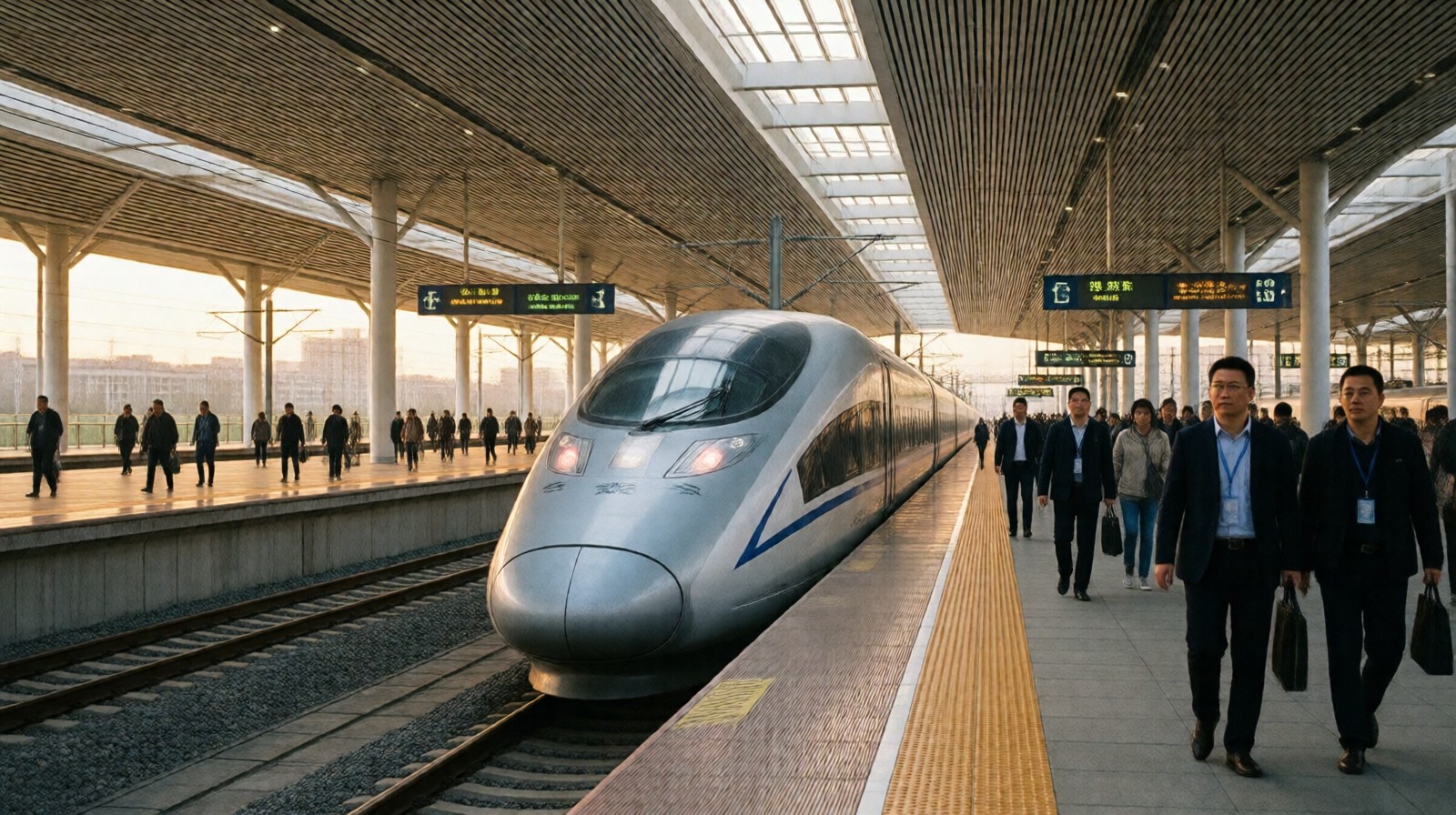

The 6:30 Alarm in Suzhou
The alarm goes off at 6:30 a.m. in a small apartment in Suzhou’s工业园区 (Industrial Park). Li Wei, a 30-year-old marketing manager, dresses quickly in the dim light. He lives here with his wife in a two-bedroom unit that costs 4,500 yuan ($620) a month—half of what they would pay for a similar place in Shanghai. By 7:00, he is walking to Suzhou Railway Station, joining a stream of other commuters in suits and sneakers.
Boarding the 7:22 G-Train
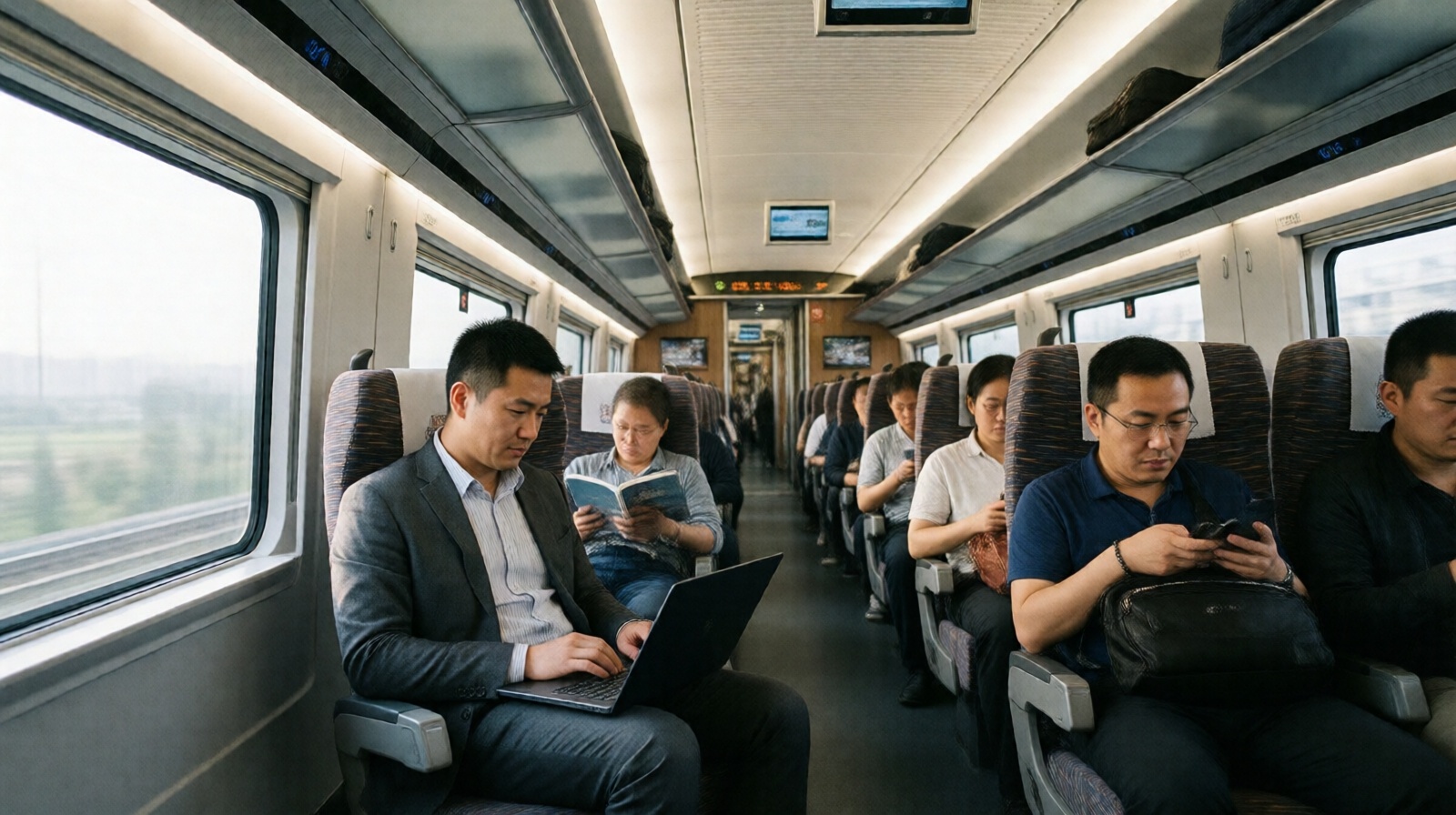
Li Wei taps his ID card at the turnstile—no paper ticket needed. The train departs at 7:22 a.m. He settles into seat 6A, pulls out his laptop, and starts reviewing emails. The carriage is quiet: some people nap, others read or type. The 30-minute ride to Shanghai Hongqiao costs him 39.5 yuan ($5.40) one way. With a monthly pass, his total transport cost is about 1,800 yuan ($250), including subway transfers.
The high-speed rail has made this lifestyle routine. Before the network expanded, only a few executives could afford the commute. Now, tens of thousands of professionals like Li Wei do it daily.
Arriving in Shanghai at 8:00
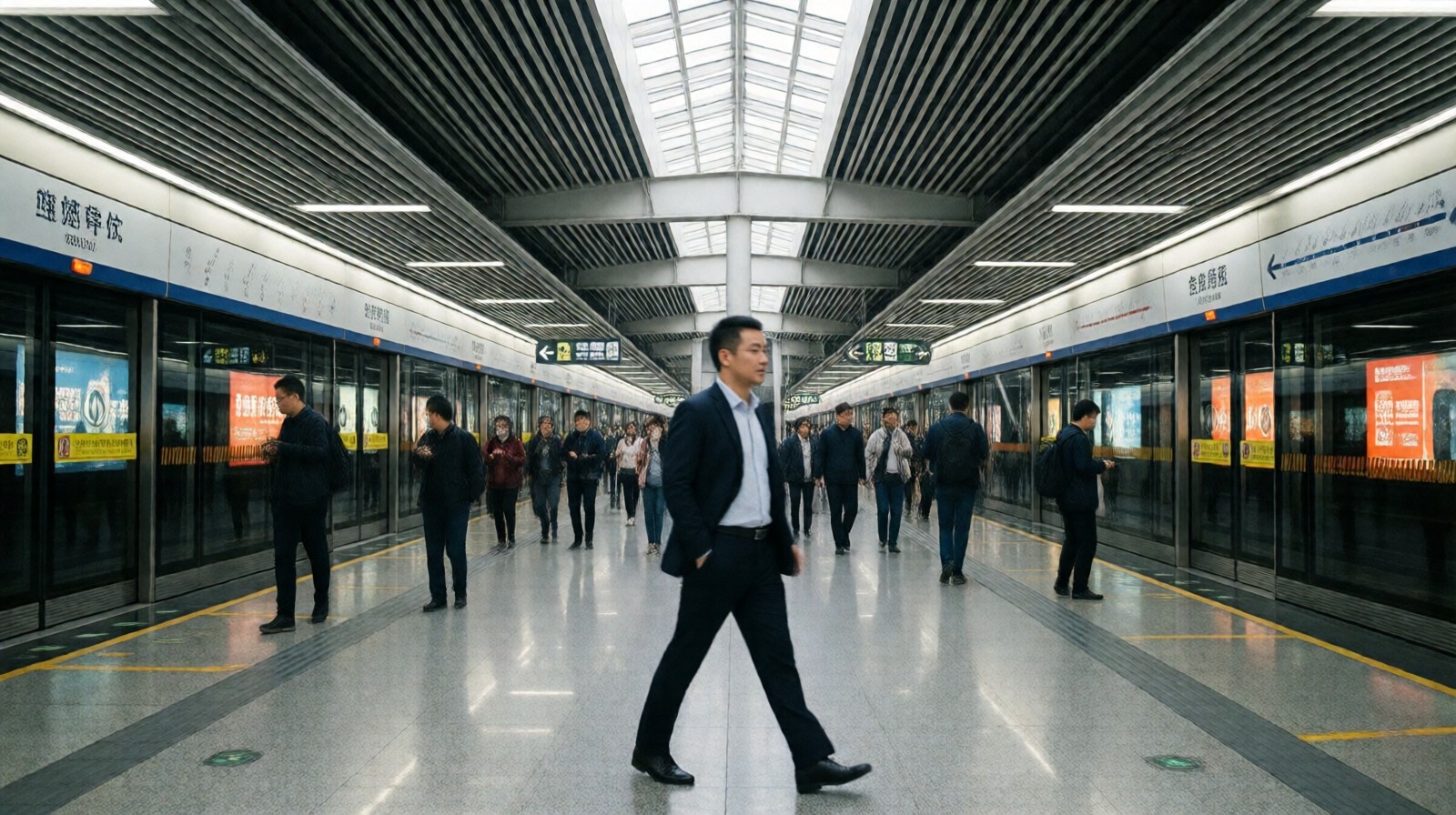
The train slides into Hongqiao station at exactly 8:00 a.m. Li Wei rushes through the concourse, down the escalator to Metro Line 2. After a 20-minute subway ride (6 yuan), he emerges at Lujiazui, Shanghai’s financial district. He grabs a coffee and a steamed bun from a convenience store, and reaches his office on the 28th floor by 8:45. Time spent? 2 hours and 15 minutes door to door. Many of his colleagues in Shanghai spend nearly as long commuting within the city itself.
Life Between Two Cities
Why do people choose this cross-city life? For Li Wei, it’s about space and savings. A 100-square-meter apartment in Suzhou costs around 3 million yuan ($415,000)—a price that could only buy a 50-square-meter flat in Shanghai’s outer suburbs. The trade-off is time: Li Wei leaves home at 7:00 and returns at 8:30 p.m., exhausted. He sees his wife for only two hours each weeknight.
But the high-speed rail network is reshaping identity. Li Wei says, ‘I feel both Suzhou and Shanghai are my cities. On weekends, I cycle around Suzhou’s old town; on weekdays, I eat lunch at a rooftop restaurant in Pudong.’ The train blurs boundaries, making the Yangtze River Delta feel like one megacity.
The Social Fabric of Commuting
Platforms like WeChat host groups for Suzhou-Shanghai commuters, where they share tips: which train car is less crowded, how to apply for a monthly pass, or where to find the best baozi near Hongqiao. The commuter culture is pragmatic and resilient. Some read financial news; others play mobile games to decompress.
The cost of time is real. Li Wei admits he sometimes falls asleep on the way home, missing his stop. But for now, the math works—better housing, quieter evenings in Suzhou, and a Shanghai salary. ‘I’m not a hero, just someone who figured out how to make two cities work for me,’ he says.
Conclusion: Redefining Boundaries
China’s high-speed rail, now spanning over 40,000 kilometers (25,000 miles), is not just a transportation marvel—it’s rewriting the geography of daily life. For Li Wei and countless others, the train is a bridge between career and comfort, between ambition and family. Living in Suzhou, working in Shanghai is no longer an exception; it’s a new normal for a generation that values both opportunity and quality of life.