


The Unofficial Mayor of Lane 42
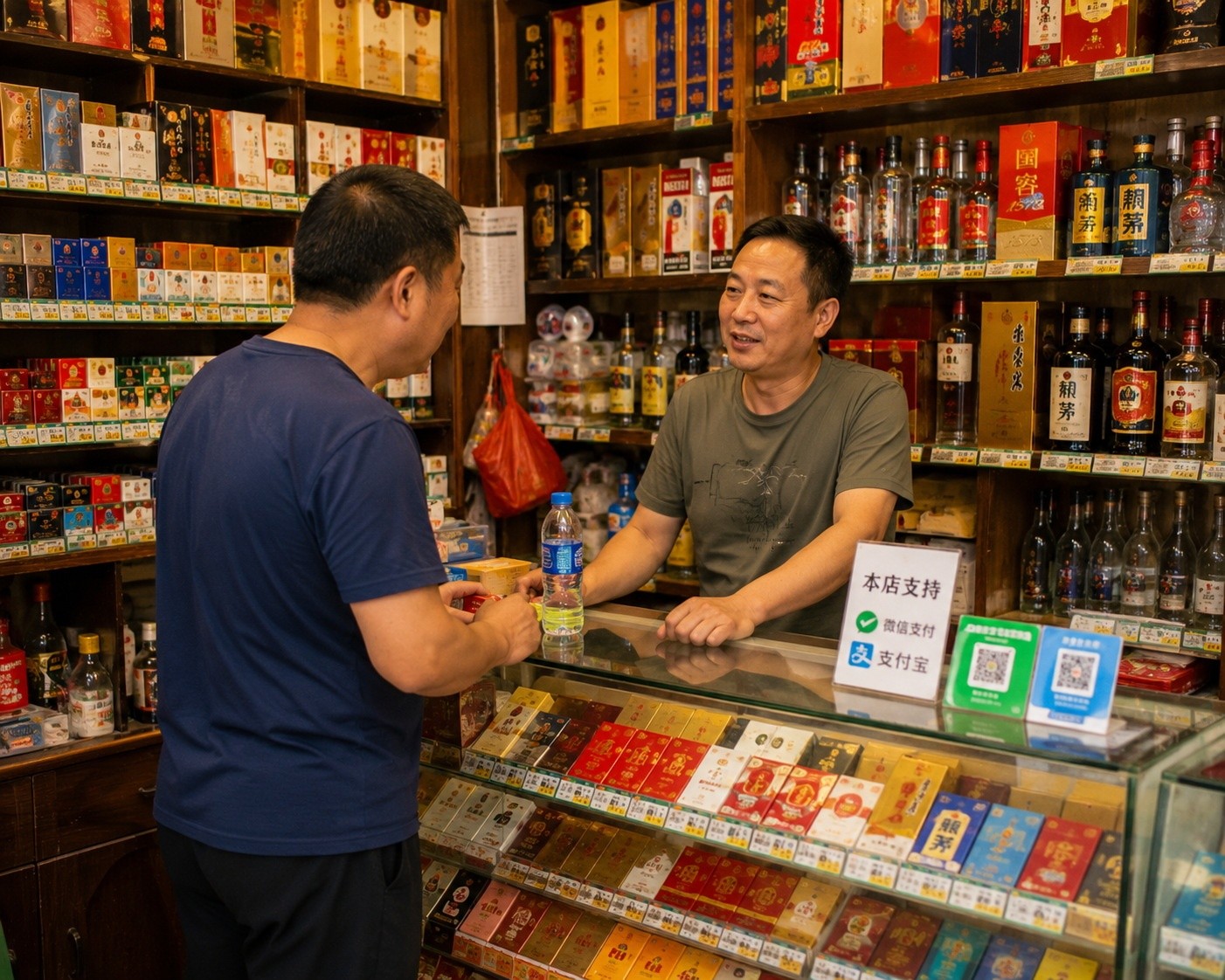
Walk into any typical residential compound in a second-tier Chinese city, and you will likely spot it: a cramped, brightly lit storefront squeezed between a convenience store and a barber shop. The sign above the door is faded, reading “Tobacco & Liquor” in bold red characters. Inside, the air is thick with the smell of roasted tea leaves and stale smoke. This is where Uncle Li sits on a plastic stool, sipping strong Tieguanyin tea from a thermos.
Uncle Li’s shop is only 15 square meters. But if you need to know which family in Building 3 is renovating their kitchen, which young couple is expecting a baby, or where the best local dumplings are served, Uncle Li knows. He doesn’t use social media algorithms to track this information. He uses his ears, his tea table, and a lifetime of living next door.

More Than Just Transactions
To an outsider, the business model might seem outdated. Why sell expensive cigarettes when e-commerce offers better prices? The answer lies in the concept of “social currency.” In Chinese culture, giving a carton of premium cigarettes or a bottle of Baijiu is not just a purchase; it’s a ritual of building relationships, or guanxi.
The shop acts as a neutral ground. Neighbors who might never speak in the elevator stop here to buy a pack of snacks or a bottle of water. While waiting for change or exchanging greetings, they share updates. A new job, a school enrollment issue, or a complaint about property management—all flow through this small counter. It is an organic, face-to-face information exchange network that digital platforms cannot replicate.
The Trust Network in Action
This informal network plays a crucial role in community governance. When there is a power outage or a water pipe leak, messages spread faster through these shops than through official WeChat groups. Residents trust Uncle Li’s word because he has been there for twenty years. He remembers everyone’s name and their children’s grades.
Moreover, the shop often serves as a de facto community service center. Need to borrow an umbrella? Ask Uncle Li. Want to know if the local clinic is open today? He knows. In a rapidly urbanizing society where neighbors might not know each other’s last names, this shop provides a rare sense of continuity and belonging.

Survival in the Age of E-Commerce
Of course, this traditional model faces challenges. Online delivery apps offer cigarettes and alcohol with 30-minute precision. Younger generations prefer the anonymity of online shopping. So, how does Uncle Li survive?
Adaptability is key. Most modern “Tobacco & Liquor” shops have transformed into multi-service hubs. They now act as pickup points for the massive express delivery industry. In China, millions of packages are delivered to these local shops daily. Customers come not just for tea and gossip, but to collect their online orders. This foot traffic keeps the shop alive.
Some owners even offer parcel-stamping services or help elderly residents order groceries online. By embedding themselves into the digital ecosystem while maintaining their physical presence, they have turned a potential threat into a new revenue stream.
The Warmth of an “Acquaintance Society”
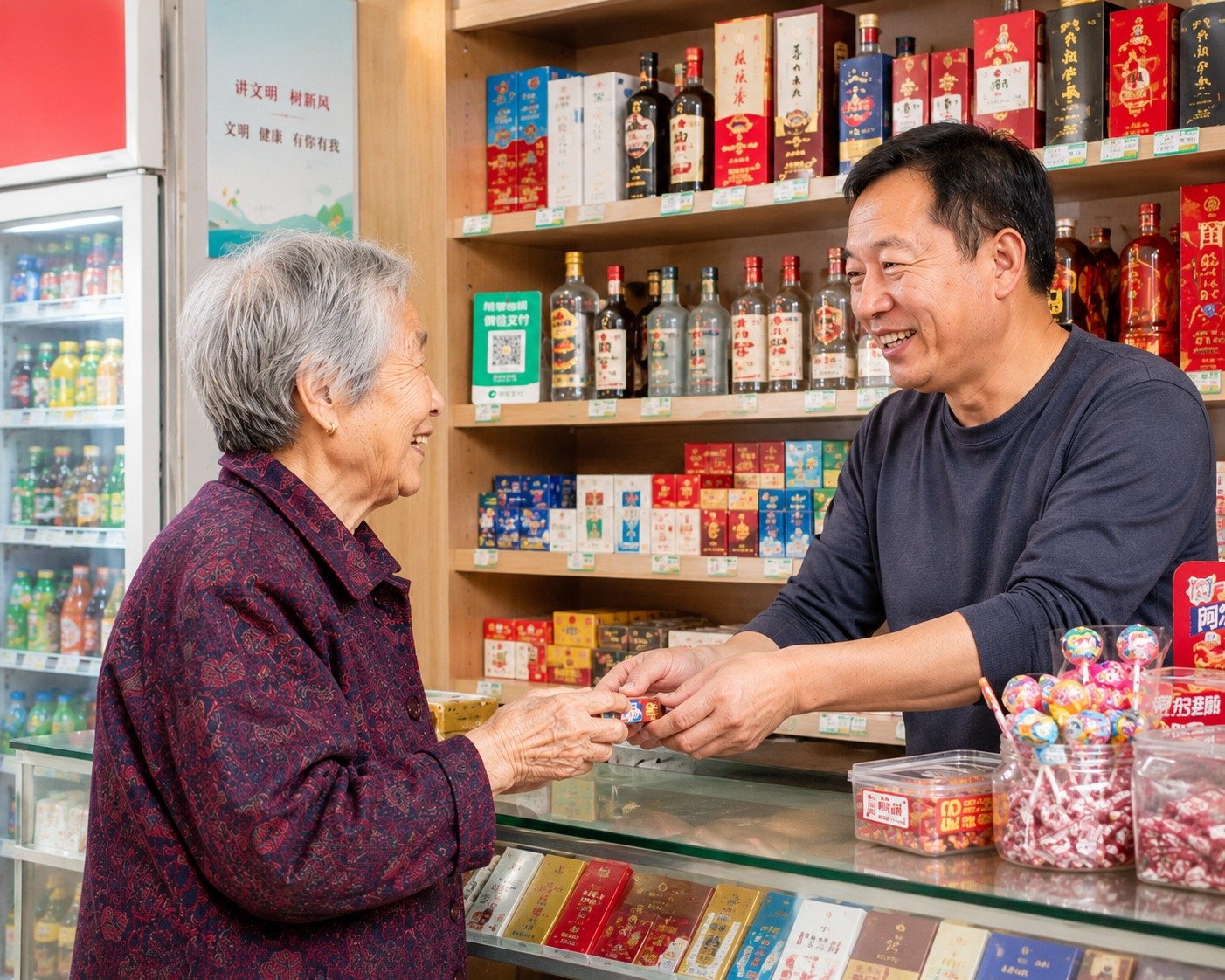
There is a complexity to this “acquaintance society.” Privacy can feel scarce when everyone knows your business. But there is also profound warmth. When Mrs. Wang, an elderly widow, fell ill last winter, it was Uncle Li who noticed her lights were off for two days. He called her son immediately. In many Western contexts, this might be seen as intrusive. Here, it is seen as neighborly duty.
As Chinese cities continue to modernize, with glass skyscrapers and smart home systems replacing old alleyways, the spirit of these corner shops remains. They are the capillaries of social life, pumping trust and connection into the concrete veins of the modern city. For anyone wanting to understand the real pulse of a Chinese neighborhood, don’t look at the app store. Look for the red sign on the corner, and go in for a bottle of water.