


The Quiet Shift in Shenzhen’s Co-working Spaces
Walk through the co-working spaces in Shenzhen or Beijing’s Zhongguancun on a Tuesday morning, and you might not notice anything different at first glance. You’ll still see young developers hunched over mechanical keyboards, fueled by iced Americanos. But if you listen closely to the conversations in the break rooms, the vocabulary has changed.
Five years ago, the dominant question was: How fast can we scale? Today, a frequent follow-up is: What is our carbon footprint? or Is this supply chain ethical?
This isn’t just corporate jargon trickling down from multinational headquarters. This is a genuine shift among China’s indigenous tech founders. For the post-90s and post-00s generation, sustainability is not a compliance burden; it is a design principle.

From “Growth First” to “Moral Baseline”
To understand this shift, we have to look at the economic context. China’s era of explosive, unregulated growth is transitioning into a phase of high-quality development. For the older generation of entrepreneurs, the priority was survival and market share. “Get big first, worry about green later,” was the unwritten rule.
But for the new guard, the rules have changed. They grew up in a China that is acutely aware of air quality, digital privacy, and social inequality. Their consumer base—Gen Z—is vocal about these issues. A brand that ignores ESG risks not just regulatory fines, but irrelevance.
Li Wei, a founder of a smart home appliance startup in Hangzhou, puts it simply: “My customers don’t want to choose between a good product and a good conscience. If I build a smart speaker that consumes too much energy, it’s not innovation; it’s laziness.”
This mindset reflects a broader cultural change. In China, social responsibility is increasingly seen as a marker of quality and prestige. Being “green” is no longer about charity; it’s about competence.
ESG in the Product: More Than Just Paperwork
So, what does this look like on the ground? It’s not just about publishing annual sustainability reports. It’s embedded in the hardware and software.
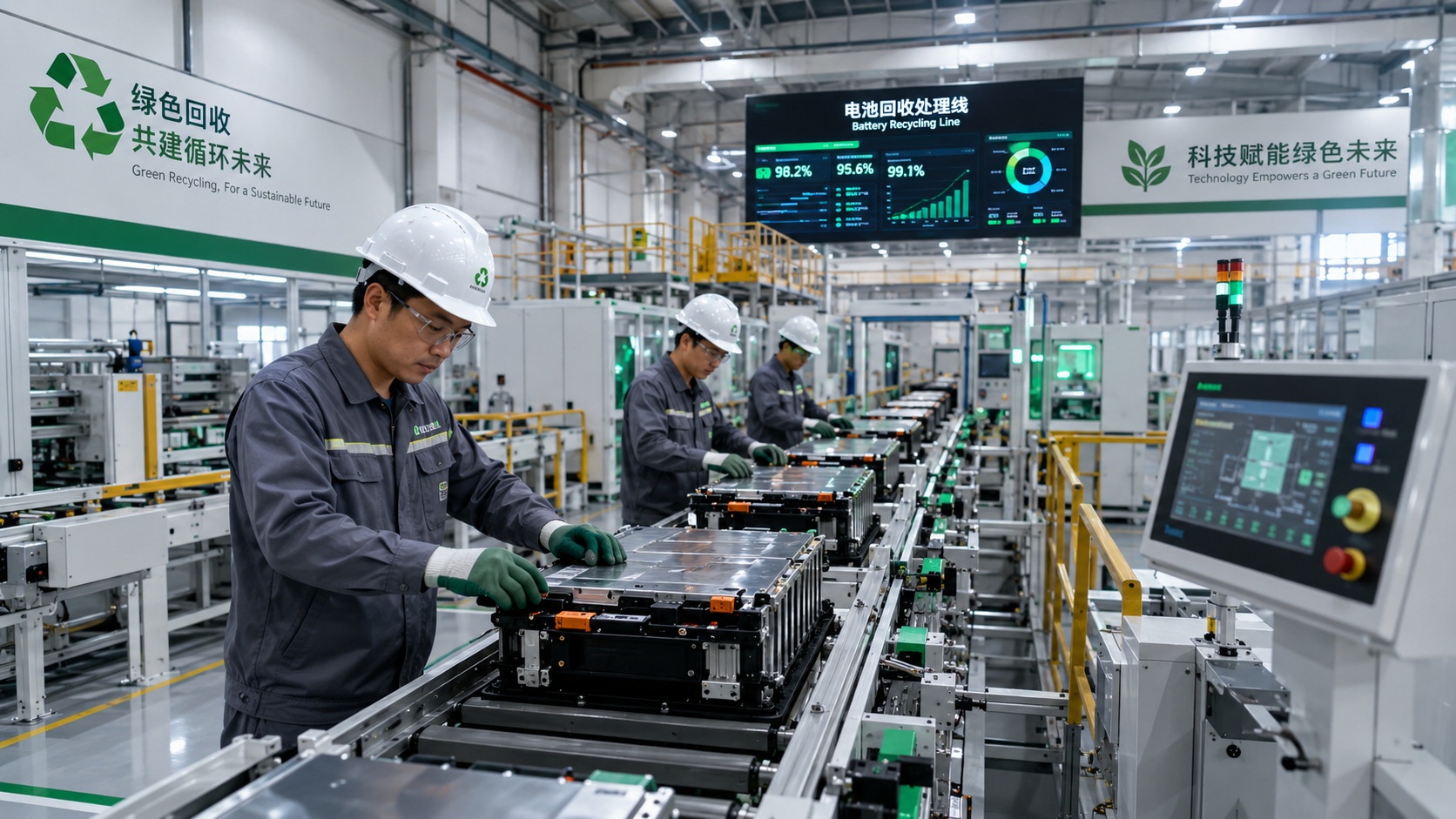
Take the electric vehicle (EV) sector, where China is a global leader. Companies like BYD or Nio are racing to create closed-loop battery recycling systems. They aren’t doing this solely for compliance; they are securing their raw material supply chain and reducing long-term costs.
Even in the digital realm, the impact is tangible. Tech giants are optimizing algorithms to reduce data center energy consumption. Some e-commerce platforms now default to “green packaging”—using less plastic and more recycled materials—because consumers are increasingly opting out of excessive wrapping at checkout. When you buy a phone online in Shanghai today, it might arrive in a box made from agricultural waste rather than styrofoam.
Startups are also leveraging technology for social good. Agricultural tech firms are using AI to optimize irrigation in water-scarce regions, helping farmers save resources while increasing yields. This is ESG with a pulse—it solves real human problems while protecting the environment.
The Market Rewards “Good”
Is this just idealism? The market says otherwise. Investors are increasingly demanding ESG transparency. Global funds looking at Chinese tech assets want to know that their money isn’t funding environmental disasters or labor disputes.
Domestically, the trend is equally strong. Young consumers are willing to pay a premium for brands that align with their values. A study by a major Chinese consulting firm showed that over 60% of young shoppers prefer brands with clear sustainability commitments. This has created a new competitive moat: ethical branding.

Sustainability as the New Luxury
Here is the twist: Sustainability is becoming the ultimate luxury. In a world of mass production and fast fashion, an item that is durable, ethically sourced, and environmentally friendly carries a different kind of status. It signals that the owner values longevity over disposability.
For tech founders, this is a powerful narrative. They are no longer just selling gadgets; they are selling a vision of a cleaner, fairer future. This is the “new luxury”—not gold or exotic travel, but peace of mind and moral clarity.
As China’s tech industry matures, its global image is shifting from “factory of the world” to “lab of innovation.” But this new image is rooted in responsibility. The founders driving this change believe that true success isn’t just about market cap; it’s about leaving a legacy that doesn’t harm the planet.
When you next buy a product from a Chinese tech brand, look at the materials, check the packaging, and consider the energy behind the code. You might find that the most luxurious feature isn’t the screen resolution—it’s the conscience behind the creation.