

Morning Light, RV, and a Pot of Porridge
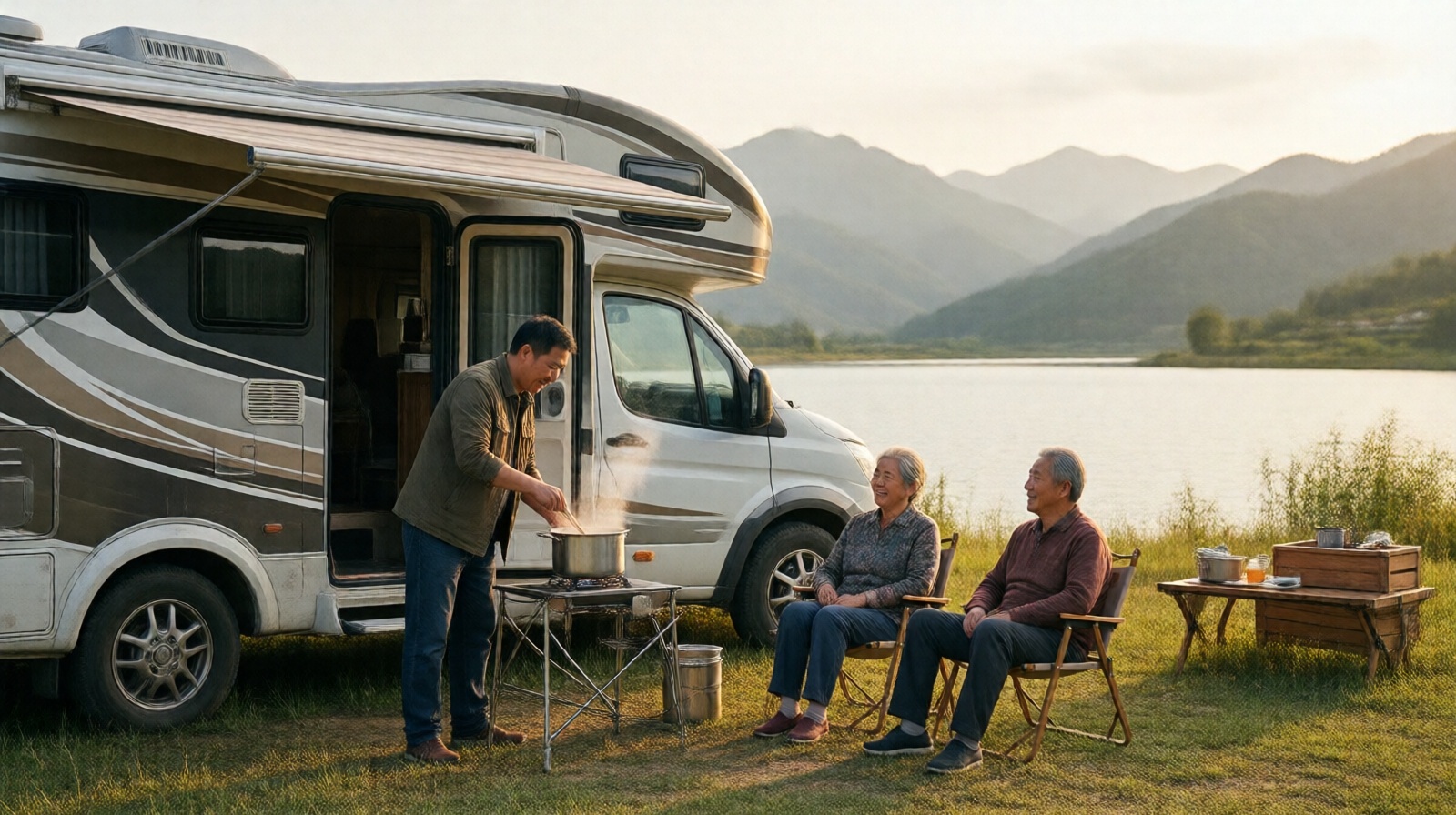
The sun has just cleared the hills outside Dali, Yunnan. In a dusty RV parking lot by Erhai Lake, a man in his late forties, Chen Wei, lifts the lid of a small pot on a portable stove. Steam rises, carrying the smell of millet porridge and pickled vegetables. His mother, 73, sits on a folding chair nearby, peeling an orange. His father, 76, is slowly doing morning stretches by the roadside.
This is day 12 of their family road trip. They have driven over 2,000 kilometers from Chengdu, through the mountains of Sichuan, into the highlands of Yunnan. Chen Wei took two weeks off from his job at a state-owned company. “I wanted to show them something beyond the hospital and the TV,” he says, stirring the porridge. “An RV lets us set our own pace. No rushing, no tour buses.”
Why an RV? Freedom, Company, and Deep Experience
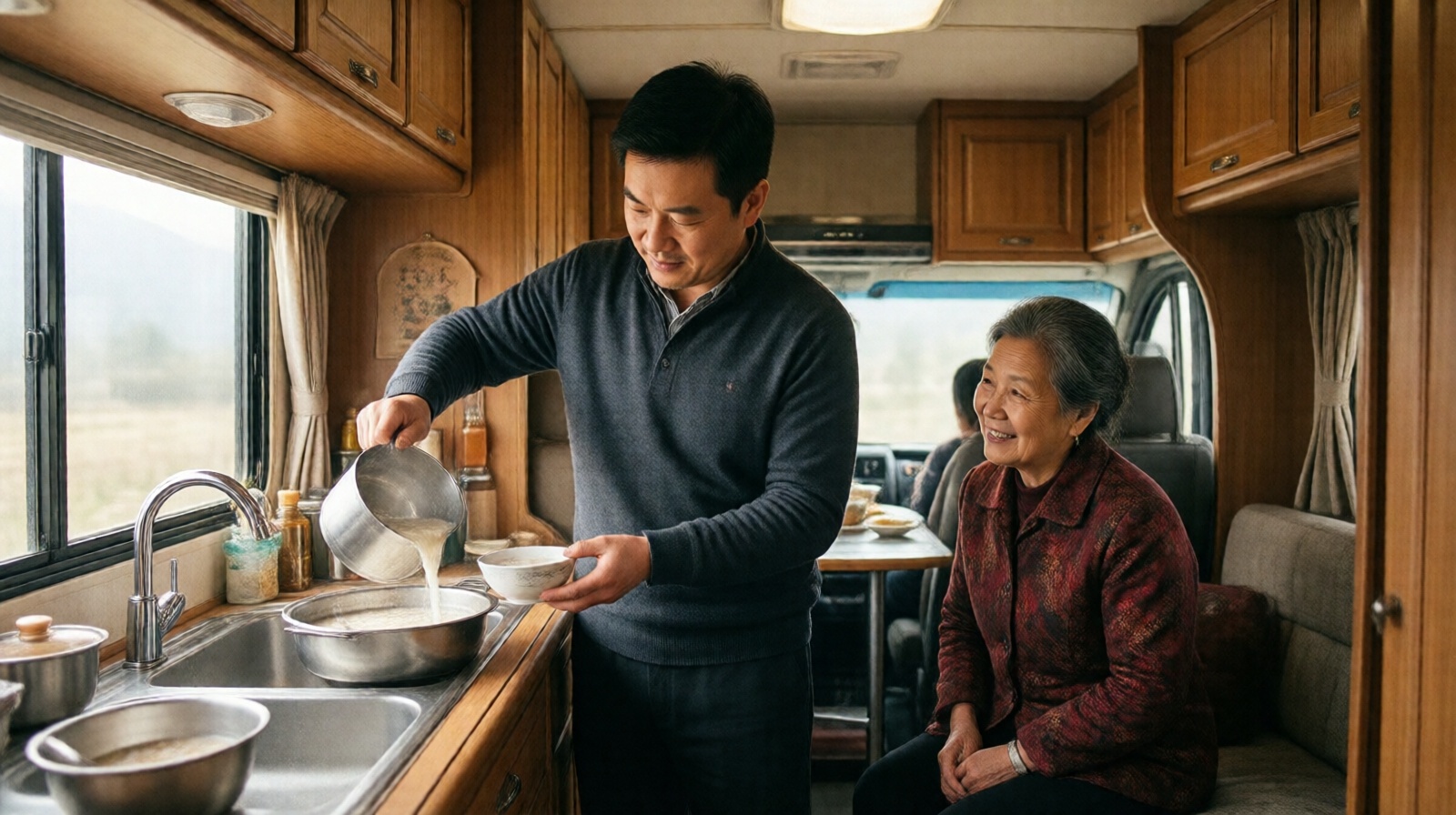
The rise of RV travel in China is not just about leisure — it’s about connection. For many Chinese in their 40s and 50s, the idea of “filial piety” (孝心, xiào xīn) has evolved. It’s no longer only about financial support or monthly visits. It’s about spending quality time. An RV becomes a mobile home, a private space where three generations can eat, sleep, and talk without the rush of a hotel checkout.
“My parents are retired. They spend most of their time at home watching TV or going to the park. They miss the world,” says Zhang Lin, a 42-year-old IT manager from Shenzhen who rented an RV for a 10-day trip to Hainan. “On this trip, I saw them laugh like kids when they saw the sea for the first time in years. My mom kept taking photos of every wave.”
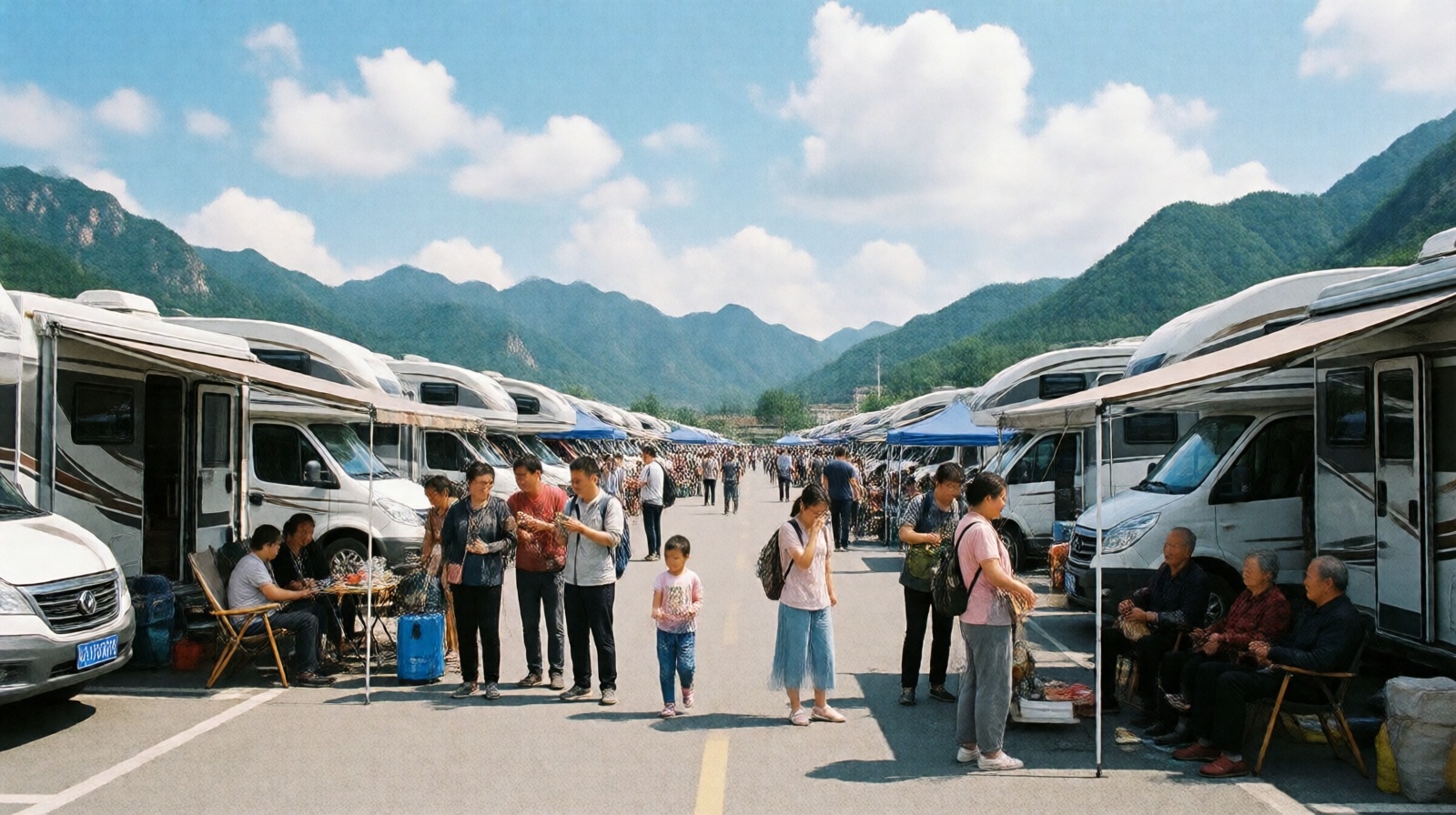
RV sales in China have been growing steadily. According to the China RV Association, the number of registered RVs surpassed 200,000 in 2023, and the rental market has expanded to cover most provinces. But the real story is not in the numbers — it’s in the parking lots of scenic spots, where families set up camp, cook local vegetables bought from roadside farmers, and share stories under a canopy.
On the Road: From City Skyscrapers to Village Kitchens
Driving an RV through China reveals a country in transition. One morning you might park near a futuristic toll plaza in Zhejiang; by evening, you’re in a small village where grandma still cooks on a wood-fired stove. The contrast is sharp, but families like Chen Wei’s embrace it.
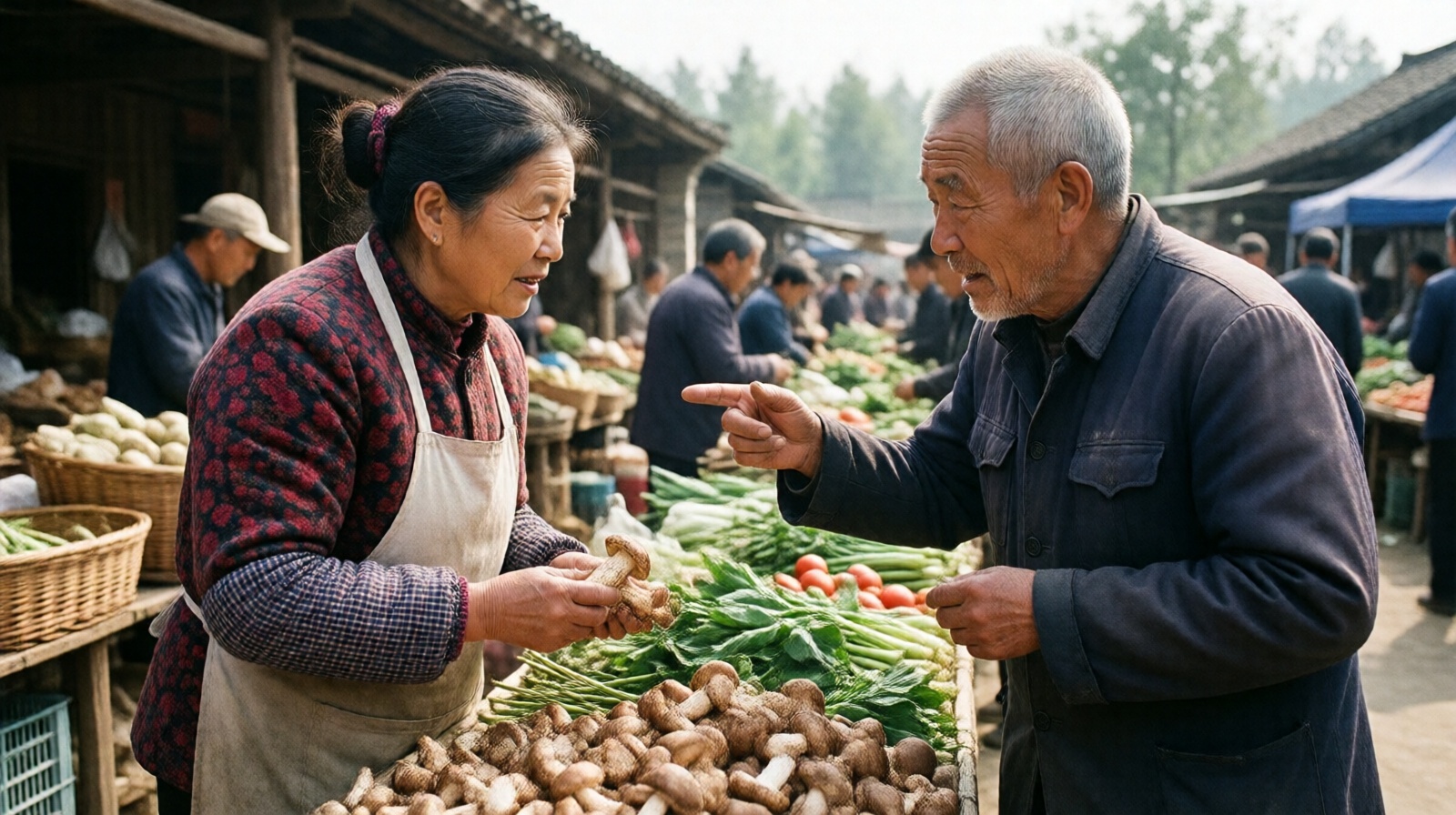
“We stopped at a farmer’s market near Lijiang,” Chen Wei recalls. “My dad haggled for mushrooms like he used to 40 years ago. The vendor didn’t believe he was from the city — his local dialect was still good. That moment was priceless.”
For many elderly Chinese, travel was a luxury they never had. They raised children during the reform era, working long hours in factories or fields. Now, as their children have stable lives, a new kind of tourism is emerging: intergenerational road trips that allow parents to reconnect with the countryside and with their children.
Parents’ Eyes: New Joys, Old Habits
Not everything is smooth. Sleeping in a vehicle is not always comfortable for aging bodies. Some parents miss their familiar bathroom. But the trade-offs are often worth it. “At first, my mom complained about the noise from the highway,” says Li Fang, a 38-year-old teacher from Nanjing who took her parents on a two-week loop through Jiangxi. “But the third day, she woke up early and made tea on the foldable table. She said it felt like camping when she was young.”
The emotional shift is subtle. Parents begin to see their adult children not just as successful workers, but as capable, thoughtful individuals. Children, in turn, witness their parents’ curiosity — the way they linger at a waterfall or ask endless questions about local plants.
“I learned that my father is still a romantic at heart,” Chen Wei says quietly. “He woke me up at 5 a.m. to see the sunrise over the lake. He hadn’t done that in 30 years.”
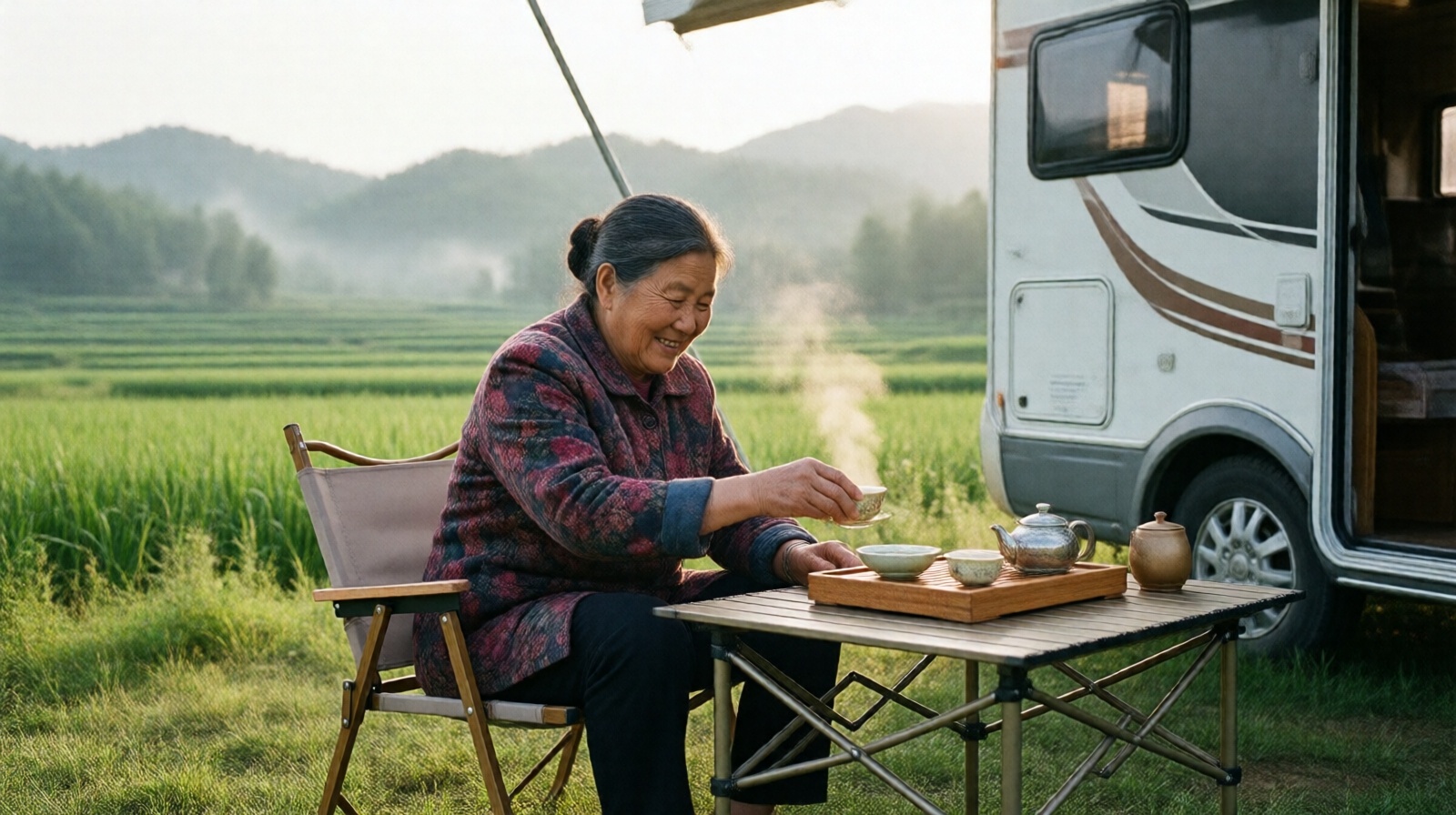
The Younger Generation’s Take: Filial Piety Without Sacrifice
A key insight from this trend is that it does not demand self-sacrifice. “Some of my friends think taking parents on a trip means you have to give up your own fun. That’s not true,” says Wang Tao, a 35-year-old photographer who traveled from Beijing to Qinghai Lake with his parents. “We both enjoy the scenery. They go to bed early, I read under the stars. Everyone gets what they need.”
Many travelers combine work with the trip. Chen Wei brought his laptop and handled emails in the mornings. Li Fang prepared lesson plans while her parents napped. The RV becomes a flexible base, not a burden.
This aligns with a broader shift in how young Chinese view family obligations. A 2023 survey by travel platform Mafengwo showed that 68% of respondents under 45 were interested in “parent-child travel” that includes both generations, and RV travel was the top preferred mode for such trips.
One Family’s Story: 2,000 Kilometers of Laughter and Tears
Let’s return to Chen Wei’s family. On day 8, the RV’s water pump broke. They were in a remote area near Shangri-La. Chen Wei spent two hours on the phone with the rental company, while his parents sat patiently on a grassy slope, watching yaks graze. “I felt terrible. But my dad said, ‘Son, this is part of the adventure. We have food, we have each other. What’s there to worry about?’”
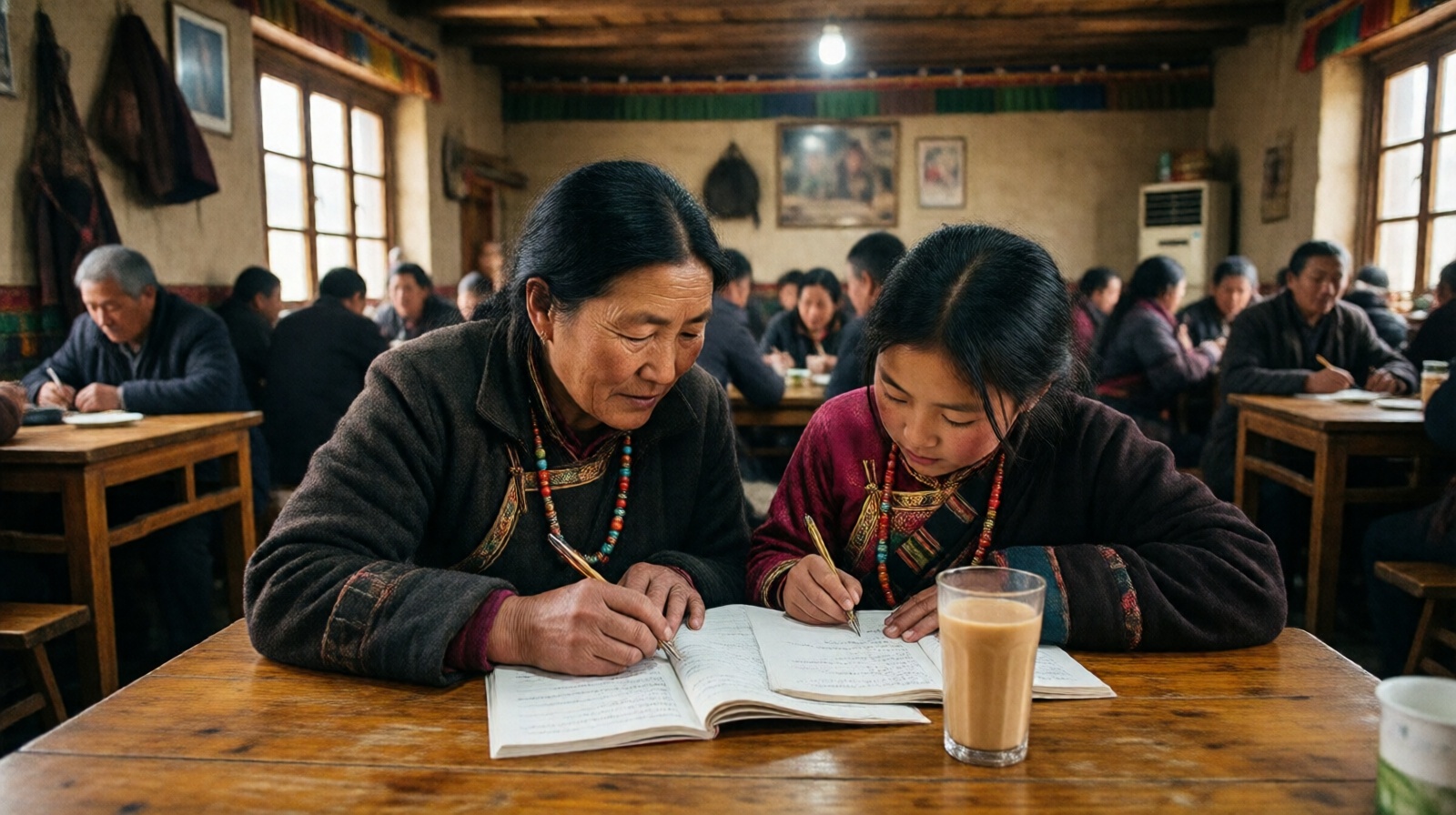
Later that evening, they discovered a small Tibetan family restaurant. The owner invited them inside, served butter tea and handmade noodles. Chen Wei’s mother helped the owner’s daughter with her math homework. “We became friends. Before leaving, my mom gave the girl a hair clip she had kept in her bag for years. We all cried a little.”
That moment, says Chen Wei, was worth more than any hotel experience. “We didn’t just see the landscape. We lived inside it. And my parents felt alive again.”
Conclusion: Making Filial Piety a Daily Practice
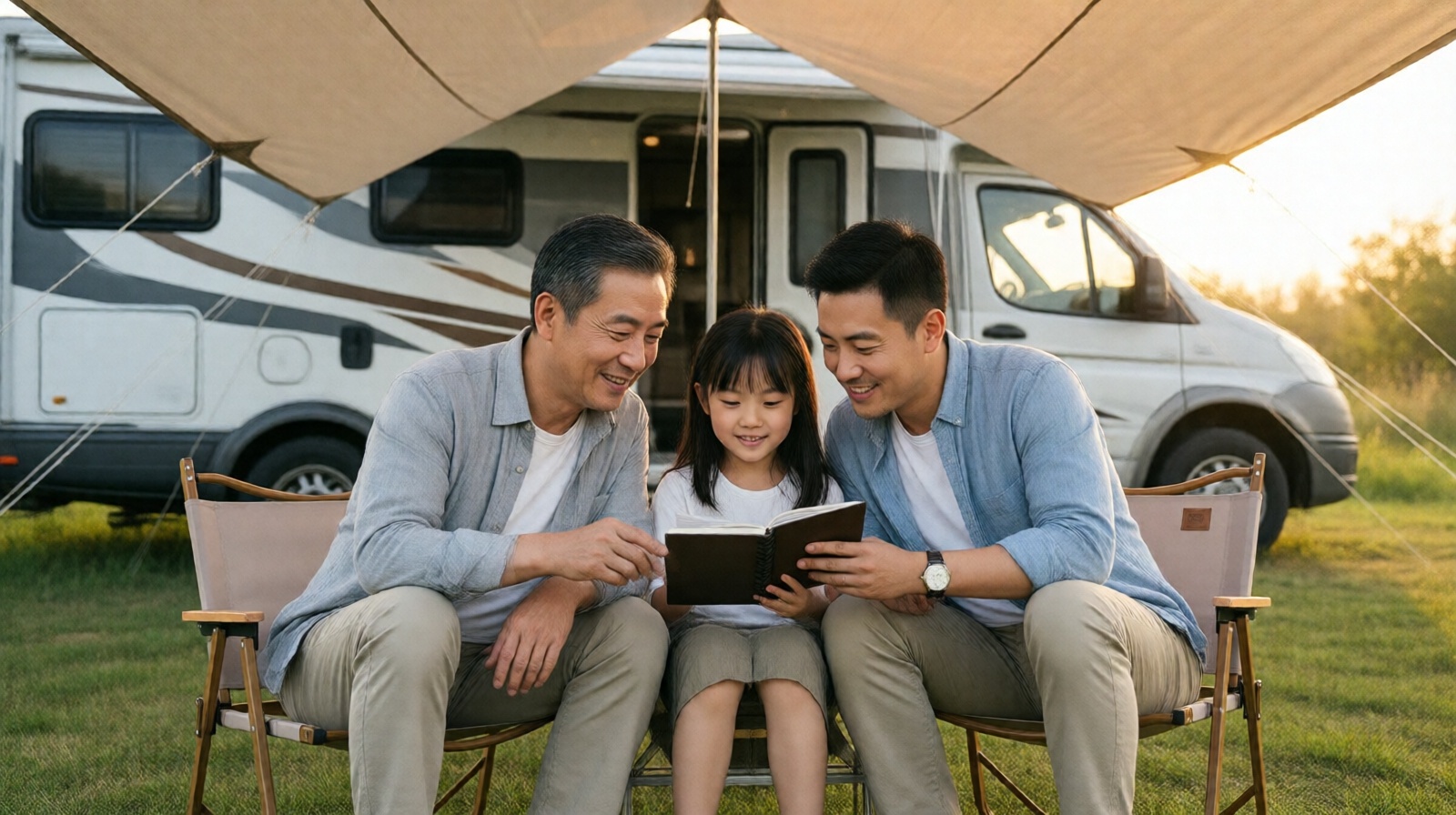
The road trip ends eventually. Chen Wei’s family returned to Chengdu, where the daily routine of work and chores resumed. But the trip changed them. His parents now talk about “next time” — maybe to Xinjiang, or even Tibet. His father bought a small notebook to record travel memories.
Filial piety in China has always been about showing respect and care. In a fast-changing society, where children often live far from their aging parents, the RV trip offers a new way: not a gift wrapped in commercial packaging, but time invested, stories shared, and silence enjoyed together. As Chen Wei puts it, “The best gift I can give my parents is not money. It’s a morning with porridge on the side of a lake, watching the sun rise.”
This is the new face of Chinese family travel: practical, heartfelt, and slowly rolling across a vast country.