

Zero Gravity in the Classroom
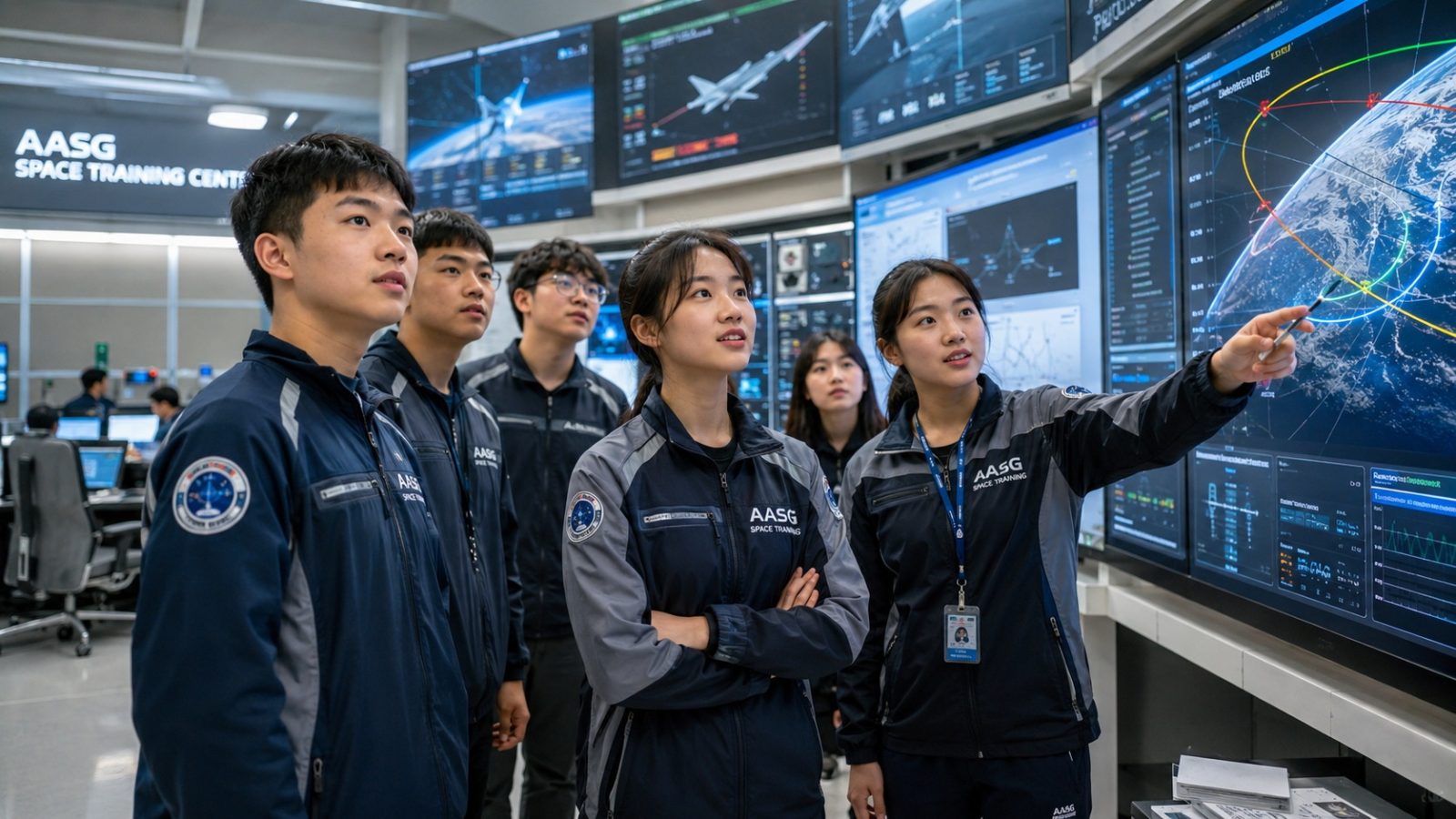
In a climate-controlled facility in Shanghai, 14-year-old Lin Wei floats weightlessly for three seconds. He isn’t in space, but in a parabolic flight simulator designed to mimic the conditions of orbit. His eyes are wide, reflecting not just the thrill of the moment, but the weight of his parents’ expectations. This is the reality of China’s booming “space camp” industry, where the line between science fiction and educational investment is rapidly blurring.
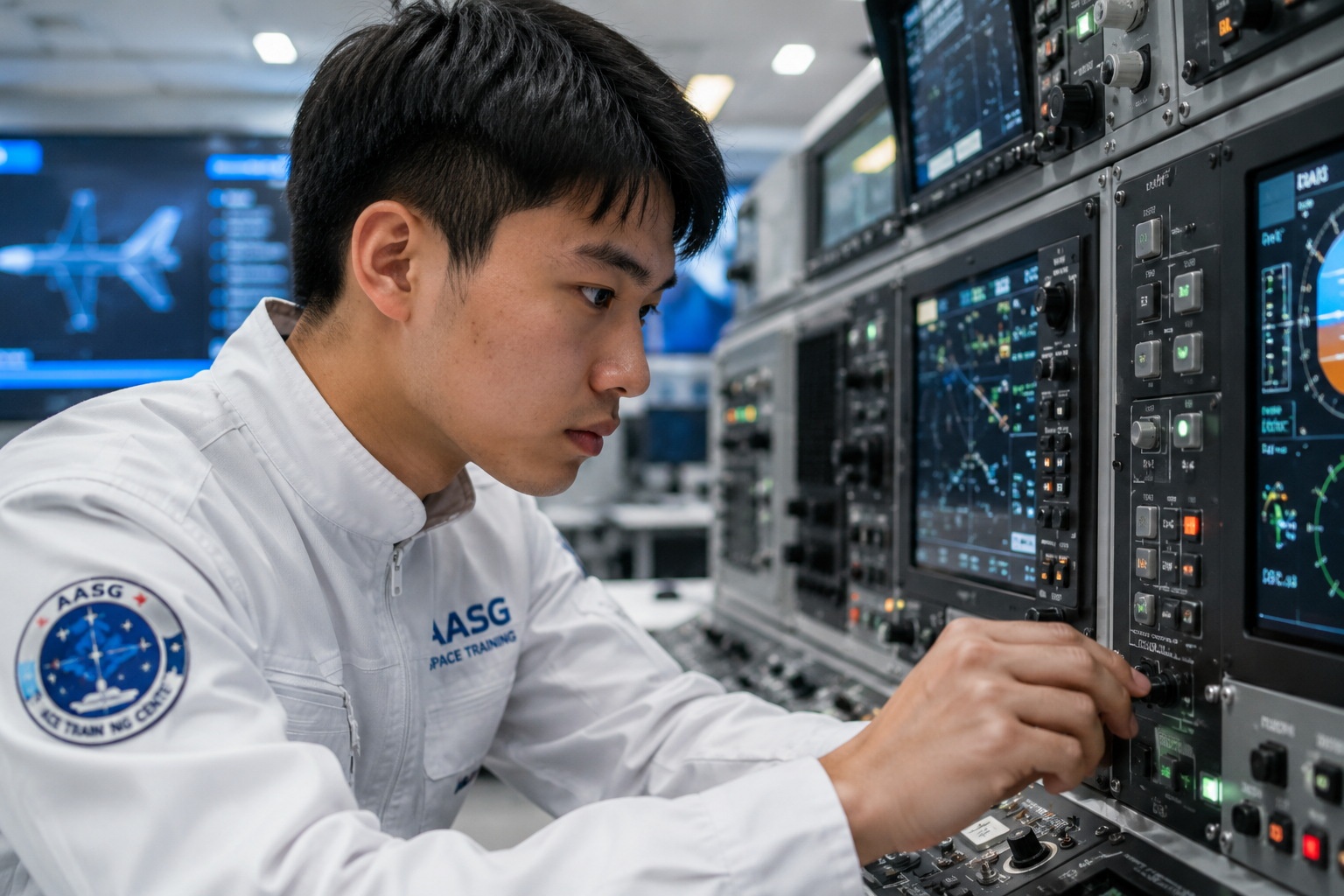
These camps are no longer niche hobbyist groups. They have evolved into high-end educational programs costing anywhere from $2,000 to $10,000 per session, targeting children from affluent families in tier-one cities like Beijing, Shanghai, and Shenzhen. The curriculum goes far beyond simple observation. It includes engineering workshops where students design and launch small satellites, coding classes focused on orbital mechanics, and survival training that mirrors the rigorous selection process of real astronauts.
The New Elite Education
For many Chinese parents, sending their children to space camp is not about buying a toy; it’s about purchasing a mindset. In a competitive society where top universities and tech firms are the primary ladders for social mobility, STEM (Science, Technology, Engineering, and Mathematics) proficiency is the new currency.
“We don’t expect him to become an astronaut,” says Zhang Li, a senior executive at a multinational tech firm in Shenzhen. “But we want him to have the discipline, the spatial reasoning, and the global perspective that comes with understanding how complex systems work. Space is the ultimate test of engineering and human endurance.”
This sentiment reflects a broader shift in Chinese education. The old path was clear: excel in the Gaokao (national college entrance exam), get into Tsinghua or Peking University, and secure a stable job. Today, while that path remains, there is a parallel track emerging. Families are investing heavily in extracurriculars that build “future-ready” skills. Space camps offer a tangible connection to the national narrative of technological self-reliance—a key pillar of China’s current development strategy.
More Than Just Fun
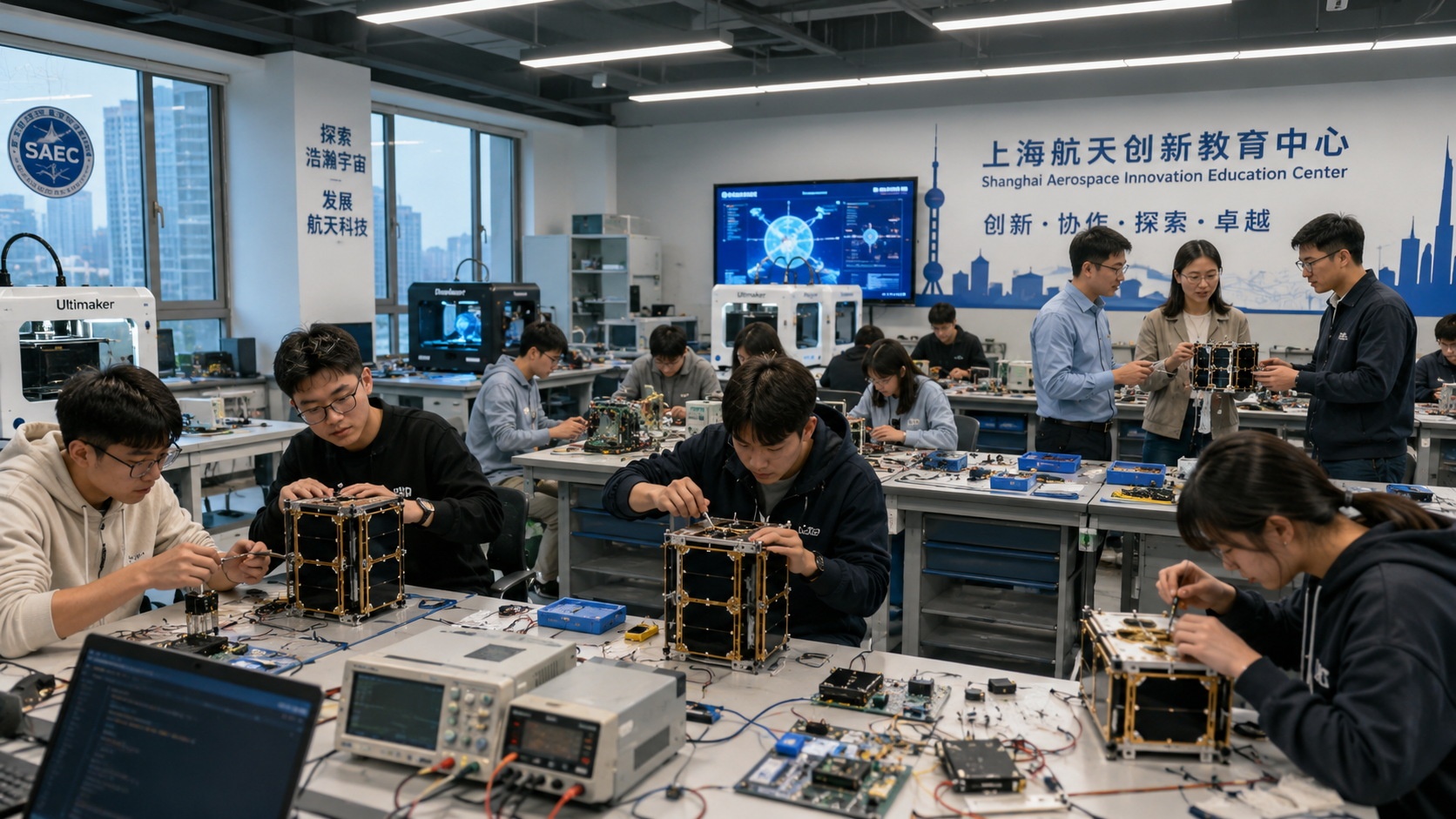
The appeal of these camps lies in their authenticity. Unlike typical tourist attractions, professional space camps employ former aerospace engineers, retired military pilots, and PhD students from top technical universities as instructors. The equipment is often real or high-fidelity replicas used in actual training facilities.
For students like Wei, the experience is a rigorous academic challenge. They spend hours debugging code for satellite communication protocols or calculating fuel ratios for model rockets. The camaraderie formed among peers—children from similar backgrounds with shared ambitions—creates a network that many parents view as valuable for their children’s future social capital.
“It’s about finding your tribe,” Wei explains. “Here, everyone talks about Mars missions and AI ethics. At school, they talk about grades. This place makes me feel like my interests are normal.”
Reflecting a National Aspiration
The surge in demand for space education mirrors China’s rapid advancement in the aerospace sector. With the completion of the Tiangong space station and the successful Chang’e lunar missions, space exploration has moved from a distant dream to a visible part of national identity. For the younger generation, “Taikonaut” (the term used for Chinese astronauts) is not just a job title; it is a symbol of national pride and technical excellence.
However, this trend also highlights existing inequalities. Access to these high-cost educational opportunities remains limited to those who can afford them. While the dream of space is universal, the ladder to reach it is currently steep and expensive. Yet, even within this exclusivity, the underlying logic is clear: Chinese society is placing an unprecedented premium on scientific literacy and global competitiveness.
The Future is Now
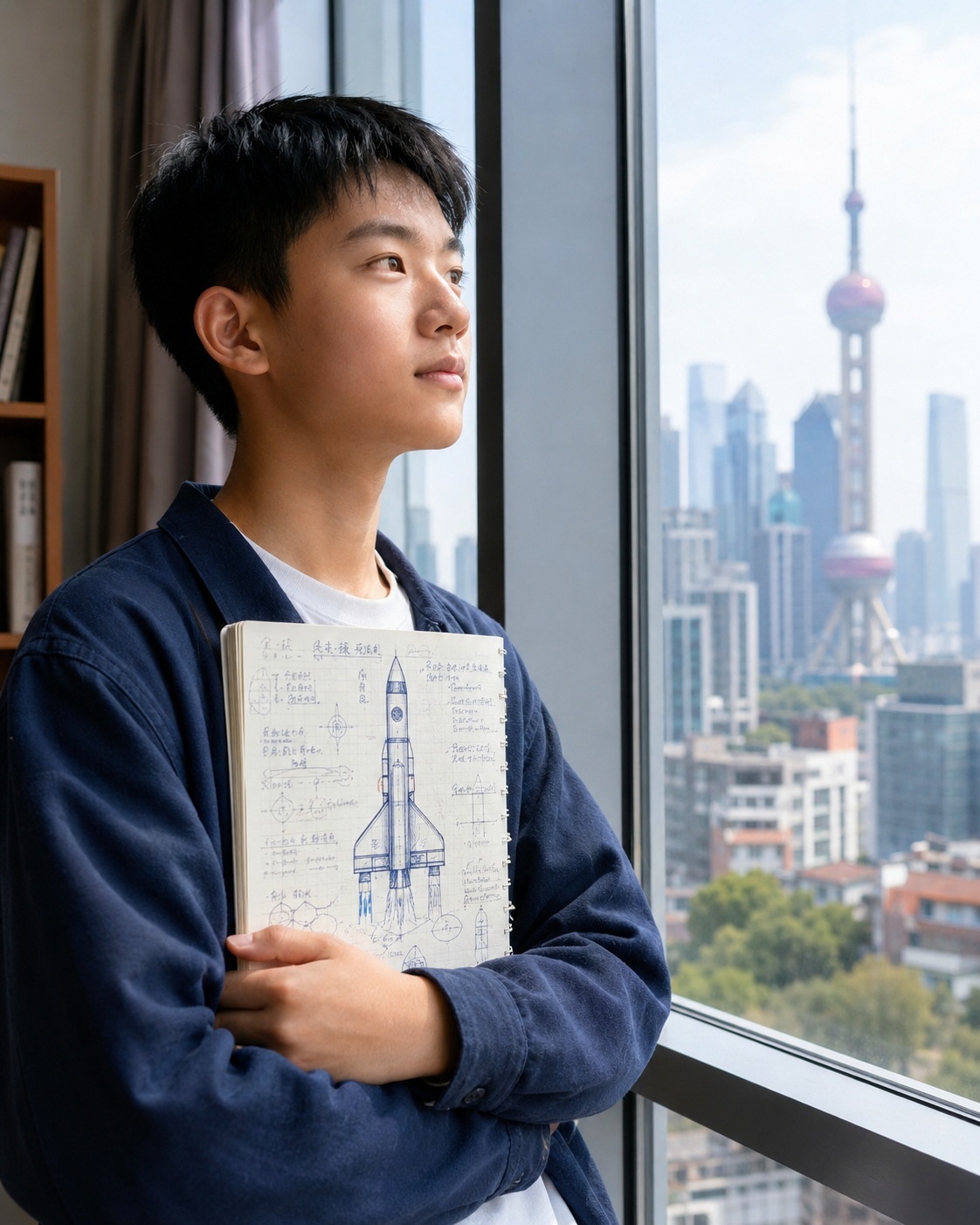
As China continues to expand its presence in low-Earth orbit and prepares for crewed lunar missions, the demand for skilled engineers and scientists will only grow. Space camps serve as an early filter, identifying and nurturing talent before it enters the formal education system.
For parents like Zhang, the investment is long-term. They are not just paying for a summer experience; they are betting on their children’s ability to navigate a future defined by technology and exploration. In this new era, the stars are no longer out of reach. They are part of the curriculum.