


A Scene from a Calligraphy Class
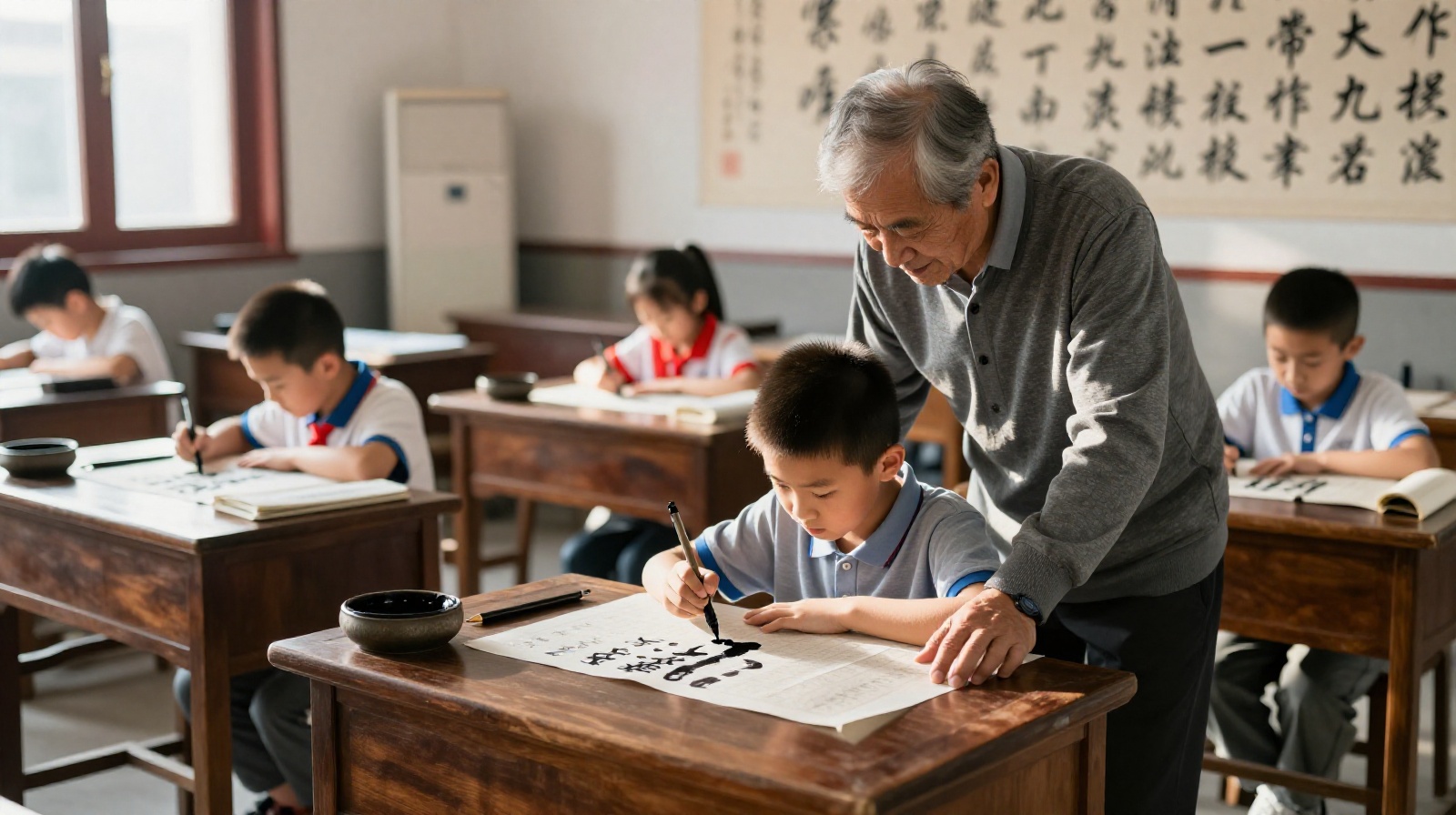
On a Saturday morning in a Beijing classroom, eight children sit at wooden desks. The teacher, Mr. Chen, hands out practice sheets printed with square grids. But before he can distribute the fountain pens, one boy—maybe seven years old—pulls out a tablet and a stylus. “Teacher, can I write on this?” he asks. Mr. Chen sighs. A decade ago, every child would have eagerly uncapped a blue ink pen. Today, that reflex is fading.
The Weight of Handwriting in Chinese Culture
For centuries, good handwriting was a mark of education and moral cultivation in China. Even today, China’s gaokao college entrance exam awards up to five extra points for neat handwriting—a margin that can decide admission. Many primary schools still require a weekly calligraphy class, and parents often send kids to after-school penmanship programs. “Writing is not just about communication,” says Mrs. Wang, a mother from Shanghai. “It trains a child’s patience and respect for the characters.” Her daughter, age nine, practices kaishu (regular script) for 20 minutes each evening.
Technology’s Quiet Invasion
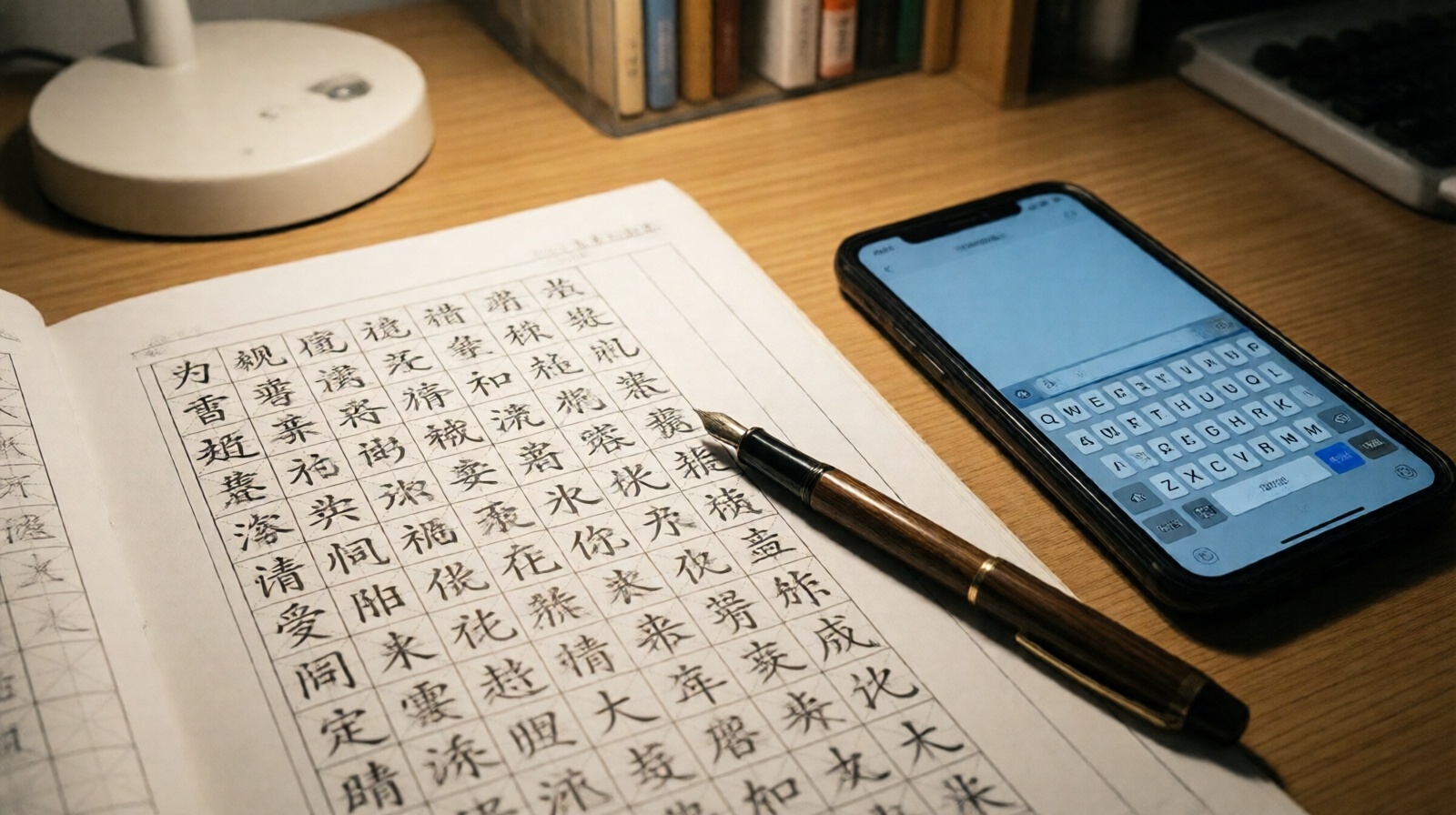
Behind the persistence of practice lies a digital tide that is reshaping childhood. According to a 2023 survey by the China Youth and Children Research Center, 68% of urban children aged 6–12 use a tablet or smartphone for homework at least once a week. Voice typing and keyboard input have made handwriting less necessary. In many classrooms, assignments are submitted through apps; teachers mark them on screens. “I haven’t written a full sentence by hand in months,” admits a high school student in Guangzhou. “My thumb is faster than my pen.” The shift is particularly stark in wealthy coastal cities, where smart classrooms are the norm.
Divided Realities: City vs. Countryside
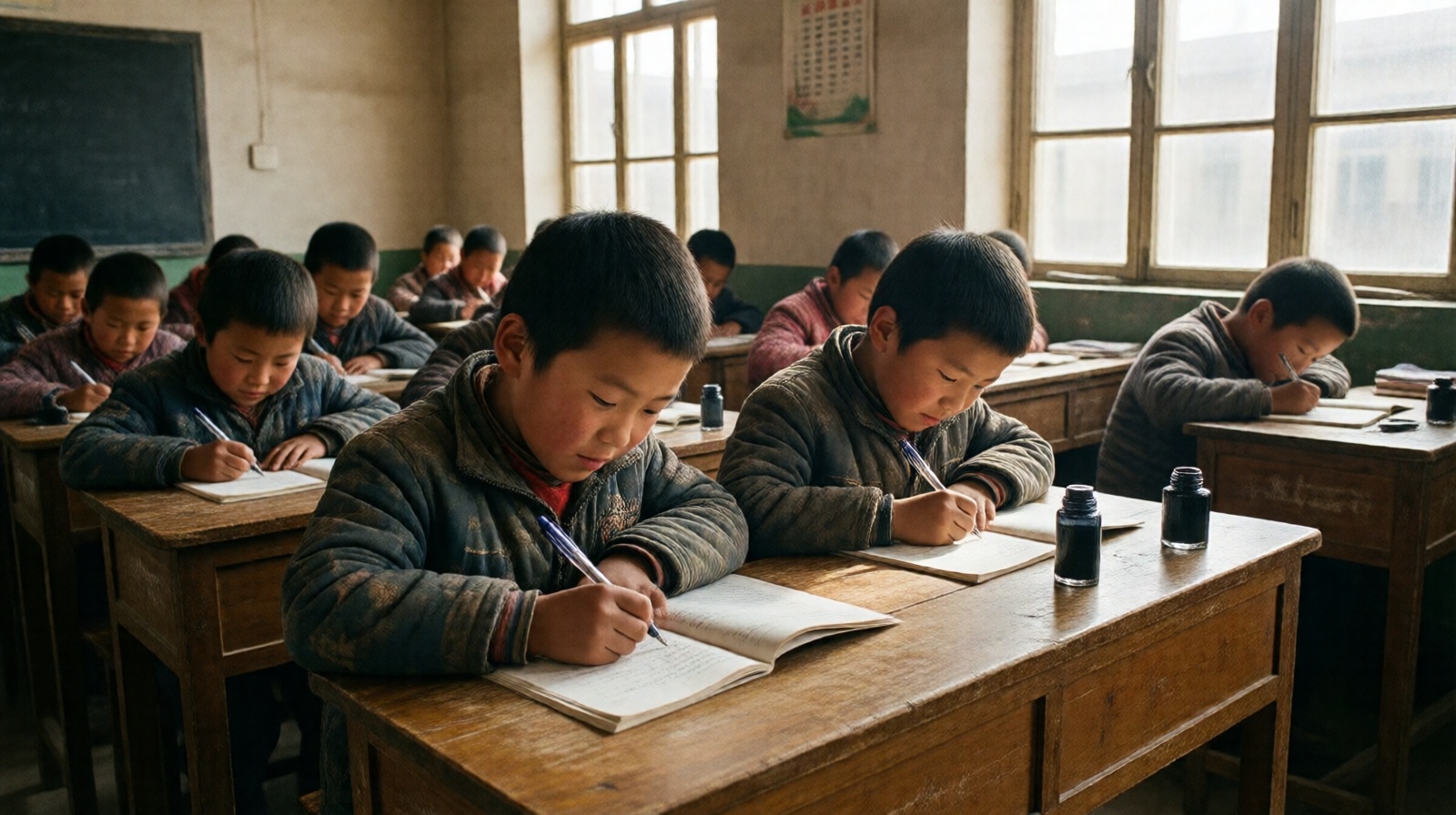
Yet the story is not uniform. In rural schools, where tablets are scarce, fountain pens and ink bottles remain everyday tools. A teacher in Gansu province reports: “My students love their pens because they are a symbol of growing up. But they also know that when they go to middle school in town, they will use computers.” Meanwhile, private calligraphy studios in Beijing and Shanghai are closing as enrollment drops. “Five years ago I had 60 students. Now I have 15,” says Mr. Chen. “Parents tell me time is tight—math and English come first.” Yet he also notices a small revival: some young adults, after years of keyboard typing, are seeking out handwriting as a hobby. “They say it calms their mind.”

When Handwriting Becomes Art
On social media platforms like Xiaohongshu (Little Red Book), hashtags like #手写体 (handwriting style) have accumulated over a billion views. Young users share photos of handwritten letters, poems, and journal entries, often with elaborate ink and paper. Some even turn their handwriting into digital fonts. “Typing makes everything look the same,” says a 25-year-old blogger who runs an account dedicated to fountain pen reviews. “Handwriting is the only way to leave your personality on a page.” This aesthetic turn—from practical skill to artistic expression—mirrors what happened to calligraphy in Japan and South Korea decades ago. The function fades; the beauty endures.
Conclusion: Nib Still Writing
Back in Mr. Chen’s class, the boy with the stylus eventually puts it down. Mr. Chen kneels beside him and shows how the nib of a fountain pen bends slightly to release ink. The boy dips it in the bottle and writes his name—big, uneven strokes. He grins. The nib is not gone. It just has to find a new reason to exist. For a generation raised on screens, that reason may no longer be about passing exams or earning points. It may be about the simple, irreplaceable pleasure of making a mark with your own hand.