
Introduction: The RV Boom in China
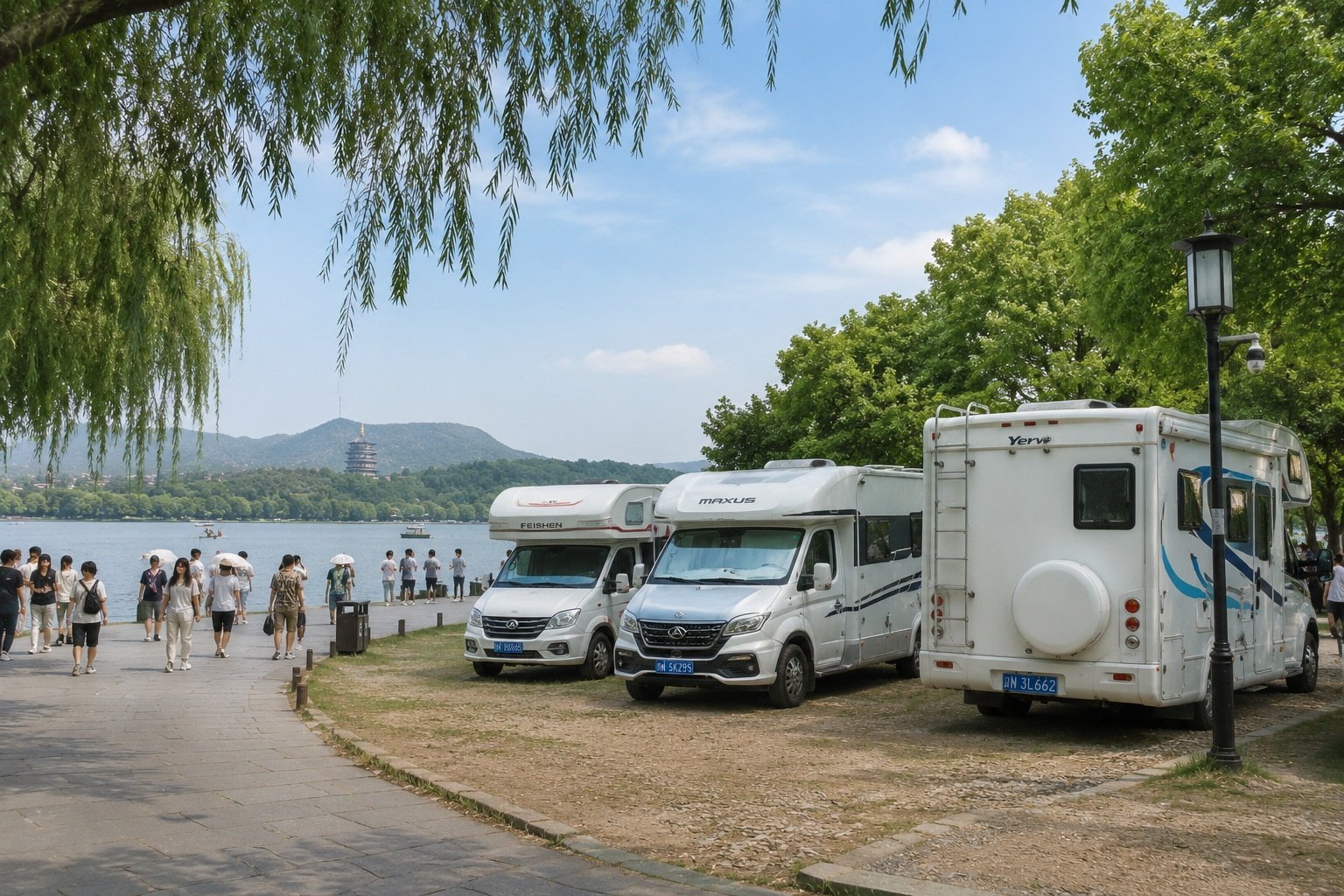
On a crisp autumn morning, Li Wei, a 38-year-old IT manager from Shenzhen, pulls his blue RV into a designated parking lot near the West Lake in Hangzhou. He expects a fully serviced campsite with electricity, water, and dumping stations. Instead, he finds a dusty lot with a single sign reading “RVs welcome” and no hookups. After an hour of searching, he learns the nearest proper RV park is 30 kilometers away.
Li’s experience is increasingly common. China’s RV ownership has skyrocketed in recent years, reaching over 200,000 vehicles in 2023, according to the China Recreational Vehicle Association. Domestic trips during the 2024 National Day holiday saw a 35% year-on-year increase in RV travel searches. Yet the infrastructure—especially at scenic spots—lags behind. This article surveys how Chinese tourist destinations treat RV travelers, from national policies to on-site realities.
Current State: Scenic Spots and RV Facilities
China’s scenic areas fall into three categories when it comes to RV accommodation: those with dedicated RV campgrounds, those offering basic parking with limited services, and those that outright ban RVs. A 2023 survey by the China Tourism Academy found that only 12% of A-level scenic spots (the official rating system, where 5A is the highest) have purpose-built RV parks. Another 28% allow RVs to park in designated areas but provide no utilities. The remaining 60% either restrict RV entry or lack any facilities.
Take the famous Huangshan (Yellow Mountain) as an example. The mountain itself is inaccessible to vehicles, but the surrounding town of Tangkou has several private RV parks with full hookups—a model that works well. Conversely, the ancient water town of Wuzhen in Zhejiang allows RVs only in peripheral lots without services, forcing travelers to stay outside the scenic zone.
Policy Comparison: National vs. Local
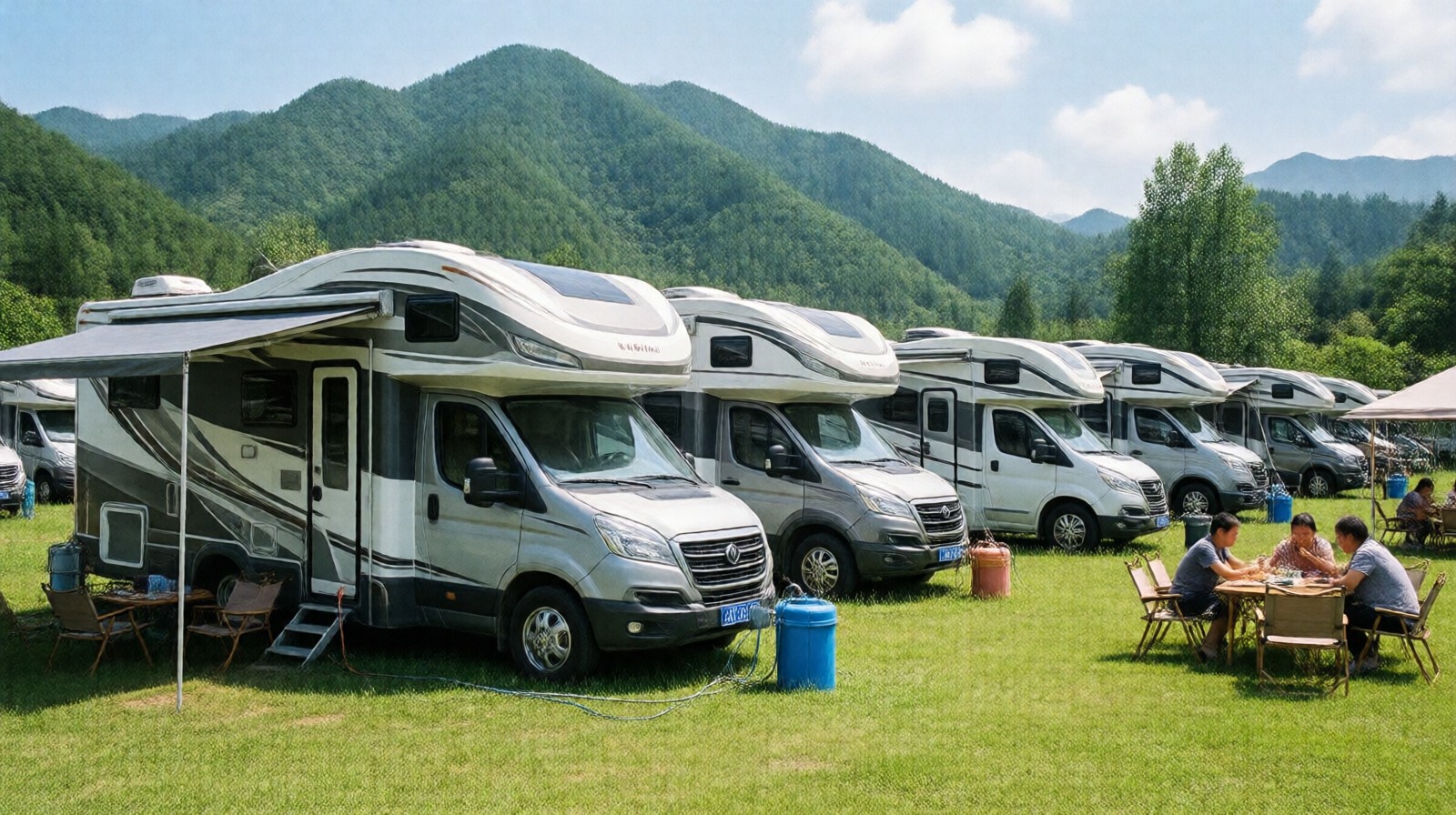
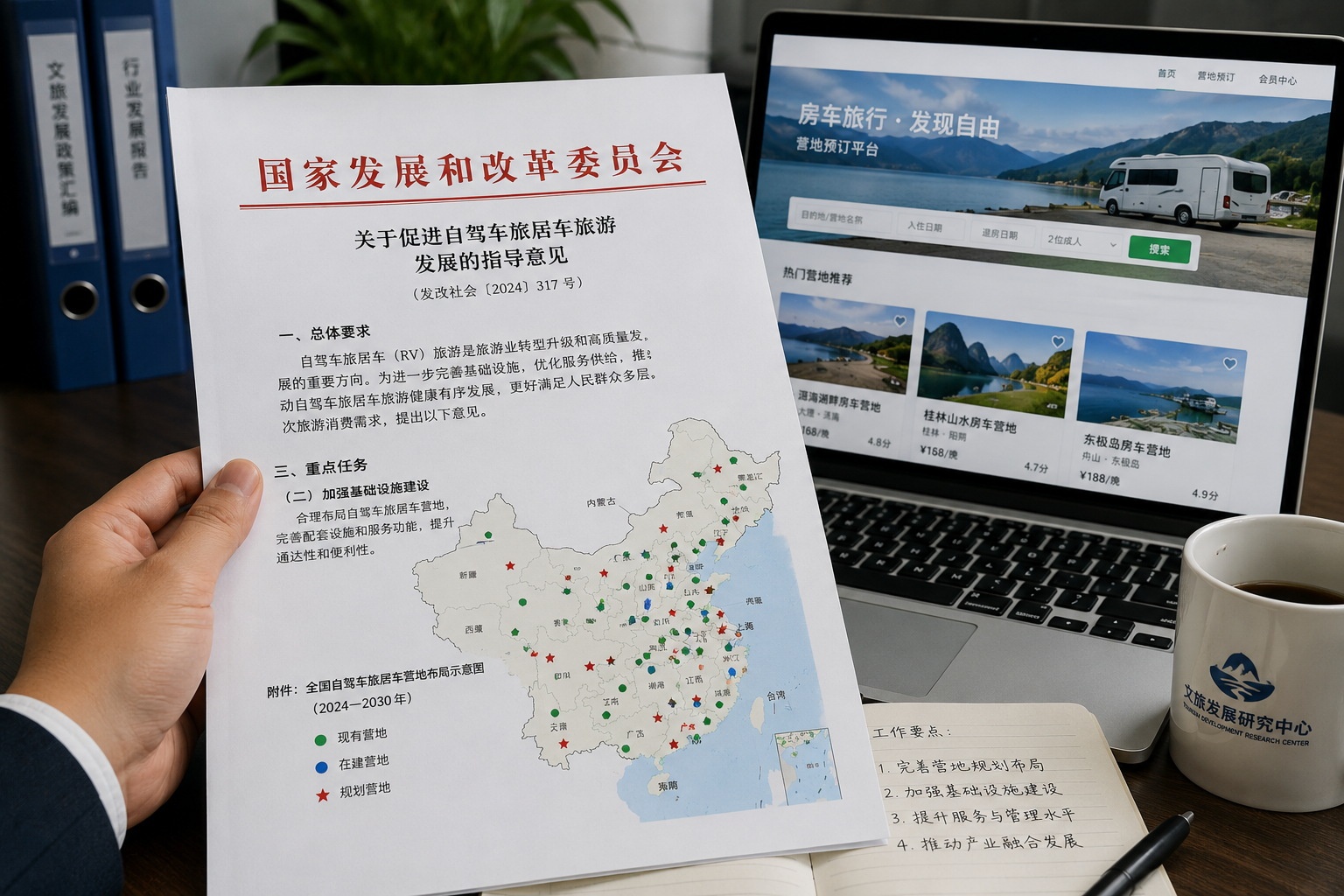
China’s central government has encouraged RV tourism since the “13th Five-Year Plan for Tourism Development” (2016–2020), which called for 2,000 RV campsites nationwide. By 2023, the actual number exceeded 3,000, but many are poorly maintained or located far from major attractions. Local implementation varies wildly.
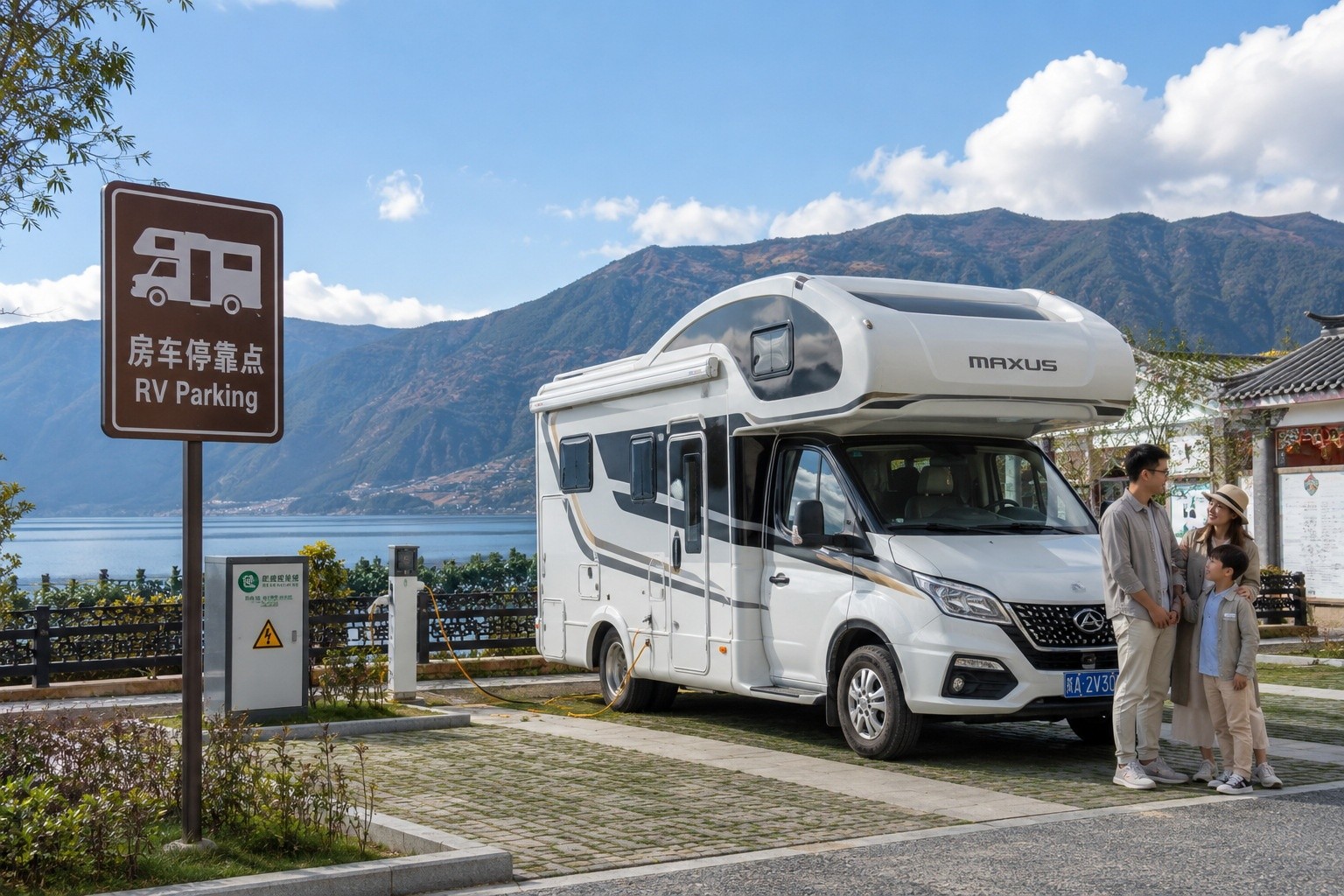
In Yunnan province, known for its natural beauty, the government subsidizes RV parks near popular routes like the Lijiang-Shangri-La corridor. Parks charge 30–60 RMB per night ($4–8) for a spot with power, water, and waste disposal. In contrast, in heavily visited sites like the Chengdu Research Base of Giant Panda Breeding, no RV parking exists at all—vehicles must use distant commercial lots.
An official from the China Tourism Association’s RV branch explains: “The biggest challenge is land use. Scenic areas are often in ecologically sensitive zones, and building full RV infrastructure requires environmental impact assessments that take years.”
Traveler Stories: Real Experiences on the Road
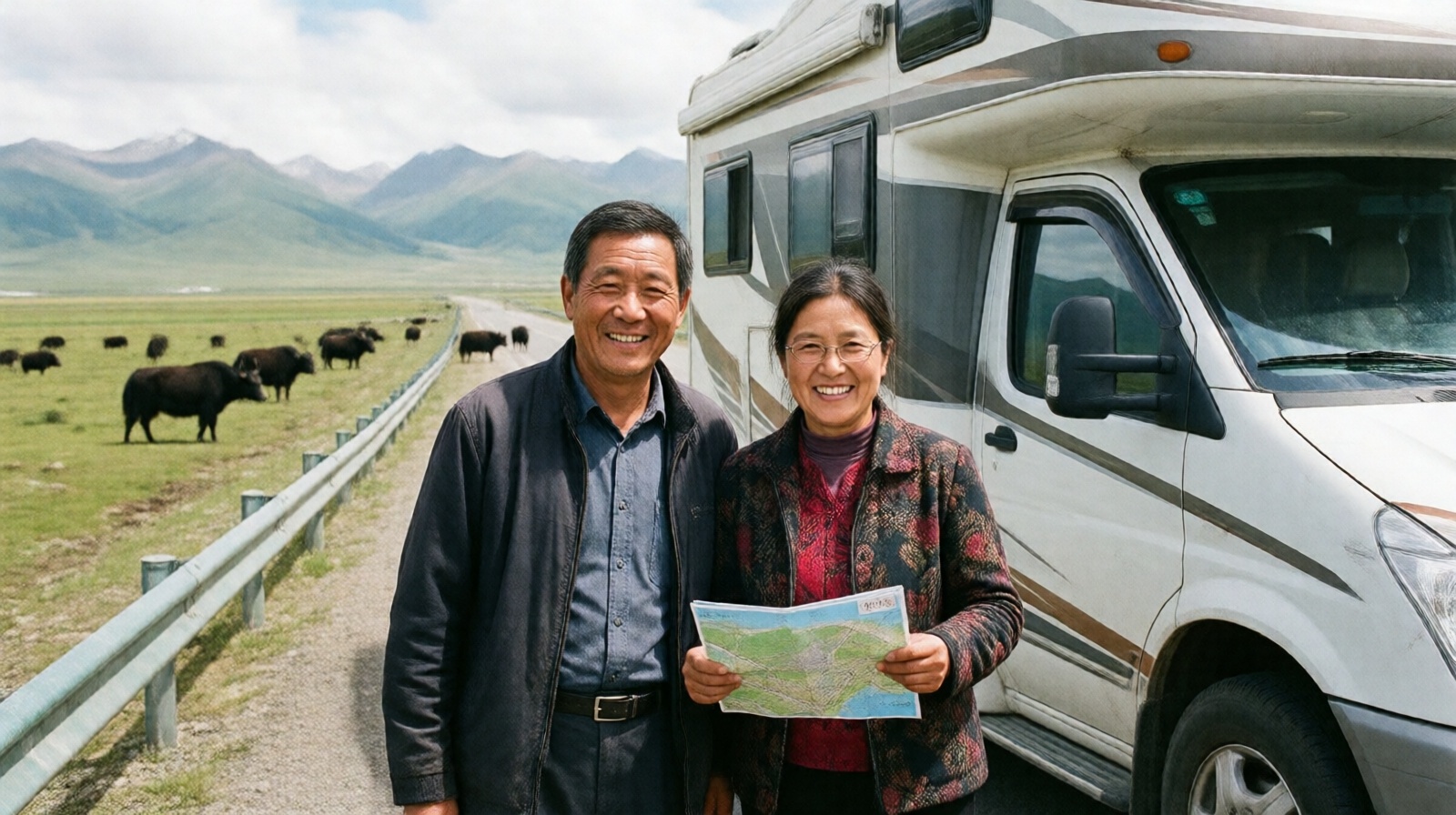
To understand the lived reality, we interviewed five RV travelers across China. Wang Fang, a retired teacher from Beijing, spent six months touring the west. “On the Qinghai-Tibet Plateau, most scenic spots have no RV zones. You just pull over on the roadside. But in popular places like Qinghai Lake, private campgrounds charge 100 RMB a night for a basic pitch.”
Zhang Lei, a 29-year-old freelancer, recounted a frustrating visit to the Zhangjiajie National Forest Park: “We drove three hours to find the official info desk had no idea about RV parking. A local farmer let us stay in his field for 50 RMB. He even ran an extension cord from his house.”
These stories highlight a patchwork system—some destinations embrace RV travelers, while others are indifferent or unprepared.
Challenges and Opportunities
The disconnect between policy and practice stems from several factors. First, RV tourism is still niche—only about 0.1% of domestic tourists use RVs, so many scenic spot managers see little incentive to invest. Second, building campsites near protected areas faces regulatory hurdles. Third, the seasonal nature of RV travel (peaking during holidays) makes year-round profitability uncertain.
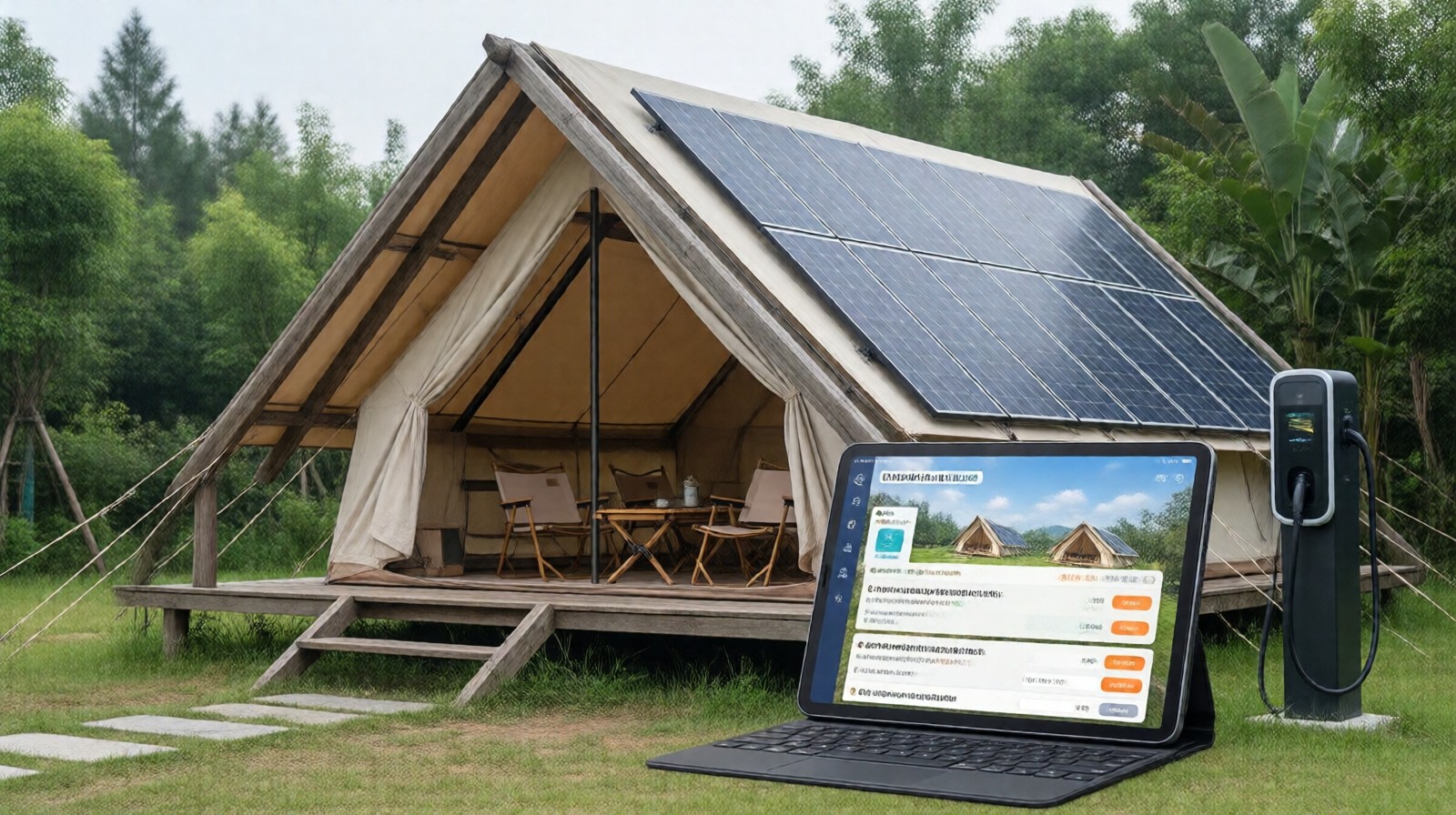
Yet opportunities abound. The Chinese government’s 2023 “Action Plan for Promoting RV Camping Tourism” sets a target of 4,000 campsites by 2025, with subsidies for scenic spots that integrate RV facilities. Companies like Huawei and Alibaba are partnering with tourism bureaus to develop smart campsite booking platforms. And innovative models are emerging: in the Guangxi region, some rice terraces offer free RV parking in winter when tourist numbers drop, boosting off-season visits.
Future Outlook: Toward a More RV-Friendly China
The trajectory is clear: as China’s middle class grows and road trips become more popular, the demand for RV-friendly facilities will only intensify. Scenic spots that adapt early will capture a loyal, high-spending segment. For now, the advice for RV travelers is to plan ahead—use apps like “RV Park China” or “Campground Finder” to locate verified sites, and always call ahead to confirm policies.
For the industry, the path forward requires collaboration between scenic spots, local governments, and private investors. Simple measures—like designating a corner of an existing parking lot for RVs with basic electrical outlets—can make a huge difference. As Li Wei from the opening story concluded, “We don’t need luxury. Just a safe place to park with water and electricity. Is that too much to ask?”