


Introduction: When AI Writes Poetry, Something Is Missing
In 2023, a Chinese tech company released an AI that could compose classical-style poems in seconds. Netizens were impressed—until they started posting the results side by side with human-written verses. The AI lines were technically flawless, with perfect tonal patterns and rhymes. Yet readers consistently described them as ‘soulless’ or ‘like a photocopy of a painting.’ This is not just a matter of taste. It points to a quality deeply embedded in Chinese poetic tradition: qiyun (气韵), roughly translated as ‘spiritual resonance’ or ‘vital rhythm.’ So what exactly is qiyun, and why can’t AI replicate it?
What Is ‘Qiyun’? A Feeling You Can’t Fake
Imagine sitting in a Beijing tea house, watching two elderly friends spontaneously compose couplets—one line about the tea’s fragrance, the other about the autumn leaves outside. Their words carry not just meaning but the weight of decades lived, the warmth of friendship, and a fleeting moment of joy. That is qiyun: it arises from a specific time, place, and emotional state, wrapped in a culture’s thick memory.
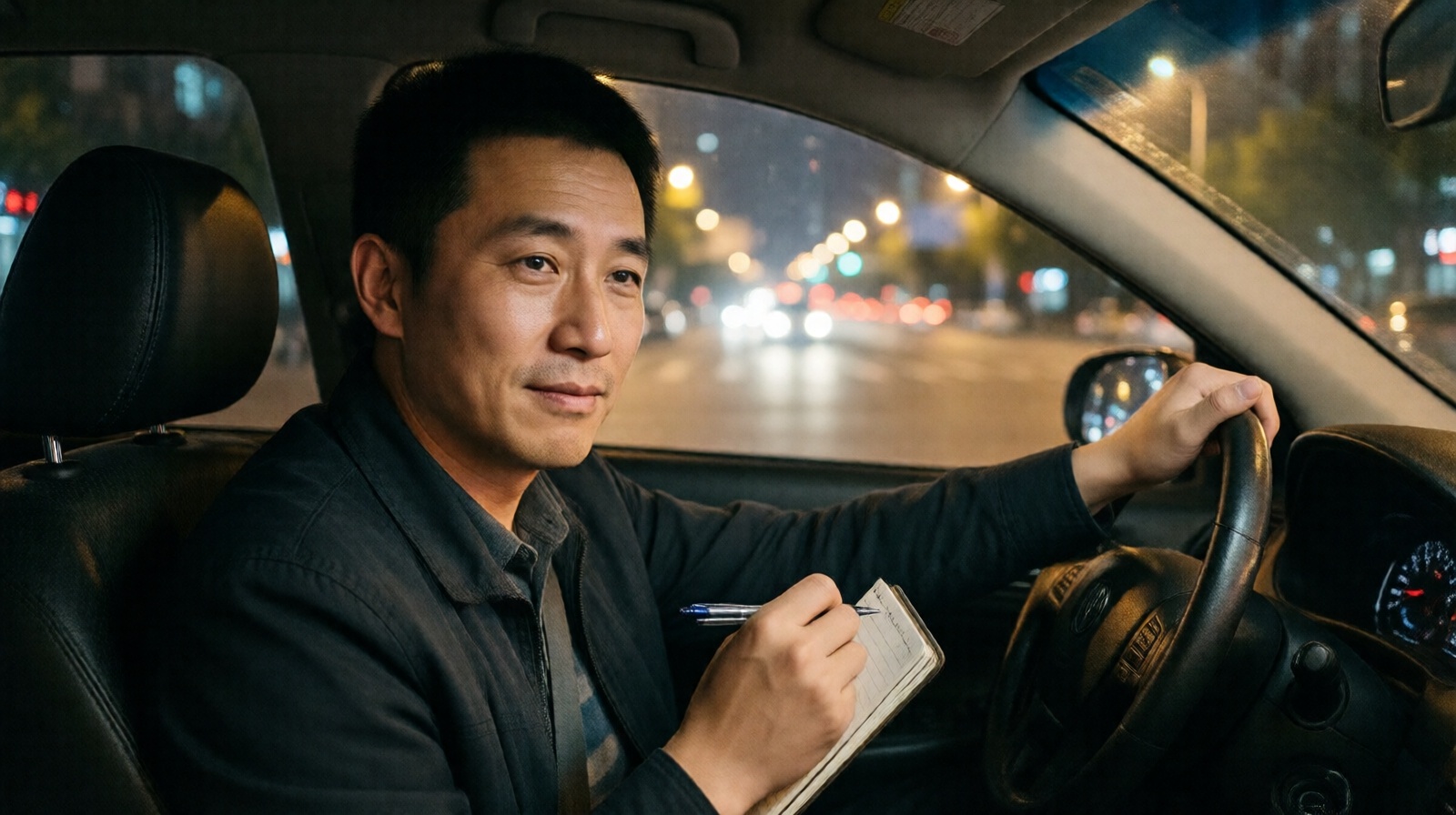
Take a real example: a taxi driver in Chengdu, after a long shift, was asked by a passenger to ‘say a poem.’ Without hesitation, he recited a four-line verse about his hometown’s spicy noodles and the loneliness of the night road. His lines were grammatically simple—not even following strict classical rules—but they painted a vivid picture of a worker’s life. When an AI was given the same prompt (‘write a poem about a taxi driver’s night’), it produced lines like ‘The steering wheel turns under the moonlight / My meter counts the miles of solitude.’ Correct, but generic. The human version breathed a specific memory: the smell of cumin in the noodle shop, the exact color of the neon sign outside the hospital.
Qiyun is that granular, embodied specificity. It is the poet’s physical presence—tired eyes, calloused hands, a laugh that comes from the belly—encoded into words.
Where AI Falls Short: No Flesh, No History
Technically, language models work by predicting the most probable next token based on vast corpora. They are masterful at finding patterns—tonal patterns, classical allusions, common collocations—but they have zero experience of the world. They cannot taste the pepper, feel the autumn chill, or remember their mother’s voice.
Consider the famous Tang dynasty poet Jia Dao’s story: he agonized for days over whether a monk should ‘push’ or ‘knock’ on a moonlit door. That deliberation—”tui qiao” (推敲)—became a cultural meme for the painstaking pursuit of the perfect word. AI, by contrast, would simply calculate which verb is more probable in the training data. It misses the physicality: the sound of wood on wood, the weight of the hand, the hesitation of a traveler.
Moreover, Chinese poetry is a living archive of collective memory. A phrase like ‘the west wind’ (西风) carries echoes of Ma Zhiyuan’s autumn melancholy; ‘willow twigs’ (柳枝) recall a thousand farewell songs. AI can list these references, but it cannot feel the accumulated grief and longing they carry. A 90s-born poet in Shanghai told me: ‘When I write, I am not just arranging words. I am wrestling with centuries. Every character has ghosts in it.’
The New Ecosystem: Ordinary People Guarding the Fortress
Interestingly, the AI poetry boom has not killed human poetry in China—it may have revived it. Social media platforms like WeChat are filled with ‘amateur poets’—a security guard posting four-line poems about his plants, a food delivery rider scribbling rhymes on his phone between orders. These micro-poems go viral not because they are technically masterful, but because they are achingly real.
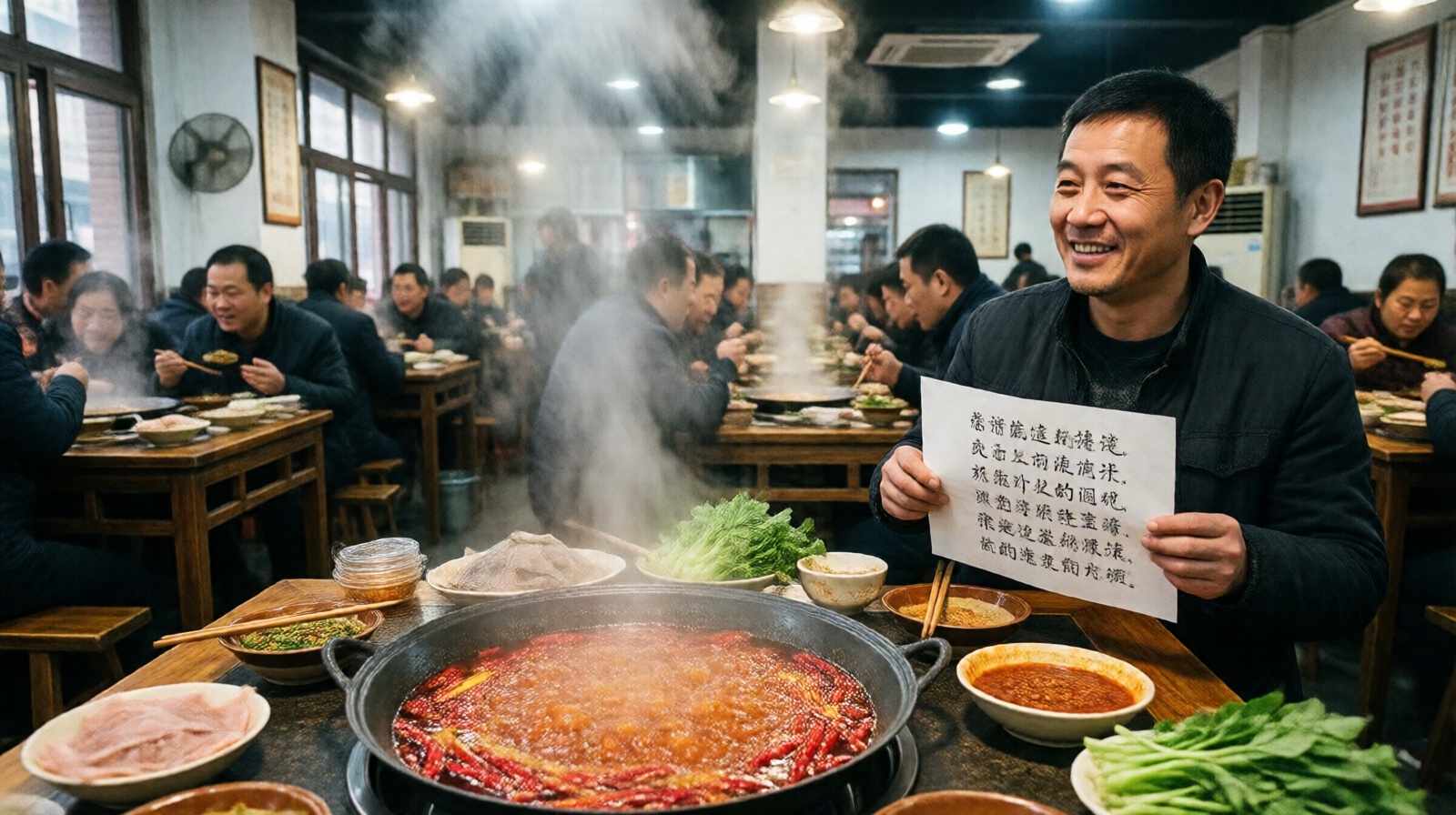
One case: a Chongqing hotpot restaurant owner, aged 45, started writing poems in his local dialect about his customers, the steam of the pot, and the noise of the street. His rough verses, filled with colloquial humor, were shared by millions. ‘I don’t know the rules,’ he said in an interview. ‘I just write what I feel.’ That authenticity is precisely what AI cannot generate: the unpolished, context-rich, emotionally honest voice of a real person.
Data supports this trend: the number of users publishing original poems on Chinese platforms has grown by over 40% in the last three years, with the largest growth among those aged 35-50—the so-called ‘sandwich generation’ who often have the most life stories to tell.
Conclusion: AI as a Tool, Poetry as a Mirror of the Soul
AI is a powerful assistant. It can help you find rhymes, generate drafts, or break through writer’s block. But it cannot live a life, and that life—with its messy details, unshared jokes, and private sorrows—is the raw material of qiyun. The fortress of Chinese poetry is not made of rules and forms. It is made of people: the taxi driver, the hotpot owner, the crying student, the laughing elder. They will keep writing, and no algorithm will ever replace them.
For foreign readers who want to understand today’s China, I recommend giving a contemporary Chinese poem a chance. You might find that behind the economic headlines and geopolitical debates, there are millions of ordinary people quietly weaving their world into words. That is the truest picture of China.