


Introduction: When Summer Hits, Chinese Reach for Cold Tea
Imagine it’s 35°C (95°F) outside, the humidity so thick you feel like you’re walking through soup. In Shanghai, a young office worker named Li Wei finishes her lunch and opens a delivery app. She orders a large cup of iced grapefruit green tea from a nearby tea shop. Ten minutes later, the delivery driver hands her a sealed cup, condensation already forming on the plastic. She takes a sip—cold, tart, slightly sweet, and instantly refreshing. This scene repeats millions of times across China every summer day.
But there’s another trend brewing quietly at home: cold brew tea. Not iced tea made from hot tea cooled down, but tea leaves steeped directly in cold water for hours. The result? A smoother, naturally sweet infusion with zero bitterness. No boiling water, no steeping timer, no fuss. Just tea, water, and a refrigerator.
In this article, we’ll explore why cold brew and fruit teas have become the go-to summer drinks for Chinese people, from busy office workers to students and families. We’ll also share simple recipes so you can try them yourself.
Cold Brew Tea: Simplicity in a Bottle
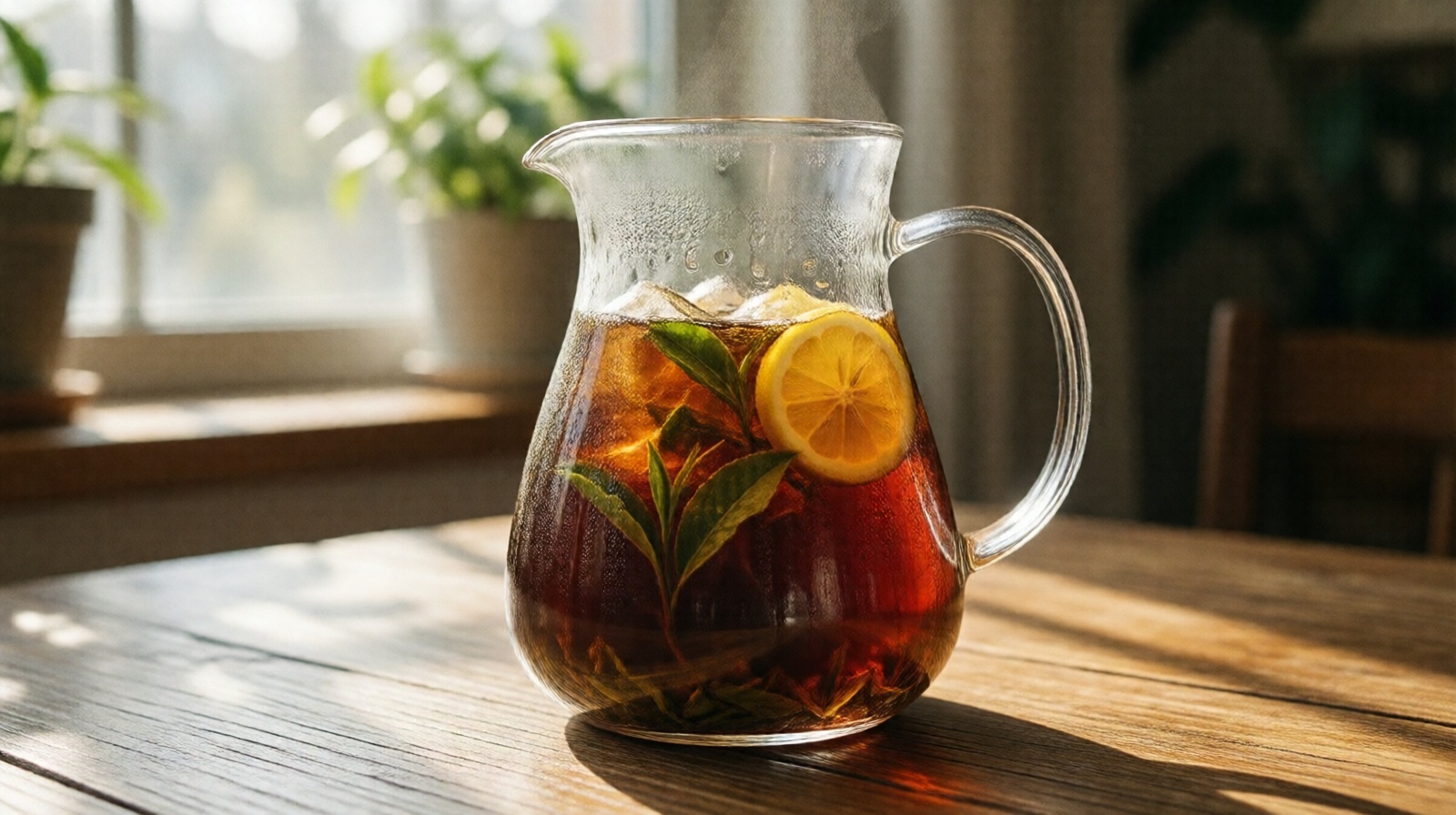
Cold brew tea (冷泡茶, lěng pào chá) is exactly what it sounds like: you put tea leaves in cold water, let them steep in the fridge for 6–12 hours, then strain and drink. It’s that simple. Unlike hot brewing, which extracts tannins and caffeine quickly and can turn bitter if oversteeped, cold water extracts flavors slowly and gently. The result is a mellow, sweet tea with almost no astringency—perfect for people who find hot tea too harsh in summer.
Why do Chinese people like it? First, convenience. You prepare it the night before and grab it in the morning. Perfect for commuters. Second, health. No sugar, no additives, just pure tea. Green tea (like Longjing or Biluochun) and oolong (like Tieguanyin) are popular choices. Some even use white tea or jasmine-scented tea.
Li Wei, the office worker, also keeps a bottle of cold brew in her work fridge. She fills a large glass jar with water, adds a teaspoon of green tea leaves and a few slices of lemon, and lets it steep overnight. Next day, she has a refreshing drink that costs almost nothing compared to the 25–35 yuan ($3.50–$5) she pays for bubble tea.
Fruit Tea: The Street-Food Star
If cold brew is the homebody, fruit tea (果茶, guǒ chá) is the social butterfly. Walk down any street in a Chinese city, and you’ll see tea shop after tea shop—Heytea, Nayuki, Coco, and countless local brands—each offering a menu of fruit teas. Typically, they combine brewed tea (green or black) with fresh fruit, ice, and sometimes a simple syrup. The fruit can be muddled, sliced, or pureed. Popular combinations include:
- Watermelon and jasmine green tea
- Lemon and black tea (think Chinese-style lemonade)
- Passion fruit and oolong
- Peach and white tea
- Grapefruit with honey and green tea
These drinks are not only thirst-quenching but also visually appealing—layered colors, floating fruit chunks, and often a decorative sticker on the cup. A typical fruit tea costs 20–35 yuan ($3–$5) and is considered a daily treat. Many young people even say they drink fruit tea “for the happiness” rather than just for hydration.

From Hot Tea to Cold: A Shift in Drinking Habits
China has a long tea culture: for centuries, drinking hot tea was the norm, even in summer. Traditional Chinese medicine advised against cold drinks, believing they harm the digestive system. But younger generations are less bound by these rules. Air conditioning makes hot drinks less appealing, and fast-paced urban life favors grab-and-go beverages. Cold brew and fruit tea are the perfect compromise: they satisfy the craving for something cool while still celebrating the taste of tea.
Tea shops also innovate constantly. In 2023, a single tea brand in China sold over 200 million cups of fruit tea annually. The market for ready-to-drink cold brew tea in supermarkets is growing at 15–20% per year. Clearly, this is not a passing fad.
How to Make Cold Brew and Fruit Tea at Home
Ready to try? Here are two foolproof recipes.
Classic Cold Brew Green Tea
- 1 tablespoon loose-leaf green tea (or 2 tea bags)
- 1 liter cold water
- Optional: lemon slices, mint leaves, or a stick of cinnamon
Combine tea and water in a pitcher or jar. Cover and refrigerate for 8–12 hours. Strain or remove bags. Serve over ice. That’s it. You can store it for up to 3 days in the fridge.
Watermelon Jasmine Fruit Tea
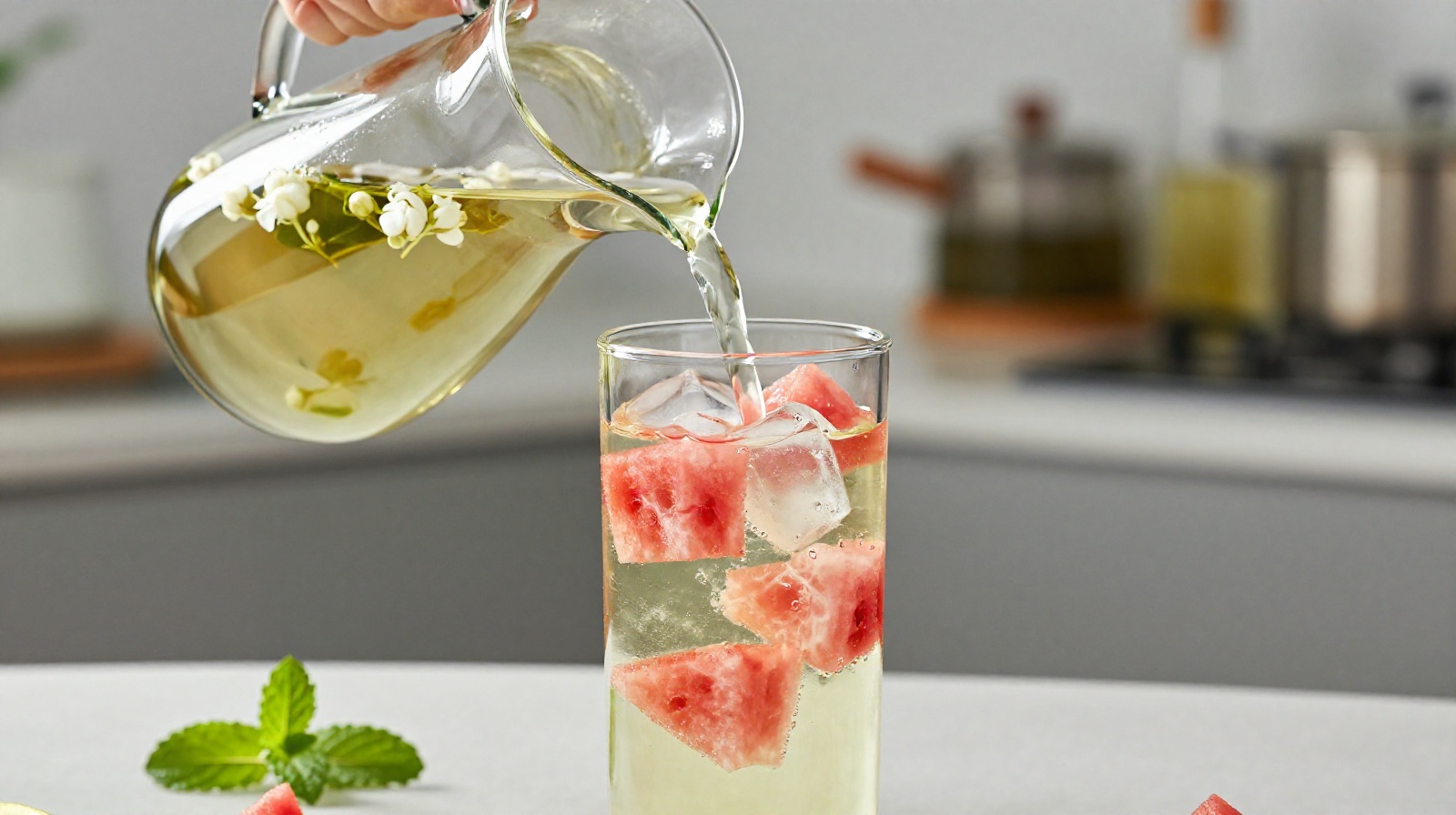
- 2 cups cold brew jasmine green tea (made ahead)
- 1 cup cubed watermelon
- Juice of half a lime
- 1 tablespoon honey or simple syrup (optional)
- Ice
Muddle half the watermelon cubes in a glass. Add ice, remaining watermelon, lime juice, and sweetener if using. Pour the cold brew tea over the top. Stir and enjoy. Perfect for a hot afternoon.
More Than a Drink: A Social Connector
Cold brew and fruit tea have become social tokens. Friends meet at tea shops to chat and take photos of their colorful drinks for social media. Office colleagues order a group delivery to beat the afternoon slump. Parents buy fruit tea for their kids as a healthier alternative to soda. Even during the Chinese New Year, tea shops sell special fruit tea gift sets.
The phrase “续命水” (xù mìng shuǐ, meaning “life-sustaining water”) is often used jokingly for these drinks. It captures how indispensable they feel on a scorching day. In a country where drinking hot water was once the default, the rise of cold tea shows how Chinese culture adapts without losing its roots. You still drink tea—just colder, faster, and with more fruit.
Conclusion: A Cool Sip of Modern China
So, what do you drink in summer in China? Cold brew and fruit teas, made with care or bought in a flash. They reflect a generation that values simplicity, flavor, and instant gratification, but also respects tradition. The next time you see a Chinese person with a transparent plastic cup full of ice and floating fruit, you’ll know: this is not just a drink. It’s a statement that summer can be enjoyed, one cold sip at a time.
Now, go fill a jar with water and tea leaves. Your future self will thank you.