
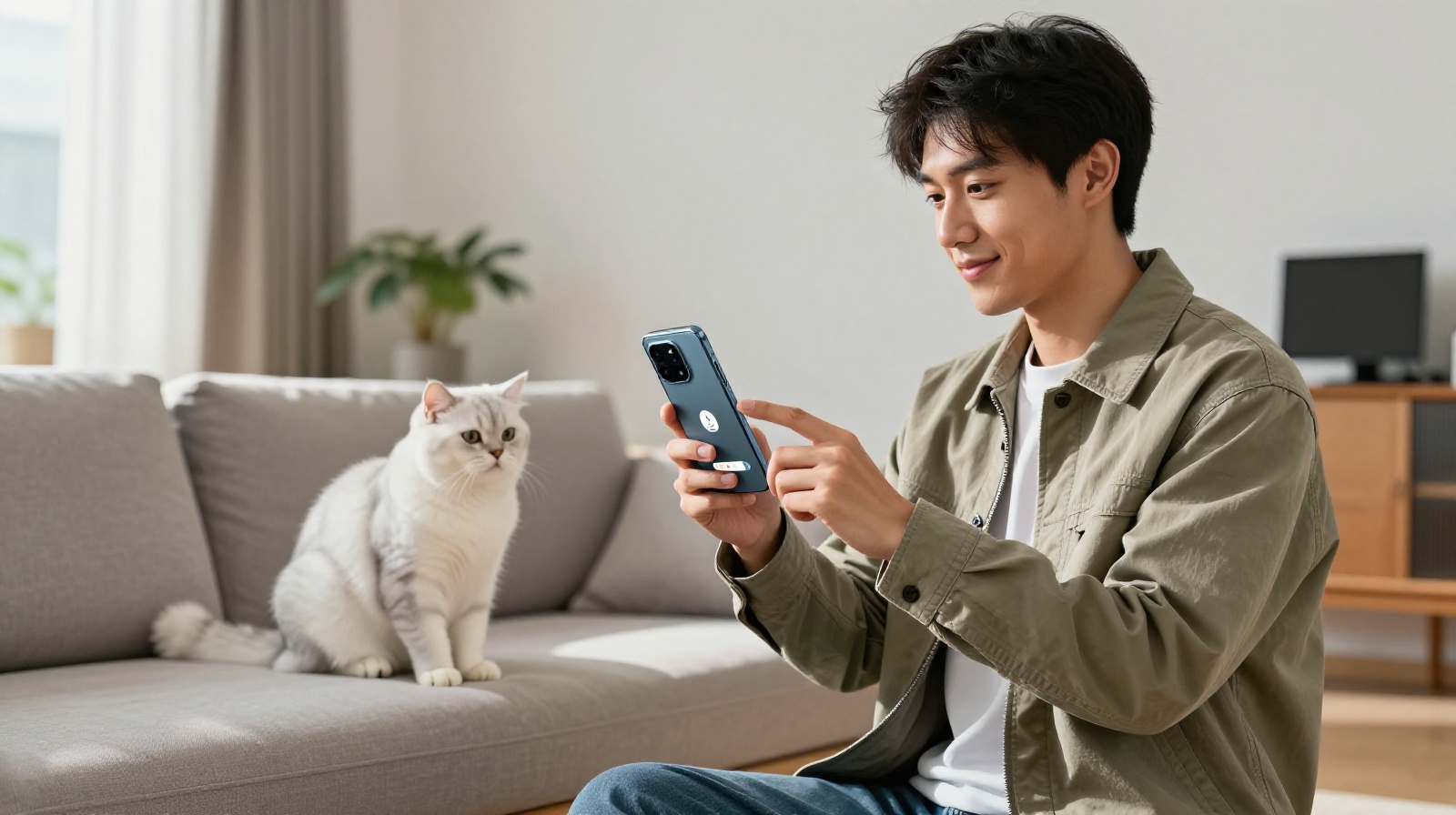

The Empty City, The Busy Cat
Walking through the streets of Shenzhen on the eve of the Lunar New Year feels like stepping into a sci-fi movie. The usually crowded shopping malls are quiet. The subway stations, packed with commuters just 48 hours earlier, are eerily silent. This is the Chunyun period—the world’s largest annual human migration. Millions of Chinese people leave their cities to return to their hometowns for family reunions.
But I wasn’t leaving. And neither were my clients’ cats.
In modern Chinese urban life, pets are no longer just animals; they are considered “fur children” (mao haizi). When the family leaves, the fur children stay behind. This has given rise to a booming industry: professional pet sitters. My job for the next seven days was simple in description but intense in execution: be the temporary parent to over twenty cats across different apartments.
Entry Protocol: Disinfect, Don’t Disturb
My first stop of the day was a high-rise apartment in Nanshan District. Before even knocking, I pulled out my phone. The doorbell camera showed the owner, Mrs. Li, watching from her train in Henan province.
“I’m here,” I said into the intercom. “Please confirm the code.”
This is the new normal for pet care in China. It’s not just about opening a door. It’s a professional contract. Upon entering, I didn’t go straight to the cat. First came the ritual: removing shoes, putting on a disposable coverall, spraying a hospital-grade disinfectant on my hands, and wearing a mask. For many cat owners, especially those with immune-compromised cats or kittens, this level of hygiene is non-negotiable.
Inside, the apartment was cool and quiet. The smart home system was already set to “Vacation Mode.” Lights were off. The air conditioner hummed at a steady 22 degrees Celsius. Only the sound of the automatic litter box cycling and the gentle purring of the cat, Mochi, filled the room.
The Performance of Care
Mochi, a British Shorthair with a face like a flattened peach, greeted me with a low meow. He wasn’t hungry yet—his smart feeder had dispensed breakfast three hours ago—but he was lonely.
Here is where the job shifts from biological maintenance to emotional labor. I sat on the floor, engaging Mochi with a laser pointer and a feather wand. For twenty minutes, I played. Then, I checked his water bowl, refilled it with filtered water, and scooped the litter box. Cleanliness is paramount; a dirty litter box is a sign of neglect in the eyes of Chinese pet owners.
But the most critical part of the visit wasn’t the cleaning. It was the documentation.
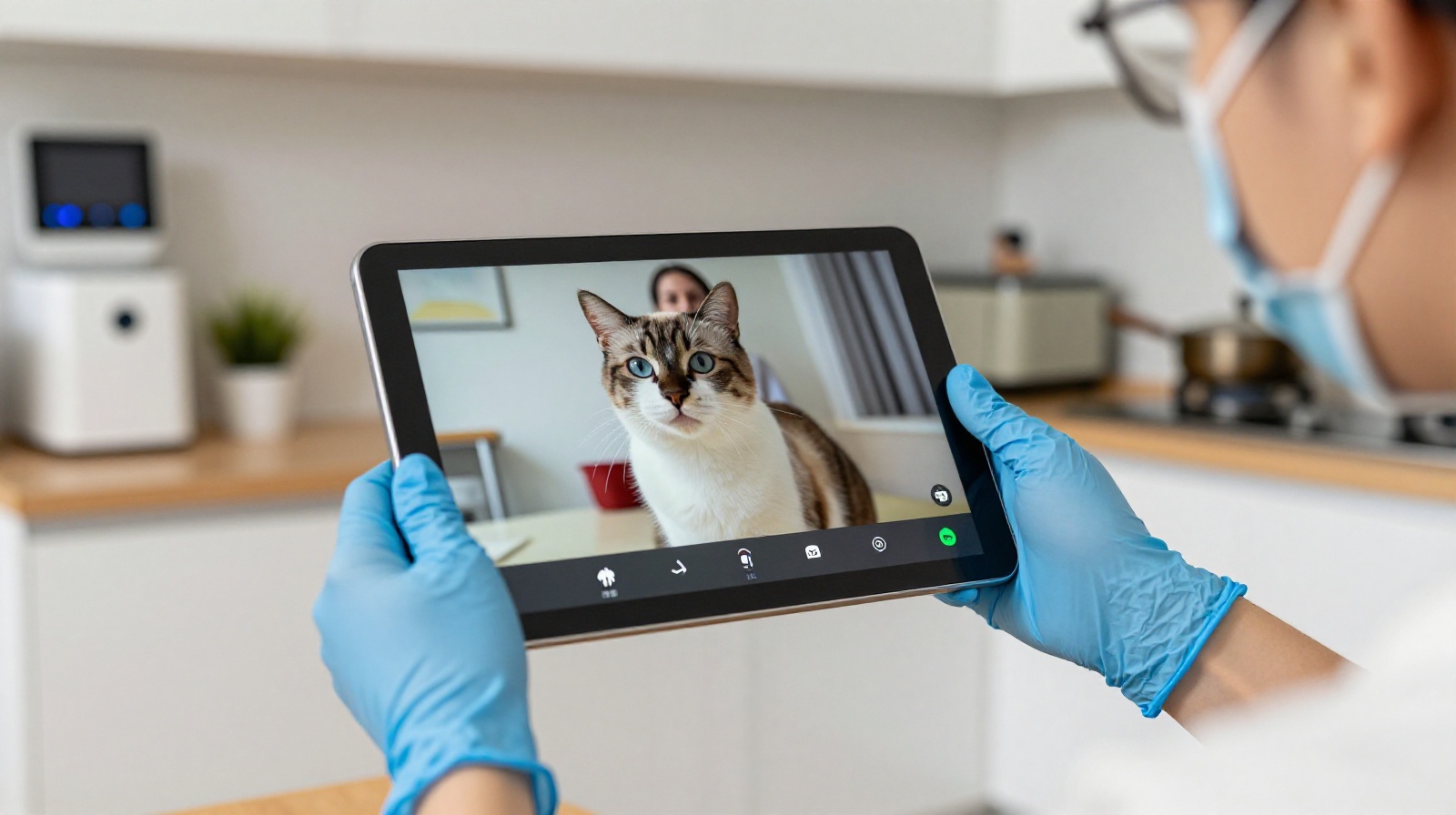
I pulled out my phone again. I didn’t just take photos; I started a live video call with Mrs. Li. “Look, he’s eating well,” I said, holding the camera close to Mochi as he sniffed a treat. “His coat is shiny. No vomiting. The litter box is clean.”
This “cloud pet parenting” allows owners to alleviate their guilt and anxiety while they are hundreds of miles away on high-speed trains. They aren’t just paying for someone to feed an animal; they are paying for peace of mind.
The Professionalization of Love
By noon, I had visited three apartments. My back ached from crouching, and my mask was foggy. But the industry is growing rapidly because the demand is real. In the past, people might have asked a neighbor to drop in. Today, neighbors are often strangers in gated communities.
Platforms like Aibitong and Xiaozhu have standardized this service. They require background checks, training certificates, and even insurance coverage for accidental pet injuries. If a cat scratches me or breaks a vase, there is a protocol. This professionalization reflects a broader shift in Chinese society: the recognition that pet care is a specialized skill, not just an act of kindness.
There is also a practical aspect. Many landlords require tenants to provide proof of cleaning after moving out. Pet sitters often double as light cleaners for these short-term stays. I wiped down the entryway, vacuumed the cat hair from the sofa, and checked that the gas valves were turned off—a common safety precaution during long holidays.
The Reunion
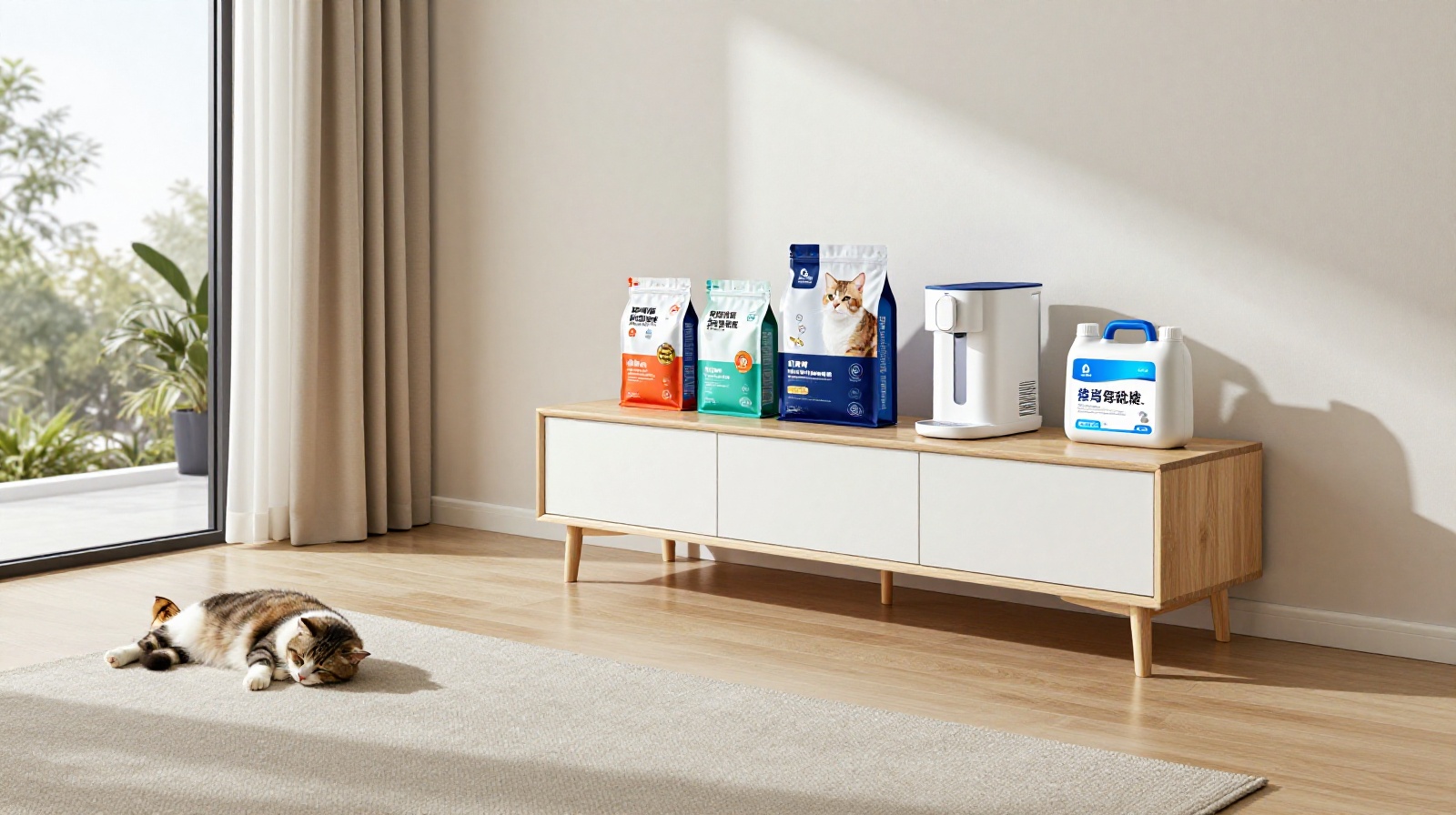
On the seventh day, after a week of non-stop driving, I finished my last visit in a quiet suburban complex. The owner, a young developer named Chen, was returning from his ancestral village in Sichuan. He had left his cat, Oreo, with strict instructions: “Do not let him out. Check the water every day. Send me videos.”