
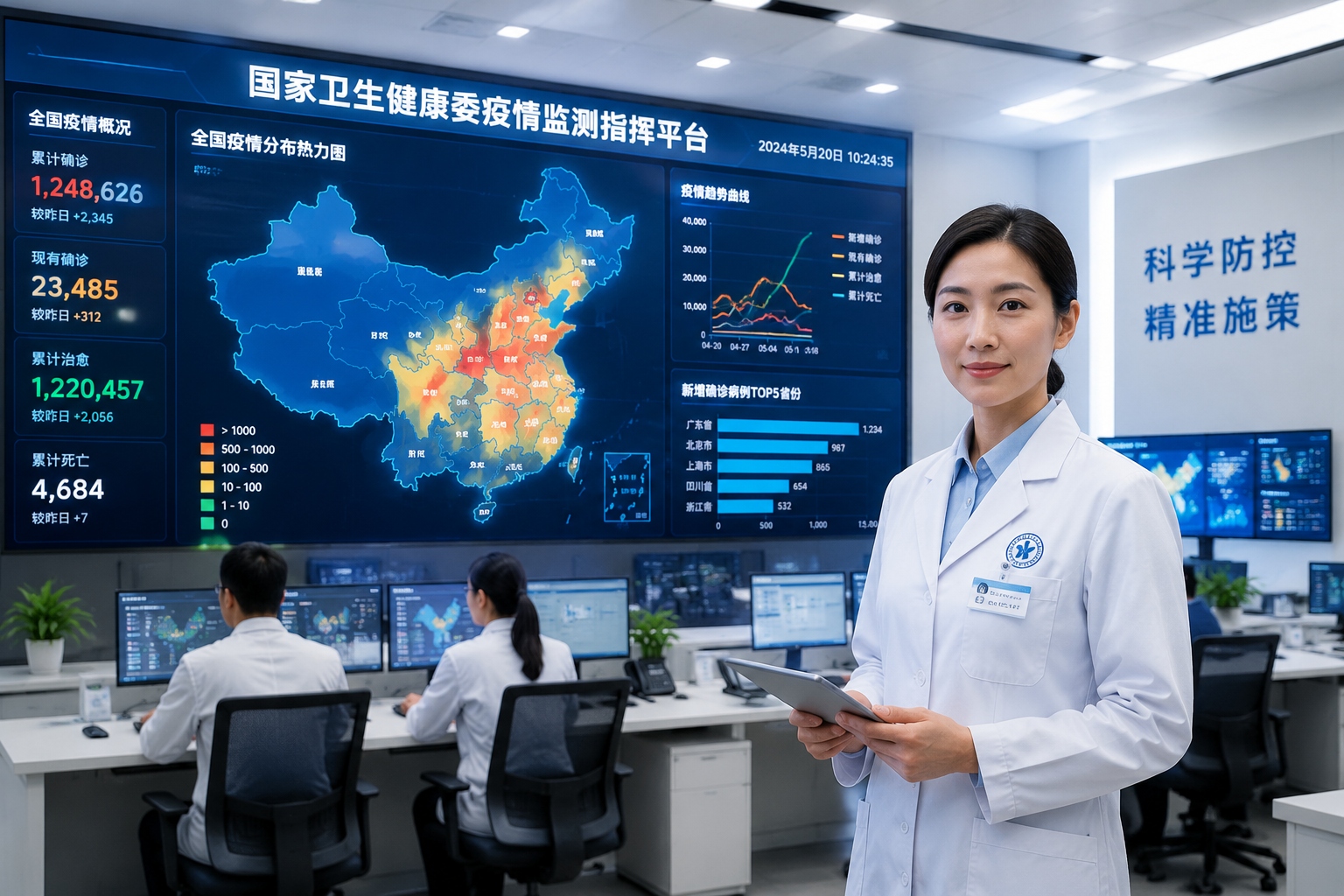

A Flu Warning, Two Weeks Early
On a Tuesday morning in downtown Shanghai, Dr. Chen Yun opens her computer and sees something unexpected: a heatmap of her district with a bright red patch near several elementary schools. The system isn’t showing current cases—it’s predicting that respiratory infections, especially flu, will surge in that area in two to three weeks. She has learned to trust these warnings, even when they seem surprising. Last winter, the same algorithm flagged an early flu wave, and her clinic stocked extra medicine and extended evening hours just in time. When the wave hit, they were ready. “It feels like having weather radar for diseases,” she says.
What’s Behind the Prediction?
Disease surveillance in China is not new. A national system has collected reports on infectious diseases since the 1950s. What’s changed is the flow of data. Today, hospitals, clinics, community health centers, and pharmacies feed information into digital platforms in near real time. Those platforms combine official case reports with unconventional signals: how many children were absent from school, how many boxes of cough syrup were sold at pharmacies, how many people searched online for “fever” or “flu,” and even local air-quality readings and temperature changes.
Machine-learning models trained on years of historical patterns then look for early correlations. For example, a jump in elementary-school absences in a district combined with a cool, dry weather forecast can hint at a respiratory outbreak ten days later. The models constantly learn and adjust as new data flows in.
From One Doctor’s Screen to a National Network
Systems like this are now being adopted across Chinese provinces. The National Health Commission and the Chinese Center for Disease Control and Prevention (CDC) have been piloting an “intelligent early-warning” program since 2022, integrating data from hundreds of medical institutions. Regional versions exist in cities like Shanghai, Hangzhou, and Chengdu. Some municipal health bureaus share forecasts with hospitals and grassroots clinics through secure apps. Community workers receive alerts on their phones—for instance, a push notification saying “Suspected early sign of influenza in your community. Please check vaccination coverage among high-risk groups.”
The goal is not just to predict, but to act faster. As one CDC official put it, “If we can know ahead of time, we can move ahead of the virus.”
The Real Data Behind the Predictions
To understand how it works, consider a typical data hub in a Chinese city. It receives anonymized outpatient records from 30+ hospitals, daily sales data of cold and flu medicines from 200 pharmacies, and absence rates from 150 schools. On top of that, the system pulls meteorological data and search-trend information from major internet platforms. Privacy safeguards are built in: patient names and identity numbers are replaced with unique codes, and data is aggregated at district level before analysis.
In Hangzhou, a team at Alibaba’s cloud division collaborated with the local health authority to build a flu-prediction model. They found that online search queries, especially phrases like “flu vaccine price” and “school closed,” started rising four or five days before a formal spike in hospital visits. By blending these signals, the model could predict the next week’s outpatient volume within 10 to 15 percent error—enough for a hospital manager to plan rosters and order extra supplies.
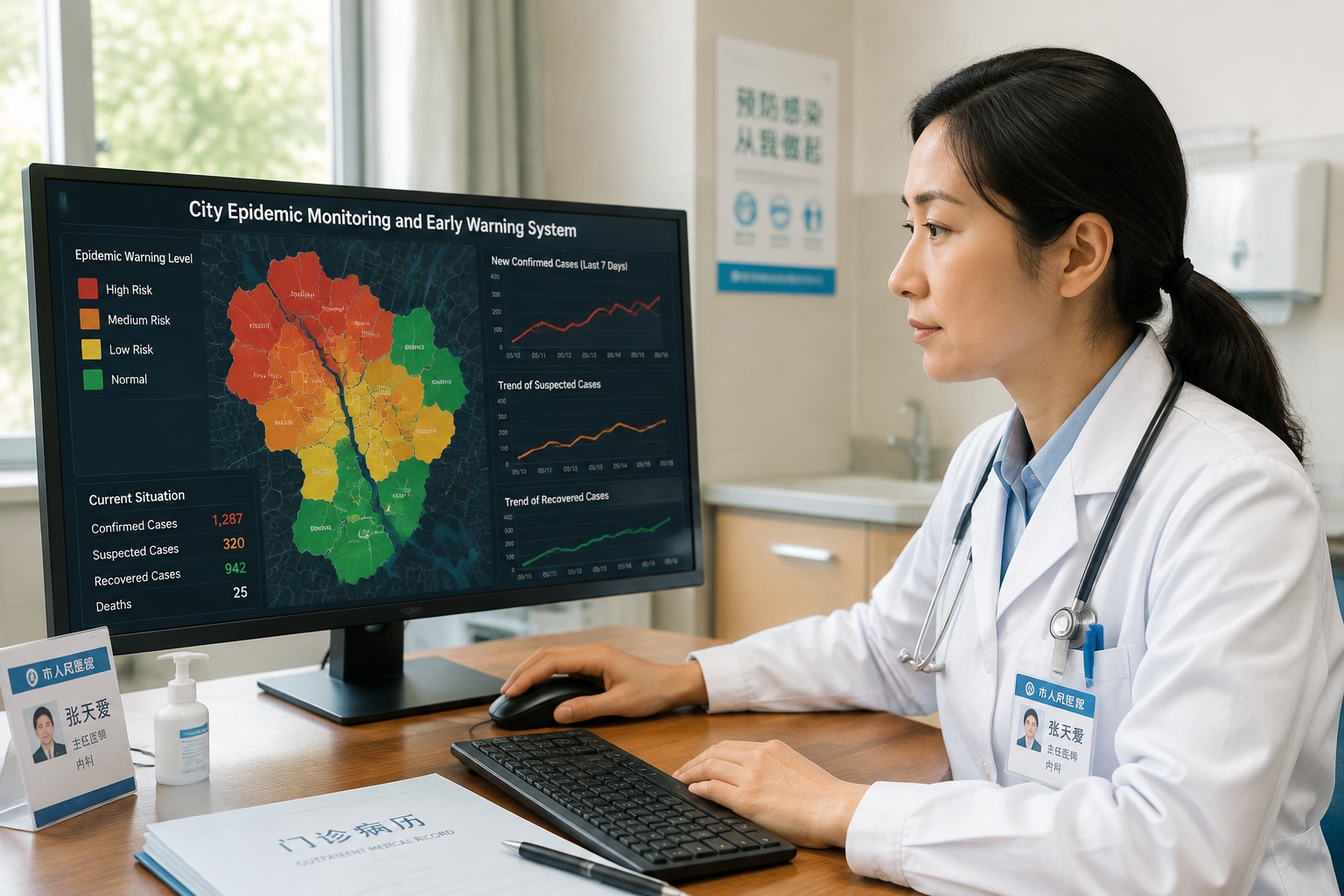
How Doctors and Clinics Actually Use These Projections
Dr. Chen shows me a typical alert she received a year ago. It predicted a 70% chance that her clinic’s respiratory consultations would double within three weeks, especially among children aged 5 to 14. She forwarded the message to the clinic group on WeChat, asked the pediatrician to postpone leave, and ordered extra pediatric influenza test kits. The clinic also sent a text reminder to 200 parents of children with a history of severe asthma, suggesting they come in for the flu shot.
For bigger decisions, district health commissions rely on similar data to reorganize resources. In one Chengdu district, during a predicted bad flu season, the commission moved ten nurses from a quieter community clinic to a busy one near a school cluster. Vaccinators were sent to temporary stations at schools. These actions are low-tech, but they are timed using high-tech forecasts.
What It Feels Like for Patients
Most patients never see the forecasting engine. They just notice smaller changes. A vaccination notice appears on the health app they already use. A pediatrician says, “It’s better to get the shot this week, because the flu is coming.” A pharmacy offers a small discount on masks and vitamins just before cold weather arrives.
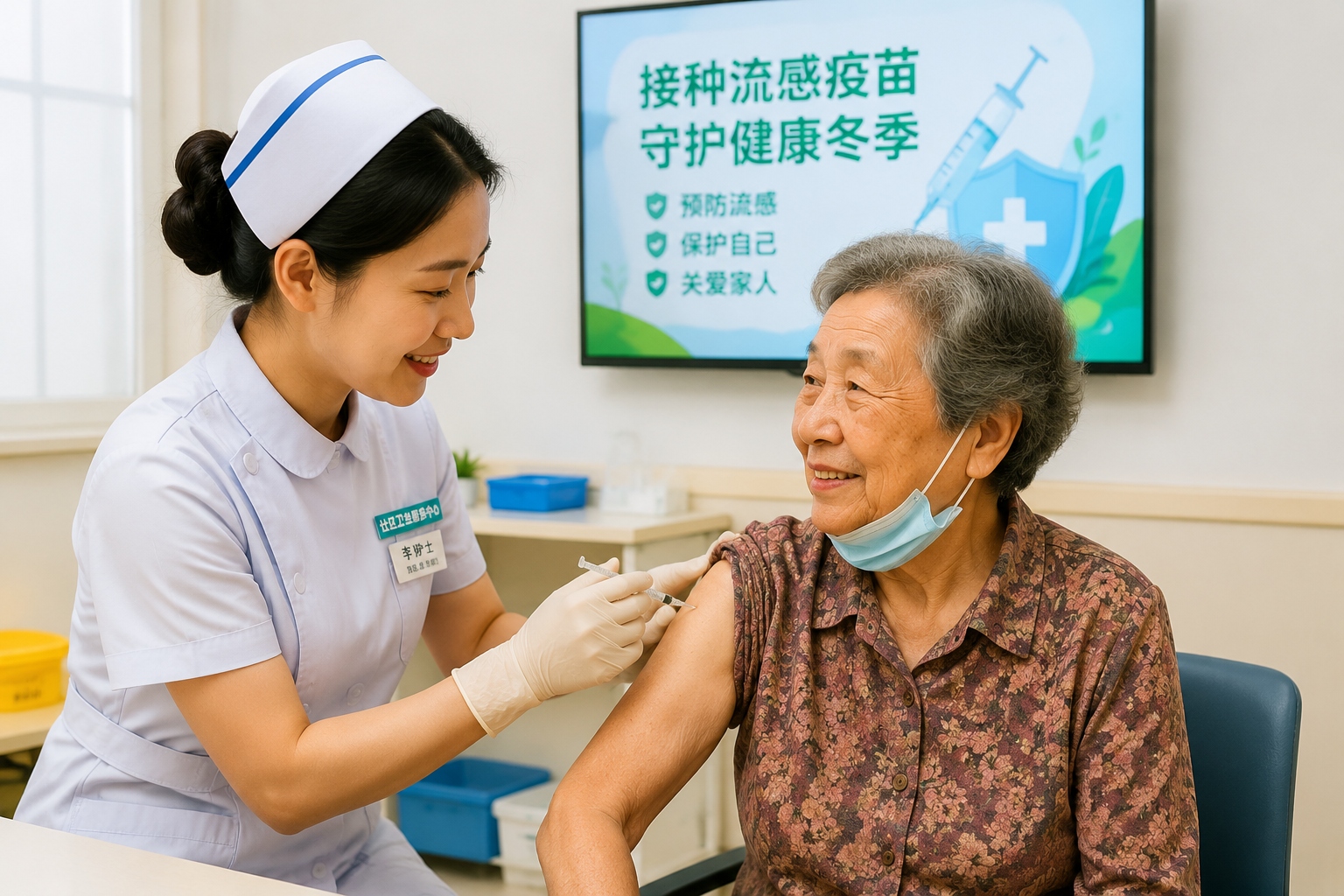
An elderly woman in Beijing told me she gets a phone call from her community health center every October reminding her to get a flu shot and a pneumonia vaccine. “They said this year’s flu season would come early, and they were right. I didn’t catch anything all winter,” she said. That is the technology becoming invisible and practical.
Not a Crystal Ball: Accuracy, Bias, and Privacy
Of course, the predictive system has limits. It works well in big cities with dense medical infrastructure, but less so in remote rural counties where hospitals report cases sporadically and internet coverage is patchy. False alarms are common; models can be thrown off by an unusually hot week or a popular online challenge that makes everyone talk about fever.
Algorithmic bias is another problem. If a model is trained mostly on data from coastal cities, it may perform poorly in inland regions with different climates and demographics. Developers are aware of this and are trying to build regional models, but it takes time.
Privacy concerns are harder to resolve. Even with anonymized data, the combination of pharmacy sales and school absences at a neighborhood level can reveal sensitive information about a small community. Chinese law requires data minimization and informed consent, but as one health informatics researcher says, “We are walking a fine line between useful and creepy.”
From Forecasting to Action
The next frontier is to make the system act on its own. Researchers are designing “closed-loop” models that not only predict an outbreak but also recommend and trigger responses. For example, if the risk score in a district rises above a threshold, the system could automatically notify vaccine storage depots to release stock to local clinics. Some pilots are testing electronic vaccination records that send a prompt to a parent’s phone when an outbreak is predicted in their child’s school district.
There are also experiments to integrate data from wearable devices and smart thermometers. Imagine a city where anonymized, aggregated temperature readings from millions of wearables create an ultra-early signal for fever clusters. That sounds futuristic, but the data pipelines are already being built.
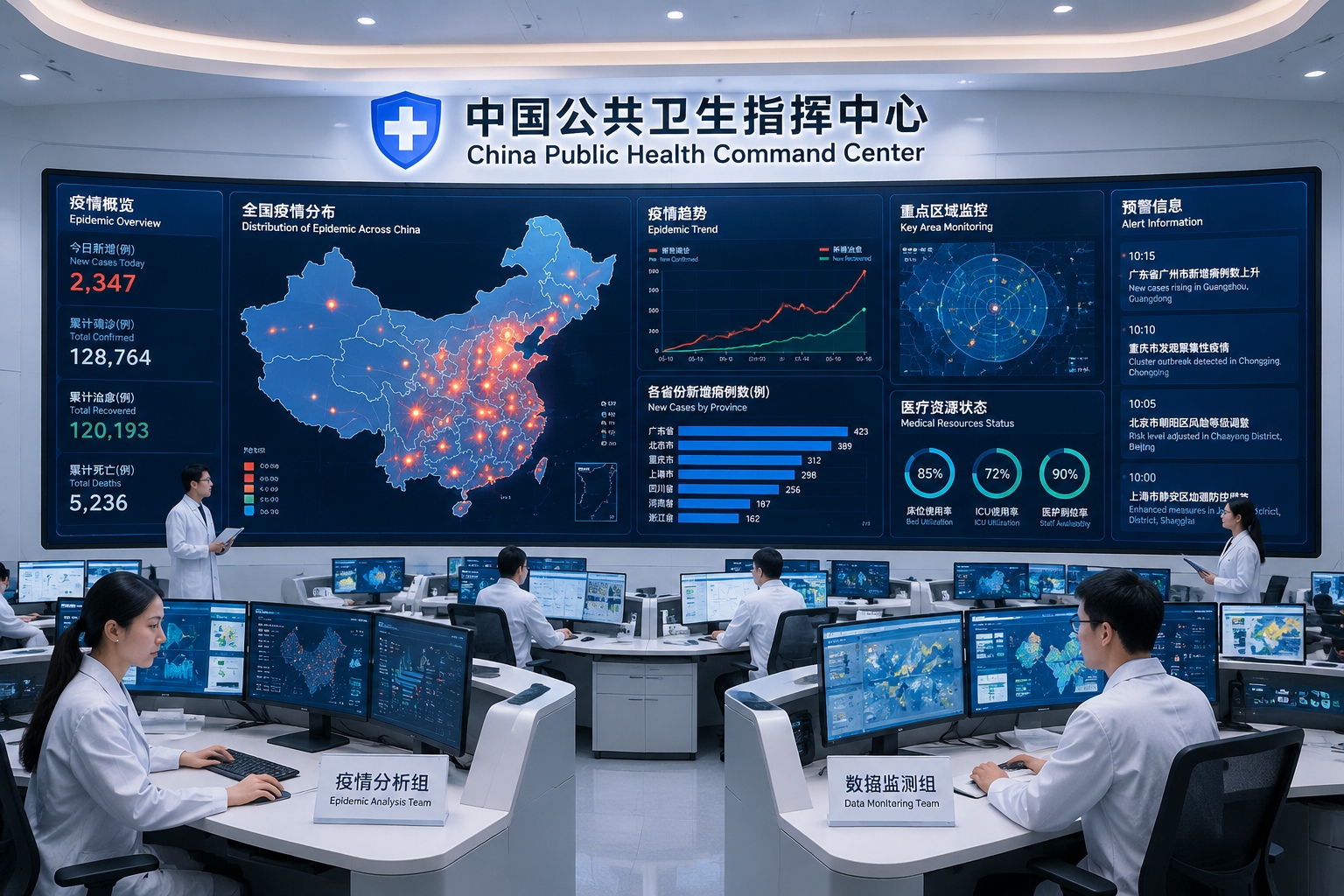
A Quiet Revolution
The interesting thing is that this transformation is not accompanied by a lot of speeches. It’s happening in the everyday work of doctors, nurses, and public-health officials. In the margins of a busy clinic, a doctor glances at a heatmap on her phone; a pharmacy chain adjusts its stock of children’s cold medicine; a school principal decides to postpone the annual sports day because the flu forecast looks bad.
None of these actions is dramatic. But together, they show how a vast country is learning to use its most valuable asset—data—to protect ordinary people. The next time you hear about “big data” in China, it might not be about e-commerce or social media. It could be about making sure your grandmother gets her flu shot before the virus arrives.
Start the discussion at forum.chinacomes.com