


At dusk in Chennai, India, a sudden power cut sends half the street into darkness. In Anil’s small food shop, the lights go off, the fan stops — but the freezer keeps humming. A small green light shows the backup battery inside. He bought that refrigerator a year ago from a brand he had never heard of before: Haier. It was not the cheapest fridge in the store. But in a city where electricity can disappear for an hour or more, the promise of staying cold for another few hours made him ignore the extra price.
Anil is not alone. Across Southeast Asia, South Asia, Africa and Latin America, millions of first-time buyers are choosing Chinese home appliance brands over Western and Japanese names. You might expect this is about price. But a closer look shows a more interesting story: the Chinese rise is less about cheap goods than about showing up in places where the global giants did not want to adapt.
A Big Middle-Class Gap That Few Brands Bothered to Fill
In mature markets such as the United States, Germany and Japan, almost every home has a washing machine, a refrigerator and an air conditioner. Sales are about replacing old products. But in fast-growing emerging markets, things are different. Millions of households are buying their first white goods. Industry data suggests that refrigerator penetration in India is still below half of all homes, and ownership in Southeast Asia and Africa is climbing far faster than in Europe or the US.
This creates a strange gap. Western premium brands like Bosch and Electrolux design for Western kitchens and price themselves out of reach for most local buyers. Local brands in many countries are cheap but often fail on reliability and energy efficiency. Chinese companies stepped into this empty space with an offer that feels almost natural for these markets: good enough quality, a price near the local market, and a willingness to change the product for local conditions. That is how Haier, Midea and TCL went from being unknown names to household words in places like Vietnam, Nigeria, Brazil and India.
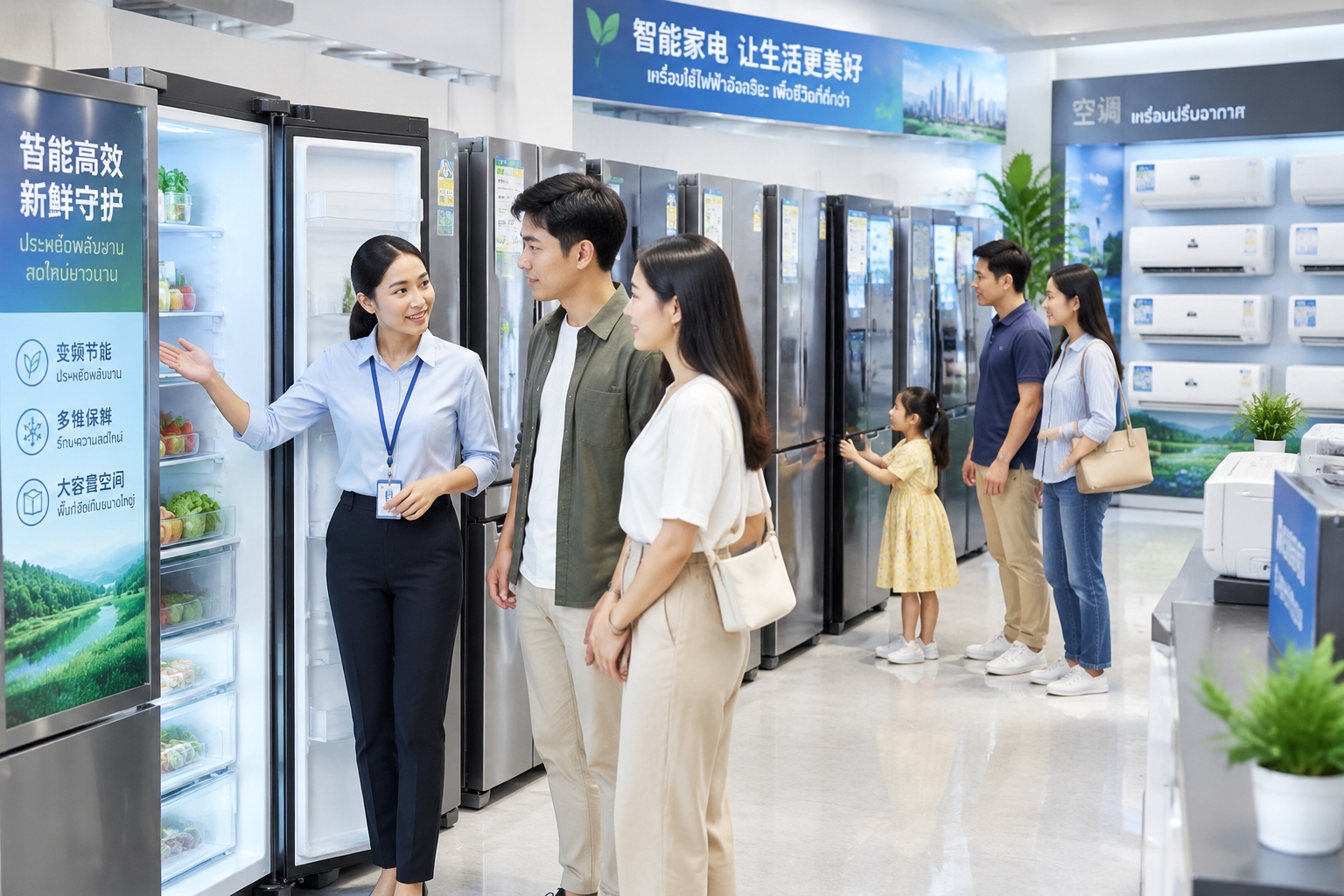
Making Products That Fit a Hotter, Power-Hungry World
Chinese appliance makers do not simply ship the same product sold in China to other countries. In many cases, they have set up local R&D teams and factories. One of the clearest examples is Haier’s India operation. Electricity shortages remain part of daily life in many Indian cities, so Haier added a lithium-ion battery to a range of refrigerators. If the power goes out, the fridge stays at a safe temperature for several extra hours — a feature that most international competitors did not offer.
In Thailand, Midea built one of its largest overseas air-conditioner factories, with a research team that studies how machines handle tropical humidity and dust. In Brazil, TCL produces televisions and air conditioners locally, while also adapting its products to frequent voltage swings. If you come from the US or Europe, many of these adjustments may look small. But to a family in Jakarta or Nairobi, a device that can withstand brownouts and heat is not a nice extra — it is the reason to choose one brand over another.
Product adaptation also extends to how people actually use appliances at home. In many tropical countries, people cook every day and keep leftovers, so refrigerator makers have added stronger door seals and wider temperature ranges. In some markets with weak water supply, washing machines come with larger water tanks and filters. These details rarely appear in global marketing brochures, but they shape the buying decision.
A Distribution and Service Network That Reaches Far Beyond Big Cities
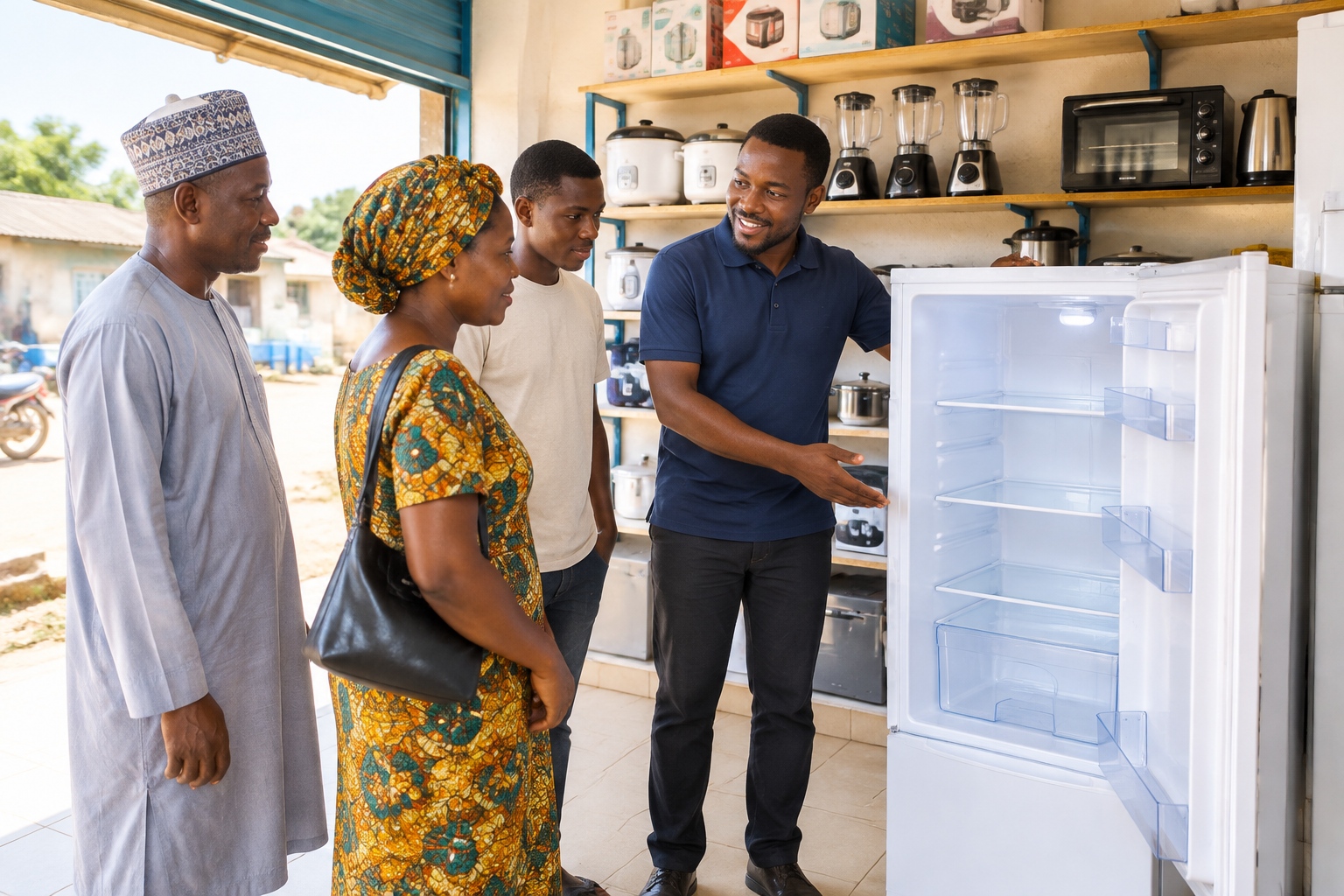
Another lesson comes down to sales channels. In many emerging markets, e-commerce is growing but still represents only a fraction of appliance sales. People like to visit a shop, see a machine work, touch the buttons, and hear the after-sales guarantee. Chinese brands have built distribution networks that use thousands of independent dealers, small-town retailers and brand shops to reach communities that continue to be underserved by the established global players.
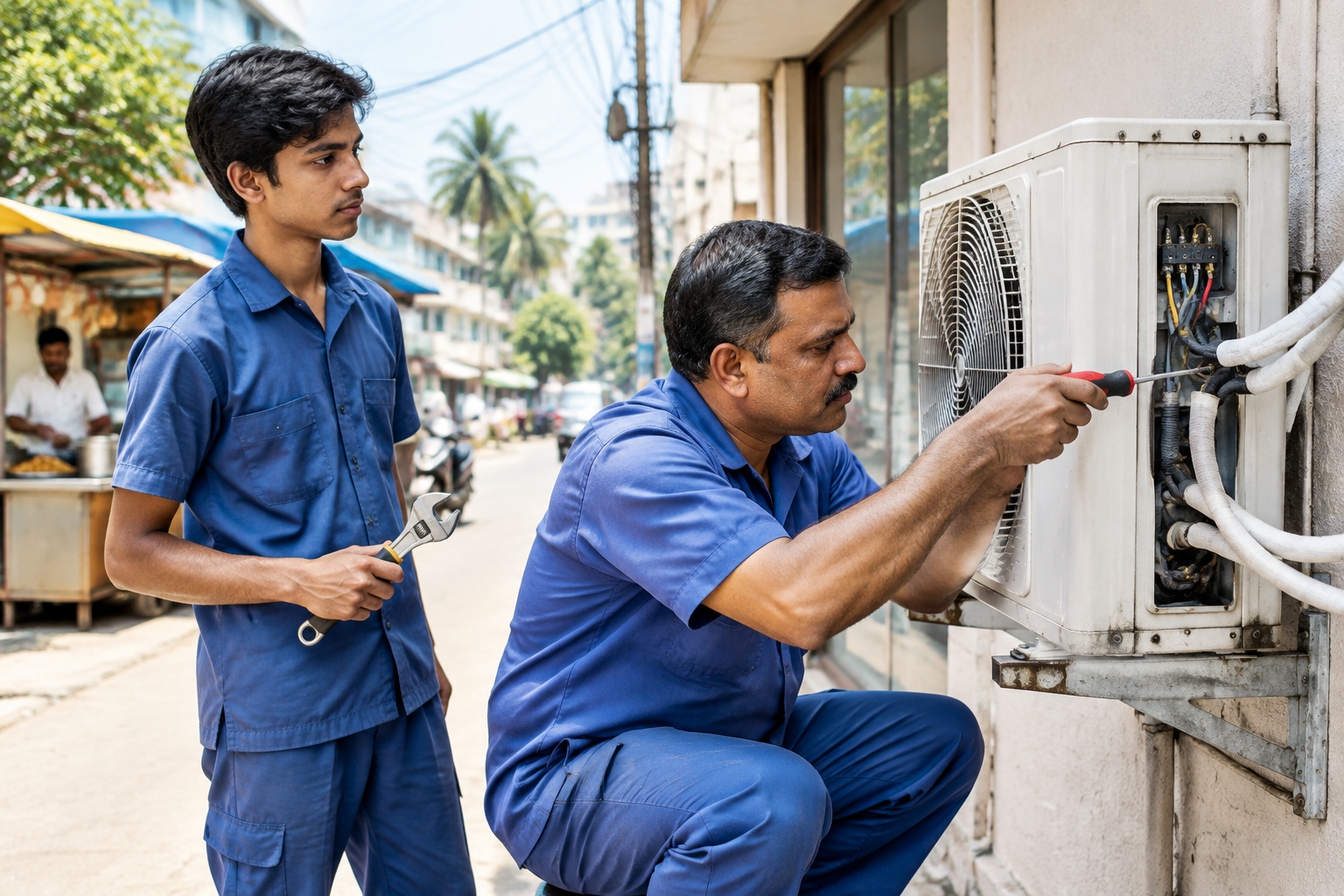
Just as important is the after-sales service. When you sell a refrigerator to a village shop that is fifty kilometres from the nearest town, a breakdown can be a financial disaster. If the customer cannot find a technician to repair it, the brand loses trust. Chinese companies understood this early. Today, many maintain their own service centers or train local technicians who can fix a broken compressor, replace a motor or install a new air conditioner. This kind of quiet, boring work does not make great headlines — but it is a major reason why homeowners trust a Chinese brand enough to recommend it to their neighbors.
A Fast Factory Floor and a Long Supply Chain Behind It
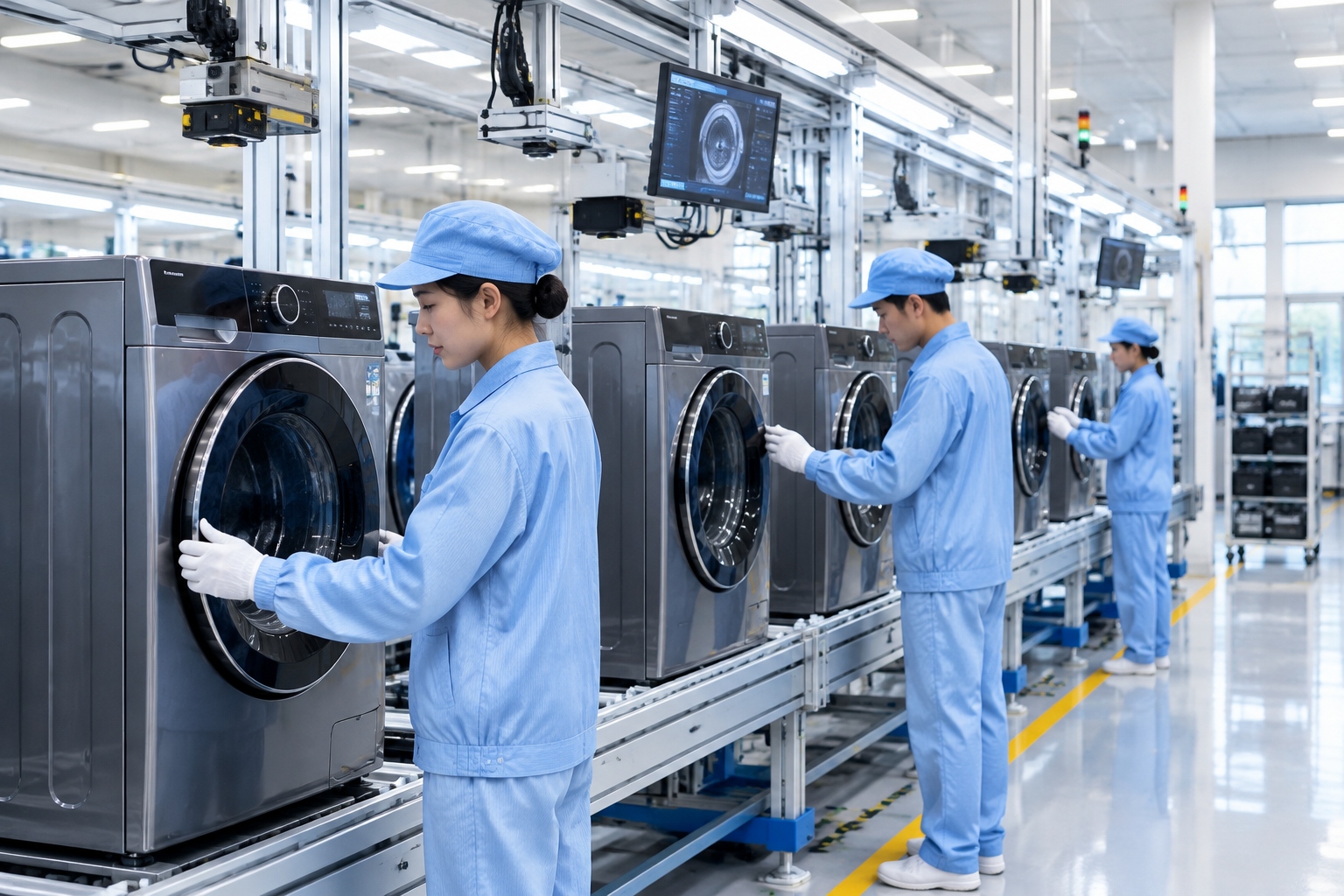
Part of the advantage is inherited from China’s manufacturing base. China is the world’s largest manufacturer of home appliances, and Guangdong, Zhejiang and the lower Yangtze region provide an integrated ecosystem of compressors, electric motors, plastics and electronics. This means Chinese companies can introduce new models quickly and produce small batches at relatively low cost. If a market in the Middle East wants an air conditioner without a particular integrated feature, the supply chain can adjust in months, not years — something international rivals often cannot do because their product development is anchored in headquarters far away.
Chinese companies are also setting up factories inside emerging markets to avoid import taxes and respond faster to local feedback. Midea’s air-conditioner plant in Vietnam, Haier’s refrigerators built in India, and TCL’s TV assembly in Brazil all make sense as local manufacturing hubs rather than simple export points. By building onshore, they shorten lead times and create local jobs, which in turn gives them a stronger relationship with local governments and consumers.
Now the Battle Gets More Complicated
None of this means China has won the game for good. Local companies, from India’s Godrej to Turkey’s Arcelik, are becoming stronger. Samsung and LG, which have dominated many emerging markets for years, are not sitting still. They are spending money on marketing, brand credibility and new price points designed for the middle of the market. In places like India and Indonesia, some consumers are already shifting from Chinese brands to higher-status Korean or Japanese ones when they can afford to.
In response, many Chinese companies are moving up the value chain. They are investing more in smart-home ecosystems, energy-efficient compressors, better design and global brands. Haier has acquired some well-known names, such as GE Appliances, and now sells premium home appliances under various brand portfolios. Midea has built industrial robotics and digital platforms that make its supply chain even faster. TCL continues to invest in display technology and a more localized global marketing strategy.
So why do Chinese home appliance brands win in emerging markets? It is not because they make the cheapest widgets. The real answer lies in the willingness to look at the world from the point of view of a shop owner in Chennai or a mother in Jakarta. They saw a space that established brands ignored — and rather than sell from afar, they went deep into each market with tailored products, accessible channels, service networks, and a manufacturing system fast enough to follow local needs. That combination is hard to copy, and it is still evolving.
Start the discussion at forum.chinacomes.com