

When a Taiwanese celebrity turned China’s living rooms into gyms
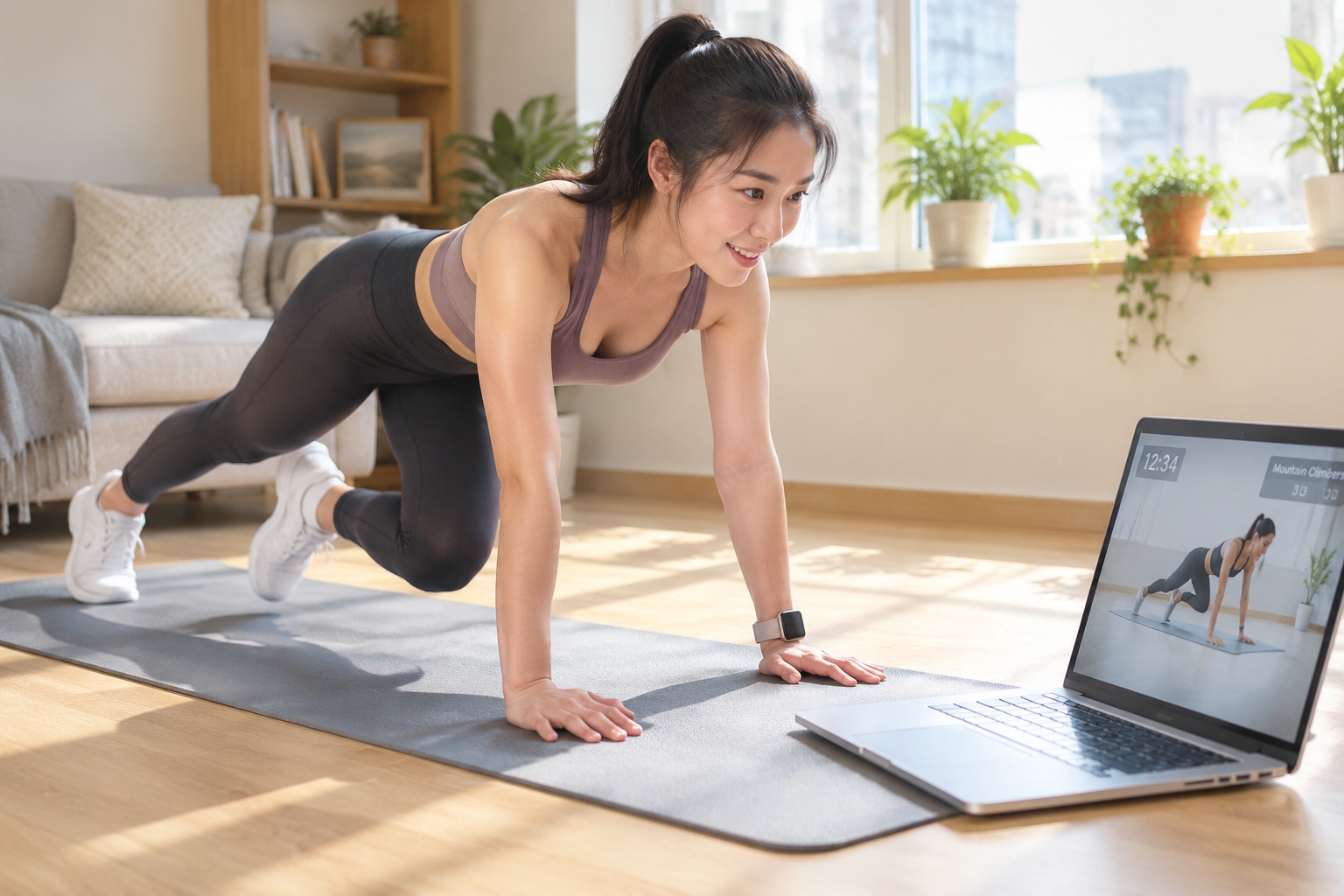
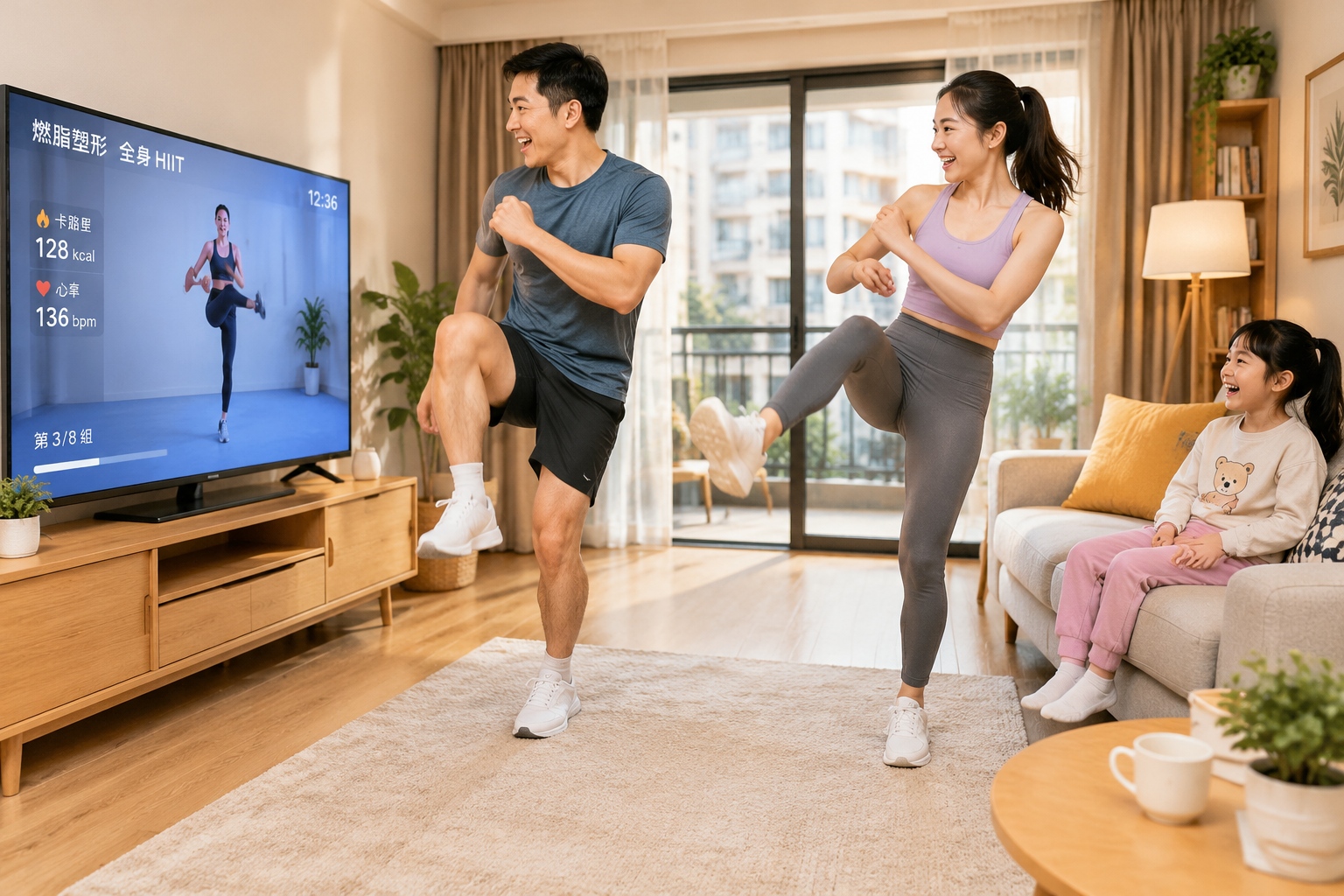
In April 2022, Shanghai was in lockdown. A 49-year-old Taiwanese singer and actor named Liu Genghong started livestreaming workouts from his apartment. He and his wife, Wang Wanfei, jumped and kicked to the tune of “Compendium of Materia Medica,” a fast-paced pop song. The moves were simple. The energy was infectious. Within weeks, millions of people across China were following along at home. Liu became a national phenomenon.
That was the peak of “cloud fitness” — a term Chinese internet users coined for working out via livestreams, apps, and short videos. Three years later, the pandemic is over. Gyms have reopened. Parks are full. So what happened to all those people who once sweated in their living rooms? Is livestream fitness still a thing in China? The answer is more interesting than a simple yes or no.
The rise and split of online workouts
Liu Genghong was not the first to bring fitness online in China. Apps like Keep had been growing since 2015, offering guided workouts and running plans. Short video platforms like Douyin and Kuaishou were already full of fitness influencers. But Liu’s timing was perfect. Lockdowns kept people indoors. His cheerful, family-friendly style — with his mother-in-law occasionally appearing in the background — made exercise feel less intimidating. At his peak, he had over 70 million followers on Douyin.
Then China reopened. People went back to offices, schools, and gyms. The number of people watching live fitness streams dropped. But it didn’t disappear. Instead, it split into different paths.
What happened to the followers?
I spoke with several people in different Chinese cities. Their stories show a range of outcomes.
In Beijing, a 28-year-old office worker named Li Na still follows Liu Genghong’s recorded videos three times a week. “I don’t have time to go to a gym,” she says. “But I can do 30 minutes in my living room before dinner. It’s convenient.” She uses a smartwatch to track her heart rate and a yoga mat she bought during the lockdown.
In Chengdu, a 35-year-old father named Zhang Wei tried livestream workouts but gave up after a month. “It was fun at first, but I missed the feeling of being outside,” he says. Now he cycles along the city’s greenways on weekends and plays badminton with friends. “I don’t need a screen to tell me to move.”
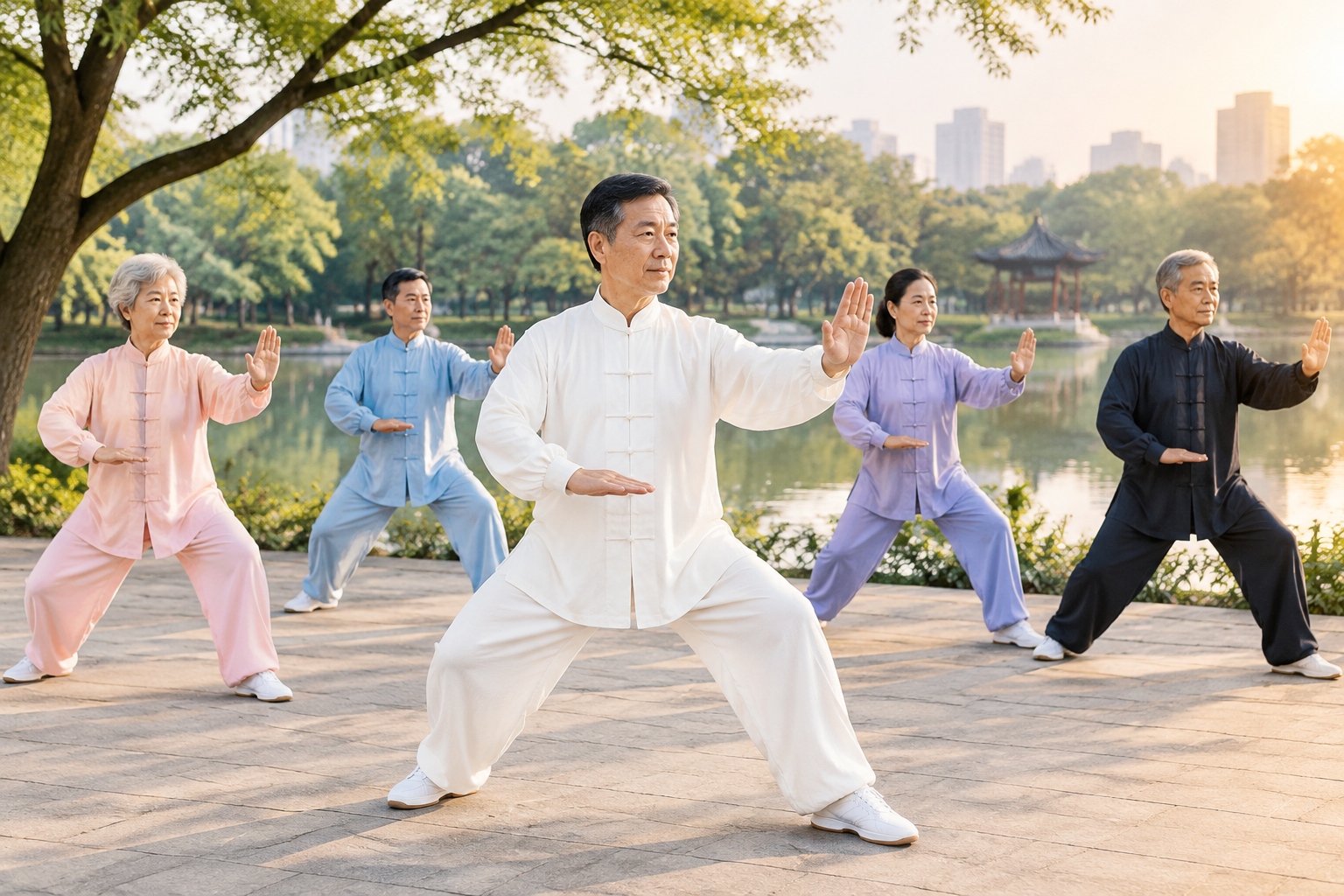
In a small city in Henan province, a 52-year-old woman named Wang Lihua walks in the park every morning with a group of neighbors. She never followed Liu Genghong. “I saw the videos, but it looked too fast for me,” she laughs. “I prefer tai chi.”
From live workouts to personalized tools
The era of everyone doing the same livestream at the same time has passed. But online fitness content is more diverse than ever. On Douyin and Xiaohongshu, you can find specialized trainers for yoga, Pilates, running, strength training, and even rehabilitation. Many apps now use AI to correct your posture through your phone camera. Keep, the leading fitness app, has over 300 million users and offers personalized plans based on your goals and fitness level.
“The trend is moving from ‘follow along’ to ‘fit my life,'” says Chen Yu, a fitness industry analyst in Shanghai. “People don’t want a one-size-fits-all class. They want short, targeted sessions they can do at home or in a hotel room. The technology makes that possible.”
This shift mirrors a broader change in how Chinese people approach health. Exercise is no longer just about losing weight or looking good. It’s about managing stress, sleeping better, and preventing health problems. A 2024 survey by the Chinese Nutrition Society found that 68% of urban residents exercise at least once a week, up from 52% in 2019. The most common activities are walking, running, badminton, and cycling.
Gyms are back, but not the same
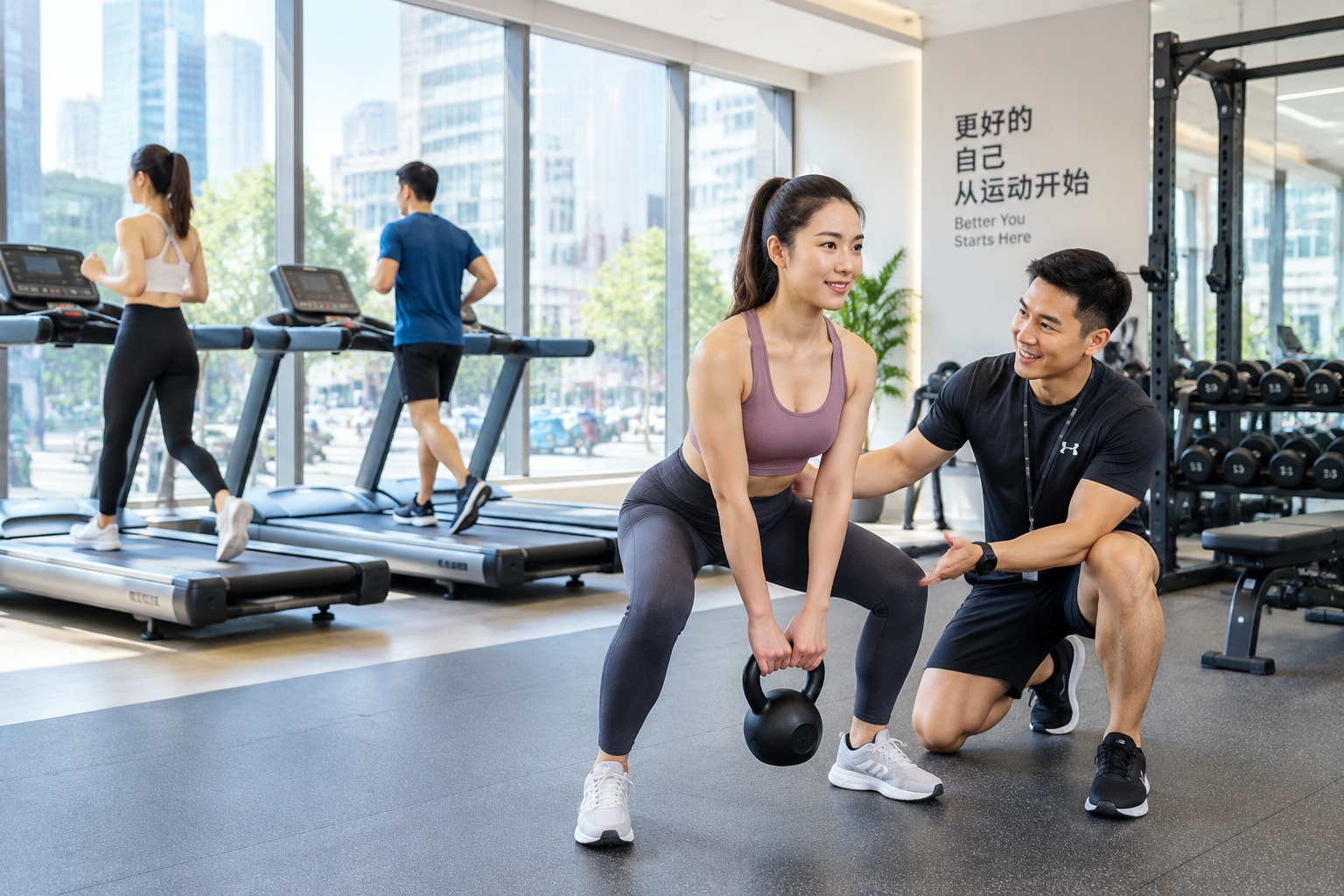
Walk into any commercial gym in a Chinese city today, and you’ll see a mix of old and new. Free weights and treadmills are still there. But many gyms now offer small-group classes, personal training, and even recovery zones with massage guns and foam rollers. The focus is on community and guidance, not just equipment.
Public spaces have changed too. Cities like Shanghai, Beijing, and Shenzhen have built hundreds of kilometers of greenways for running and cycling. Parks have outdoor exercise equipment that anyone can use for free. In the early morning, you’ll see groups doing tai chi, dancing, or just walking. In the evening, basketball courts and badminton nets are full.
“The pandemic made people realize that health is not just about going to a gym,” says Liu Yang, a community sports coordinator in Hangzhou. “It’s about making movement part of daily life. That’s why you see more people walking, cycling, and playing sports in public spaces.”
Technology that fits in your pocket
Smartwatches and fitness bands are now common in China. Xiaomi, Huawei, and Apple all sell millions of units each year. These devices track steps, heart rate, sleep, and blood oxygen. They sync with apps that give you feedback and reminders. For many people, the watch is a gentle nudge to move more.
Livestream fitness has also evolved. Instead of massive audiences, many trainers now host smaller, interactive sessions. Viewers can ask questions, get real-time feedback, and even compete with each other. Some platforms use AI to analyze your movements and suggest corrections. It’s not the same as having a personal trainer in the room, but it’s getting closer.
“The technology is not meant to replace human connection,” says Chen Yu. “It’s meant to make fitness more accessible and personalized. That’s the real legacy of the cloud fitness era.”
What it all means for ordinary Chinese people
The story of cloud fitness in China is not just about a viral trend. It’s about how health consciousness has become part of everyday life. People are more aware of their bodies. They have more choices — from free park workouts to boutique studios to apps on their phones. And they are more willing to experiment.
Not everyone sticks with it. Some people go back to old habits. But the overall direction is clear: more people are moving, and they are doing it in ways that fit their schedules and budgets. The pandemic was a catalyst, but the change is lasting.
As for Liu Genghong, he is still livestreaming. His audience is smaller, but his fans are loyal. He has expanded into health products and fitness courses. He is no longer a sudden phenomenon, but a steady presence. In a way, that mirrors what happened to cloud fitness itself: it didn’t disappear. It just grew up.
Conclusion: A quieter, more varied fitness culture
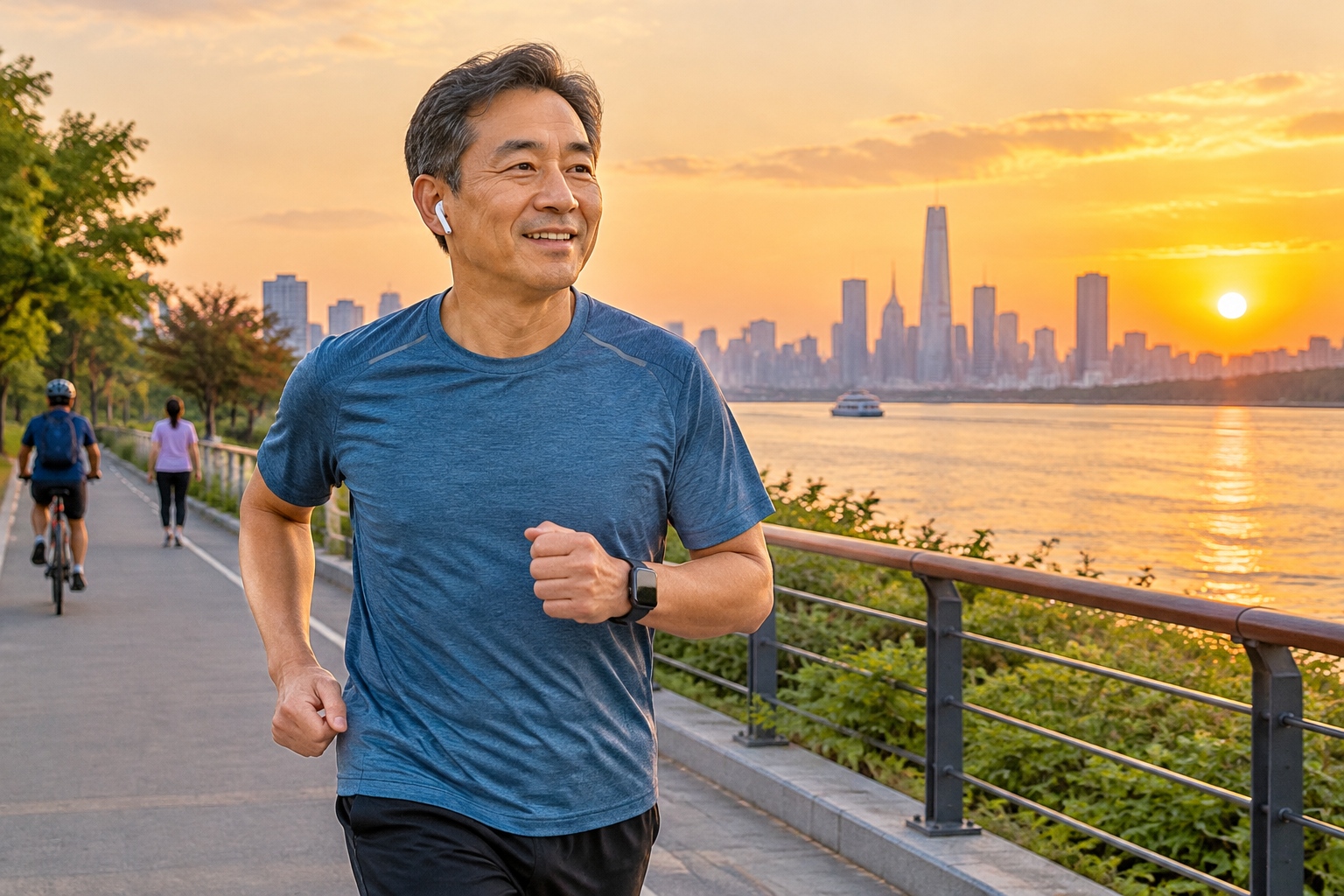
Three years after Liu Genghong’s viral moment, China’s fitness culture is more diverse, more digital, and more integrated into daily life. Livestream workouts are no longer the main event, but they are still part of the mix. Gyms are full, parks are busy, and apps are smarter. For ordinary people, the question is no longer “Will you exercise?” but “How do you want to move today?” That is a healthier question to ask.
Start the discussion at forum.chinacomes.com