
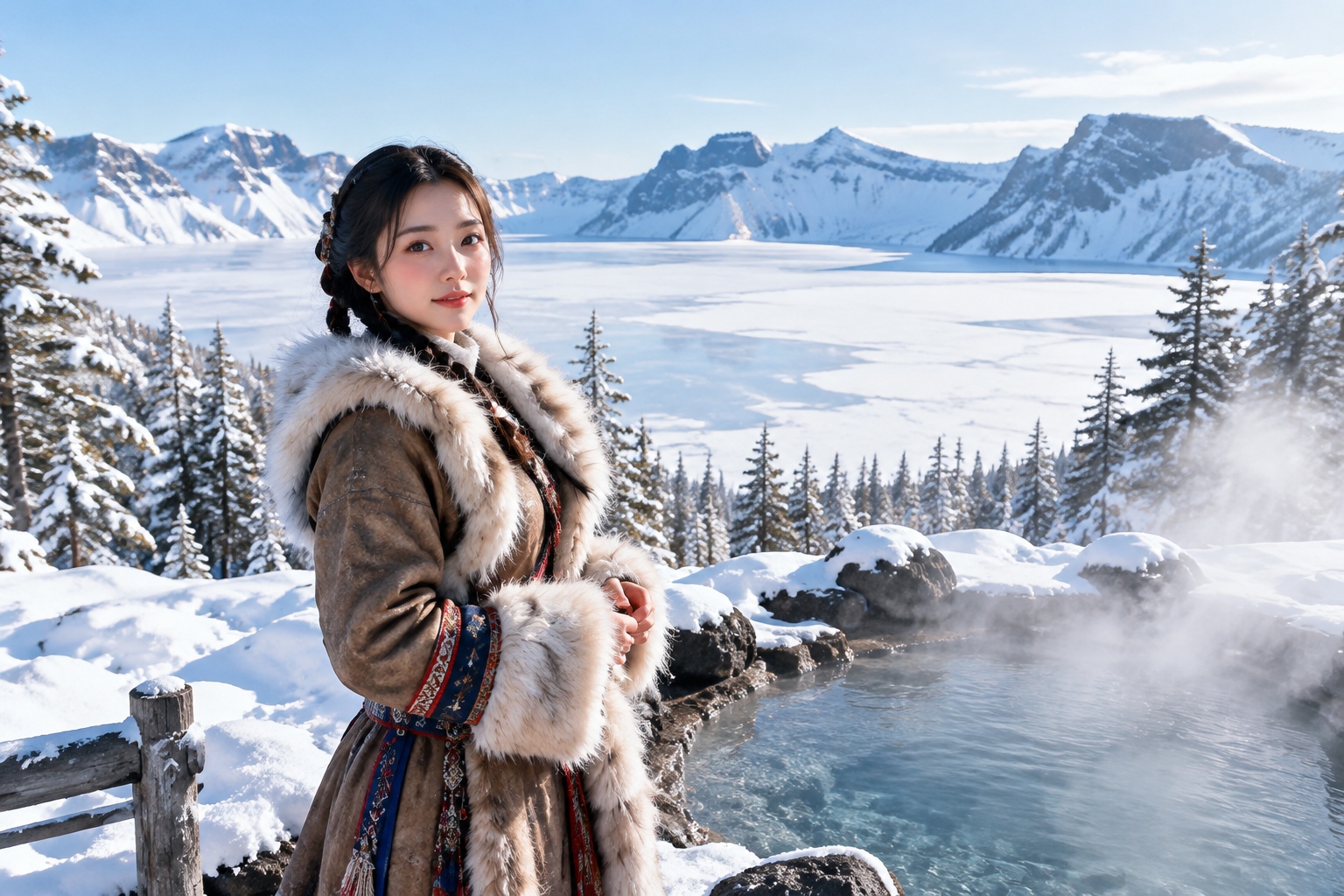

The Cold That Breathes
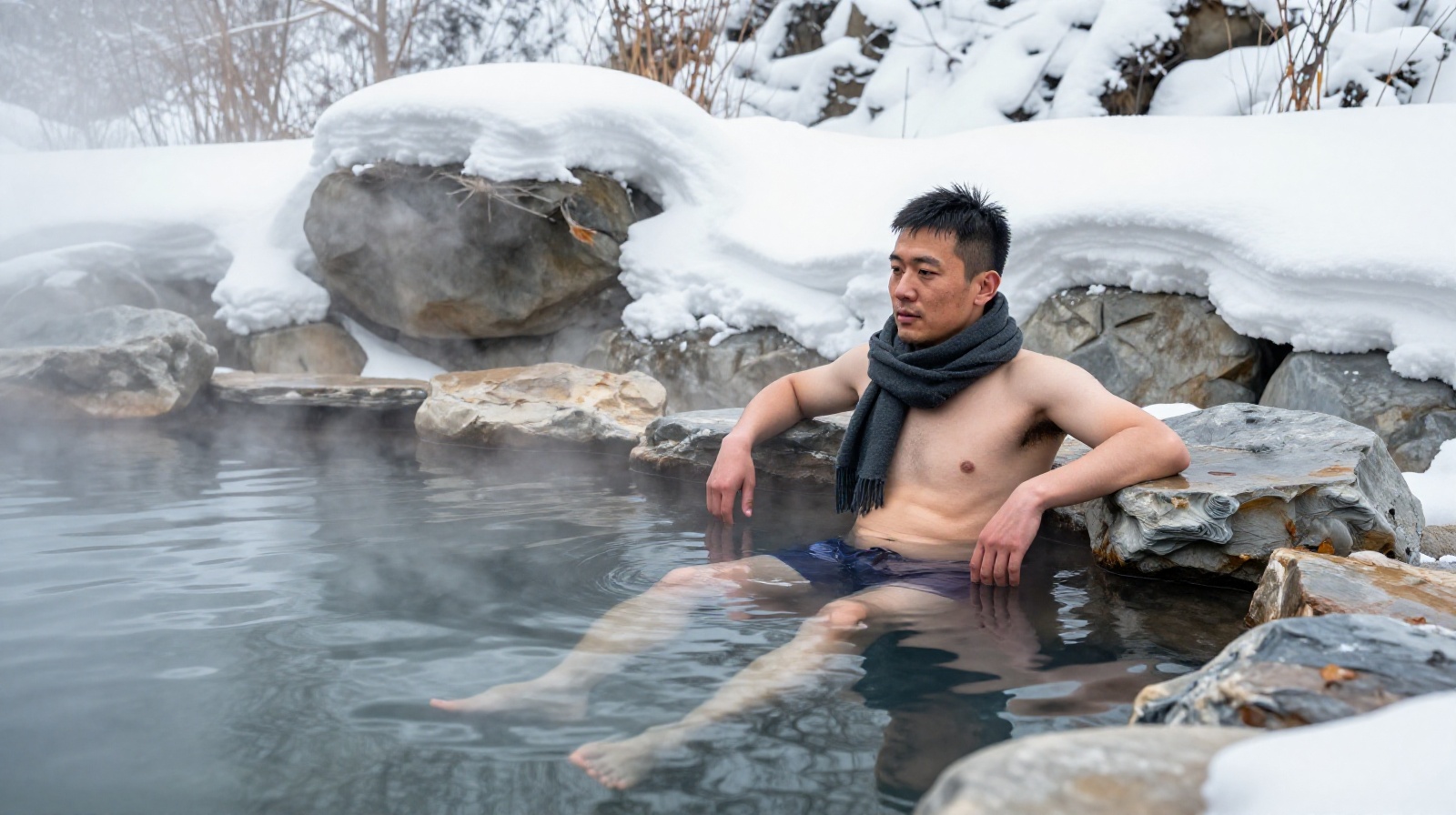
It is 7:00 AM on a Tuesday in late January. The air temperature outside the hotel room window reads -31°C. When I open the door, the cold doesn’t just touch my skin; it feels like it grabs your throat. My breath crystallizes instantly into a white fog that hangs motionless before vanishing.
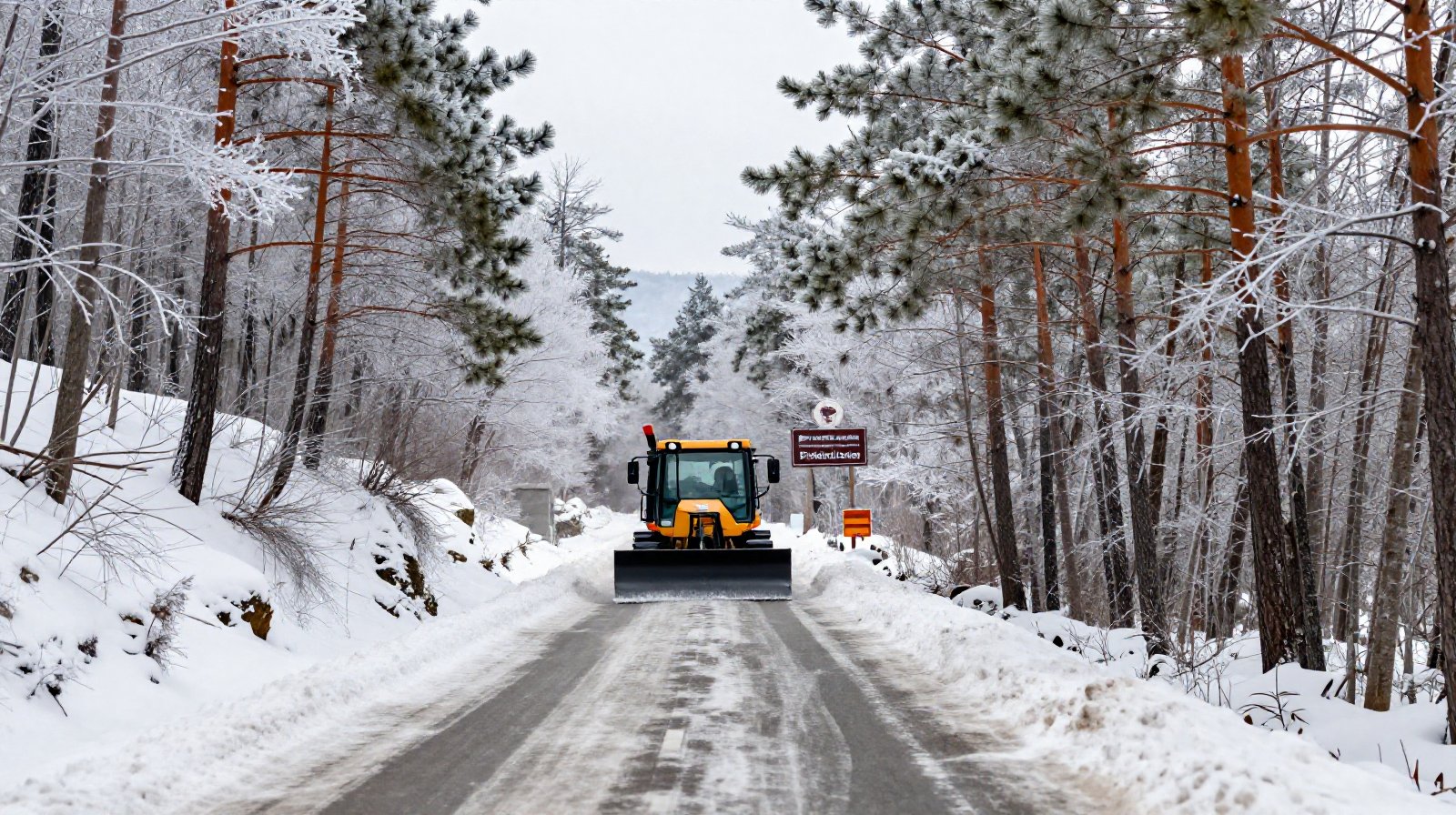
This is not a movie set in Iceland or Norway. This is Changbai Mountain, on the border of China and North Korea. While tourists often chase the snow-covered peaks for Instagram photos that look like Disney’s “Frozen,” the reality here is far more visceral. The silence is heavy, broken only by the crunch of snow under boots and the distant rumble of a snowmobile.
Where Fire Meets Ice
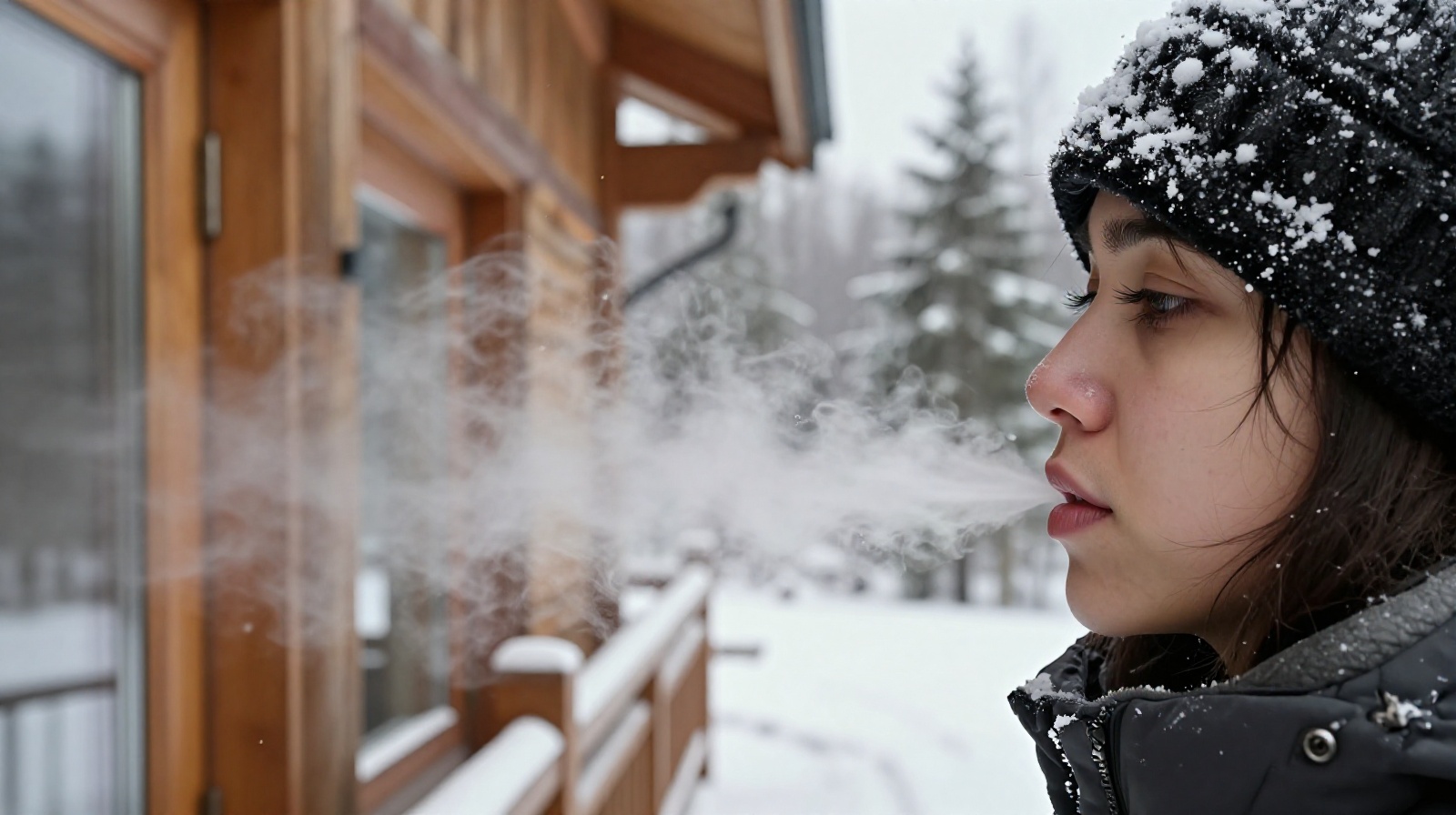
About an hour’s drive from the main ski slopes lies a small village called Xiaochangbai. Here, the ground tells a different story. Beneath the thick layer of ice and snow sits a dormant volcano that never truly sleeps.
I meet Li Wei, a local guide who has lived here for thirty years. He is wearing a thick down jacket, but his face is flushed from the heat radiating off the nearby spring. “People think winter in Changbai is just about freezing,” Li says, leading me toward a steaming pool carved into the rock. “But we live with fire under our feet.”
Li points to the water temperature gauge: 46°C. He steps into the water, his shoulders relaxing as steam rises around him in thick columns. The contrast is jarring yet perfect. One side of your body feels like it is melting; the other side, exposed to the air, freezes instantly. It is a ritual that has been repeated by locals for generations.
A Route Built on Reality
For travelers planning this trip, the logistics are straightforward but require preparation. The best entry point is Changchun Airport, followed by a two-hour high-speed train or private car transfer to Erdaobaihe Town.
The Itinerary:
- Morning: Hike the lower slopes of the main peak (if weather permits) or explore the frozen waterfalls at Changbai Waterfall, where the ice structures look like giant blue sculptures.
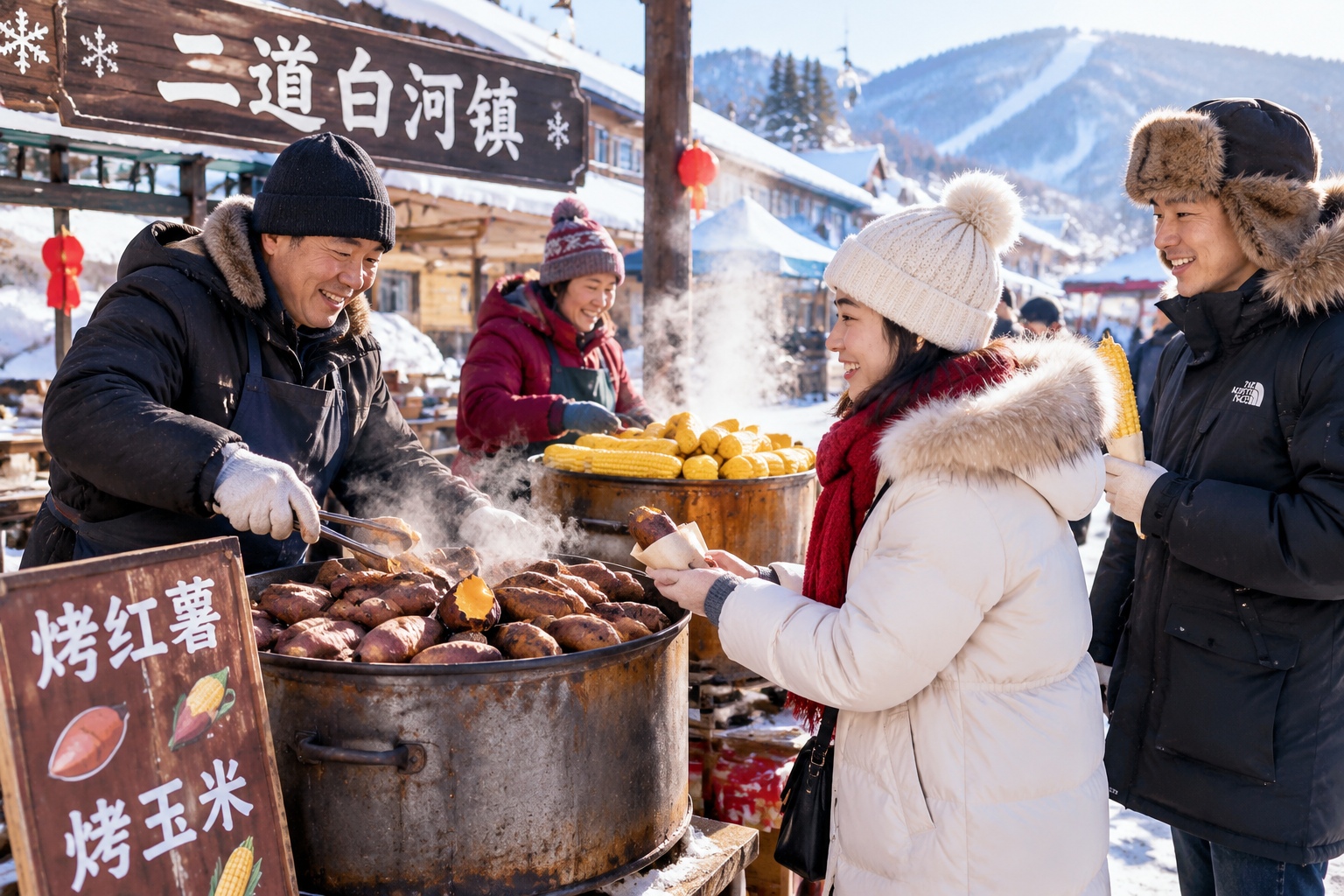
- Afternoon: Spend time in Erdaobaihe Town. Visit local markets to see vendors selling roasted sweet potatoes and hot corn on cob—staples of winter survival here.
- Evening: Check into a hotel with a private outdoor hot spring tub or visit a public bathhouse like the “Volcano Hot Spring Resort.”
The Economic Thaw
Winter tourism has become the lifeline for this region. Ten years ago, many young people left these villages to work in southern factories. Today, the demand for guides, snowmobile drivers, and homestay hosts has reversed that trend.
I speak with Zhang Hua, a former factory worker who returned three years ago. “The pay is better now,” she says, wiping snow off her car before starting the engine. “And I can watch my children grow up here.”
This shift isn’t without challenges. The local government has strictly regulated access to certain ecological zones to protect the rare Siberian tigers and forests that thrive in this harsh climate. It is a delicate balance: earning money from snow while ensuring the forest remains intact for future generations.
Beyond the Filter
Visitors often leave Changbai Mountain with photos that look like fantasy art. But the true story of this place isn’t about perfect lighting or empty peaks. It is about a community that has learned to thrive in extreme conditions.
As the sun sets, casting a pink glow on the snow, Li Wei packs up his gear. “Tomorrow, the wind will change,” he says with a smile. “But the water will still be hot.”
Start the discussion at forum.chinacomes.com