

Two Coordinates, Two Paces
Li Wei, a 32-year-old software engineer, used to live in a 15-square-meter studio in Shanghai’s outskirts. Today, he works in Zhengzhou, the capital of Henan province, and lives in a three-bedroom apartment with his wife and child. His decision wasn’t made in a vacuum; it was part of a quiet but massive demographic shift known as “escaping Tier-1 cities” or returning to new first-tier hubs.
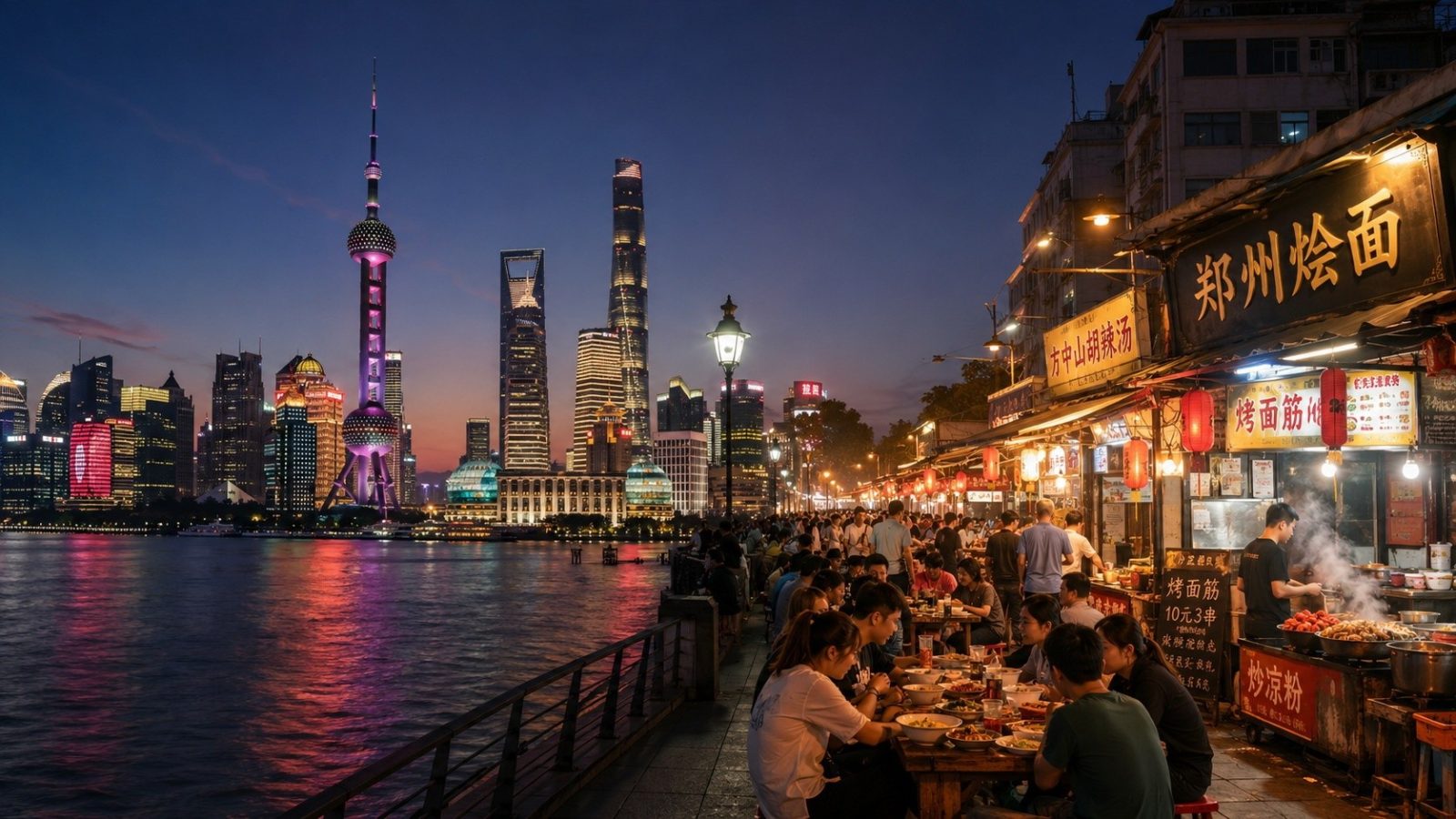
For many Western readers, China’s urban landscape might seem monolithic—a blur of neon skyscrapers. But the reality is far more textured. You have Shanghai, a global financial capital where ambition is currency and rent consumes half your salary. Then you have Zhengzhou, an inland powerhouse known for its manufacturing base and rapidly expanding infrastructure, where you can buy a home with relative ease.

The Economic Ledger: Income, Housing, and Purchasing Power
Let’s look at the numbers, because in China, housing is not just shelter; it is social status and security. In Shanghai, the “high ceiling” for income is real. A mid-level tech worker or finance professional can earn 30,000 to 50,000 RMB ($4,100–$6,800) monthly. But so is the floor. Renting a modest one-bedroom in a decent district often costs 5,000–7,000 RMB. After tax and deductions, what’s left for savings or lifestyle can feel surprisingly thin.
In Zhengzhou, salaries are lower—perhaps 8,000 to 12,000 RMB ($1,100–$1,650) for similar roles in emerging industries. However, the housing market tells a different story. Average home prices hover around 12,000–15,000 RMB per square meter. A young couple might buy a spacious 100-square-meter apartment with a down payment that would barely cover two months of rent in Shanghai.

This disparity creates different types of pressure. In Shanghai, the pressure is existential: “Will I ever own?” In Zhengzhou, it is more about stability: “Can I provide for my family without drowning in debt?” For many millennials, this trade-off is no longer just about money; it’s about the quality of life per unit of stress.
Life Texture: Commutes, Socializing, and Public Space
The rhythm of daily life differs sharply between these two cities. Shanghai is a city of efficiency and silence. The subway system is world-class, moving millions in air-conditioned precision, but passengers rarely speak to one another. Coffee culture is sophisticated; you can find specialty roasters on almost every corner. Yet, this polish can feel isolating. The 24-hour convenience stores are bright beacons, but they often highlight the loneliness of a city that never sleeps.
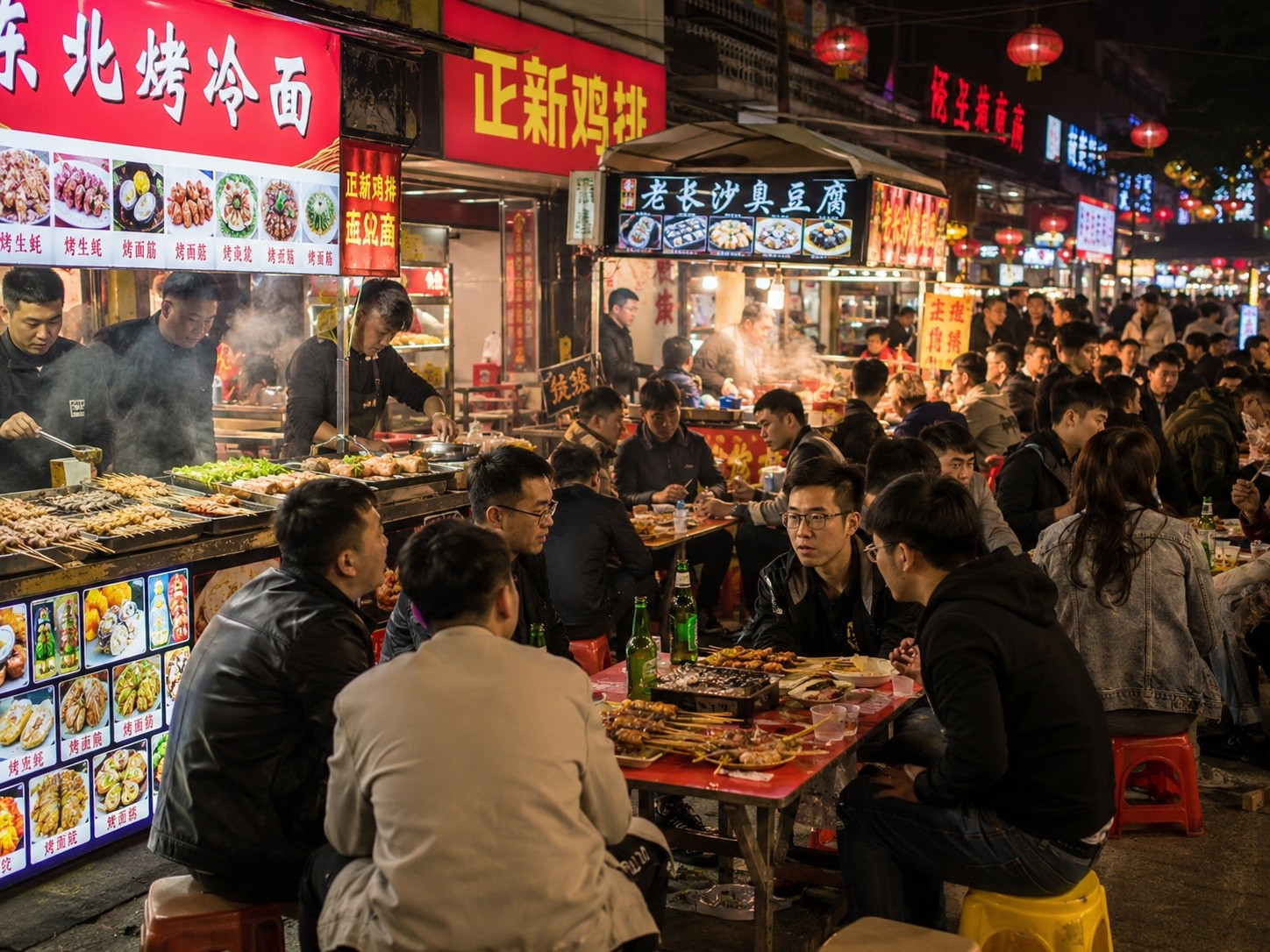
Zhengzhou offers a different texture. It is louder, messier, and more vibrant. The city has expanded rapidly, with new metro lines connecting sprawling suburbs to the industrial core. Social life here revolves around “yanhuo qi” (the smoke and fire of daily cooking)—the night markets where skewers sizzle and friends gather for beer after work. It is a place where you know your neighbors, but it also comes with the weight of a “acquaintance society.” In Zhengzhou, relationships *guanxi* matter more than in Shanghai’s more transactional environment.
The Invisible Costs: Pressure and Belonging
Beyond economics and lifestyle, there is the psychological cost of being an outsider. In Shanghai, despite its cosmopolitan nature, obtaining a *hukou* (household registration) remains difficult without exceptional talent or years of points accumulation. Without it, accessing local public schools for your children or certain medical benefits can be complicated. You may live in Shanghai for ten years and still feel like a guest.
In Zhengzhou, the dynamic is reversed. As an outsider, you might face subtle questions about why you left Shanghai or Beijing to come back (or move there). Locals may wonder if you “failed” in the bigger city. However, as inland cities compete for talent, Zhengzhou offers aggressive subsidies: housing allowances, startup grants, and easier *hukou* policies for graduates. The warmth is genuine, but so is the expectation that you will stay.
No Standard Answer
Choosing between Zhengzhou and Shanghai is not about which city is “better.” It is a choice of values. Do you prioritize career acceleration and global exposure, accepting high costs and transient relationships? Or do you value home ownership, family proximity, and community ties, accepting a slower pace and fewer international gateways?
China’s urbanization is no longer just about moving to the coast. It is about finding where one’s life fits. For those who can choose, both cities offer valid paths—one of high-stakes ambition, the other of grounded resilience.