


The Cashless Street
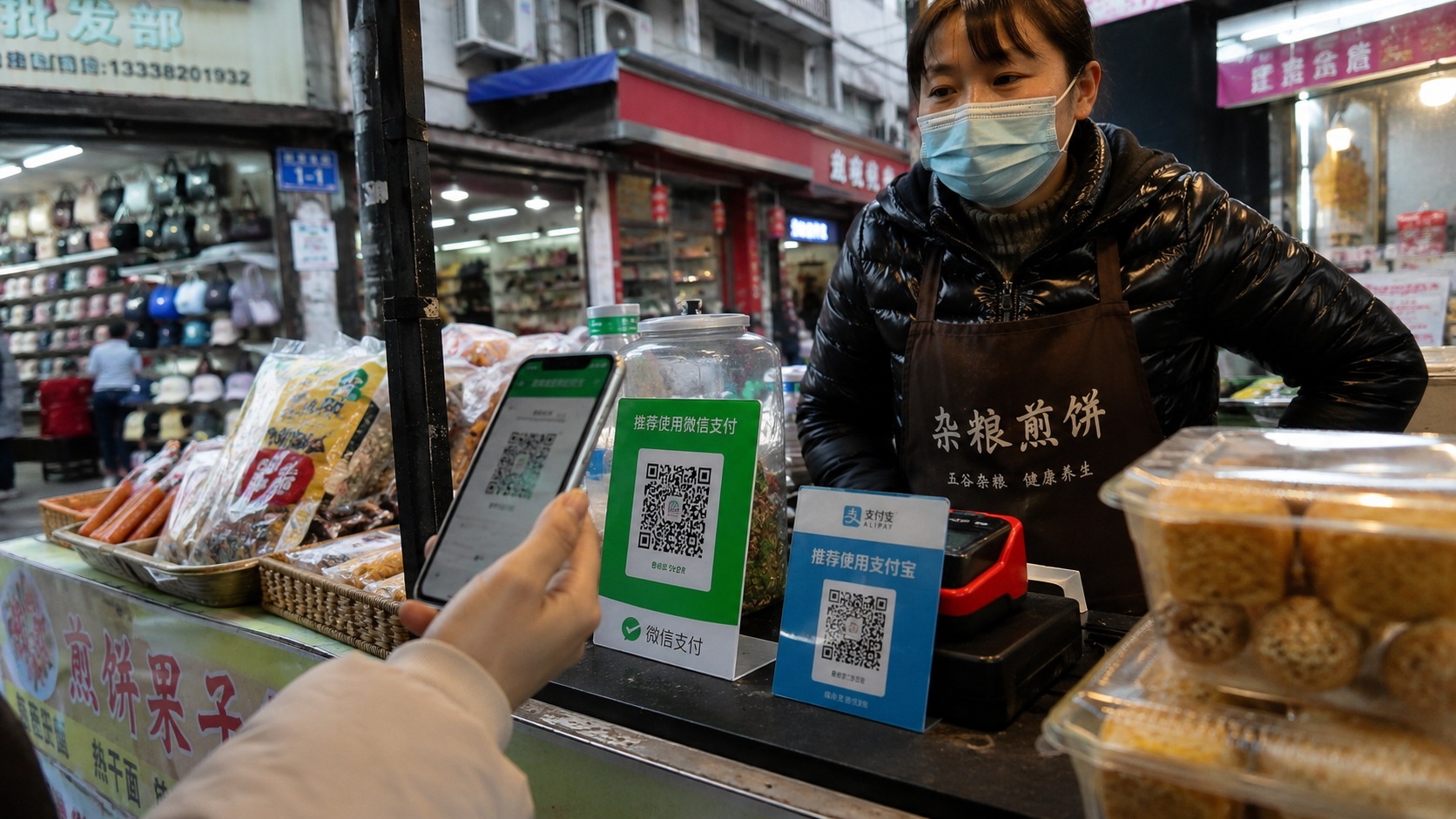
In a narrow alley behind Nanjing Road in Shanghai, a woman sells steamed buns from a metal cart. She does not carry a cash register. Instead, she holds up a laminated QR code taped to the side. A customer scans it with their phone, confirms three yuan, and walks away. The transaction takes four seconds. No cards, no change, no receipt printed on thermal paper. This scene plays out millions of times across Chinese cities every day. It is not a novelty anymore. It is simply how life works.
Behind this quiet routine are two applications: WeChat and Alipay. Together, they have moved beyond being tools for communication or shopping. They operate as digital infrastructure, reshaping how people socialize, transact, and trust one another in modern China.
The Disappearance of Cash
Ten years ago, carrying a wallet was standard practice across China. Today, cash is increasingly rare outside rural areas or among older generations. According to the People’s Bank of China, mobile payment transactions exceeded 300 trillion yuan ($42 trillion) in 2023. That figure dwarfs the combined volume of card and digital payments in many Western economies.
The shift did not happen overnight. It was accelerated by merchant adoption and user convenience. When two tech giants decided to turn QR codes into universal payment keys, street vendors had little choice but to display them. Hair salons, temple donation boxes, and even parking meters now accept scannable codes. The friction of handling physical money vanished almost completely. For ordinary citizens, the change felt less like a technological leap and more like an upgrade to daily rhythm.
WeChat: Socializing First, Paying Second
WeChat began as a messaging app, similar to WhatsApp or Telegram. Its user base grew past one billion by replicating features that people actually used: group chats, voice notes, and Moments, a photo-sharing feed. But its real transformation came when it embedded payments directly into conversations.
The Red Packet feature changed Chinese gifting culture overnight. Instead of handing out physical envelopes during holidays or birthdays, people send digital amounts through chat groups. A manager might distribute 100 red packets for 50 colleagues; some get ten yuan, others get two cents. It turned a traditional custom into a fast-paced social game. The feature drove millions of people to link bank accounts and bind credit cards within weeks.
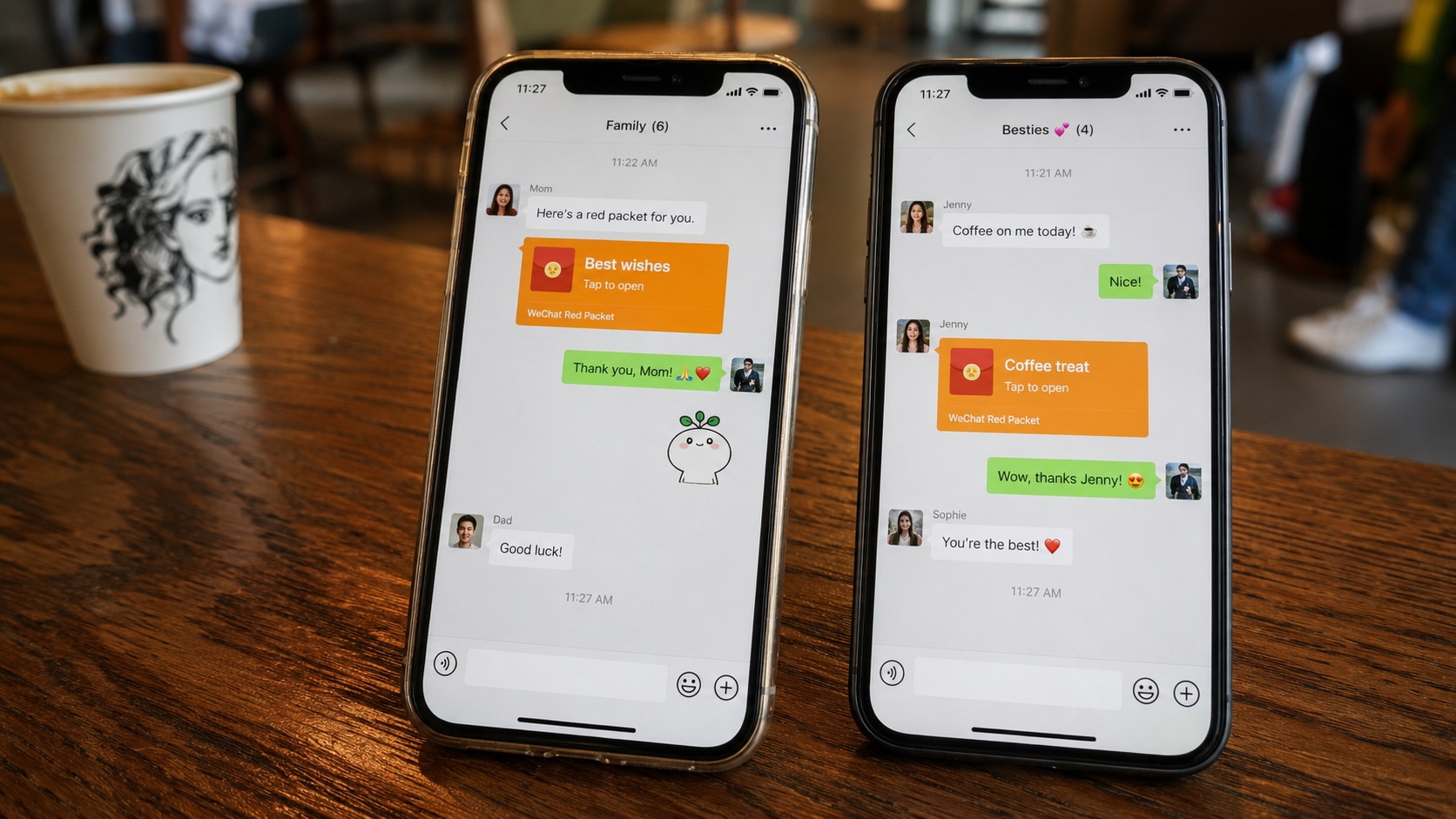
Beyond payments, WeChat became a gateway to services through Mini Programs. Users order rides, book medical appointments, renew driver’s licenses, or buy groceries without leaving the app. In Western markets, these functions typically require separate applications. Here, they live inside a single chat interface. The result is a digital environment where talking and transacting happen in the same space.
Alipay: Building Trust Through Finance
Alipay entered the market with a different foundation: e-commerce security. Created by Alibaba to protect online buyers until sellers delivered goods, it gradually expanded into a full financial ecosystem. Unlike WeChat’s social-first model, Alipay was built on transactions and risk management.
This origin shaped its design. Users quickly learned that Alipay handled large transfers, investments, insurance, and utility bills more efficiently than competing apps. It also introduced Sesame Credit, an algorithmic scoring system that evaluates financial behavior rather than traditional banking history. While not a government credit score, it influences access to services like bike-sharing deposits, hotel check-ins, and even visa applications in select countries.
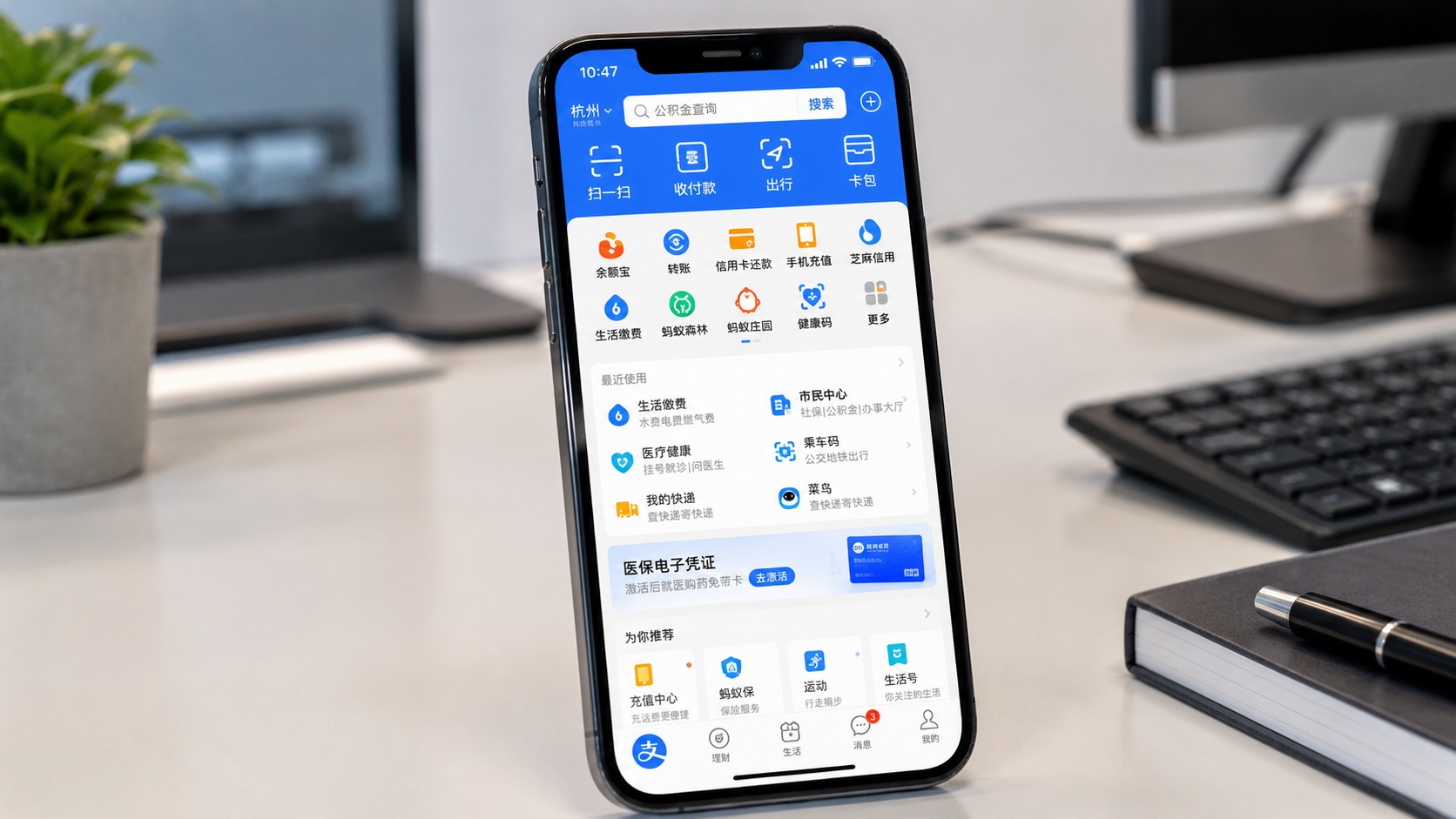
Alipay’s interface reflects this focus. The homepage centers on balance, wealth management products, and service icons arranged by frequency of use. It feels less like a social platform and more like a personal finance dashboard integrated into daily commerce. Merchants also prefer it for business accounts because of clearer transaction records and automated reconciliation tools.
The Trade-Offs of Frictionless Living
Convenience rarely comes without limits. When two companies control both communication and money, the line between public life and private data blurs. Users routinely share location, purchase history, and social connections to access discounts or unlock features. Privacy advocates have raised concerns about data consolidation, though Chinese regulators have introduced stricter rules on app permissions and cross-company data sharing in recent years.
The digital divide also remains visible. Young professionals navigate mini-programs and facial recognition check-ins without hesitation. Elderly citizens often rely on family members to pay utility bills or book train tickets. Some cities now offer offline service windows and simplified elder mode interfaces, but the transition takes time.

What This Means for Global Tech Trends
WeChat and Alipay did not just introduce faster payments. They rebuilt how people connect, trust, and move through urban space. For someone visiting China today, scanning a QR code might feel like stepping into the future. But for residents, it is simply the baseline of modern life.
The apps work best when they disappear from conscious attention, leaving behind a system where communication, commerce, and civic services run on the same digital rails. Understanding them means looking past the interface and seeing how technology quietly rewired daily routines across hundreds of millions of lives.