
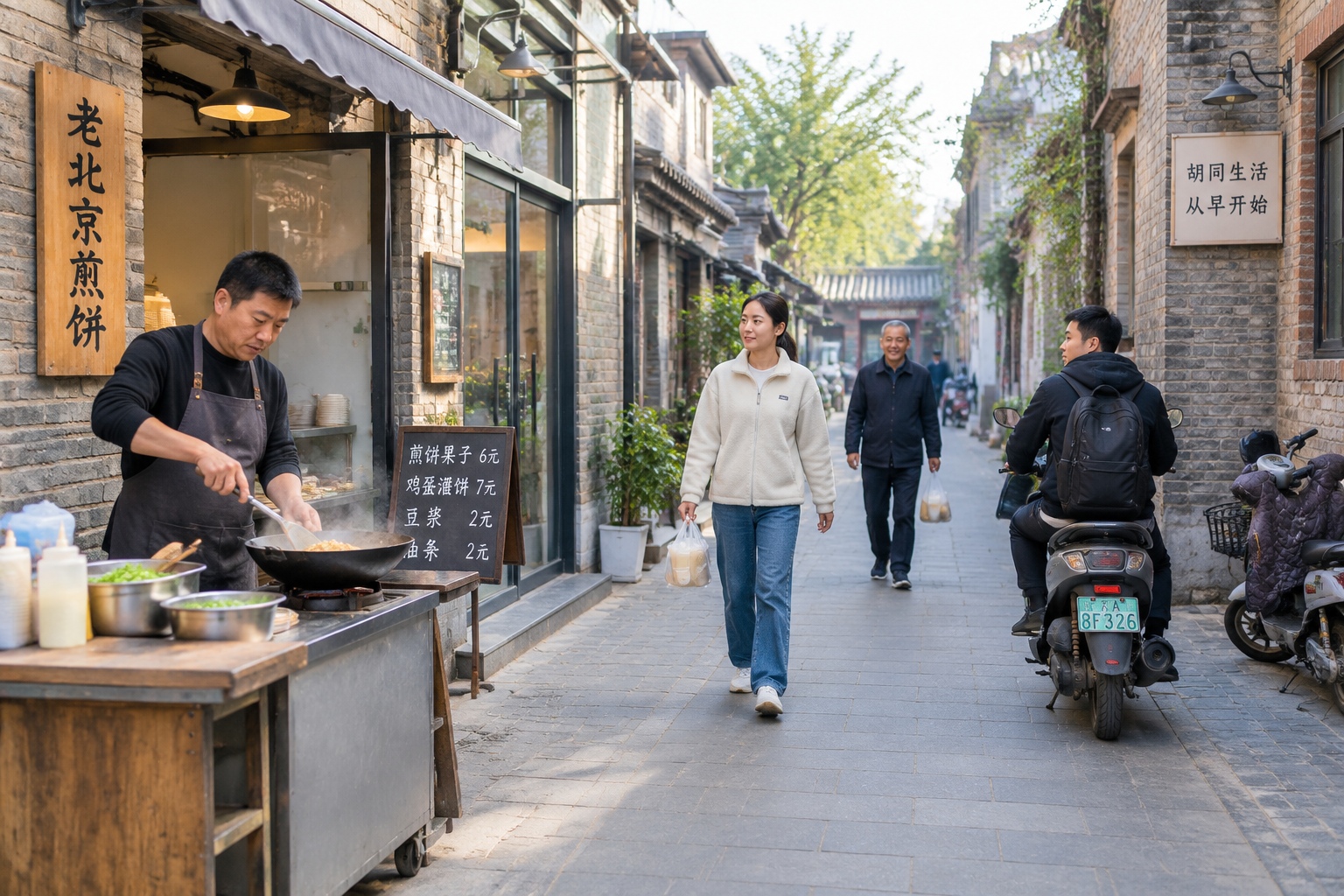

The Scent of Scallion Pancakes in a Ninety-Year-Old Alley
At six forty in the morning, the gas burner under Mei’s wok hisses to life. Flour meets oil, the metal spatula scrapes against cast iron, and within minutes, a queue forms along the brick wall. She is seventy-two years old. The alley outside her stall used to flood during summer rains and lacked proper heating pipes. Today, the bricks are the same, but underneath them runs a new drainage system upgraded three years ago. Mei still cooks on the same charcoal-and-gas hybrid stove she bought in 2018. She just no longer worries about sudden utility shutoffs or neighborhood demolition notices.
This stretch of pavement sits in what locals call Xingfu Lane, though visitors now recognize it as one of the city’s most photographed walking streets. Young designers sip matcha lattes behind floor-to-ceiling glass that reflects original wooden lattices. Students take photos near a restored 1980s cinema marquee. Yet beneath the curated aesthetics, daily commerce still operates on familiar terms: vegetables sold by weight, tea brewed in thermos flasks, and neighbors greeting each other across property lines that barely exist anymore.
When Demolition Met Resistance
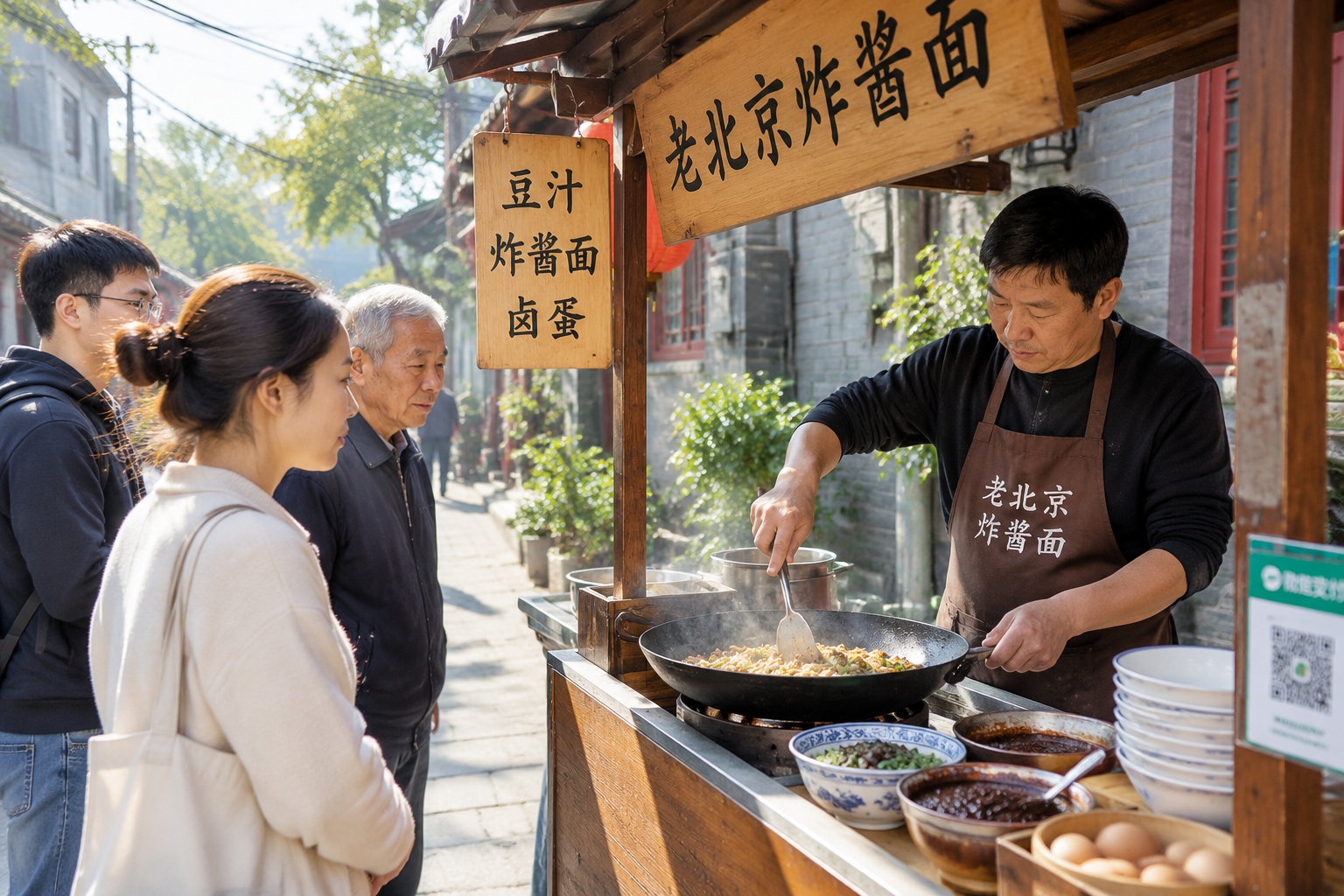
To understand why this place looks the way it does today, you have to look back at China’s urban planning playbook from the early 2010s. The standard formula was straightforward: clear out dense low-rise neighborhoods, relocate residents, and replace them with commercial towers or high-end residential complexes. It accelerated city growth but created friction. Old districts housed informal economies that supported thousands of small vendors, repair shops, and family-run workshops. Relocation compensation was expensive, and many families refused to leave because their livelihoods depended on being near transit hubs and established customer bases.
Planners called these zones hard bones—areas too costly or socially complex to clear quickly. By 2018, dozens of such neighborhoods sat in limbo: partially abandoned storefronts, patched-up roofs, and residents who had stopped expecting municipal services altogether. The old demolition model was hitting diminishing returns. Cities were running out of cheap land, and the social cost of displacing tight-knit communities was becoming impossible to ignore.
Swapping Bulldozers for Tweezers
The shift began quietly. Local governments in tier-one and tier-two cities started testing a different approach: micro-renewal. Instead of leveling blocks, teams mapped existing structures, kept seventy percent of original facades, and focused upgrades underground. Water pipes, fiber optic cables, and fire safety systems were routed through new tunnels without tearing up streets for months at a time. Streetlights were replaced with low-glare LED fixtures that preserved the warm glow locals preferred.
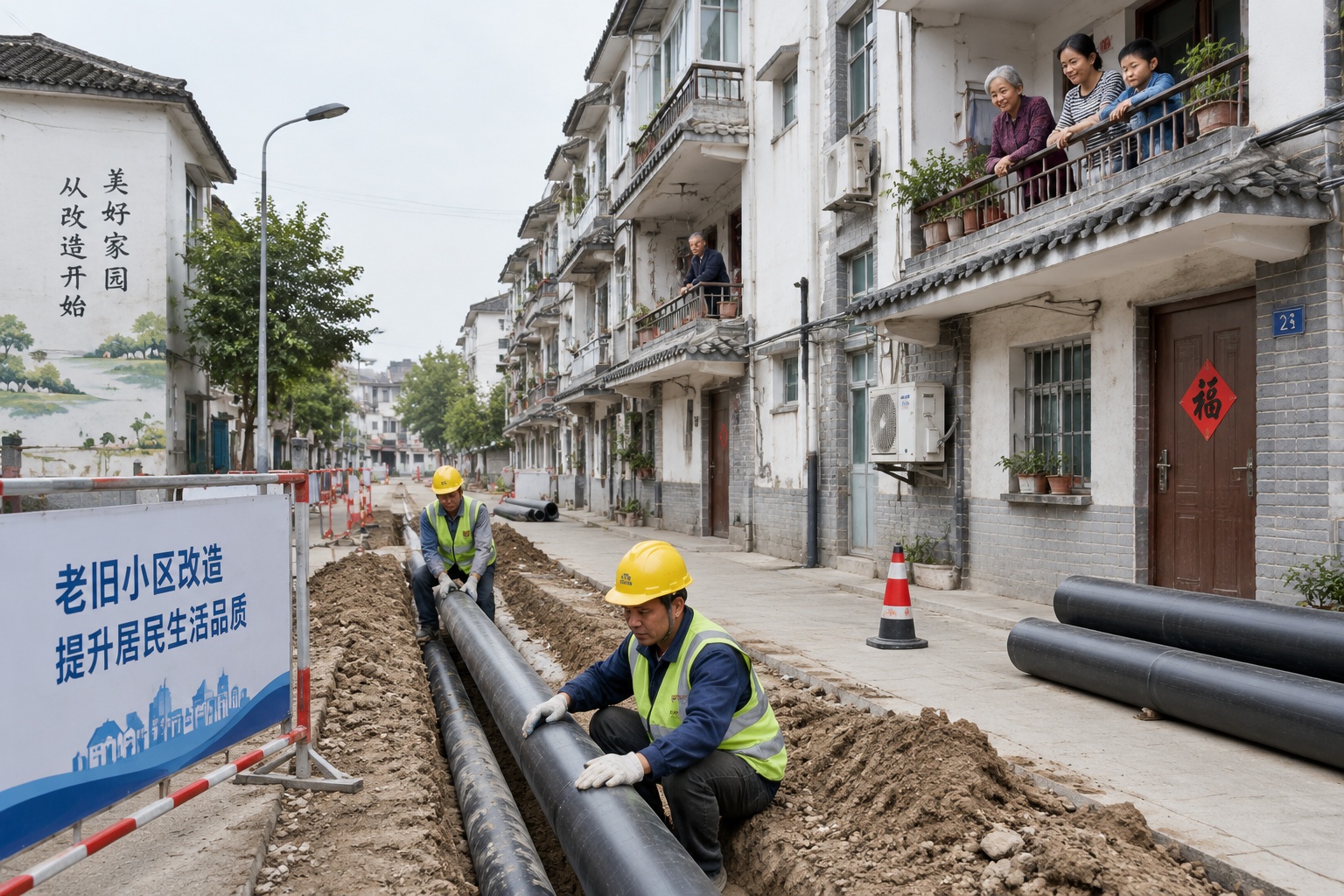
Relocation changed from blanket orders to case-by-case negotiations. Property managers worked with neighborhood committees to identify which families wanted to move and which wanted to stay. Those who remained received renovation subsidies for internal plumbing, electrical wiring, and insulation. The goal was never to turn old neighborhoods into luxury showrooms. It was about making them functional again while letting existing social networks survive.
Street Vendors, Digital Payments, and the New Balance
The real test of this model is street-level commerce. In earlier renewal phases, vendors were pushed out because informal stalls clashed with sanitation standards or property management rules. This time, city planners designated temporary operating zones inside renovated alleys. Stalls had to install grease traps and carbon monoxide monitors, but they were allowed to keep their original carts, signage, and pricing habits.
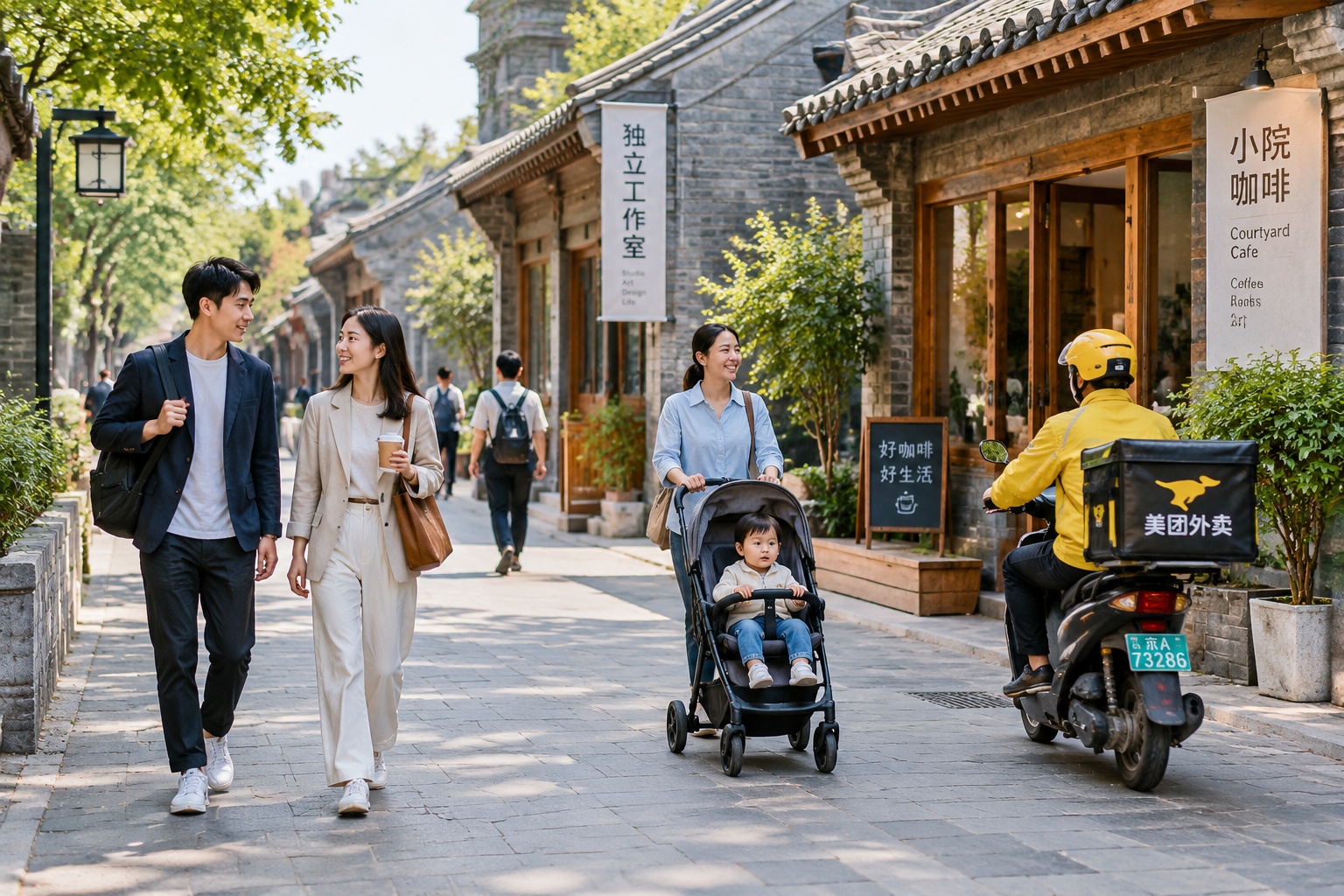
The result is a visible coexistence. A third-generation dumpling shop sits next to a vinyl record store that opened last year. Delivery riders park scooters near where grandmothers still sell homemade pickles in glass jars. Everyone uses mobile payments, but the rhythm of bargaining over seasonal produce remains unchanged. Weekends bring tourists with cameras; weekdays belong to residents doing tai chi, buying breakfast, and walking dogs along lanes wide enough for both strollers and delivery carts.
What Urban Renewal Actually Looks Like Now
The transformation shows a pragmatic adjustment in Chinese city planning. Progress no longer requires erasing the past. By preserving street economies and community fabrics, municipalities are learning that modernization includes keeping the noise, the smells, and the social glue intact. For visitors, it is a walkable contrast between old brick and new glass. For residents, it is simply home, upgraded.
Start the discussion at forum.chinacomes.com