

A Coffee Cup, a Hoodie, and the Morning Commute
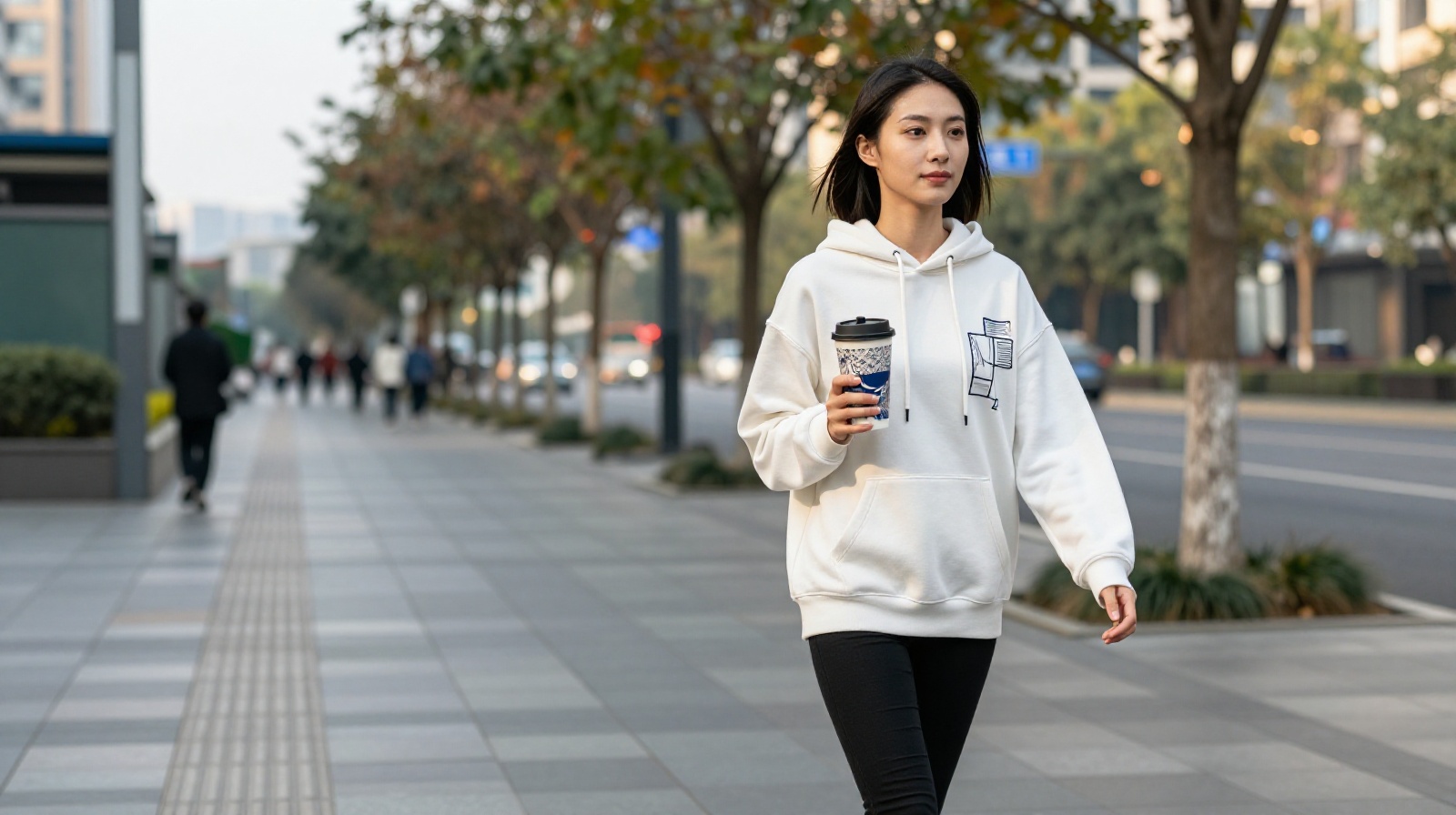
On a Tuesday morning in Chengdu, 24-year-old graphic designer Lin Wei grabs two things before leaving home: a reusable tumbler of black coffee and a pair of sneakers. The shoes bear the logo of a Chinese sportswear brand that once manufactured footwear for global giants but now designs its own lines. Her hoodie features a subtle geometric pattern inspired by Ming dynasty ceramics, cut in a modern oversized silhouette. She does not see this as a political statement or a loyalty exercise. It is simply what she wears to the subway.
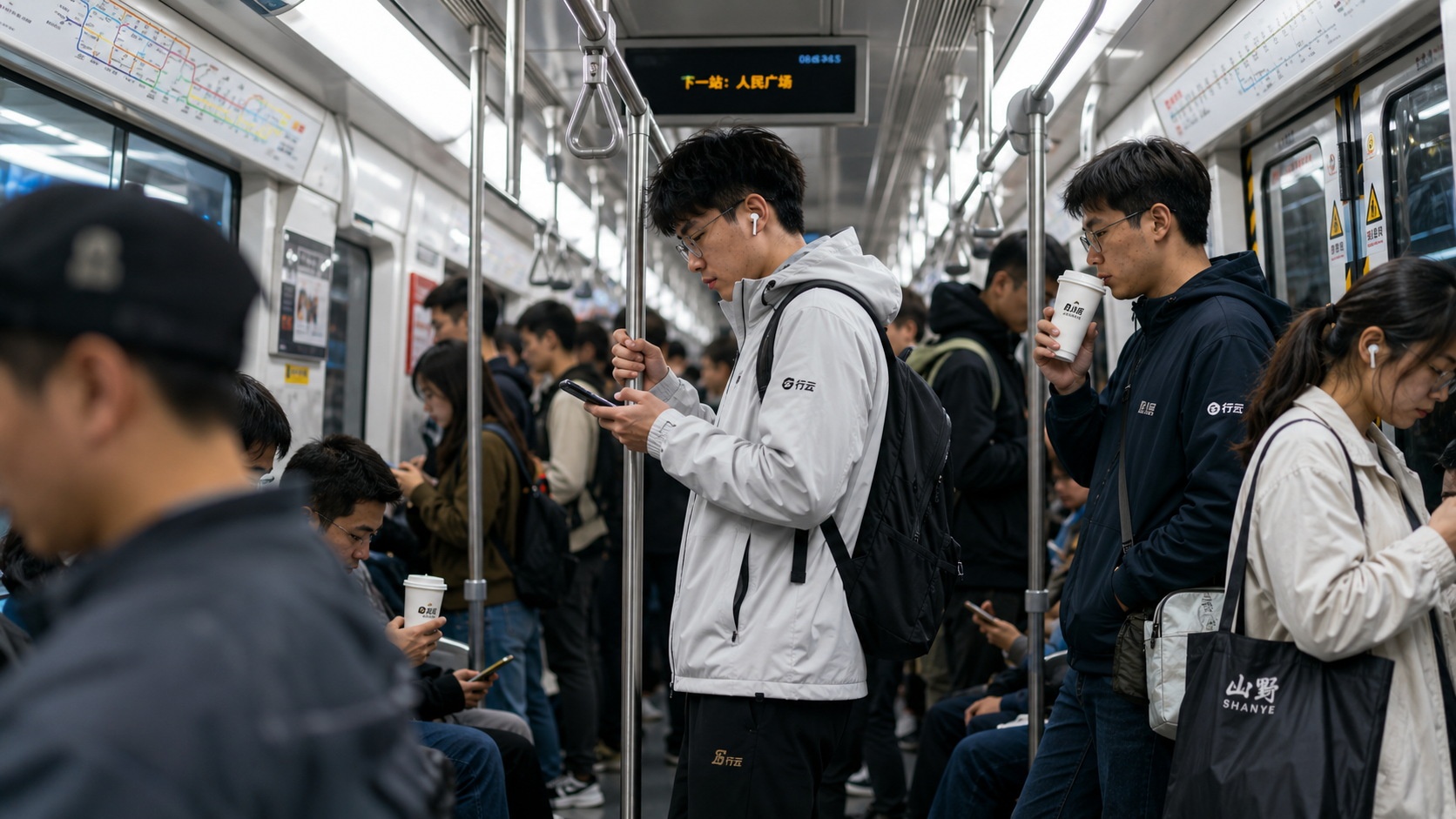
To many Western readers, prioritizing domestic products might sound like state-promoted nationalism. In China, however, 国潮文化 operates differently. The term originally described marketing campaigns that slapped traditional motifs onto cheap goods. Today, it has matured into a consumer reality driven by supply chains, design iteration, and shifting taste among young adults. For Chinese Gen Z consumers, the rise of local brands is less about patriotism and more about practical alignment with daily life.
When Good Design Meets Cultural Comfort
The logic behind this shift is straightforward. Domestic factories spent decades producing for international labels. That experience translated into reliable manufacturing, faster prototyping, and lower costs. When Chinese brands stopped copying and started designing, they found a gap that global companies had left open—affordable items that fit local body types, climate, and aesthetic preferences without carrying the premium price tag of Western heritage brands.
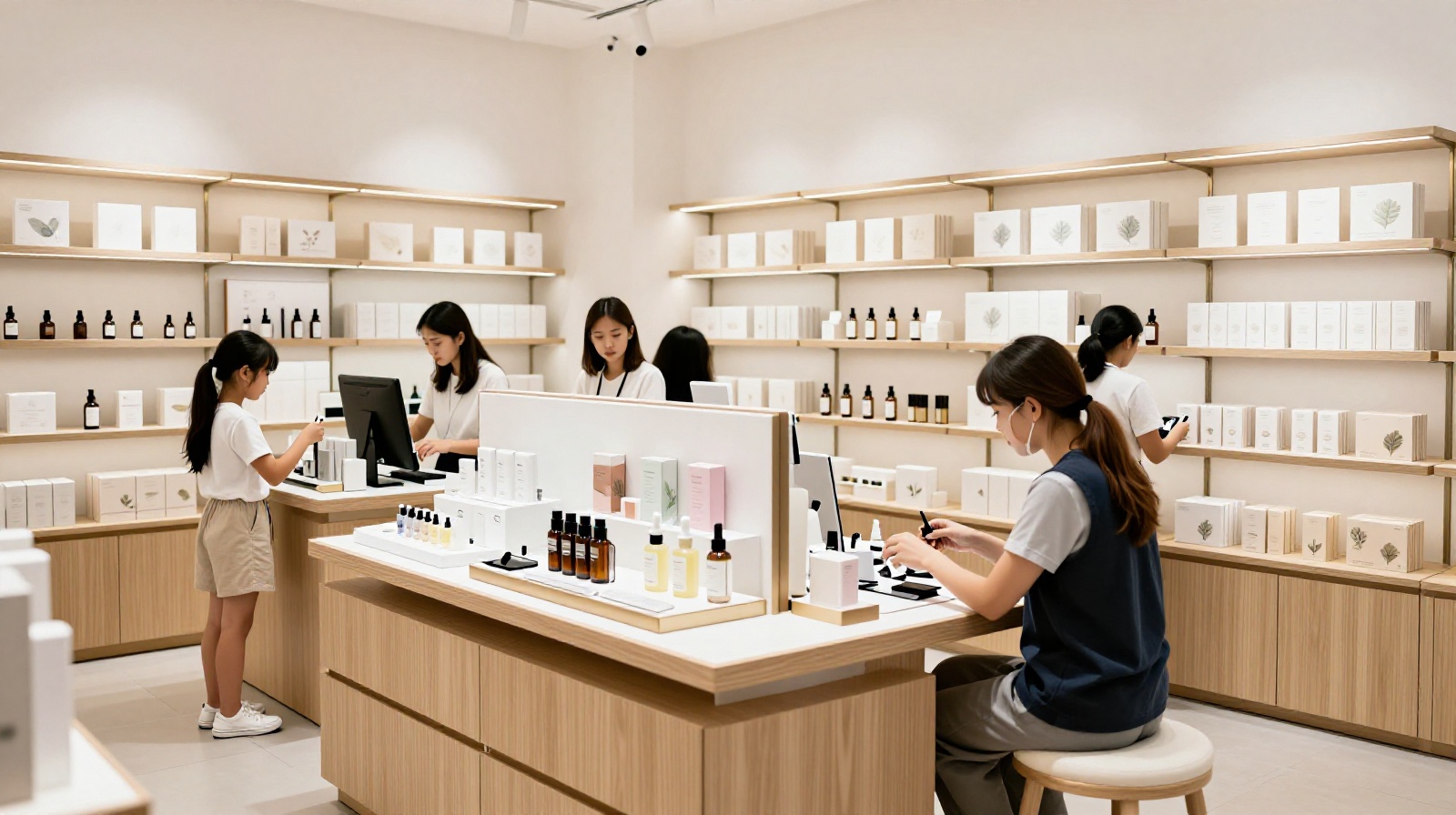
Market behavior supports this observation. Homegrown beauty and apparel brands now capture over half of China’s domestic cosmetics market and a growing share of athletic wear. Young shoppers in tier-two and tier-three cities prioritize cost-performance ratio first. Cultural symbols act as the differentiator, not the sole purchase driver. A lipstick with a lotus-petal cap sells because the formula is stable and the shade matches East Asian skin tones, not just because it carries a traditional name. This reflects a broader shift in 日常消费趋势: functionality leads, aesthetics follow.
Local Brands in Digital Streets and City Blocks
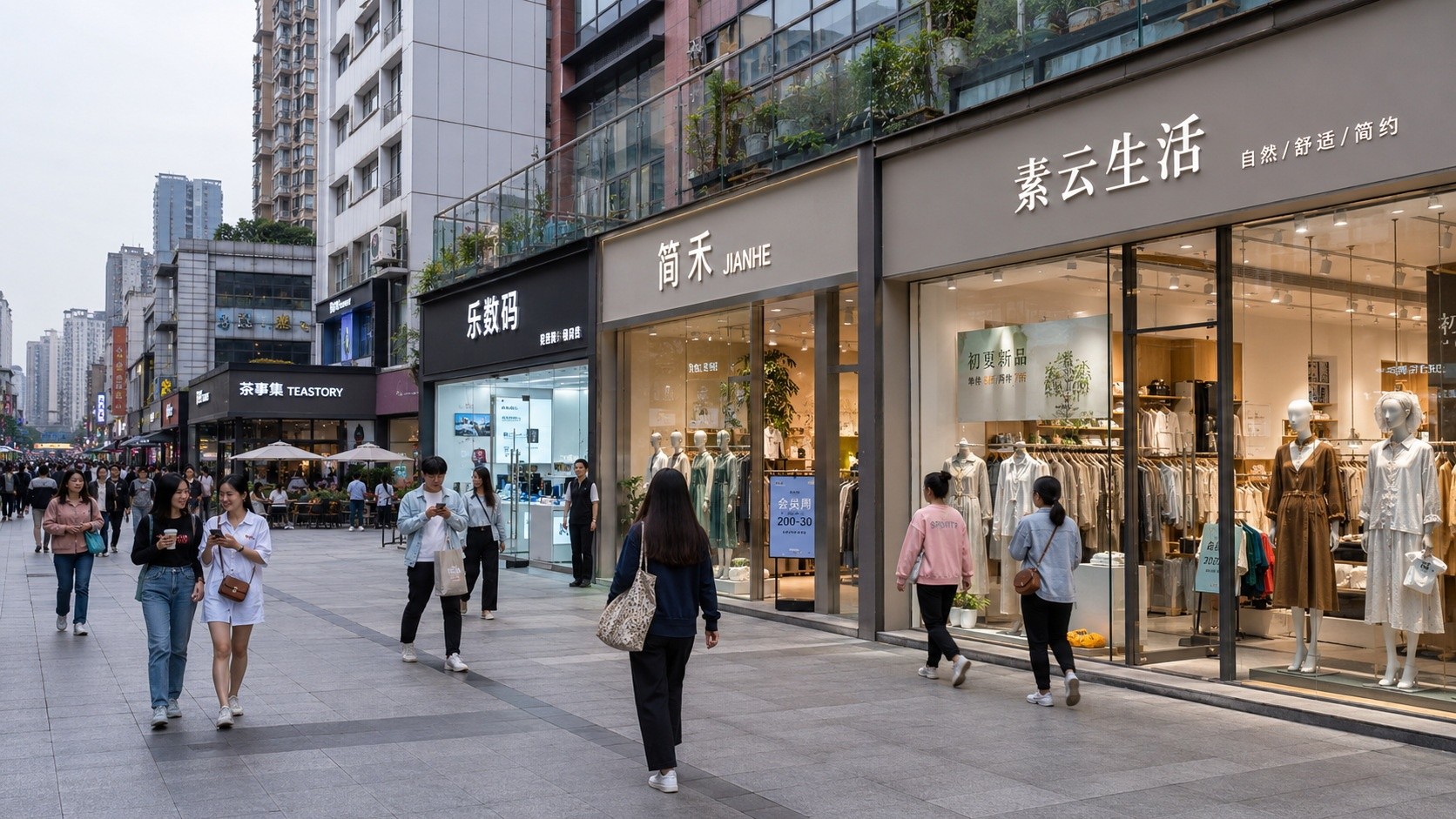
You can see this change physically. Walk through a shopping district in Hangzhou or Xi’an, and you will notice how storefronts have evolved. Domestic sportswear chains now occupy prime ground-floor spaces with interactive fitting rooms and customization counters. Independent coffee roasters and tea brands use minimalist interiors that blend regional craft traditions with Scandinavian-style functionality. These are not themed pop-ups; they are permanent retail fixtures that compete directly with international equivalents.
Digital platforms accelerate the cycle. Applications like Xiaohongshu and Douyin function as both social networks and search engines for lifestyle choices. When a user searches for “casual workwear,” the algorithm surfaces domestic labels that match current street style trends. Western Gen Z uses similar apps, but the content ecosystem here naturally favors local supply chains. Brands can test designs in one city, gauge feedback within days, and ship nationwide before competitors even finalize seasonal catalogs. This speed has forced global retailers to adapt their pricing and inventory strategies for the Chinese market.
Mild Confidence in a Global Wardrobe
The cultural psychology behind this trend often gets misread as anti-Western sentiment. It is not. Most Chinese young professionals still buy iPhones, wear Uniqlo basics, or order delivery through global food apps. What has shifted is the baseline assumption about quality and style. Wearing a jacket with abstract Song dynasty color palettes no longer feels like wearing a costume. It reads as everyday fashion, similar to how Americans casually wear flannel or Europeans embrace heritage workwear.
This reflects what sociologists call mild cultural confidence. Unlike Western patriotism in fashion, which often relies on explicit national symbols or political messaging, Chinese youth prefer reinterpretation and modern utility. The 文化自信 they express is quiet. It does not demand that others recognize the reference; it simply provides a sense of familiarity in an increasingly homogenized retail landscape. Local brands succeed because they speak to a lived experience rather than an abstract ideal.
Beyond Labels: The Quiet Normalization of “Guochao”
For today’s consumers, the debate over whether Guochao is patriotism or pure commerce misses the point. It has simply become the default option for everyday purchases. When a local sneaker lasts longer than expected, when a skincare line clears skin without harsh chemicals, and when a café interior feels designed for real human habits rather than photo ops, brand origin stops being a headline. It becomes background noise.
The “national tide” is no longer riding high; it has settled into the floorboards of daily life. As 本土品牌崛起 continues to refine its offerings, young consumers are less interested in categorizing their choices and more focused on whether the product fits their routines. The label will eventually fade. What remains is a generation that expects good design at fair prices, regardless of where it was made.