
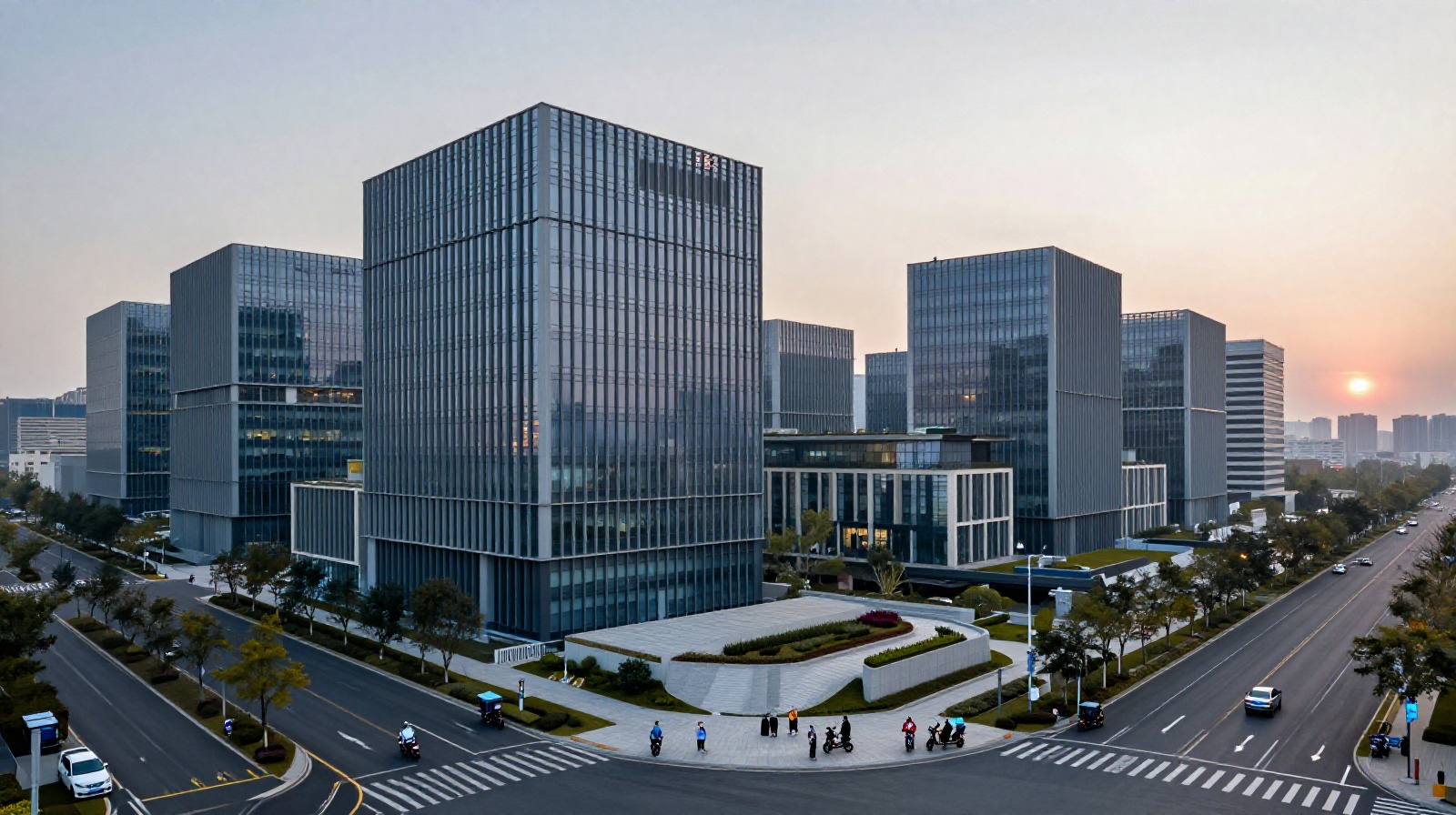

When the Glass Towers Don’t Sleep
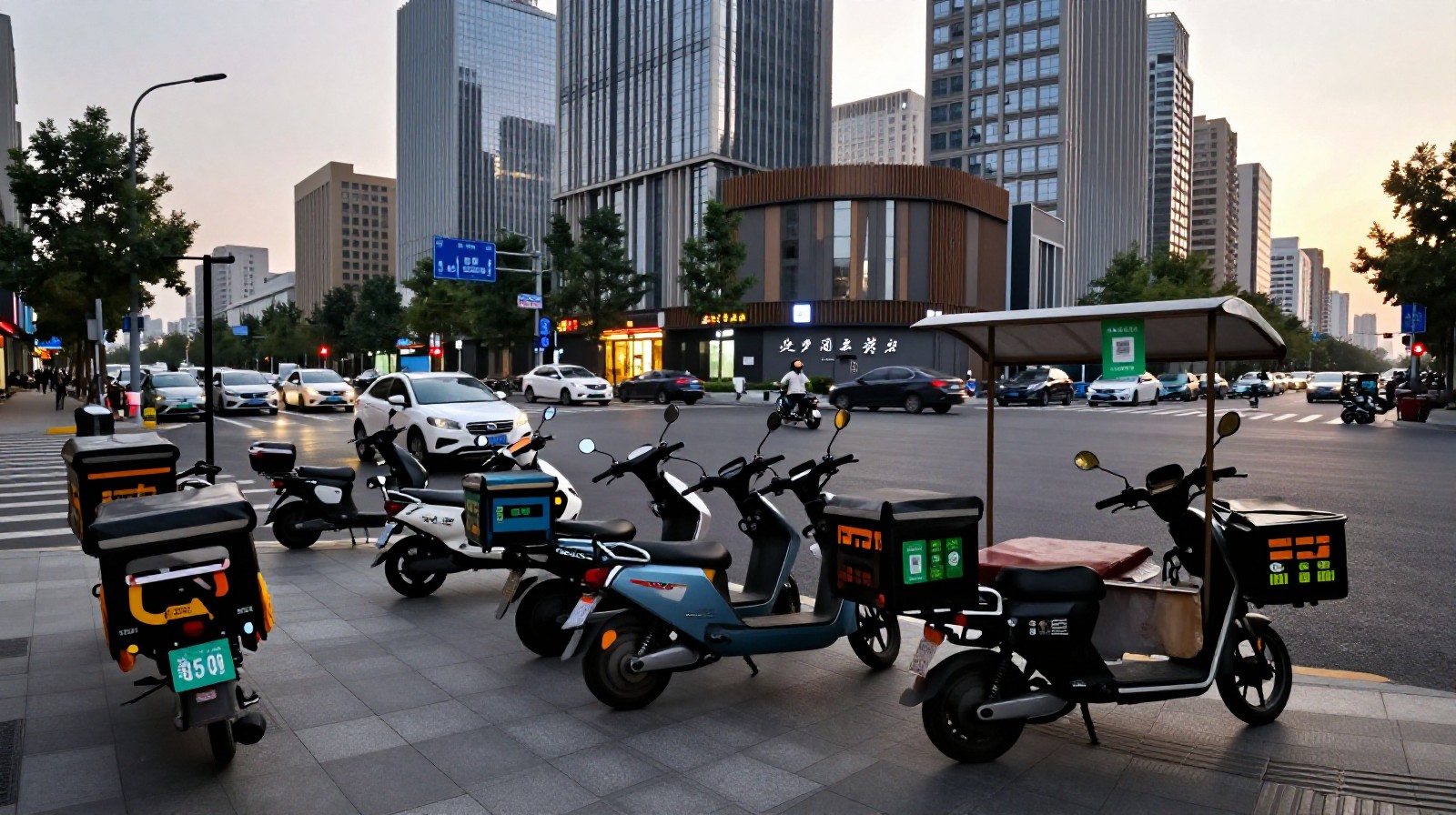
At 2:15 AM, the climate control system in Building 7 of Shenzhen’s Nanshan district kicks into low gear. The corridor smells faintly of ozone and roasted barley tea. Outside, streetlights reflect off wet pavement. A delivery e-bike whirs past the glass facade, its GPS pinging silently to a central dispatch algorithm.
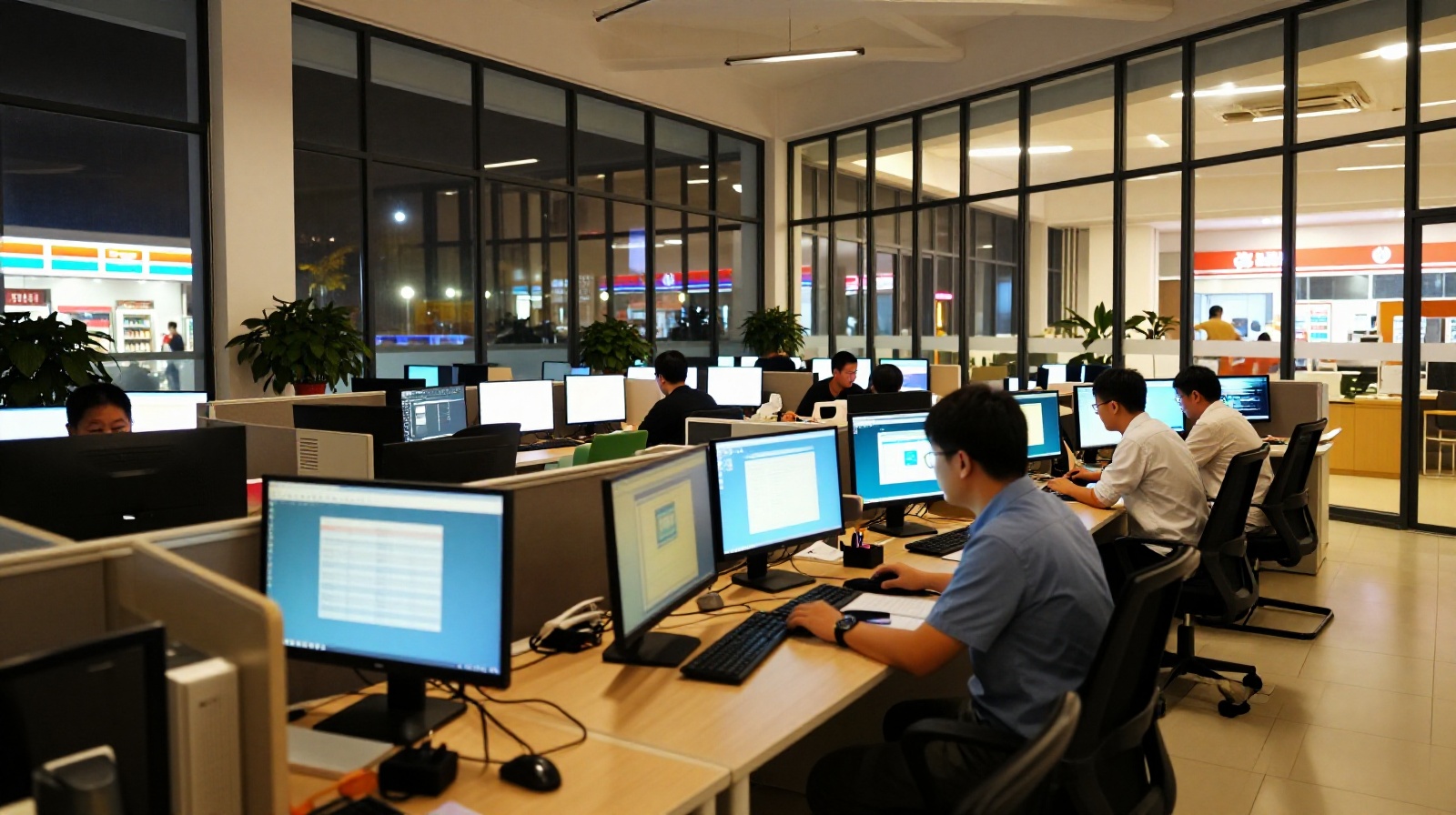
Inside, two engineers are still at their desks. Lin Wei, thirty-four, stretches his arms over a keyboard covered in coffee ring stains. His screen displays a stream of real-time logistics data. Across the aisle, Chen Jia, twenty-six, is debugging a routing module for a regional food delivery platform. They don’t speak much. The only sounds are mechanical keyboards, the hum of server racks in the adjacent closet, and the occasional hiss of an automatic door.
This is the actual texture of a Chinese tech park after midnight. It is not the neon-soaked cyberpunk fantasy often sold abroad, nor is it a factory floor of silent, grinding labor. It is a space where problem-solving happens in quiet bursts, fueled by cheap energy drinks, takeout boxes, and a cultural expectation that “innovation” means shipping something usable, not just drafting white papers.
Beyond the Hustle: Coffee Machine Conversations
For years, foreign media reduced Chinese developers to caricatures of relentless overtime. The reality inside these parks has shifted dramatically over the past three years. Companies are still ambitious, but the definition of productivity has changed.
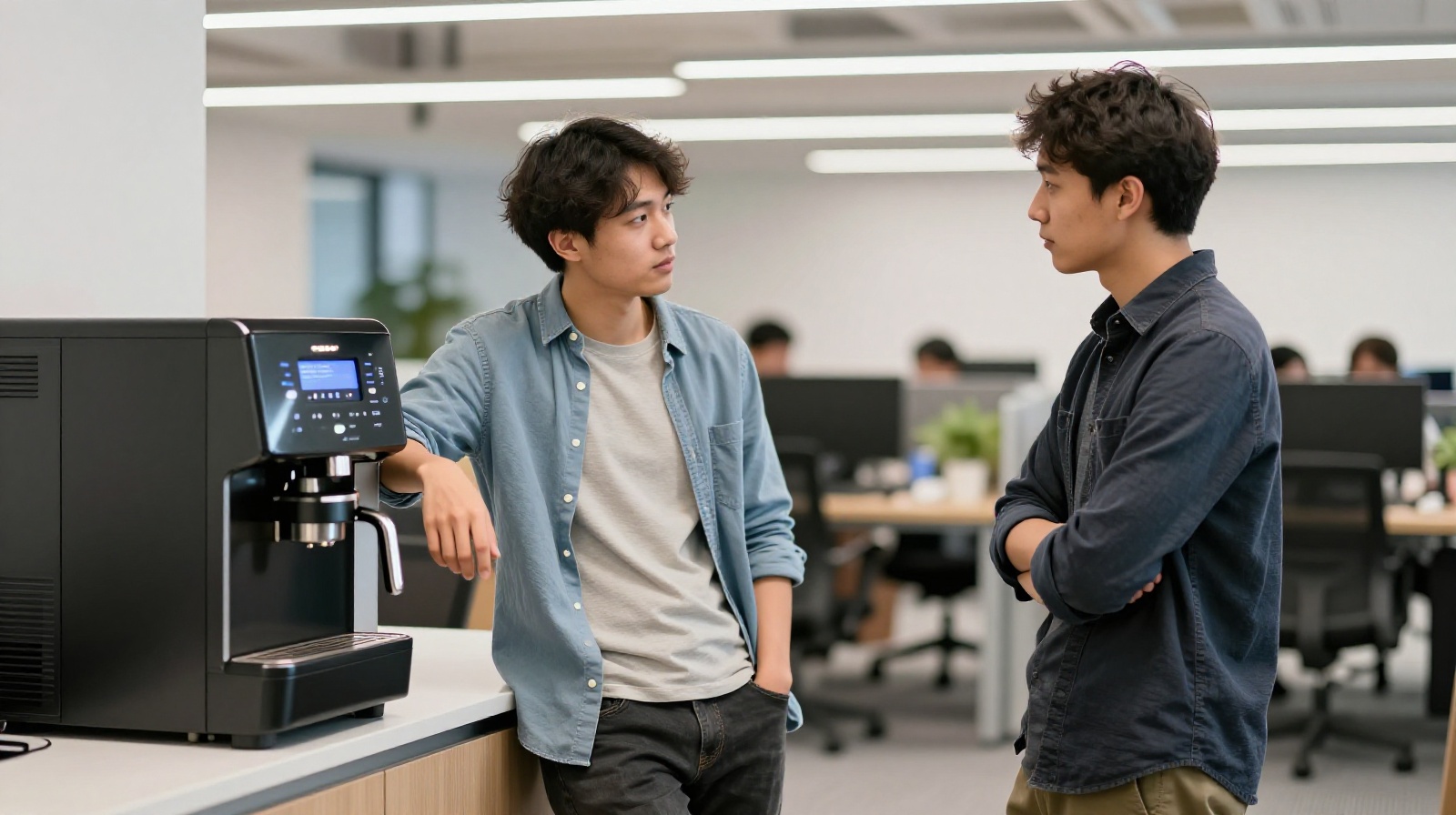
At 3 AM, Lin Wei finally pushes back his chair and walks to the break room coffee machine. Chen Jia follows, holding a thermos. Over the sound of grinding beans, they talk about something other than server loads.
“Last month, we worked until 1 AM for three weeks straight,” Chen says. “This month, we shipped the same feature by 6 PM. The difference wasn’t working faster. It was testing earlier.”
This reflects a broader maturation in the Chinese workplace. The early era of “996” (9 AM to 9 PM, six days a week) has given way to a more calculated approach. Regulatory guidelines, shifting employee expectations, and market saturation have pushed firms to prioritize efficiency over hours logged. Burnout is no longer worn as a badge of honor; it is treated as a system failure.
Young engineers today are vocal about boundaries. Many commute via high-speed rail or suburban metro lines that run until midnight, a direct result of urban planning aimed at connecting residential zones with tech corridors. They order groceries by app, use smart locks at home, and rely on AI-powered code assistants to handle boilerplate tasks. The dream isn’t just to survive the grind—it’s to build tools that make the grind obsolete.
When Innovation Disappears Into Daily Life
The most striking thing about Chinese technology is how quickly it stops feeling like technology. Lin Wei’s routing optimization, launched last Tuesday, will already be processing thousands of orders by Friday morning. You won’t see press releases about it. You’ll just notice that your dinner arrives ten minutes earlier, with a tracking map that updates in real time.
This is what “speed” means on the ground. It isn’t about rushing. It’s about shortening the feedback loop between an idea and its deployment. In a country of nearly 1.4 billion people, where urban density varies from megacities to tier-three manufacturing hubs, engineers test solutions at a scale most of the world only simulates.
Take mobile payments. A decade ago, cash was king. Today, street vendors sell roasted chestnuts with QR codes printed on cardboard. Take smart mobility. The same algorithms that optimize delivery routes also manage traffic light timing in cities like Hangzhou and Chengdu, reducing average commute times by over twelve percent. These aren’t abstract concepts. They are embedded in the pavement, the phone in your pocket, and the EV charging stations lining suburban highways.
The Park and the Neighborhood
A tech park does not float above the city. It breathes with it. Walk a kilometer from Building 7 at 4 AM, and you enter the service belt that keeps the ecosystem running. Security guards patrol on electric scooters, their routes synced to motion sensors and app check-ins. They know the regulars by name: the night-shift nurse, the freelance graphic designer, the junior developer sleeping in his car during a crunch week.
Local governance has adapted to this new rhythm. Community committees now operate digital kiosks that handle everything from business license renewals to noise complaint mediation. Shared spaces—once empty lobbies—have been converted into weekend maker markets, co-working lounges, and pop-up clinics for ergonomic checkups. The boundary between “workplace” and “neighborhood” has blurred, creating a 24-hour civic layer.
This integration is often overlooked by overseas observers who focus solely on hardware exports or platform monopolies. What actually matters is how these systems interact with daily life. When traffic data feeds into municipal planning, or when AI-driven energy grids balance load during summer heatwaves, innovation becomes infrastructure. It stops being a buzzword and starts being the background hum of modern living.
Beyond the Speed: The Quiet Reality of Iteration
As dawn breaks over Shenzhen Bay, the convenience store manager flips on the fluorescent lights and restocks instant noodles. The engineers head home or collapse onto cots in the quiet room on the fourth floor. By 7 AM, the park will already be waking up again.
For foreign readers trying to understand China’s tech landscape, the obsession with “speed” is a useful starting point, but it stops at the surface. Real innovation here isn’t theatrical. It’s iterative, heavily collaborative, and deeply pragmatic. It lives in the trade-offs engineers make between server costs and user experience, in the community managers who mediate between apps and local residents, and in the quiet decision to stop working at 10 PM so you can actually think clearly the next day.
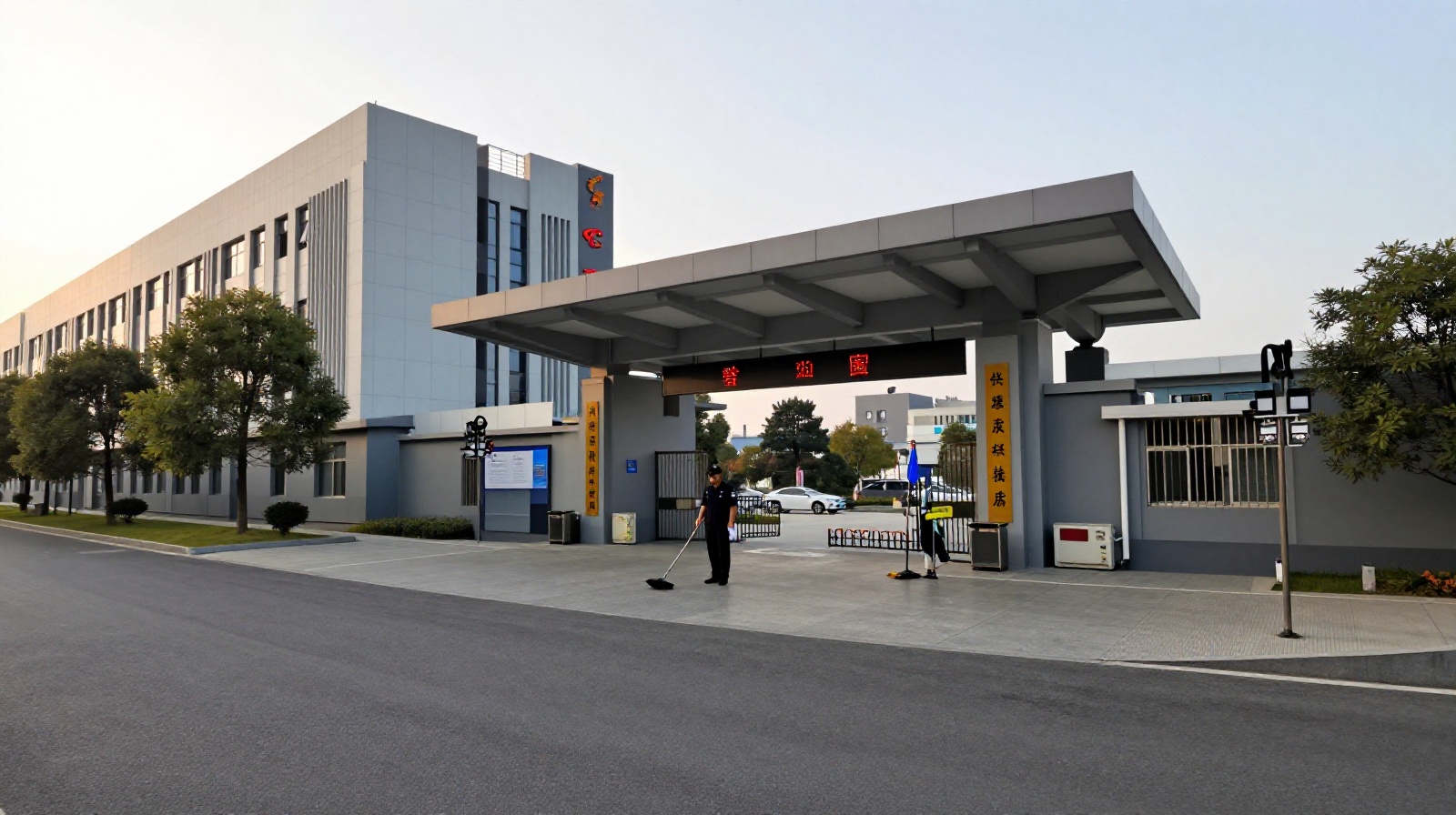
The future isn’t arriving in a single flash of disruption. It is being coded, tested, and refined in rooms that smell like stale coffee and ozone. If you listen closely to the hum of those night-shift servers, you won’t just hear ambition. You’ll hear the sound of a society figuring out how to move forward—one problem, one fix, one late night at a time.