
More Than Just Maintenance
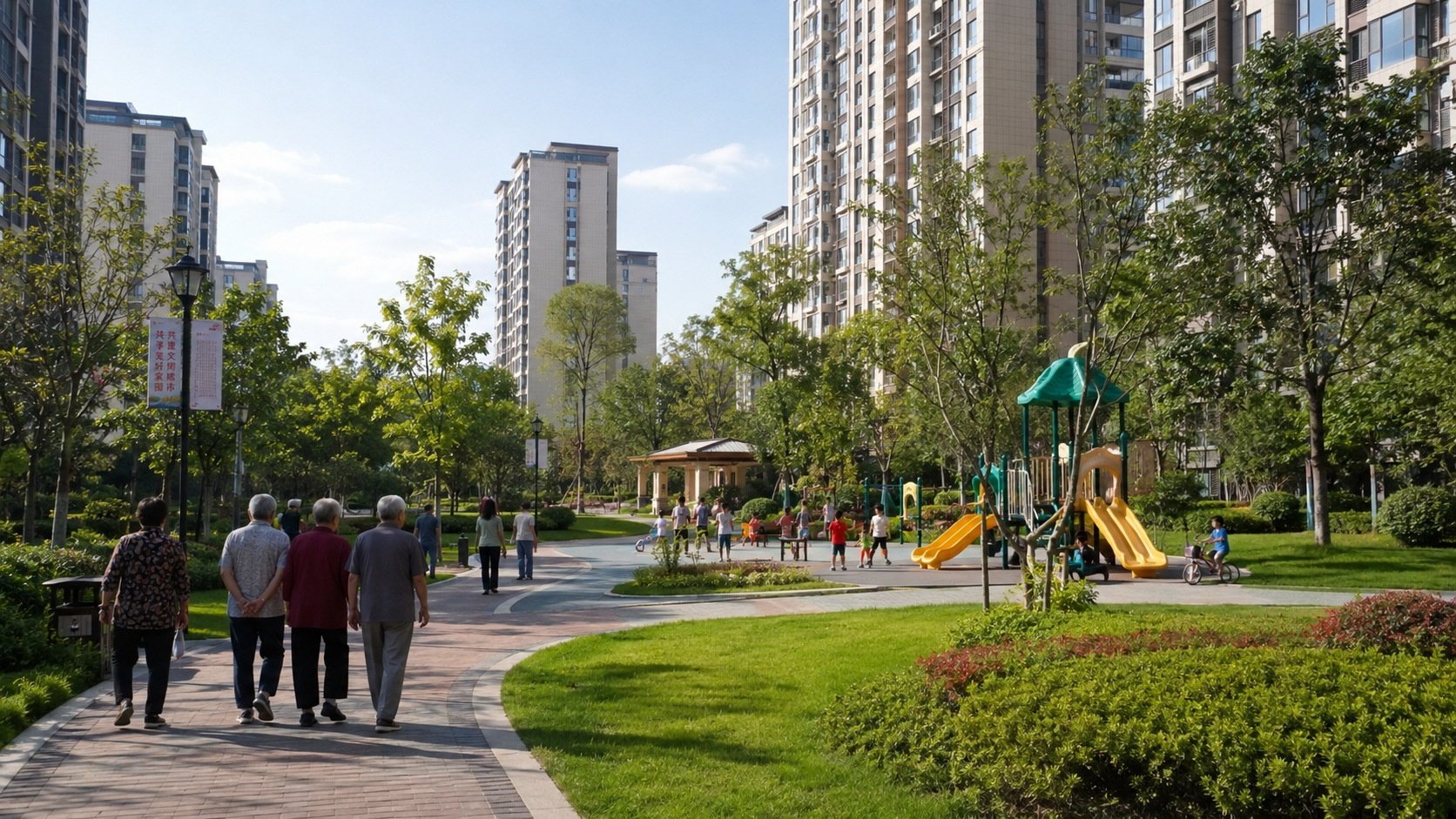
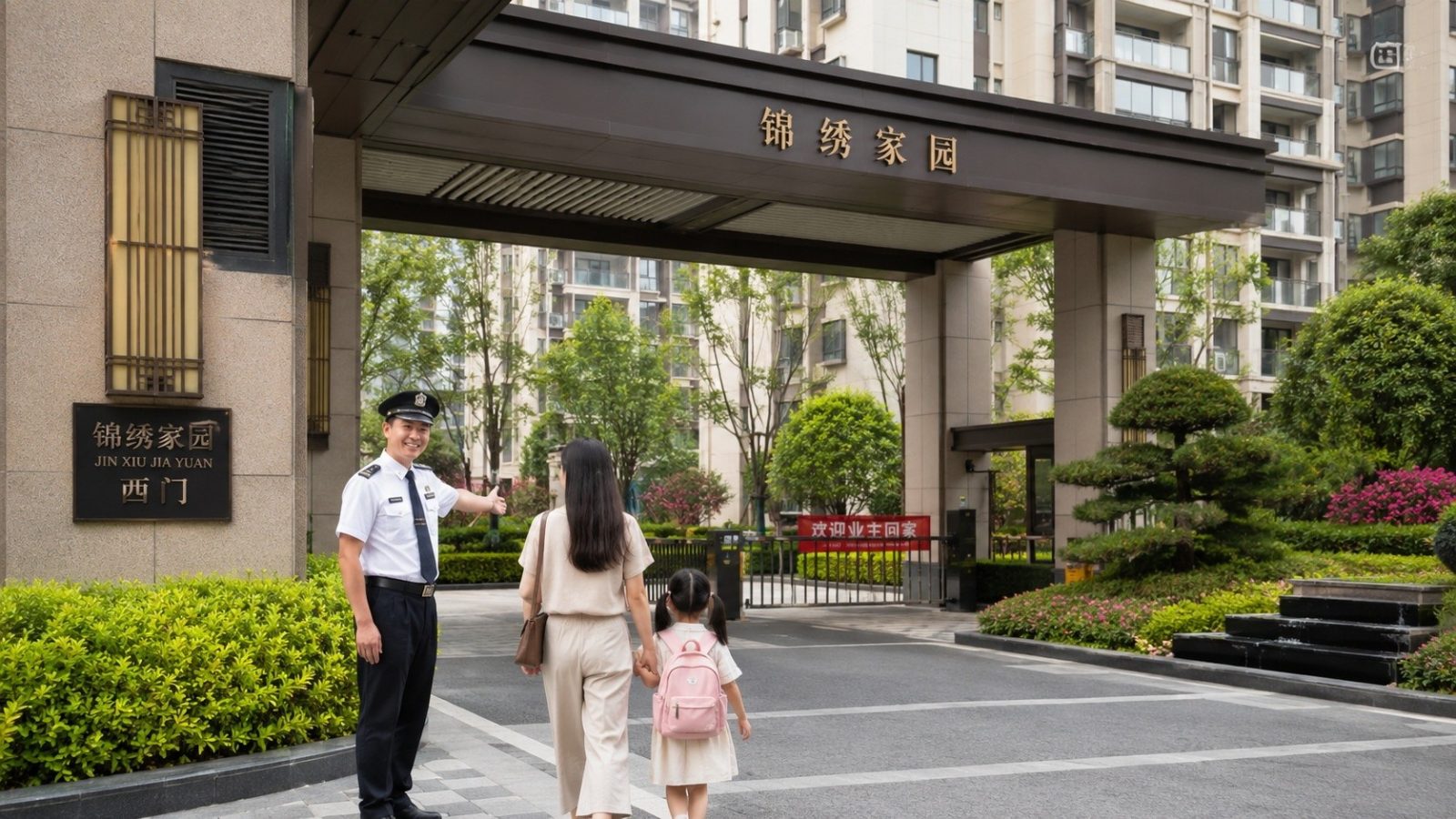
If you’ve ever stepped into a modern apartment building in China, you might have noticed the clean lobbies, manicured gardens, and security guards stationed at every entrance. This order is not an accident. It is the result of wuye (物业), or property management.
For Westerners accustomed to homeowners’ associations that meet once a year or rely on municipal services for everything, China’s wuye system can feel overwhelming. In many Chinese communities, especially in cities like Beijing, Shanghai, and Shenzhen, the property management company is your primary administrative interface. They handle security, cleaning, landscaping, elevator maintenance, and even coordinate with government officials during special periods.
The Fee: Your Subscription to Order
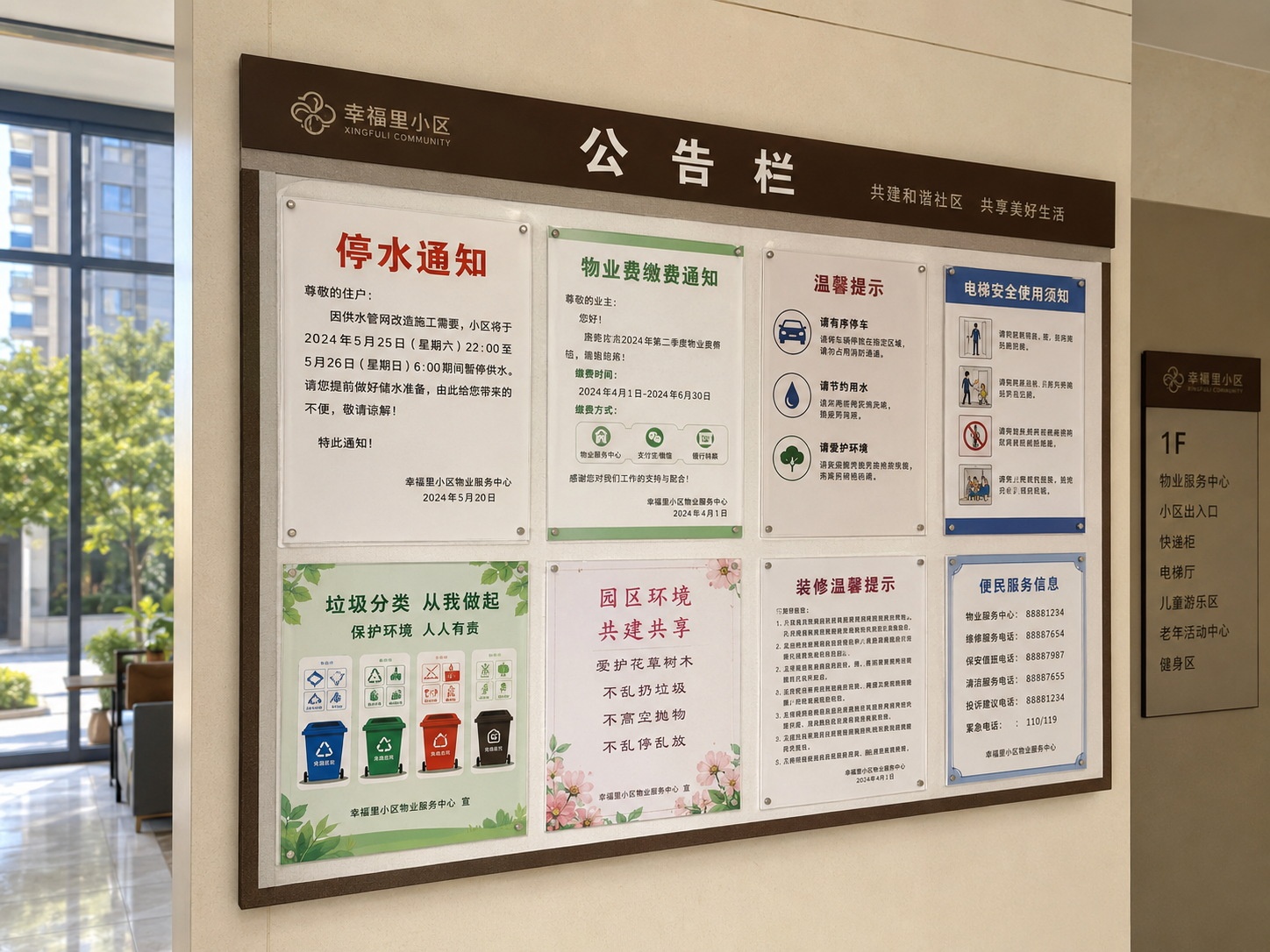
First things first: you will see a monthly charge on your utility bill or payment app. This is the wuye fei (property fee). It typically ranges from 2 to 5 RMB per square meter, depending on the building’s age and luxury level.
Paying on time is not just a financial obligation; it is a social contract. In China, late payments can lead to restrictions. While they cannot cut off your water or electricity (that is illegal), they may deny you access to certain community amenities or delay repair services. More importantly, in tight-knit communities, consistent non-payment can create tension with neighbors who value the shared environment.
Reporting Repairs: Speed and Clarity
When something breaks—a flickering light, a leaky faucet, or a broken gate—you don’t call a city hotline. You call wuye. The phone number is usually posted in the lobby or saved in your contacts as “Property Management Office.”
The culture here values speed. For emergency issues like water leaks, response times can be under an hour. However, for non-urgent matters, patience is key. To ensure your request is handled efficiently:
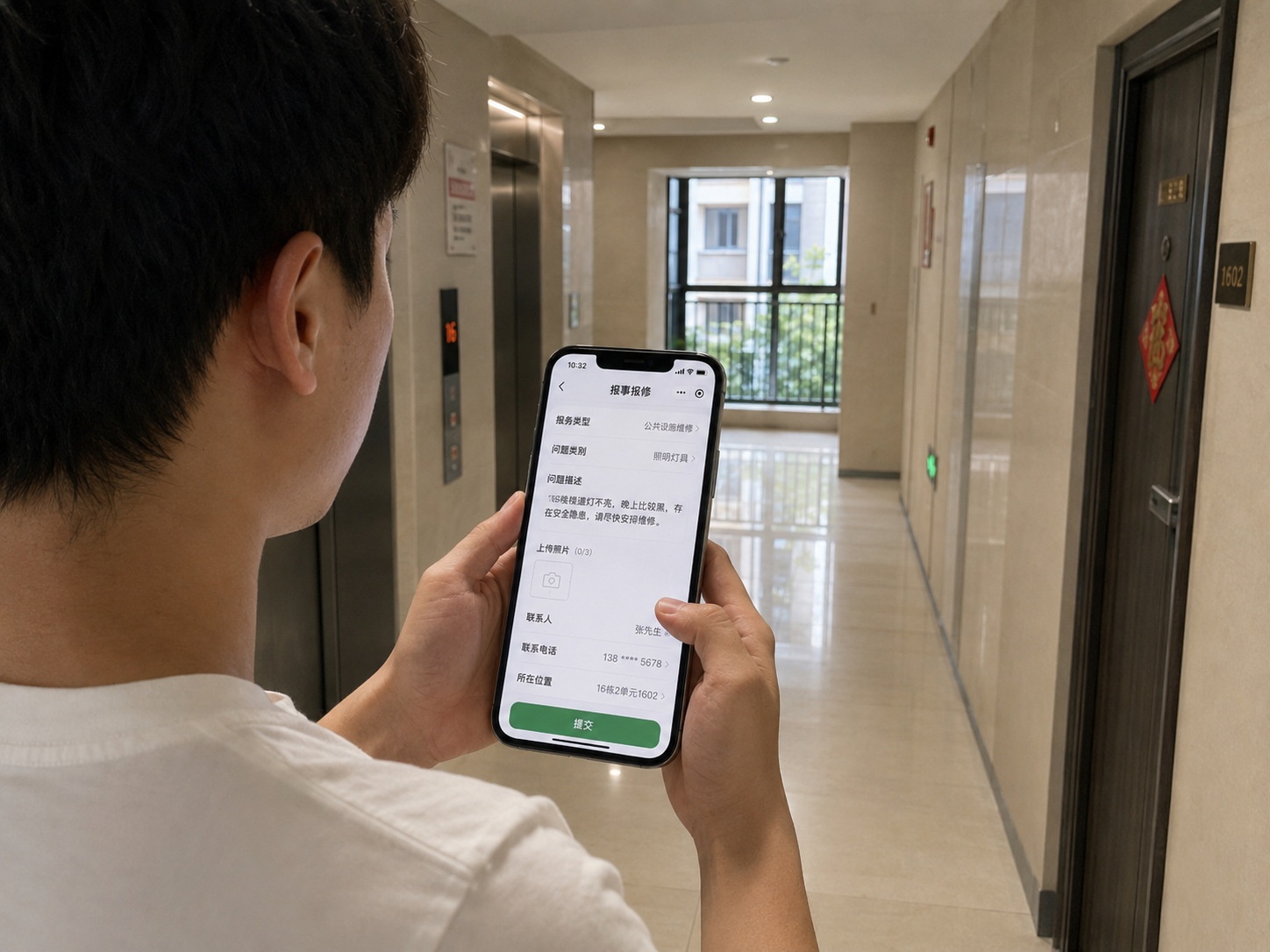
- Be specific: Instead of saying “the light is broken,” say “The hallway light on the 4th floor near the stairwell is out.”
- Use the App: Most newer complexes have WeChat mini-programs or dedicated apps where you can upload photos and track the repair status in real-time.
The WeChat Group: Your Community Nervous System
If there is one place where wuye truly lives, it is your building’s WeChat group. This is not just a chat room; it is the real-time hub for community life.
Here, you will receive immediate notifications about planned water cuts, power maintenance, or package deliveries left at the front desk. You might also see neighbors selling second-hand furniture, organizing weekend hikes, or complaining about noise from upstairs.
Navigating this group requires a bit of tact. It is common to see heated debates about parking spots or pet rules. As a resident, your best strategy is often to observe first. Joining the conversation politely can help you build connections with neighbors, but avoid getting drawn into long arguments unless it directly affects your safety or comfort.
Setting Boundaries: Polite but Firm
Wuye staff are professionals, but they are also human. They often deal with high pressure and limited resources. When issues arise, a calm and polite approach usually yields better results than anger. However, if they fail to address critical safety concerns or repeated negligence, you have the right to escalate.
In China, the ultimate authority lies with the Homeowners’ Committee (业委会). This is a group of elected residents who can hire or fire the property management company. If wuye becomes unresponsive, joining or forming a committee is the most effective way to drive change. It takes time and organization, but it has led to significant improvements in many neighborhoods across the country.
Living Well with Wuye
Understanding wuye transforms your daily life. Instead of seeing them as faceless bureaucrats, view them as partners in maintaining your living space. Pay your fees on time, communicate clearly through the right channels, and engage respectfully in community groups. In return, you gain a safer, cleaner, and more connected home.