

The Factory Floor Has Changed
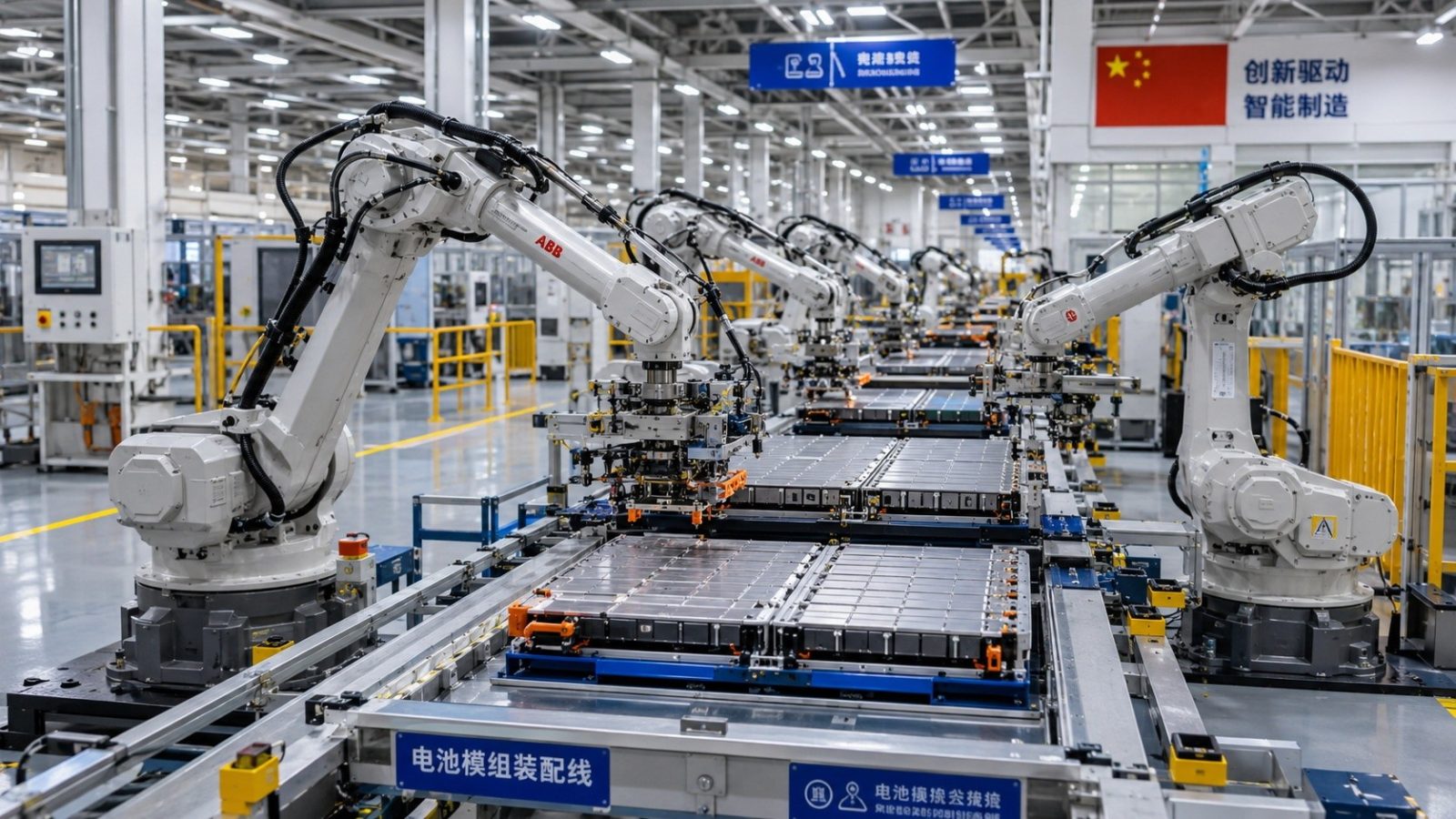
Walk into a modern manufacturing park in Suzhou or Shenzhen today, and the first thing you notice is the silence. There are no noisy assembly lines, no piles of cheap plastic goods waiting for shipping containers, and certainly no sweatshops. Instead, the air is clean, the floors are polished, and the dominant sounds are the soft whir of robotic arms and the hum of automated guided vehicles moving materials between workstations.
For decades, “Made in China” meant one thing to the world: affordable mass production. It was the factory of the globe, built on low labor costs and massive scale. But if you look at what is actually being produced now, the label is undergoing a quiet but profound transformation. The new focus is on complexity, precision, and technical capability. This is “Made in China” 2.0, where the goal is no longer just to make things cheaply, but to make things that are hard to replicate.
Why the Shift Is Happening Now
This transition isn’t just a policy slogan; it’s a structural necessity. China’s demographic dividend is fading. Labor costs have risen significantly over the past two decades, making it impossible to compete with countries like Vietnam or Bangladesh on simple assembly tasks. The economic math has changed. To keep growing, Chinese manufacturers had to move up the value chain.
At the same time, domestic demand has evolved. China now has a massive middle class that expects high-quality goods, from medical devices to electric vehicles. This internal market provides a testing ground for manufacturers to refine their products before exporting them globally. The combination of higher costs and sophisticated local demand has forced an upgrade. Companies that refused to innovate found themselves squeezed out, while those that invested in technology survived and thrived.
Precision in Practice: EVs and Beyond
Nowhere is this shift more visible than in the electric vehicle (EV) supply chain. Ten years ago, China was importing engine technology and battery cells from Japan and Germany. Today, the country dominates the global market for EV batteries and is exporting precision engineering capabilities that were once the exclusive domain of established industrial powers.
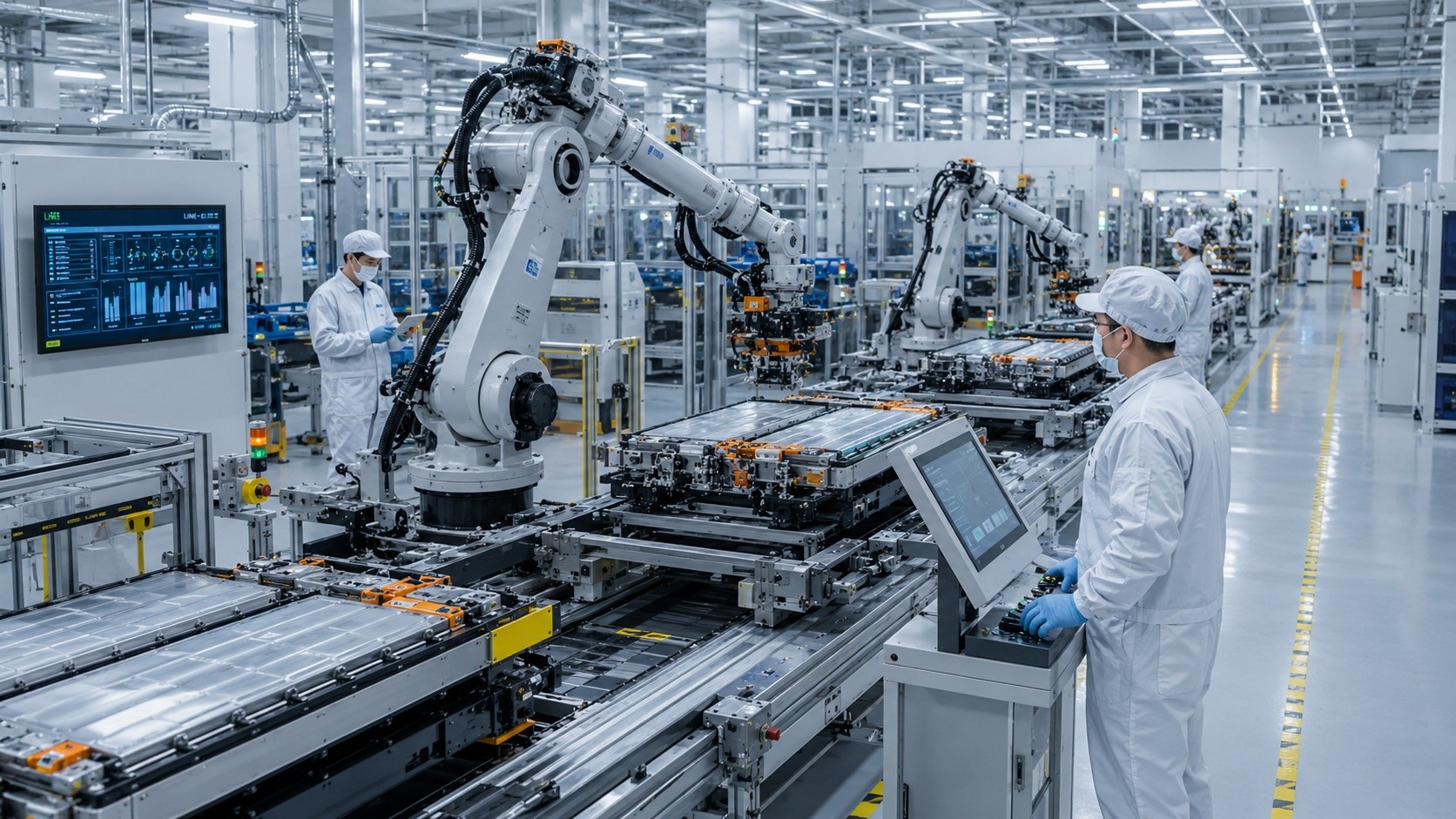
Take the production of battery modules. Modern Chinese factories use laser welding and automated inspection systems to ensure that every cell is placed with millimeter precision. This level of consistency is critical for safety and performance. Companies like CATL and BYD have not only scaled production but also improved energy density and reduced costs through proprietary engineering solutions. They are now licensing their technologies to global automakers, a reversal of the relationship that existed in the internal combustion engine era.
The trend extends beyond EVs. In the medical device sector, Chinese manufacturers are producing high-end CT scanners and MRI components with precision comparable to Western rivals, often at a fraction of the cost. In drone manufacturing, companies like DJI control over 70% of the commercial market by integrating aerodynamics, software, and hardware engineering into a single, highly optimized product. These are not copies; they are results of deep engineering know-how accumulated over years of iteration.
The Role of AI and Automation
What enables this leap in precision? The answer lies in the widespread adoption of automation and artificial intelligence. China is the world’s largest market for industrial robots. According to the International Federation of Robotics, Chinese factories account for more than half of global industrial robot installations.
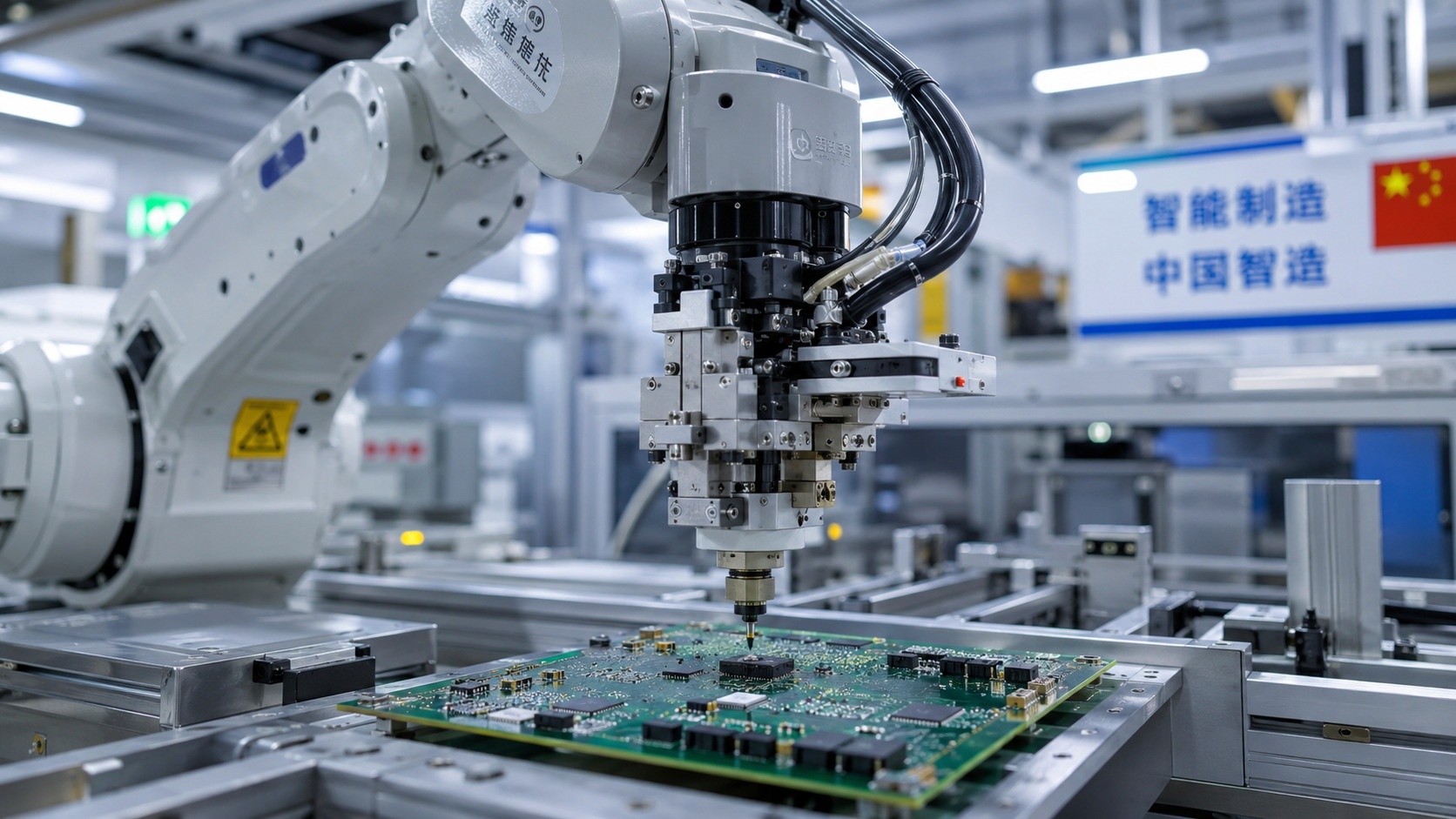
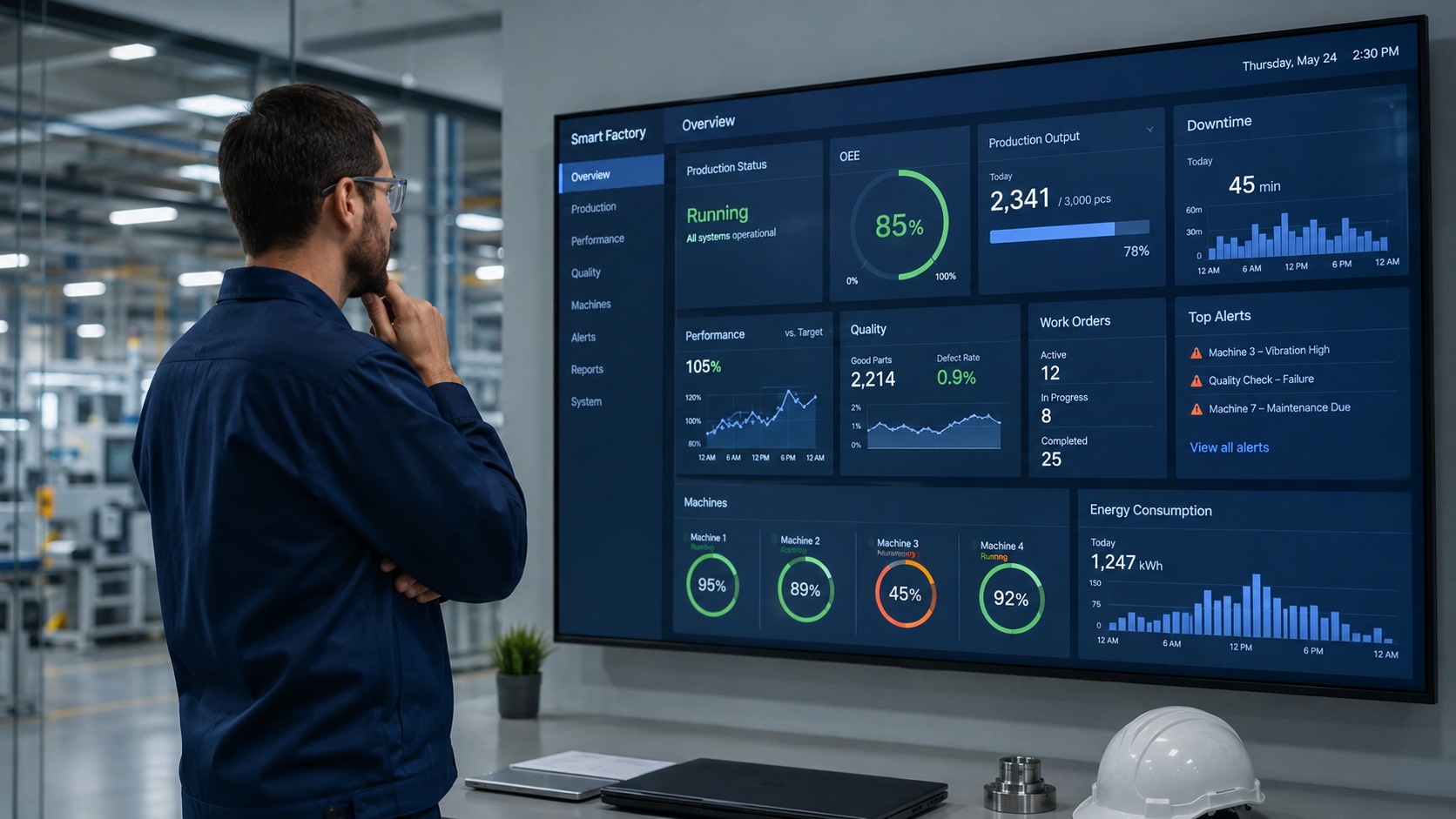
This isn’t just about replacing human workers. In precision engineering, the value of automation is consistency. A human error in a batch of micro-components can scrap millions of dollars worth of material. Machines ensure that the 10,000th part is identical to the first. Moreover, Chinese factories are becoming “smart.” Sensors on machines collect real-time data, allowing for predictive maintenance and rapid adjustments to production parameters. This level of digital integration reduces waste and improves yield rates, making high-volume precision manufacturing economically viable.
The government term “New Quality Productive Forces” sounds bureaucratic, but in practice, it describes this exact reality: prioritizing efficiency through technology over sheer labor volume. It reflects a national strategy to embed AI, big data, and advanced materials into the manufacturing base.
Global Ripples and Real Challenges
The world is feeling the impact of this shift. Supply chains are restructuring. Buyers who once sourced from Southeast Asia purely for cost reasons are finding that China offers a “complete package”: speed, reliability, and technical capability. The ability to iterate designs in days rather than weeks is a competitive advantage that low-cost factories cannot match.
However, the transition faces real challenges. There is a growing demand for skilled engineers, data scientists, and technicians. While China produces millions of STEM graduates annually, there is still a gap in top-tier talent for cutting-edge research. Geopolitical tensions are also creating friction. Some Western markets are imposing tariffs or restrictions on high-tech exports, complicating the flow of knowledge and equipment.
Furthermore, moving up the value chain means competing directly with established giants in Europe and the United States. In areas like high-end semiconductors and advanced lithography, China still faces “choke point” technologies that are difficult to replicate. The industry is investing heavily to overcome these bottlenecks, but the path is steep. Additionally, as Chinese companies expand globally, they must navigate different regulatory environments and build trust in markets that may view their rise with suspicion.
Redefining the Value Chain
The evolution of “Made in China” 2.0 signals a broader change in the global economy. It marks the shift from a model based on labor arbitrage to one based on industrial know-how and innovation. For global consumers, this means access to higher-quality products at competitive prices. For businesses, it presents both opportunities and new dynamics of competition.
The era of mass production is not over, but it is evolving. The future belongs to precision engineering, where speed, data, and technical depth determine success. As Chinese factories continue to upgrade, they are becoming a source of industrial solutions that the world relies on. The label “Made in China” is no longer just about where a product is assembled; it is increasingly about where the engineering intelligence behind it comes from.