

The Unexpected Export
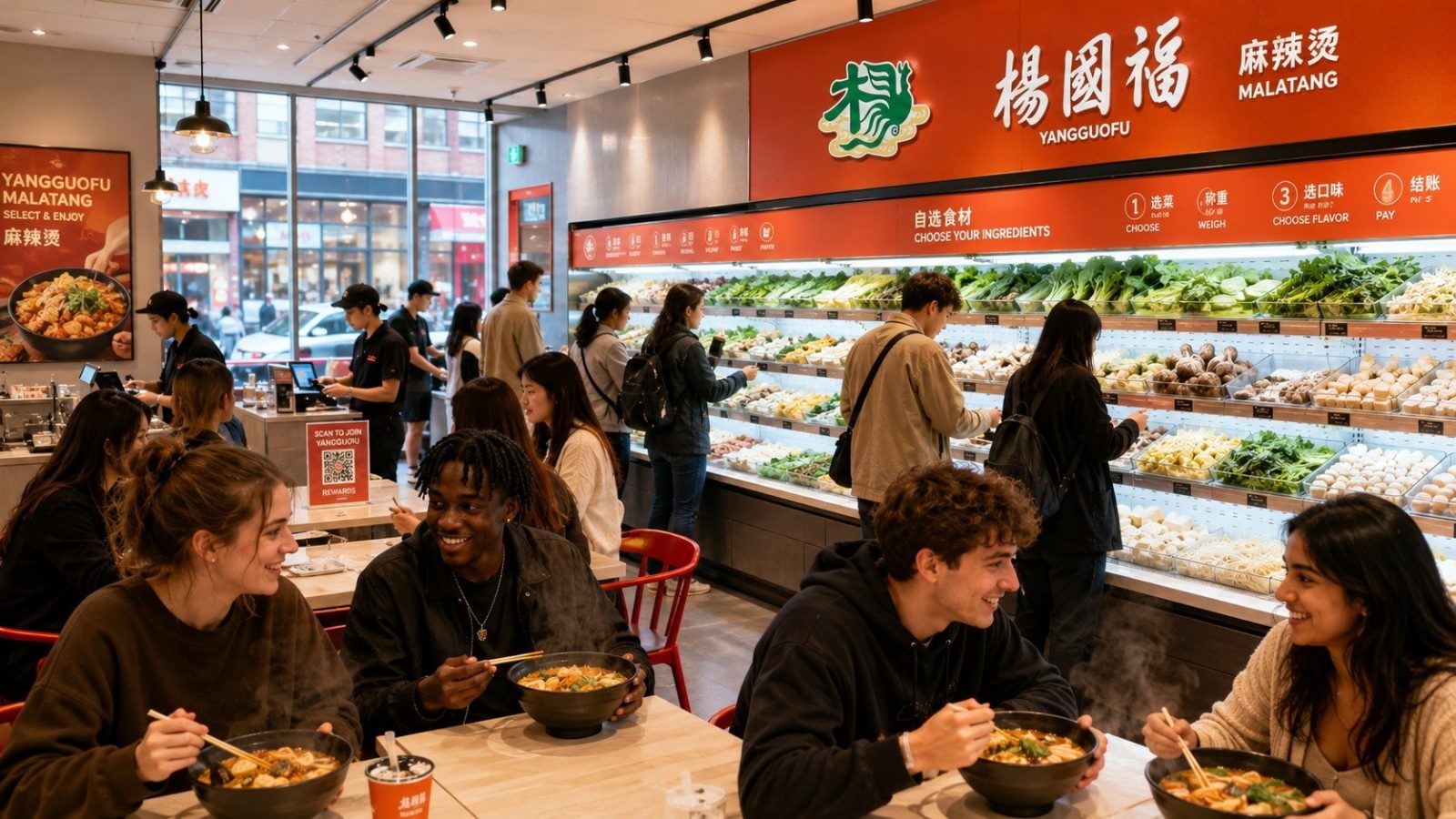
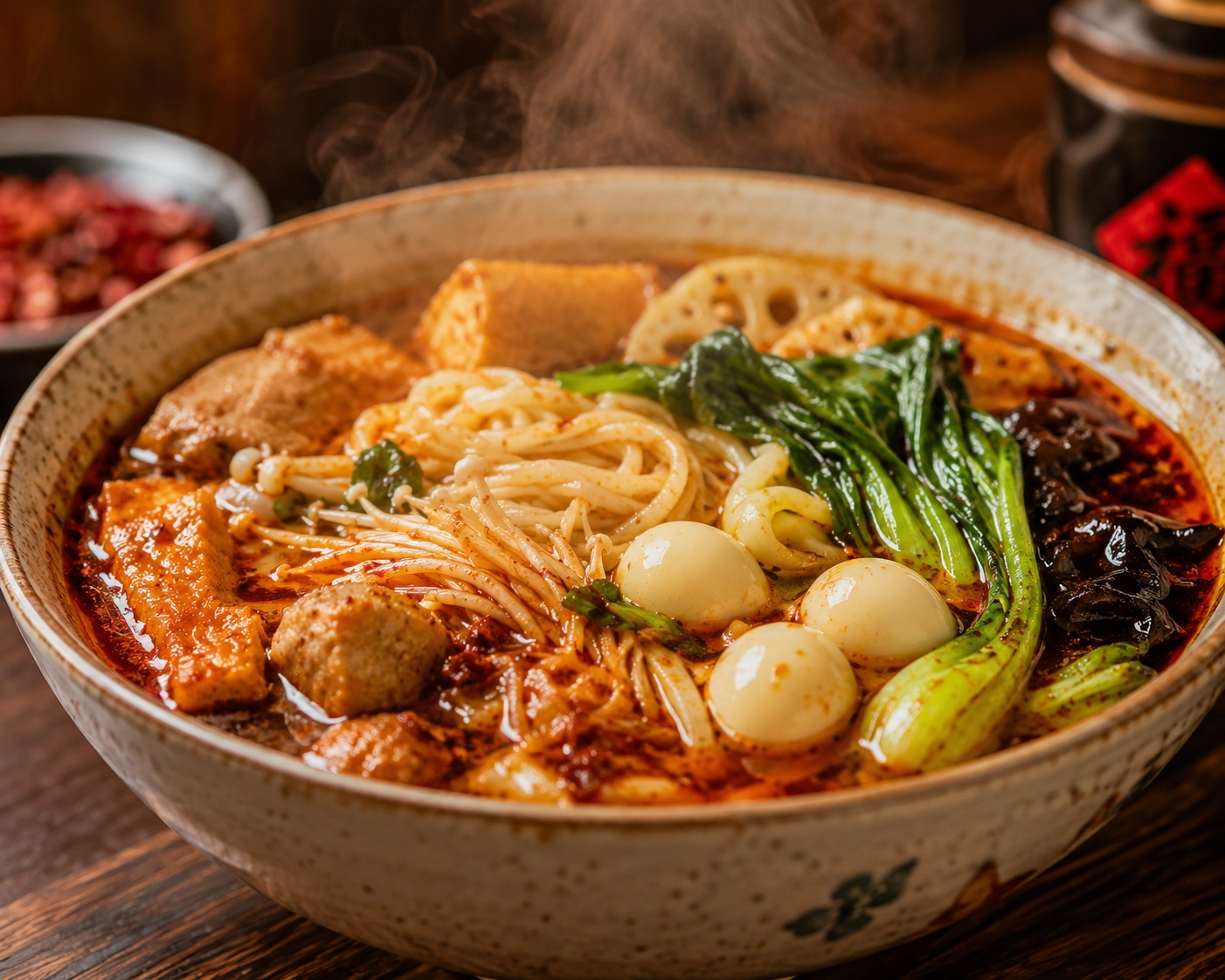
Imagine walking into a brightly lit shop in downtown London or a busy strip mall in Toronto. The air doesn’t smell like traditional Chinese takeout—no heavy garlic or deep-fried dough. Instead, it smells like a mix of broth, fresh herbs, and simmering spices. Behind the counter, a customer in a business suit points at a display of colorful ingredients: quail eggs, bamboo shoots, lotus root slices, and wide rice noodles.
“One mild broth, extra vegetables, no beef,” the customer says. Within three minutes, a steaming bowl is handed over. This is Yang Guofu or Zhang Liang, two of China’s most famous Mala Tang (spicy hot pot) chains, now operating in over 20 countries.
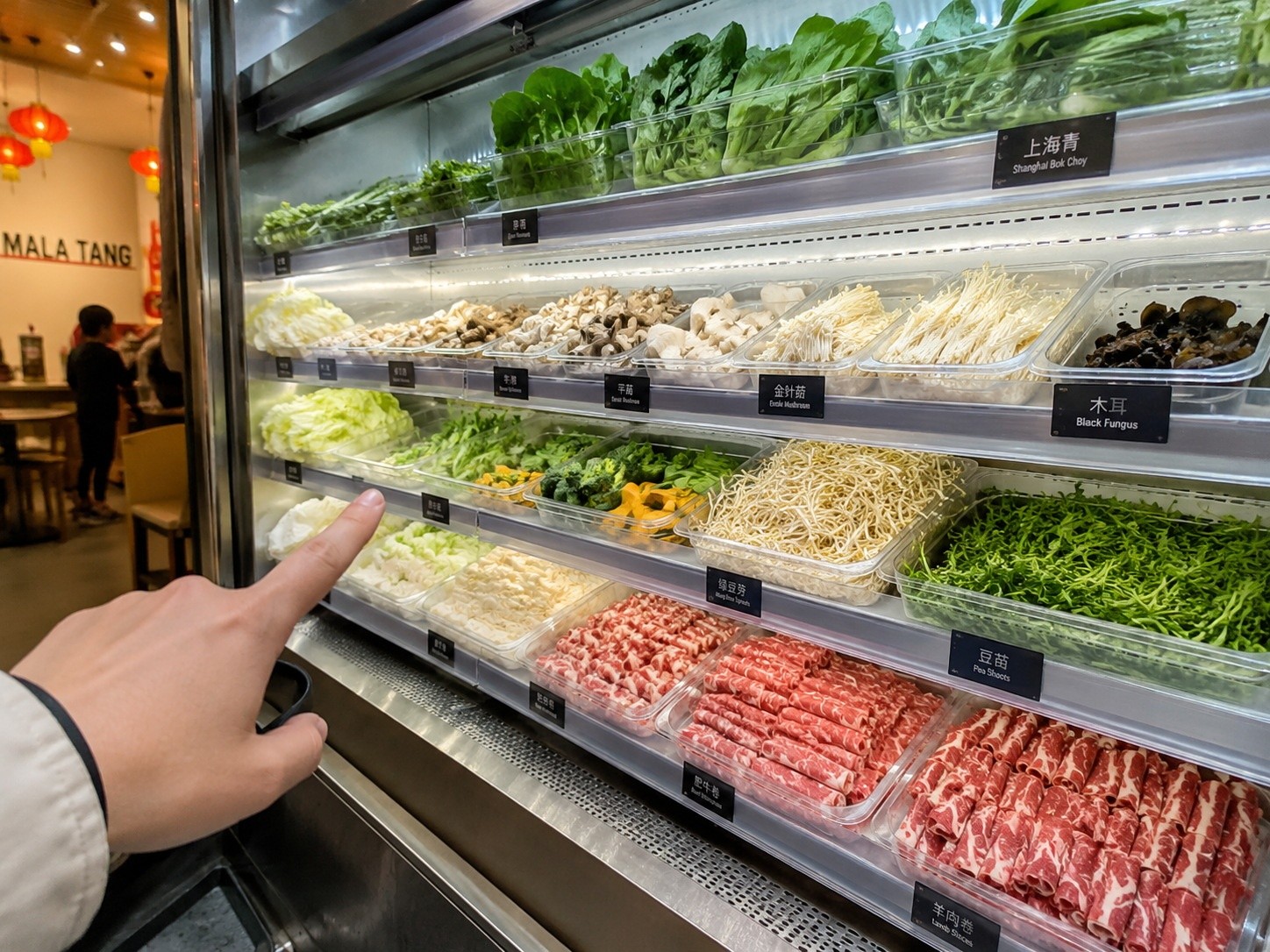
For Westerners unfamiliar with Chinese cuisine, the term “spicy hot pot” often conjures images of numbing Sichuan peppercorns and intense heat. But what they actually encounter is a customizable, fast-casual experience that feels more like a salad bar meets a noodle soup. This shift is not accidental. It is the result of a calculated business strategy designed to bridge the gap between China’s street food culture and Western dietary habits.
The Business Model: Scalability Meets Localization
In China, Mala Tang started as a humble street snack in Heilongjiang province. The name literally translates to “numbing spicy soup.” Traditionally, it was a cheap, filling meal for workers and students. But when these brands looked outward, they realized that the core appeal wasn’t just the spice—it was the customization.
The Western market, particularly in North America and Europe, has seen a rise in health-conscious dining. People want control over what they eat: low sodium, more greens, leaner proteins. The Mala Tang model fits this perfectly. Customers choose their base (noodles, rice, or no carbs), pick their toppings from a refrigerated display, and select their broth level.
To succeed abroad, these chains had to adapt. Yang Guofu and Zhang Liang reduced the oil content in their broths and introduced non-spicy options like tomato or mushroom bases. They also emphasized fresh, recognizable ingredients rather than processed meats, which are sometimes frowned upon in Western health circles. This wasn’t just about taste; it was about trust. By offering transparency in ingredients and nutritional information, they lowered the barrier for first-time customers.
From Street Stall to Global Chain: The Human Story
The expansion of these brands is largely driven by franchisees. Many are Chinese immigrants who have lived in their host countries for years. They understand both cultures. For example, a franchise owner in Sydney might struggle with the high cost of importing authentic Sichuan peppercorns from China. They might also face challenges navigating local labor laws, which are often stricter and more regulated than in China.
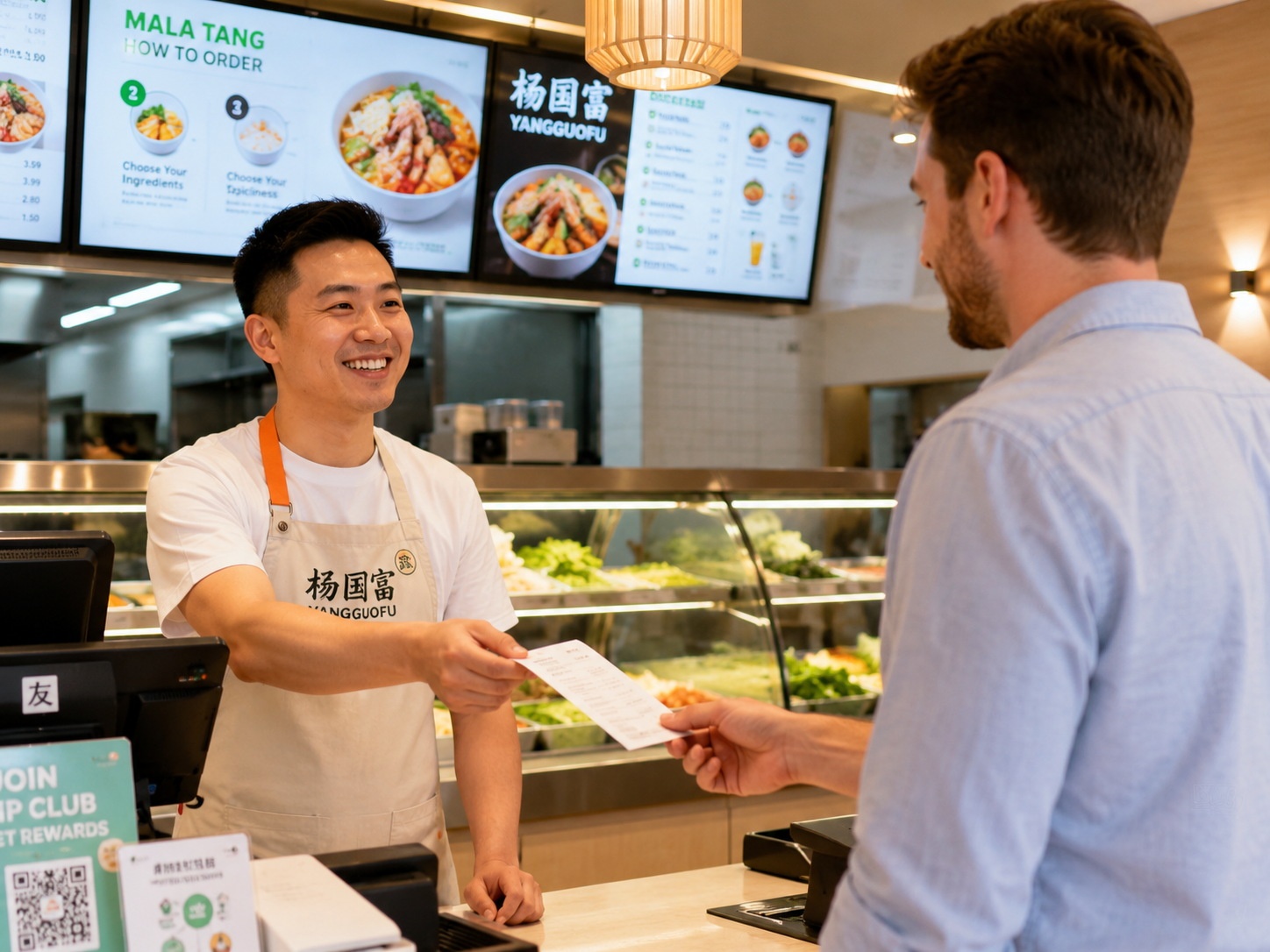
There is also the issue of cultural misunderstanding. In China, efficiency is king. Service is fast, sometimes brusque. In Europe or North America, customer service is expected to be more conversational and polite. Franchise owners have had to retrain their staff to smile, make small talk, and explain the menu in a way that feels welcoming, not overwhelming.
Despite these hurdles, the growth has been steady. The model is scalable because it requires less specialized cooking skill than a traditional restaurant. A bowl of Mala Tang can be assembled quickly, reducing labor costs and ensuring consistency across different locations.
Technology in Action: Efficiency Behind the Counter
What makes these chains truly resilient is their reliance on technology. In China, digital integration in daily life is seamless. This same tech stack is exported overseas. When you order at a Yang Guofu or Zhang Liang branch, you are likely using a QR code on the table to scan the menu and pay. Inventory is managed through centralized systems that predict ingredient demand based on historical data.
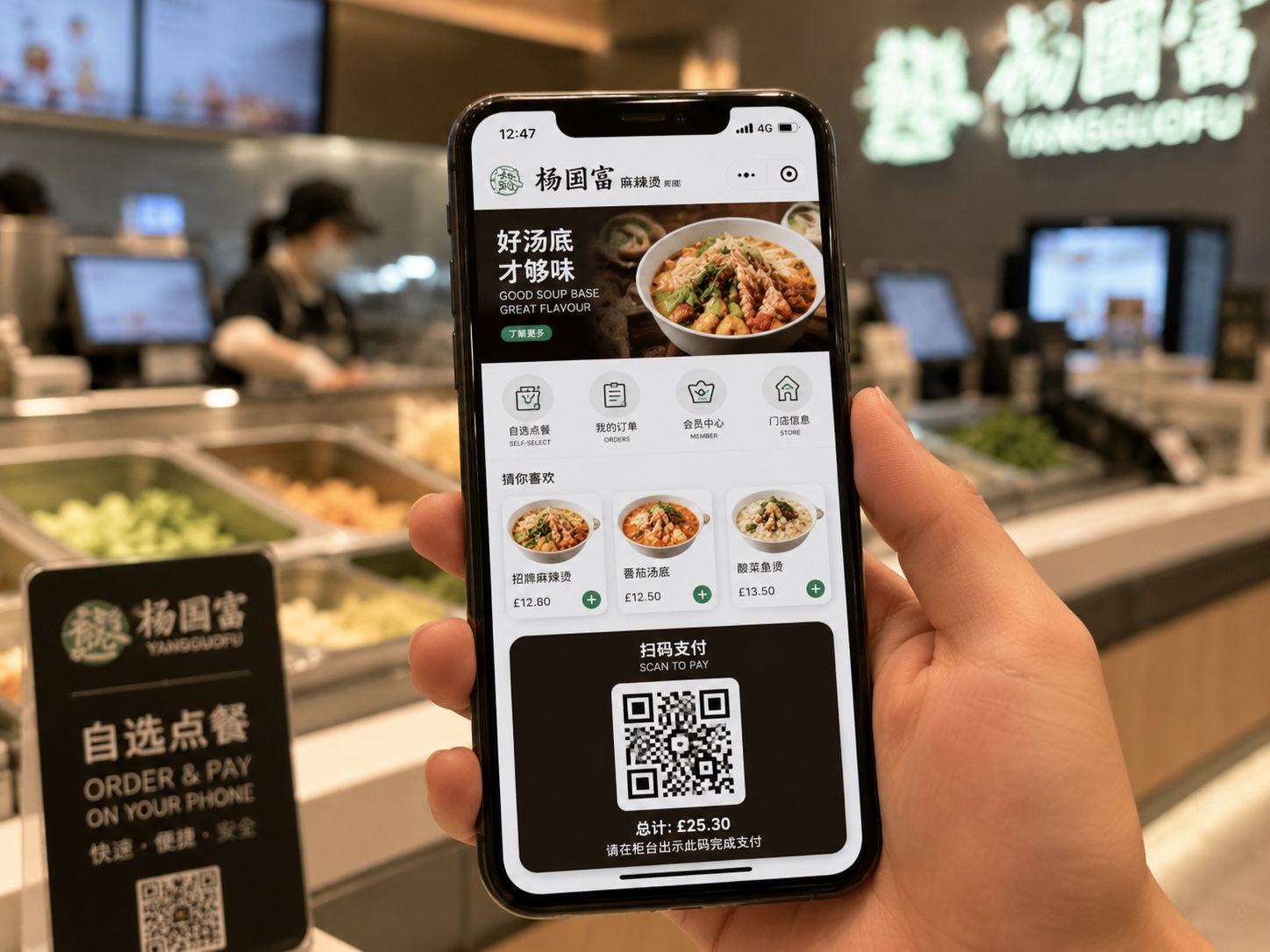
This digital backbone allows even small, independent franchisees to operate with the efficiency of a large corporation. It reduces waste, optimizes staffing, and ensures that the broth tastes the same in New York as it does in Shanghai. For Western observers, this level of operational efficiency might seem standard, but for a small business owner in a foreign country, it is a significant competitive advantage.
Cultural Bridges and Misconceptions
Of course, not every customer falls in love with Mala Tang on the first try. The concept of “spicy” varies widely. For someone used to mild Italian or French cuisine, even “mild” Sichuan spice can be a shock. But many customers return, intrigued by the variety and the warmth of the broth.
Chinese expats often find comfort in the familiar taste, a small piece of home in a foreign land. Meanwhile, local customers start to appreciate the complexity of the flavors. It’s a slow process of education. The food acts as a cultural ambassador, introducing Westerners to Chinese culinary traditions without the intimidation of a full-scale hot pot dinner where you cook your own food at the table.
More Than Just Noodles
The global expansion of Yang Guofu and Zhang Liang is more than a commercial success story. It reflects a broader shift in how Chinese culture is perceived abroad. No longer just associated with ancient traditions or high-end diplomacy, Chinese food is now part of everyday Western life. It’s affordable, accessible, and adaptable.
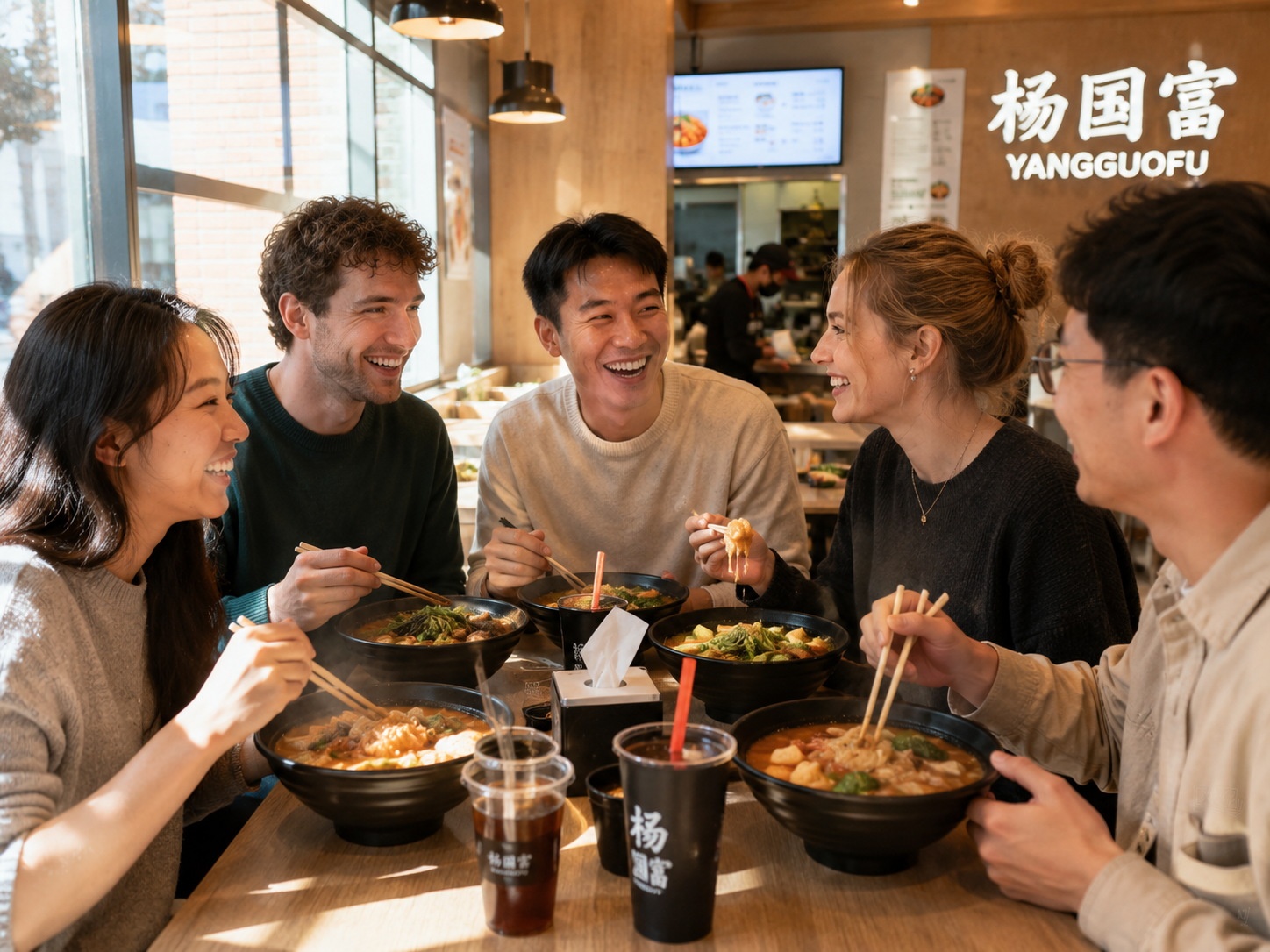
As these chains continue to grow, they will likely face new challenges: competition from other Asian cuisines, changing health trends, and economic fluctuations. But their journey so far shows that with the right balance of authenticity and localization, cultural barriers can be broken down, one bowl at a time.