

The Lunch Rush in the Neighborhood
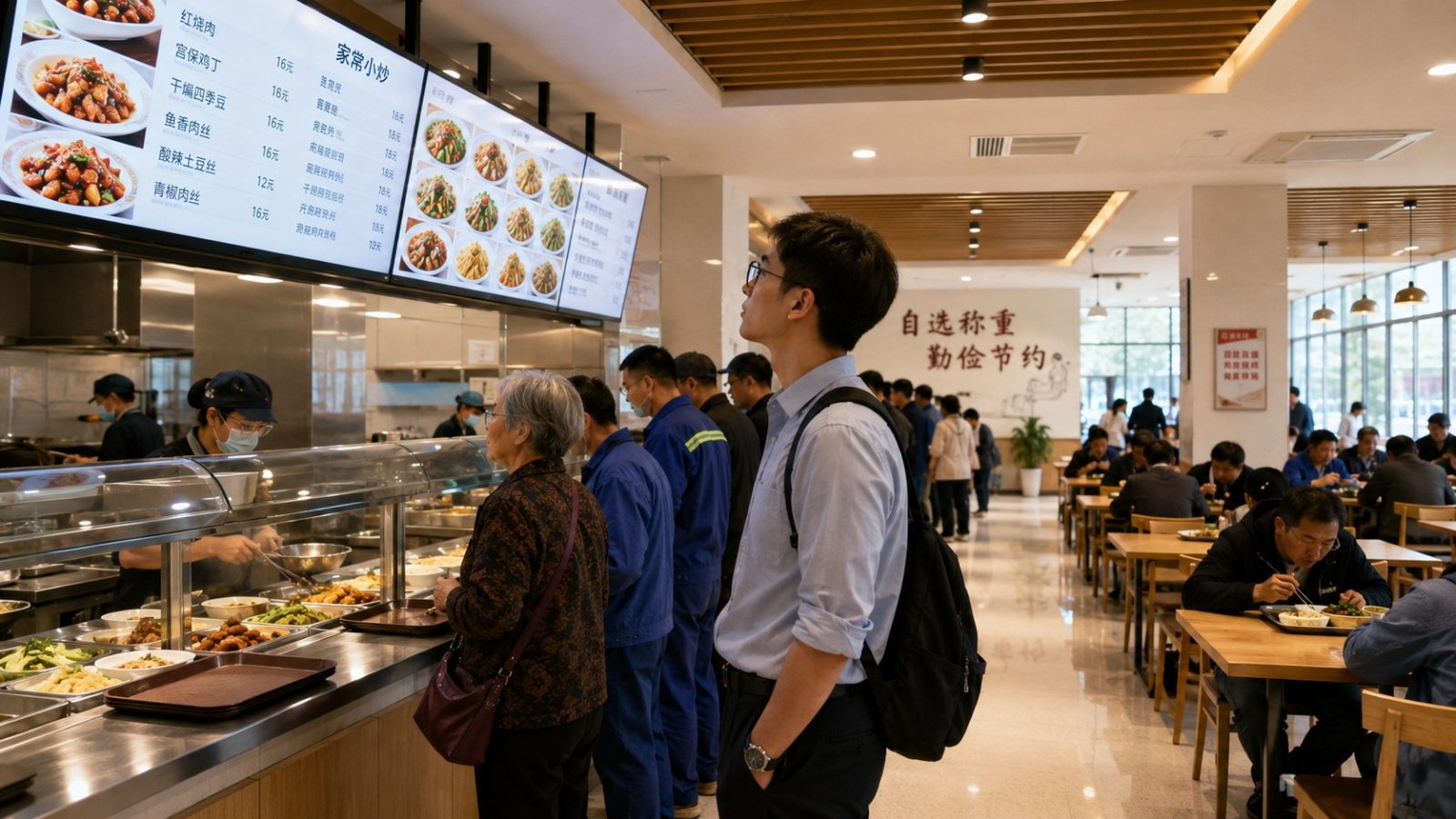
At 11:45 AM, the bell rings at a residential compound in Beijing’s Haidian district. Thirty-year-old Li Wei, a software engineer, steps out of his office building and walks just two minutes to the “Community Canteen” on the ground floor of his apartment block. The line is already forming. He scans his face at the turnstile, receives a beep, and joins the queue.
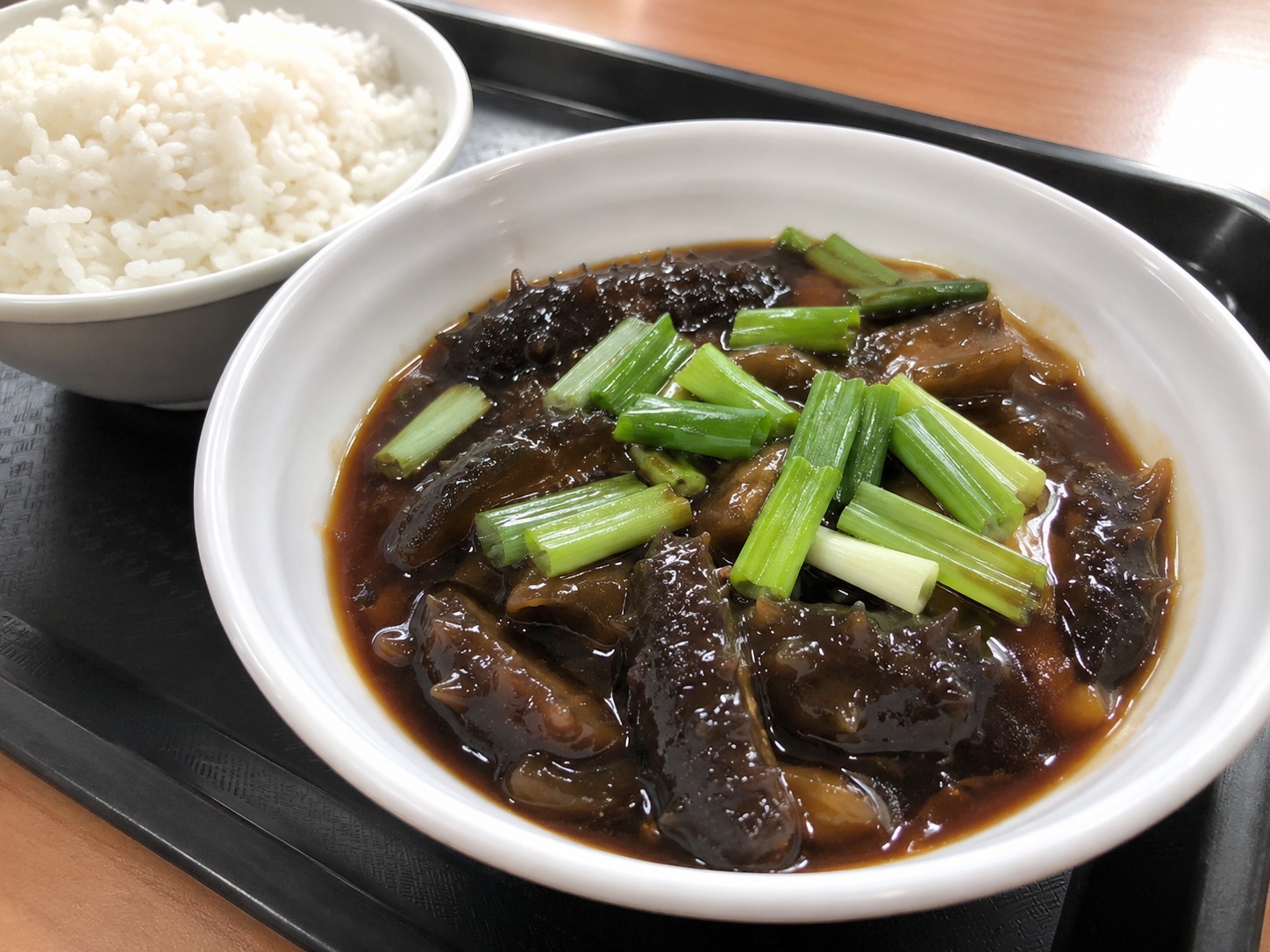
On the menu board, among the familiar stir-fries like mapo tofu and tomato egg, sits one item that would have shocked his grandfather: Braised Sea Cucumber with Scallions (Cong Shao Hai Shen). It’s priced at 32 yuan (about $4.50), inclusive of rice. Li Wei points to it. “I had it last week too,” he says, wiping steam from his glasses. “It’s tender, the sauce is rich, and it feels like eating something special without spending a fortune. For me, it’s just good fuel for the afternoon coding session.”
From Status Symbol to Supermarket Staple
For decades, sea cucumber was the ultimate symbol of wealth in China. In the 1990s and early 2000s, a single dried pound could cost several thousand yuan. It was served only at state banquets or in five-star hotels, a dish meant to display status rather than satisfy hunger. If you ordered it, you weren’t just buying food; you were buying face.
Today, that dynamic has shifted dramatically. Thanks to massive advances in aquaculture—particularly in coastal cities like Weihai in Shandong and Dalian in Liaoning—sea cucumber is no longer a rare catch of the wild ocean. Farmers have perfected controlled breeding techniques, raising sea cucumbers in underwater nets or specially designed ponds. This shift from “hunting” to “farming” has driven prices down. While premium dried sea cucumber still commands a high price, fresh or frozen varieties suitable for home cooking or restaurant serving now cost between 80 and 150 yuan per jin (500g). This affordability is what allows community canteens to offer it as a regular menu item.
The Science Behind the Sauce
You might wonder: how can a dish that requires hours of slow braising be served in a high-volume canteen? The answer lies in modern food technology and standardized supply chains, which are often misunderstood as “low quality.” In reality, they ensure consistency and safety.
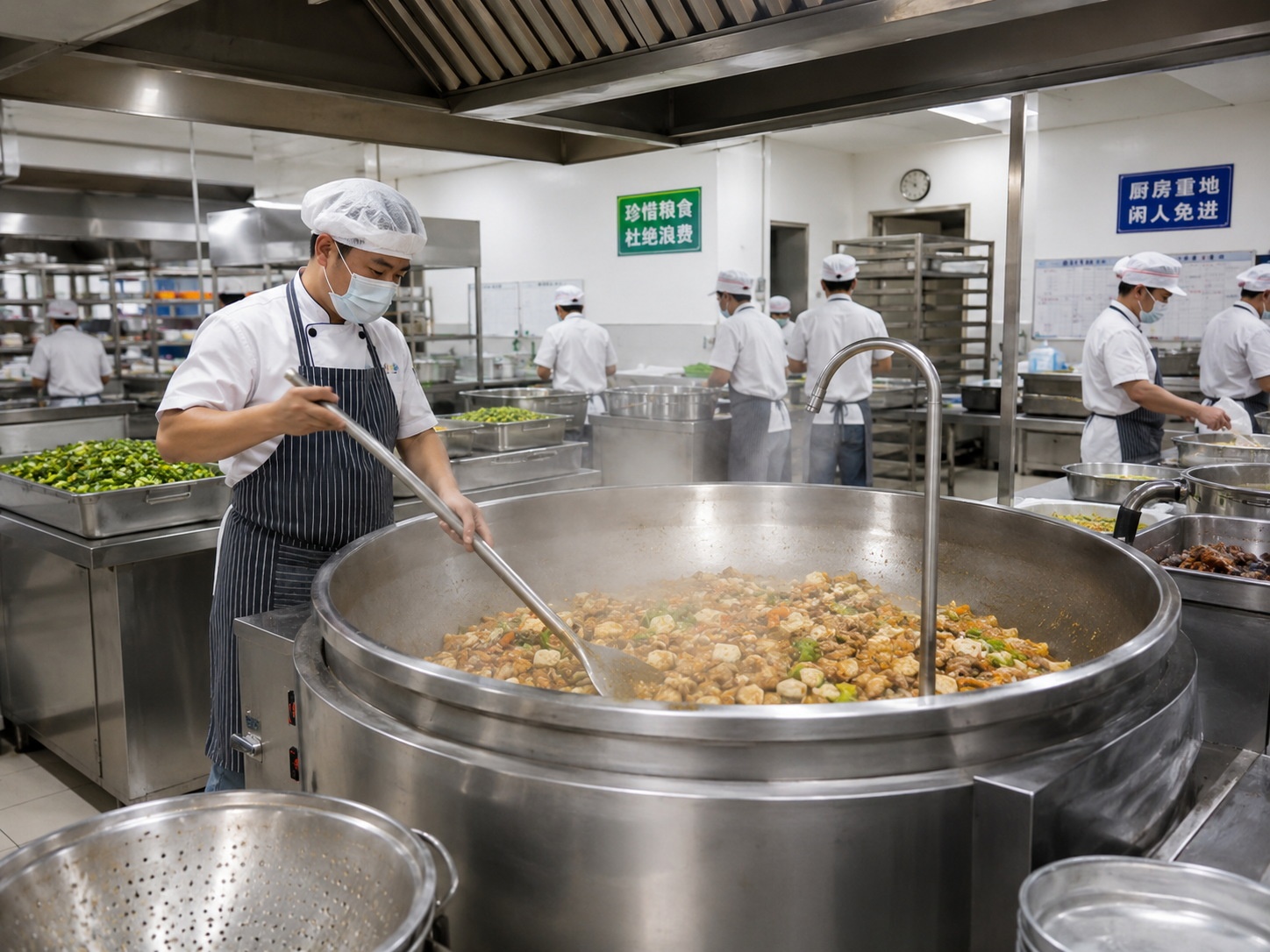
Most sea cucumbers in these canteens are pre-braised in centralized kitchens using industrial-sized pressure cookers. The process is highly controlled: the海参 (sea cucumber) is soaked, cleaned, and then braised with a stock made from chicken, pork bones, and aromatics like ginger and scallions. This “pre-made” (yuzhicai) component arrives at the canteen fully cooked. The staff simply reheats it in a wok with fresh scallion oil just before serving. This method isn’t about cutting corners; it’s about scaling up a complex culinary technique so that a worker on a tight lunch break can enjoy a dish that traditionally required a private chef and three days of preparation.
More Than Just Food: The Community Canteen Model
The rise of these canteens is part of a broader urban governance strategy in China. Known as “15-minute life circles,” these facilities are designed to serve two main groups: the elderly, who may find cooking difficult, and young professionals like Li Wei, who lack time for meal prep.
For seniors, the price is often subsidized. For workers, it’s about convenience and health. Many young urbanites in China have grown up with instant noodles or delivery apps, but there is a growing fatigue with highly processed, oily takeout. The community canteen offers a middle ground: nutritious, balanced meals at a price lower than delivery apps, with the added benefit of social interaction.

“I see my neighbors here,” says Zhang Mei, a 72-year-old retiree who eats lunch at the same canteen. “My son lives in another city. Coming here, I chat with Mrs. Wang next to me. The food is light, not too salty or oily, which is better for my blood pressure.”
A New Kind of “Affordable Luxury”
For Western readers, this might seem like a strange consumption pattern. Why would young people choose sea cucumber over steak or sushi? It helps to compare it to the Western trend of “superfoods.” Ten years ago, quinoa or avocados were niche, expensive items for health-conscious elites. Today, they are staples in most supermarkets.
In China, sea cucumber represents a similar shift: from a luxury good to a functional food. Young Chinese consumers are increasingly pragmatic. They don’t buy it for “face”; they buy it for perceived health benefits (it’s low fat, high protein) and the novelty of taste. It’s a way to treat oneself without breaking the bank.
A Slice of Real China
The story of sea cucumber moving from state banquets to community canteens is not just about food. It reflects a country where rapid economic growth has been followed by a push for social equity and public service improvement. The logistics network that brings fresh seafood from the coast to inland cities in hours, and the policy support that encourages neighborhood dining facilities, are reshaping daily life.
Next time you visit China, don’t just look at the skyscrapers. Go to a residential neighborhood at noon. Watch the line form at the community canteen. Order the braised sea cucumber. It might just be the most honest taste of modern China.