

The Democratization of a Legendary Dish
Walk into any traditional restaurant in Fuzhou, the capital of Fujian province, and you might hear the same story being told over and over. It starts with a joke about the dish’s name: Fo Tiao Qiang, or “Buddha Jumps Over the Wall.” Legend has it that the aroma was so irresistible that even a practicing Buddhist couldn’t resist jumping over the wall to taste it.
For generations, this dish was the ultimate symbol of exclusivity. Made with abalone, sea cucumber, shark fin, bird’s nest, and various premium meats, it required days of preparation and cost hundreds—or even thousands—of dollars per serving. It was reserved for imperial banquets, high-level business negotiations, or once-in-a-lifetime celebrations. If you weren’t wealthy or well-connected, you didn’t eat it.
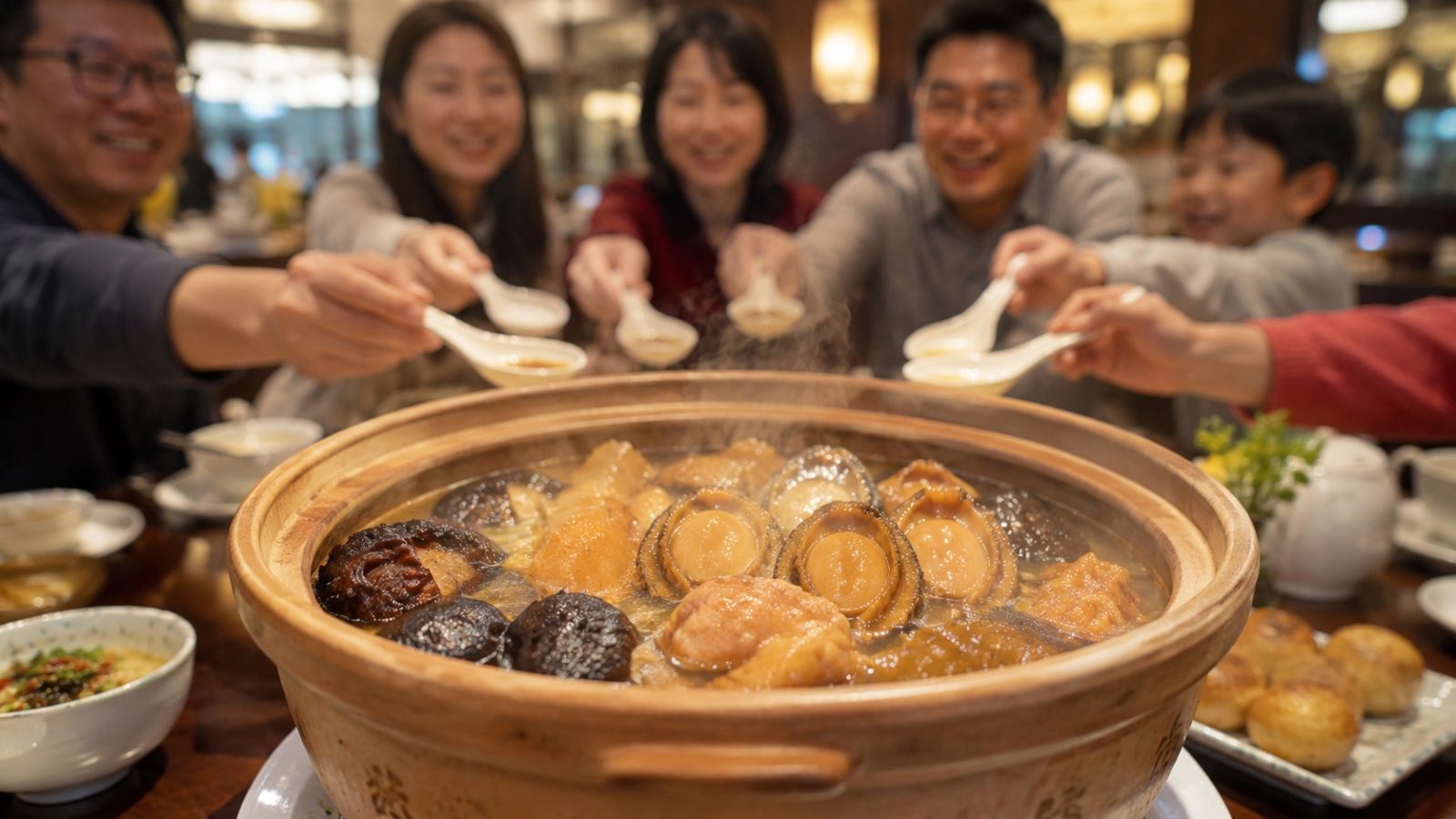
But walk into a mid-range family restaurant in Fuzhou today, and the scene is different. You can order a modest-sized pot of Fo Tiao Qiang for a fraction of its former price. It’s no longer just for weddings or state dinners. It’s becoming a regular feature on family reunion tables, birthday parties, and even casual weekend lunches.
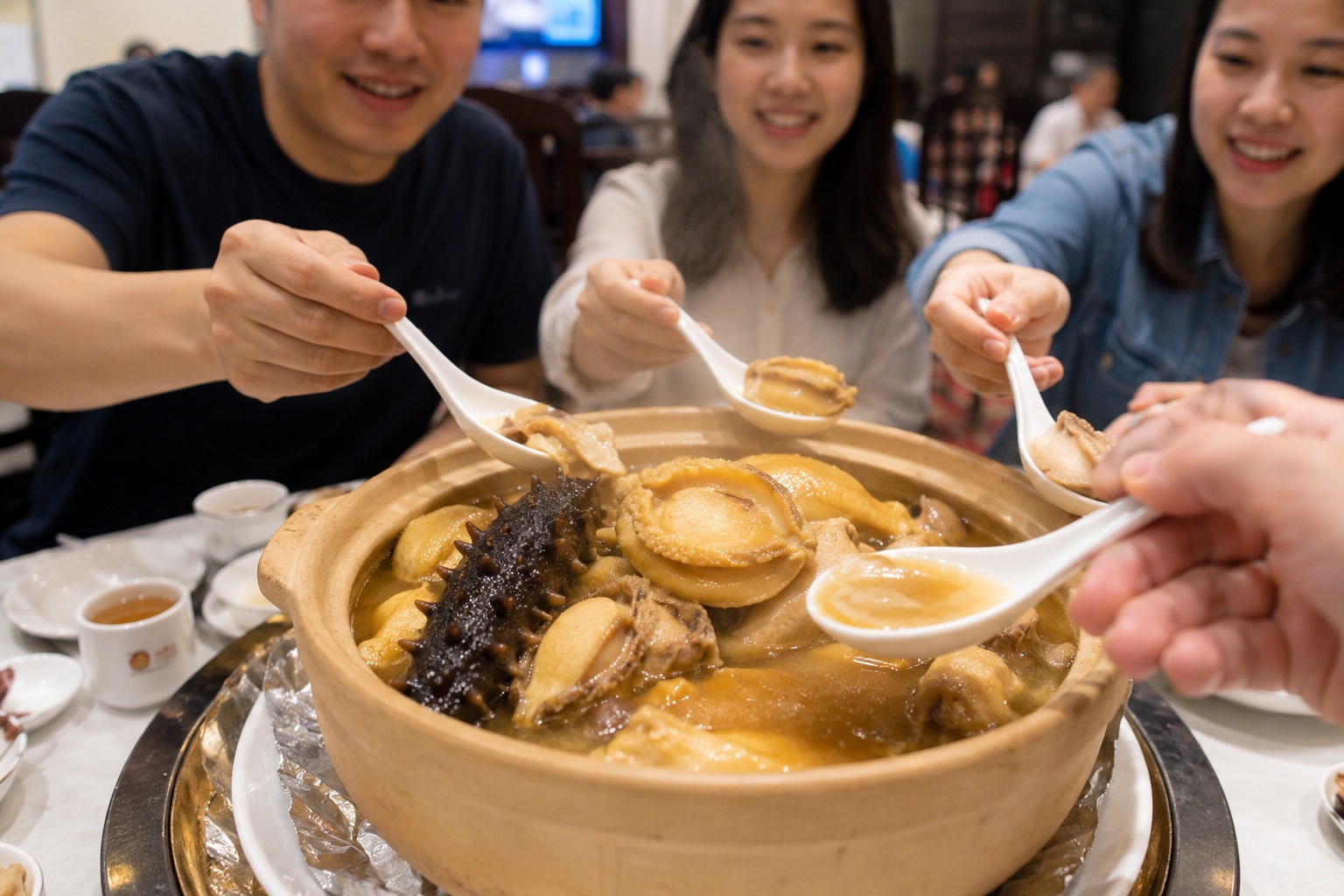
” alt=”A steaming clay pot of Fo Tiao Qiang being served in a modern Chinese restaurant, with diners smiling and reaching for spoons.” />
This isn’t just a culinary trend; it’s a social shift. The “democratization” of Fo Tiao Qiang reflects a broader change in how ordinary Chinese people access luxury. It’s no longer about showing off wealth; it’s about enjoying life.
The Economics of Accessibility
How did a dish that once cost as much as a week’s wages become affordable for the middle class? The answer lies not in cheaper ingredients, but in industrial innovation.
Historically, the high cost of Fo Tiao Qiang came from two sources: the scarcity of premium seafood and the immense labor required to prepare it. Traditional recipes demanded skilled chefs spending 24 to 48 hours simmering ingredients in clay pots, layering flavors slowly.
Today, supply chain technology has changed the game. Advances in freezing and preservation allow high-quality abalone, sea cucumber, and other key ingredients to be harvested, processed, and distributed nationally at a much lower cost. What was once a local Fujianese luxury is now a standardized product available across China.
Moreover, the rise of “central kitchens” has revolutionized restaurant economics. Many eateries no longer prepare Fo Tiao Qiang from scratch in-house. Instead, they source pre-made, high-quality bases from specialized manufacturers. These central kitchens use precise temperature controls and standardized recipes to ensure consistency.
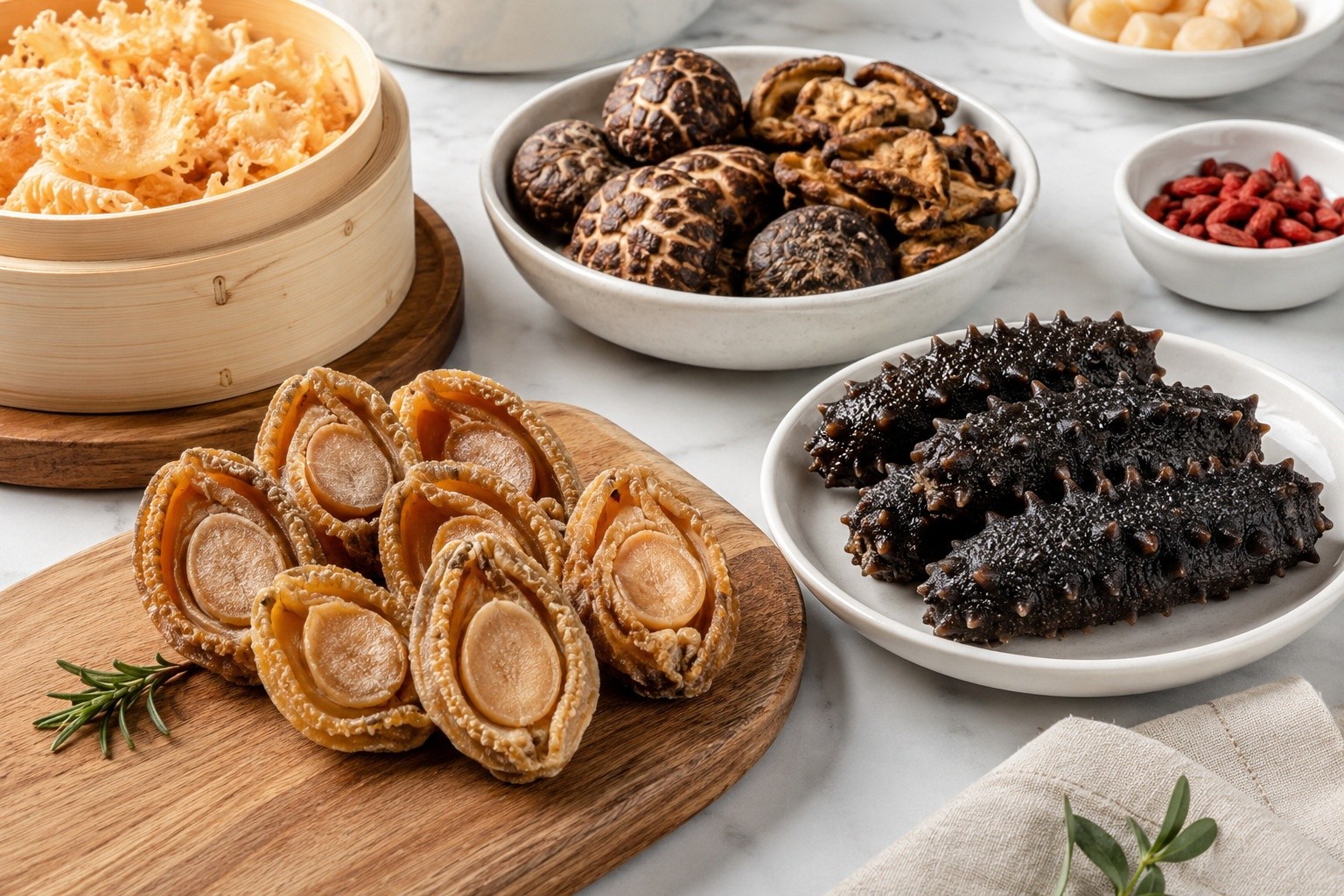
” alt=”Close-up of fresh abalone and sea cucumber ingredients arranged on a kitchen counter, highlighting the quality of modern food supply.” />
This model allows small restaurant owners to offer authentic, complex flavors without the massive overhead of traditional banquet halls. A young couple running a neighborhood bistro can now serve a dish that was previously reserved for five-star hotels. For the consumer, it means access to high-quality cuisine at a predictable, moderate price.
A Window into Modern Chinese Consumption
The shift towards affordable Fo Tiao Qiang is more than just an economic story; it’s a reflection of changing values among China’s younger generations.
In the past, dining out was often about mianzi (face). Ordering expensive dishes was a way to demonstrate status and respect for guests. But today, many young Chinese professionals are redefining luxury. They are less interested in ostentatious displays of wealth and more focused on “small comforts”—moments of genuine enjoyment that fit into their busy lives.
This is part of a broader trend known as ting hao, or “enjoying the good life.” It’s not about buying a luxury handbag; it’s about treating yourself to a high-quality meal after a long week. Fo Tiao Qiang, with its rich umami flavors and comforting warmth, fits this desire perfectly.
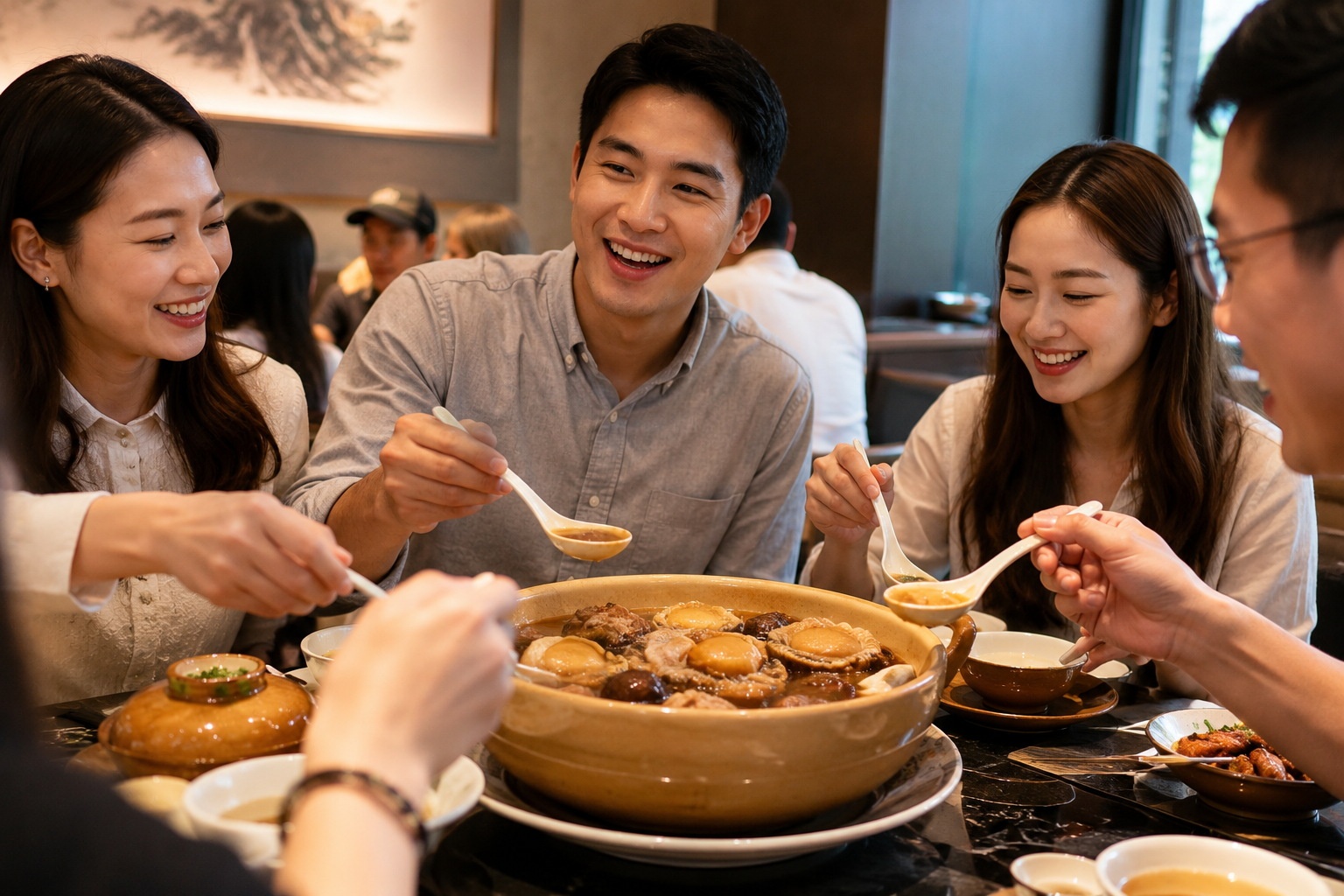
” alt=”A young Chinese professional sharing a pot of Fo Tiao Qiang with friends at a casual restaurant table, laughing and chatting.” />
For the modern middle class, this dish represents a bridge between tradition and modernity. It allows them to connect with their cultural heritage without the financial burden or social pressure of the past. It’s no longer about proving you can afford it; it’s about appreciating the craft and savoring the taste.
Real Stories: Who is Eating This Now?
To understand this shift, it helps to look at who is actually eating Fo Tiao Qiang today.
Take Lin, a 28-year-old software engineer in Fuzhou. Last month, after receiving his first major promotion, he organized a family dinner. Instead of renting an expensive private room in a luxury hotel, he booked a table at a familiar local restaurant. He ordered a pot of Fo Tiao Qiang not to impress clients, but to reward his parents for their support. “It’s about sharing a moment,” Lin says. “The dish is special, but it’s the gathering that matters.”
Then there is Grandmother Chen, 72, who lives in an older residential compound. For years, she only ate Fo Tiao Qiang at weddings. But now, during the Spring Festival, she can order a smaller pot for her family without waiting months for a reservation. “It tastes just as good as it did when I was young,” she says with a smile. “But now, we don’t have to wait for a special occasion to enjoy it.”
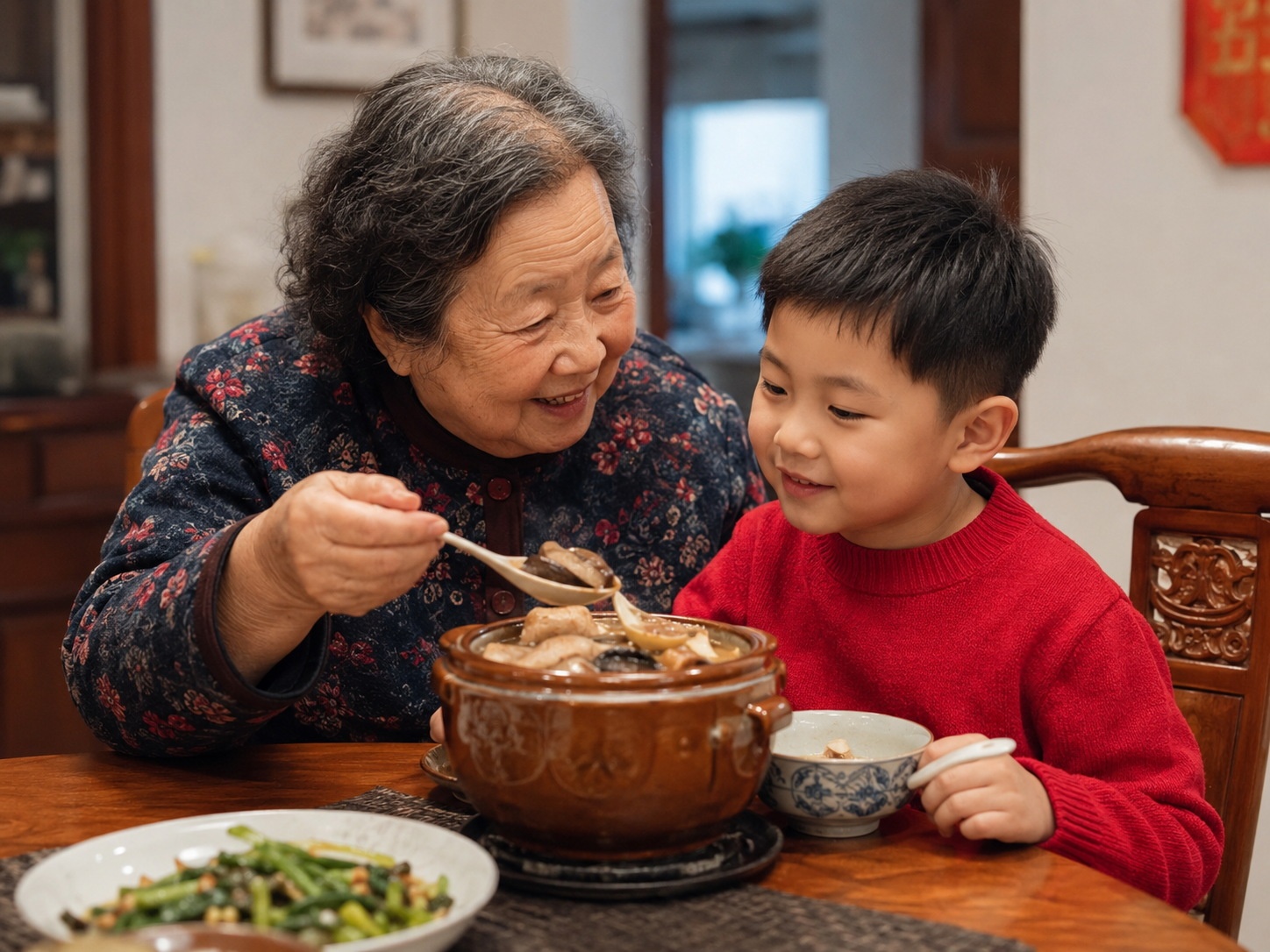
” alt=”An elderly Chinese woman and her grandson eating from a shared clay pot of Fo Tiao Qiang in a cozy home setting.” />
These stories highlight the sensory and social experience of the dish. The broth is rich and layered, the textures are soft and melting, and the aroma fills the room. But more importantly, it creates a space for connection. In a fast-paced society, taking the time to share a slow-cooked meal is a rare luxury in itself.
Food as a Mirror of Social Change
The transformation of Fo Tiao Qiang from an exclusive banquet item to an everyday delicacy is a microcosm of China’s recent economic and social evolution.
It shows how supply chain innovation has lowered barriers to entry for high-quality goods. It demonstrates how the rise of the middle class has created demand for experiences that were previously out of reach. And it reveals a cultural shift from collective status-seeking to individual well-being.
For those outside China, this might seem like a small detail in a vast culinary landscape. But for ordinary Chinese people, it’s significant. It means that authentic culture—complex, time-consuming, and labor-intensive—is no longer locked away in museums or exclusive clubs. It’s on the table, shared among friends and family, affordable and accessible.
Understanding today’s China doesn’t require studying political slogans or economic reports. Sometimes, it’s as simple as watching a family gather around a steaming pot of Fo Tiao Qiang, enjoying a taste of history that has finally become part of daily life.