


A New Jianghu Born in Bits
In 2003, a college student in Guangzhou typed the opening line of a wuxia story on a dial-up bulletin board system: “The sword points not at the enemy, but at the heart of the world.” That student, known by the pen name “Cangyue,” could not have imagined that two decades later, her serialized novel would be read by over 100 million people, adapted into a Netflix-style Chinese streaming series, and spawn a universe of merchandise. That was the humble beginning of what we now call wuxia web novels—a genre that has grown from niche enthusiast forums into a multibillion-dollar industry reshaping global storytelling.
The Numbers Behind the Sword: Industry Scale
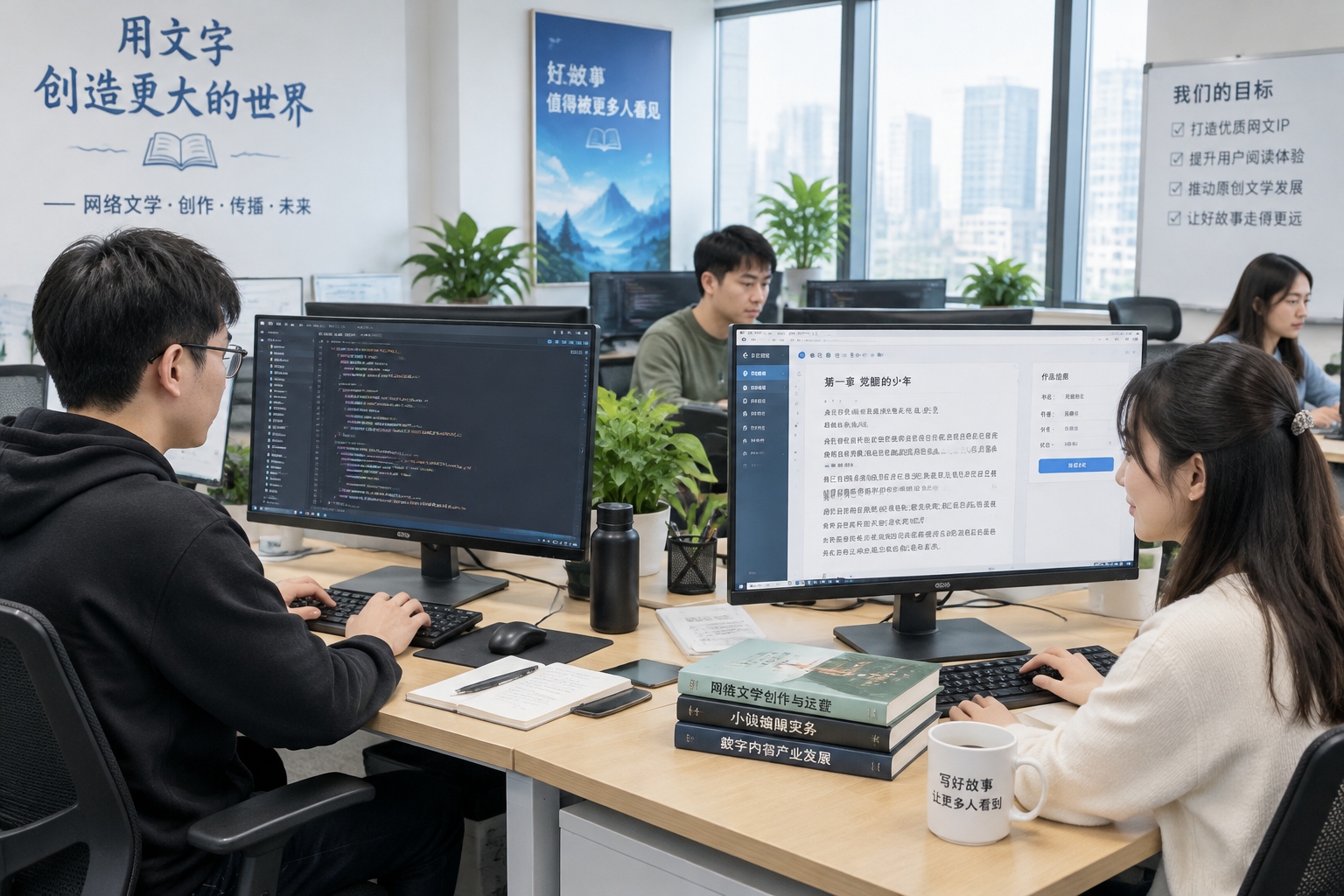
By 2023, China’s online literature market had exceeded 40 billion yuan (about $5.5 billion), with wuxia and xianxia (fantasy martial arts) subgenres accounting for nearly 30% of all revenue. The leading platform, Qidian (now part of Yuewen Group), hosts over 10 million works and 200 million monthly active users. The most prolific wuxia writers earn over 10 million yuan annually—comparable to top-tier traditional authors in the West. A 2022 report showed that the average reader spends 2.5 hours per day on web novel apps, with peak traffic at 10 PM, when millions of white-collar workers unwind with chapters of wuxia stories.
What drives this growth? The business model is simple yet powerful: readers pay per chapter (usually 0.1 yuan), creating a direct incentive for writers to produce gripping, cliffhanger-filled narratives. Top writers like “Fengling Tianxia” have penned over 20 million words across multiple series, maintaining daily updates for years. This serialized format, combined with instant feedback loops through comments and fan communities, has turned reading into a participatory ritual.

From Screen to Page: The Writers’ Journey
Meet Li Wei, a 34-year-old former accountant from Chengdu who quit his job in 2018 to write full-time under the pen name “Jianxin.” Today, his wuxia series “Sword of the Southern Sea” has 3 million readers, generates $150,000 annually, and is being adapted into an animated series. “I write 6,000 words every day, rain or shine,” he says from his modest home office, surrounded by martial arts figurines. “The readers keep me honest. If I miss a day, 200 comments flood in asking where the next chapter is.”
Li’s story is not exceptional. Yuewen Group’s platform data shows that there are over 8 million registered writers, with 1.5 million actively publishing in 2023. The average successful author makes around 50,000 yuan annually, but the top 1% earn over 1 million yuan. The key to success? Consistency. Writers are encouraged to update at least once daily, and platforms reward loyal authors with higher revenue shares and promotional slots.
The democratization of publishing is evident: anyone with an internet connection can become a wuxia storyteller. The result is an explosion of creativity—from traditional jianghu tales set in ancient China to crossover stories mixing wuxia with cyberpunk, romance, or even interstellar travel.

Global Reach: Crossing Borders and Languages
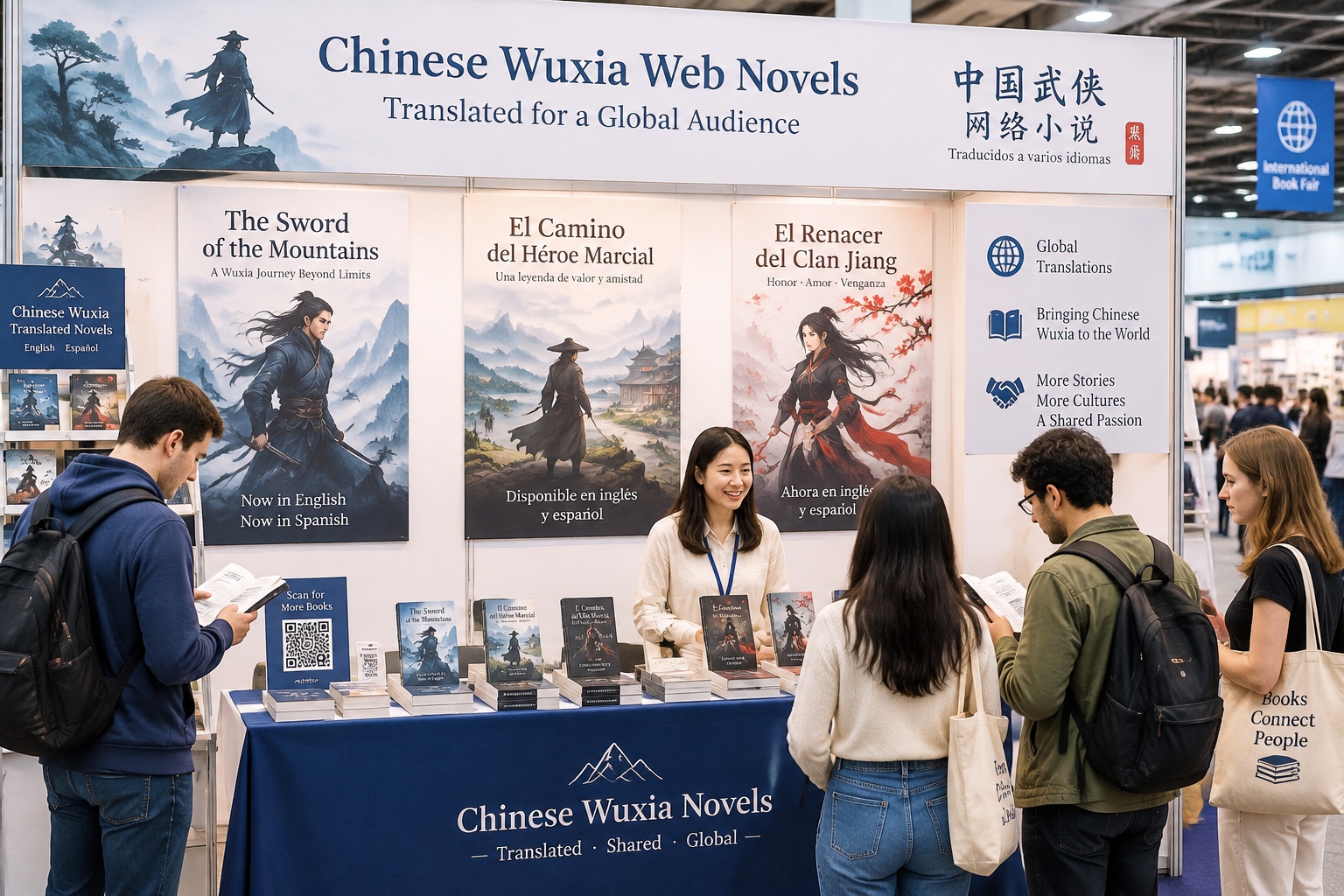
The wuxia web novel phenomenon is no longer confined to China. Platforms like Wuxiaworld and Webnovel have translated thousands of titles into English, Spanish, Russian, and other languages. In 2023, web novels contributed over $1 billion in overseas revenue, with the United States being the largest market outside China. A Pew Research-style survey of 5,000 international readers found that 45% discovered Chinese web novels through social media, and 30% said they now read wuxia more than Western fantasy.
Why are international audiences hooked? Many cite the “underdog to powerhouse” trope common in wuxia, which resonates with readers seeking stories of perseverance and empowerment. Others appreciate the intricate world-building and moral complexity—a far cry from simplistic good-vs-evil tales. The translation industry has grown alongside: thousands of volunteer and professional translators now work in real-time to bring new chapters to global audiences within hours of their Chinese release.
The Future: AI, VR, and the Eternal Jianghu
Looking ahead, technology is set to deepen readers’ immersion. AI writing assistants already help authors outline plots and generate side-character dialogue, while VR experiments allow fans to “enter” their favorite wuxia worlds. Yuewen Group is reportedly developing an AI-powered platform that can generate personalized story branches based on reader preferences—a choose-your-own-adventure for the mass market.
Yet the core of wuxia web novels remains human: the craving for adventure, justice, and the timeless code of the jianghu. As one veteran author put it, “The sword is digital now, but the spirit is still ancient.”
For overseas readers, the takeaway is clear: Chinese wuxia web novels are not a passing fad but a sustained cultural force, powered by millions of creators and readers who have turned a traditional genre into a 21st-century storytelling revolution.
Start the discussion at forum.chinacomes.com