

The Lunch Rush and the Single-Dish Trap
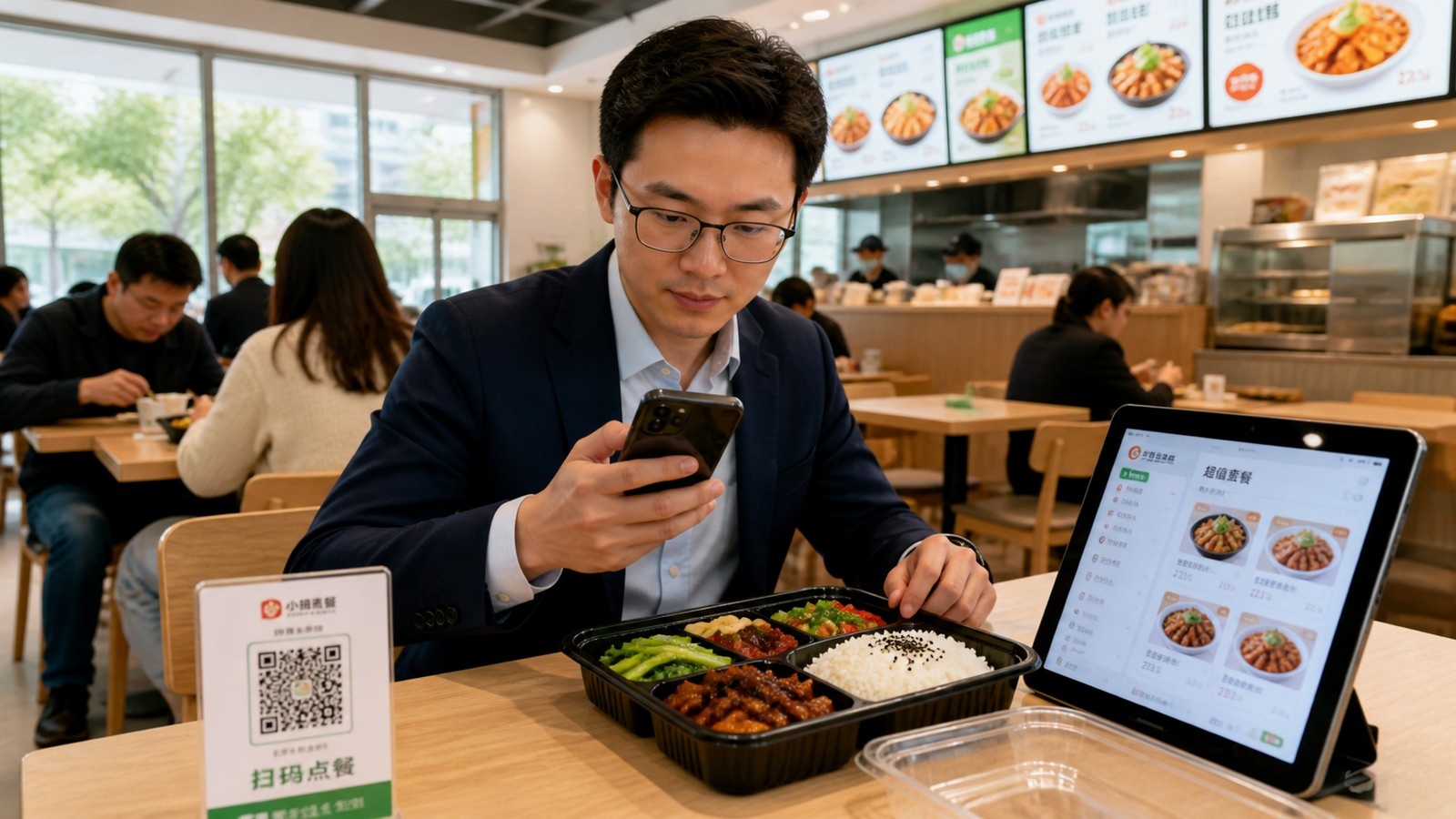
It is 12:30 PM on a Tuesday in Shanghai. The air conditioning hums, but the room is hot with the body heat of three hundred office workers seeking lunch. In front of me sits a menu from “Lao Xiang Ji,” one of China’s most ubiquitous fast-food chains known for its chicken soup and clean aesthetics.
I point at a single plate of stir-fried pork with chili peppers, labeled La Rou Si Chao Qie Zi. The price tag reads 32 RMB (about $4.50). It looks decent. But next to it, the Taocan (set meal) option offers the same dish, plus a steamed bun, a small bowl of tomato and egg soup, and a drink, all for 28 RMB.
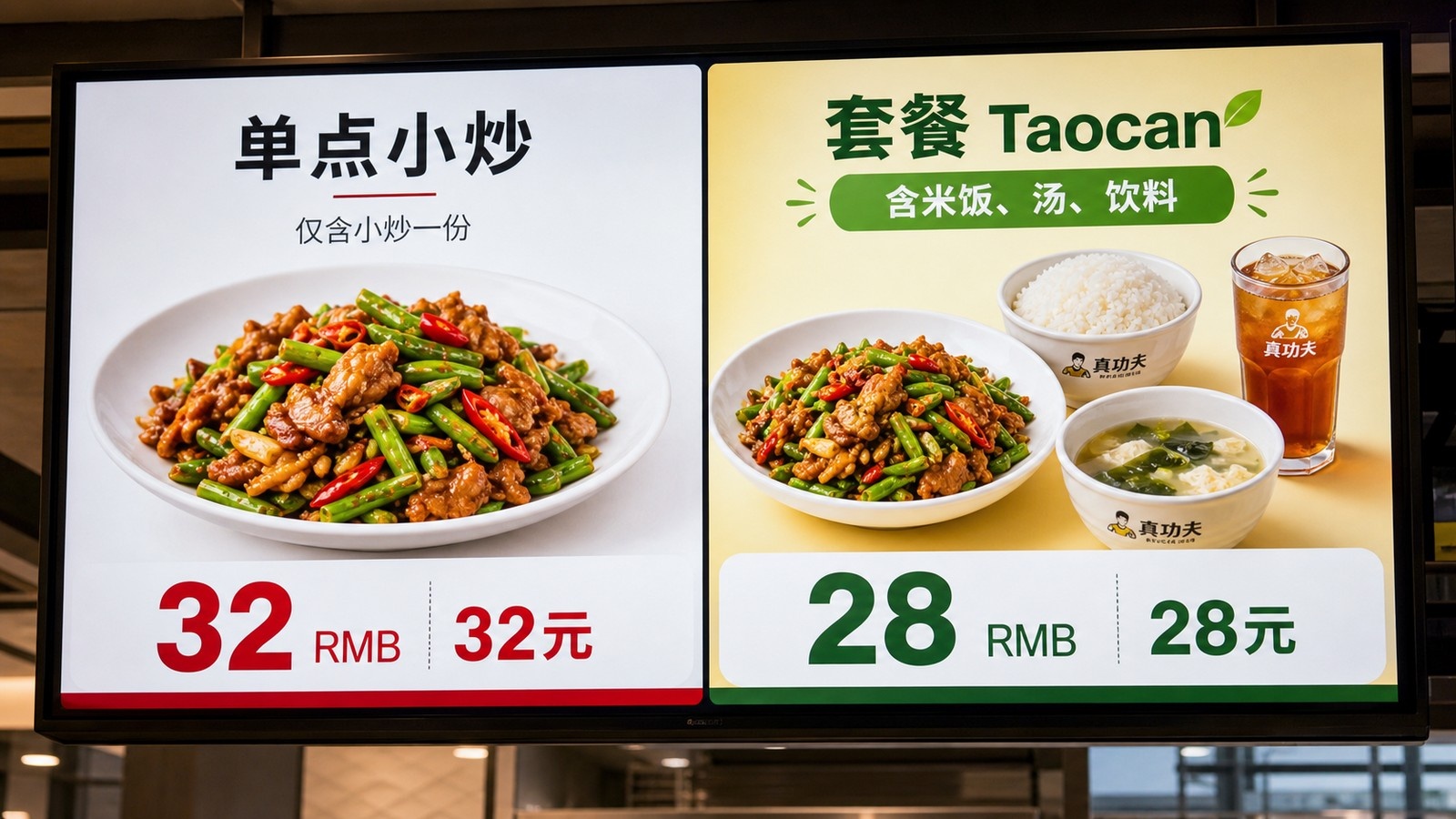
This is the first lesson in Chinese dining logic: never order single items if you want value. In many Western fast-food cultures, adding fries and a soda to a burger creates a “combo.” In China, the concept of the Taocan is far more sophisticated. It is not just about speed; it is about curated nutrition and strategic pricing designed to keep you full for less.
What Exactly Is a ‘Taocan’?
The word Taocan translates literally to “take plate” or “set meal.” But think of it as a curated culinary box. Unlike the rigid structure of a Western set menu (which might offer fixed courses like starter, main, and dessert), a Chinese Taocan is modular.
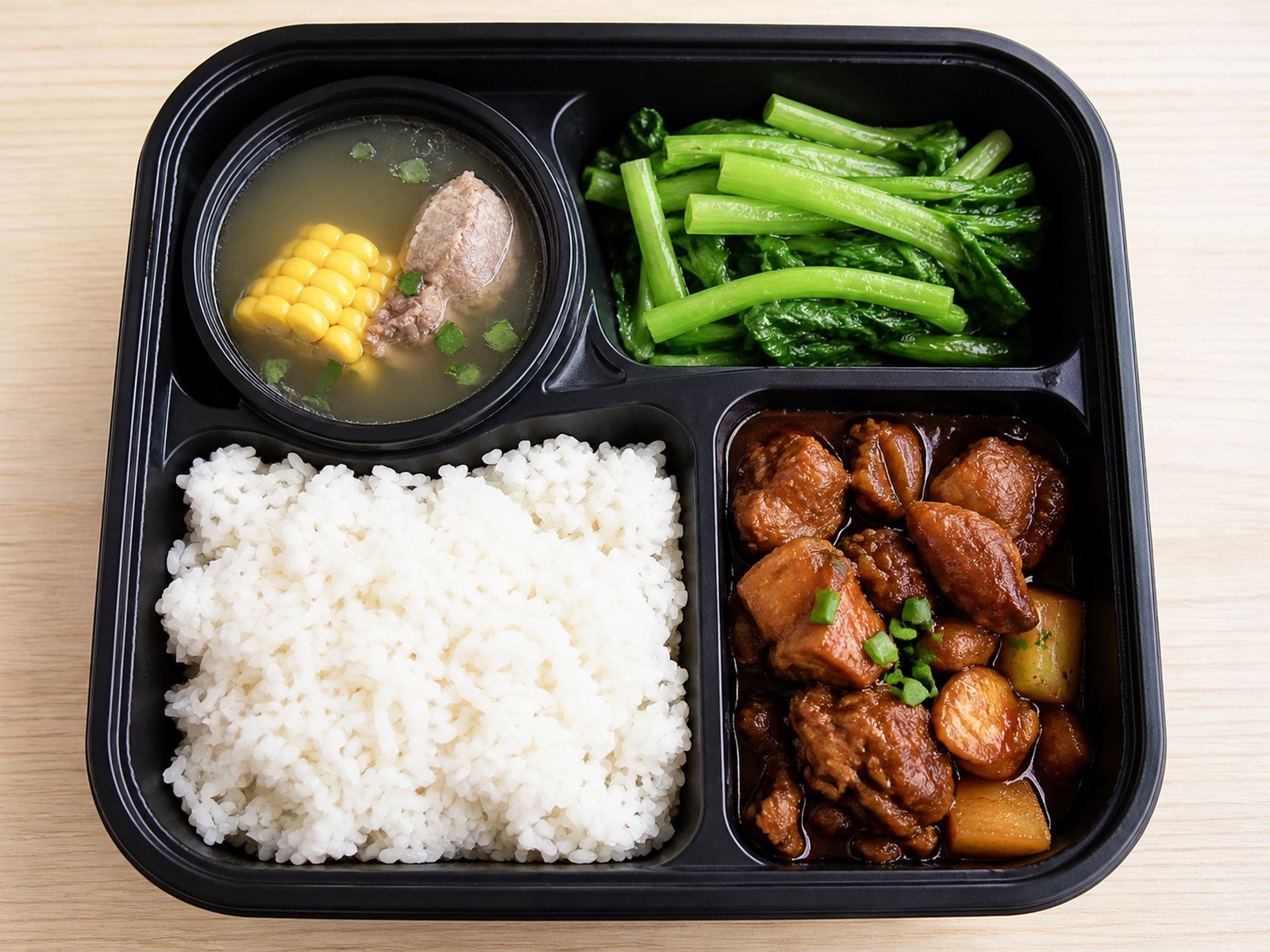
Typically, it consists of three core components:
- The Staple (Zhu Shi): Usually white rice, but increasingly, regional varieties like mantou (steamed buns), noodles, or even sweet potatoes are offered.
- The Main Dish (Cai): A protein-heavy item, such as braised beef, Kung Pao chicken, or steamed fish. These are often pre-portioned to fit perfectly in a standard bowl.
- The Accompaniment: This is where the magic happens. It usually includes a light vegetable dish (to balance grease), a small soup, and sometimes a pickled side or a drink.
This structure mirrors traditional Chinese dietary philosophy: balance between heat and coolness, heavy flavors and light hydration. For the modern office worker, it solves the daily struggle of “what should I eat?” with a single tap on their phone.
Why It Beats Single Items (The Value Proposition)
Let’s look at the economics. If you order those three items separately at most mid-range Chinese fast-food chains, you might spend 15 RMB for rice, 28 RMB for the main dish, and 10 RMB for soup—a total of 53 RMB.
By selecting a Taocan, you pay roughly half that price. Why? Because these restaurants operate on high turnover rates. They rely on volume, not high margins per item. The kitchen has standardized recipes; the soup is large-batch cooked; the vegetables are sourced in bulk. Passing these efficiencies to the customer ensures they come back tomorrow.
Beyond price, there is the issue of nutritional balance. A single order of spicy beef might be delicious but greasy and lacking fiber. The Taocan forces a balance. You get your protein, your carbohydrates, and crucially, your vegetables and hydration in one go. It is healthy eating made convenient.
Hidden Menus and Customization
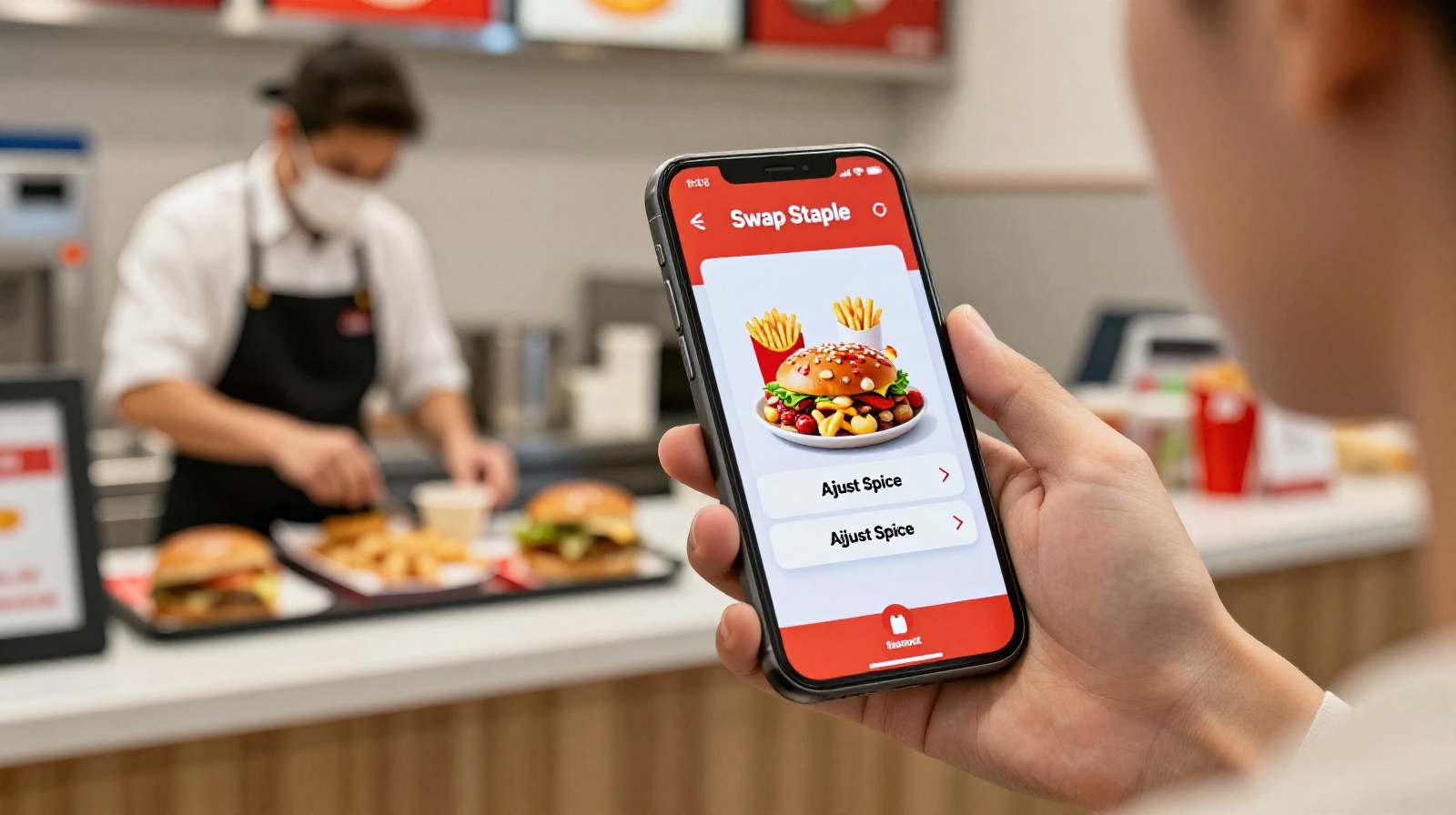
The beauty of the modern Chinese Taocan lies in its digital interface. Almost all chains now use QR code ordering on tables or mobile apps. This technology allows for micro-customization, which was impossible in the era of printed menus.
- Swap the Staple: Want less carbs? Swap rice for whole grain or ask for half a portion.
- Adjust Spice Levels: Many apps allow you to select “no spice,” “mild,” or “extra hot” with one click. This is crucial in Sichuan, where “mild” can still be fiery to outsiders.
- Add-ons: Need more protein? You can often add a boiled egg, extra tofu, or even a side of braised pork for just 2-3 RMB.
I recently watched a young woman in Beijing order a beef brisket Taocan. She swapped the tomato soup for a bitter melon soup (to “clear heat” according to TCM principles) and added extra cilantro. The system updated her bill instantly. It felt like having a personal chef who listened.
The Culture of Speed and Efficiency
Eating a Taocan is also about respecting the flow of time. In China’s tier-1 cities, lunch breaks are often strictly 30 to 45 minutes. The Taocan ecosystem is built for this.
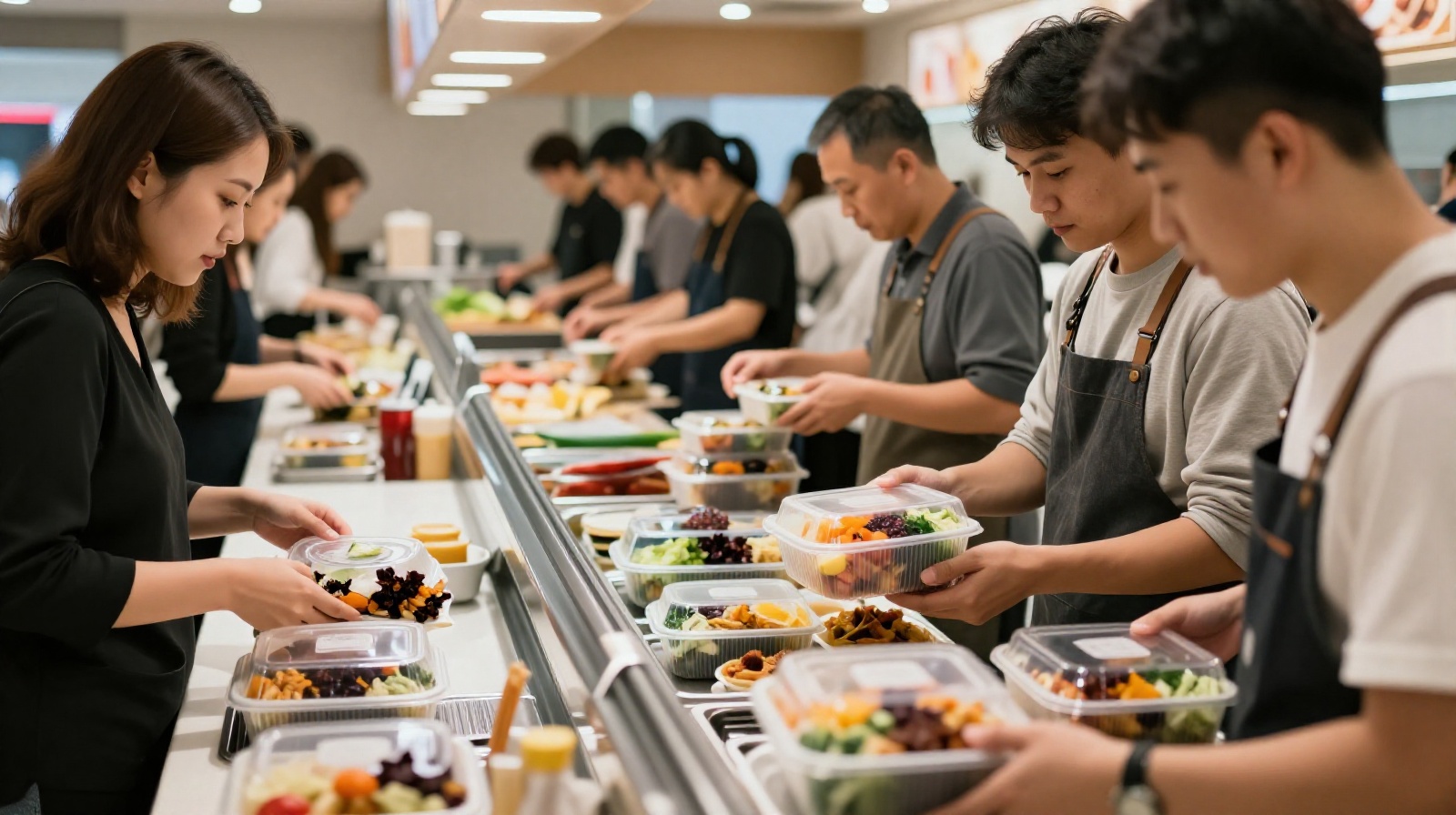
The process is streamlined:
- Scan and Order: You order via phone while sitting or standing in line.
- Pick Up: Your number flashes on a screen. A staff member hands you a tray with the food already plated or packed in eco-friendly compartments.
- Eat Quickly: The tables are small, designed for efficiency, not lingering. There is no waiting for a waiter to take your order or bring the check.
This efficiency extends to packaging. Many Taocans come in sturdy, microwave-safe plastic containers with separate compartments for rice, meat, and sauce. If you work in an office without a kitchen, you can buy three meals in one go, take them home, and reheat them later. It is the ultimate meal prep hack.
Navigating Regional Differences
While the concept is national, the flavors change dramatically as you travel south.
- In the North (Beijing/Shenyang): Taocans feature heavier grains like wheat noodles or mantou. The dishes are savory and salty, often featuring cabbage, potatoes, and beef.
- In the South (Guangzhou/Shenzhen): You will find more steamed dishes, lighter soups, and smaller portions of rice. “Chicken Rice” Taocans are extremely popular here, focusing on the quality of the chicken and the aromatic rice oil.
No matter where you are, the rule remains: look for the Taocan tag. It is the local’s secret to eating well, staying healthy, and keeping your wallet happy in one of the world’s most dynamic food markets.