

A Tower of Steel in the Sky
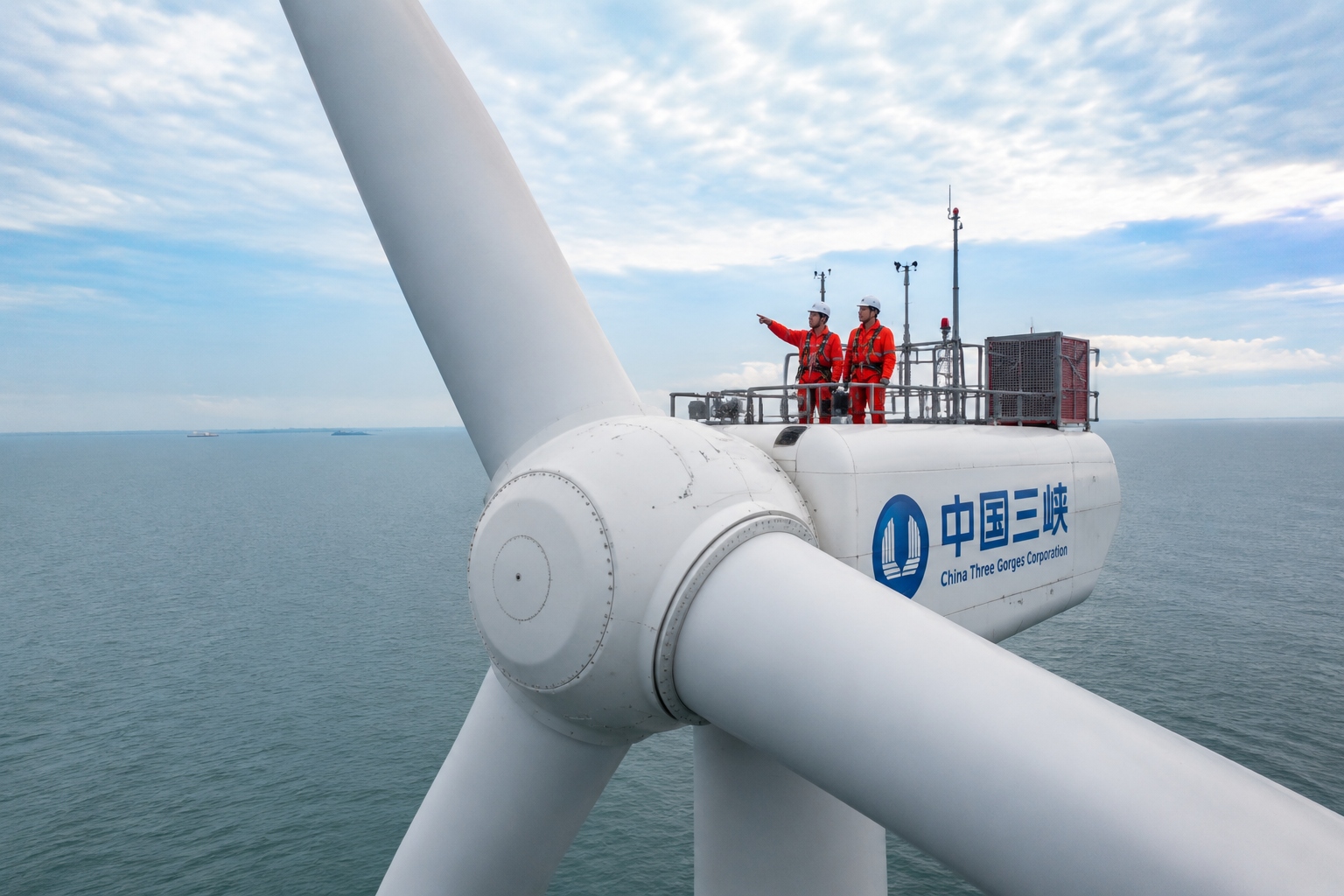
Stand on a beach in Shanghai or Qingdao and look out at the horizon. Twenty years ago, you might have seen fishing boats bobbing in the waves. Today, towering white structures appear like silent sentinels against the sky. Some of these are Haliade-X turbines, standing nearly 260 meters tall—taller than the Eiffel Tower, which stands at 330 meters including its spire but with a main structure of about 300 meters if measured to the top platform, though often compared to a height that dwarfs many skyscrapers. Wait, let’s be precise: The Eiffel Tower is roughly 330 meters tall. A modern Haliade-X turbine reaches about 260-270 meters to the tip of its blade, making it comparable in height to some of the world’s tallest buildings and significantly taller than many older structures people know.
For visitors from overseas who grew up thinking of wind energy as small, noisy machines on rolling hills, this scale is a shock. But for Chinese workers like Li Wei, an engineer at a coastal manufacturing hub near Nantong, it’s just another Tuesday. “We used to build turbines that felt heavy and clunky,” he says over the phone from his office overlooking the assembly yard. “Now we lift blades that are as long as two football fields end-to-end. It feels like magic, but it’s just advanced engineering.”
Why Go Bigger? The Physics of Efficiency
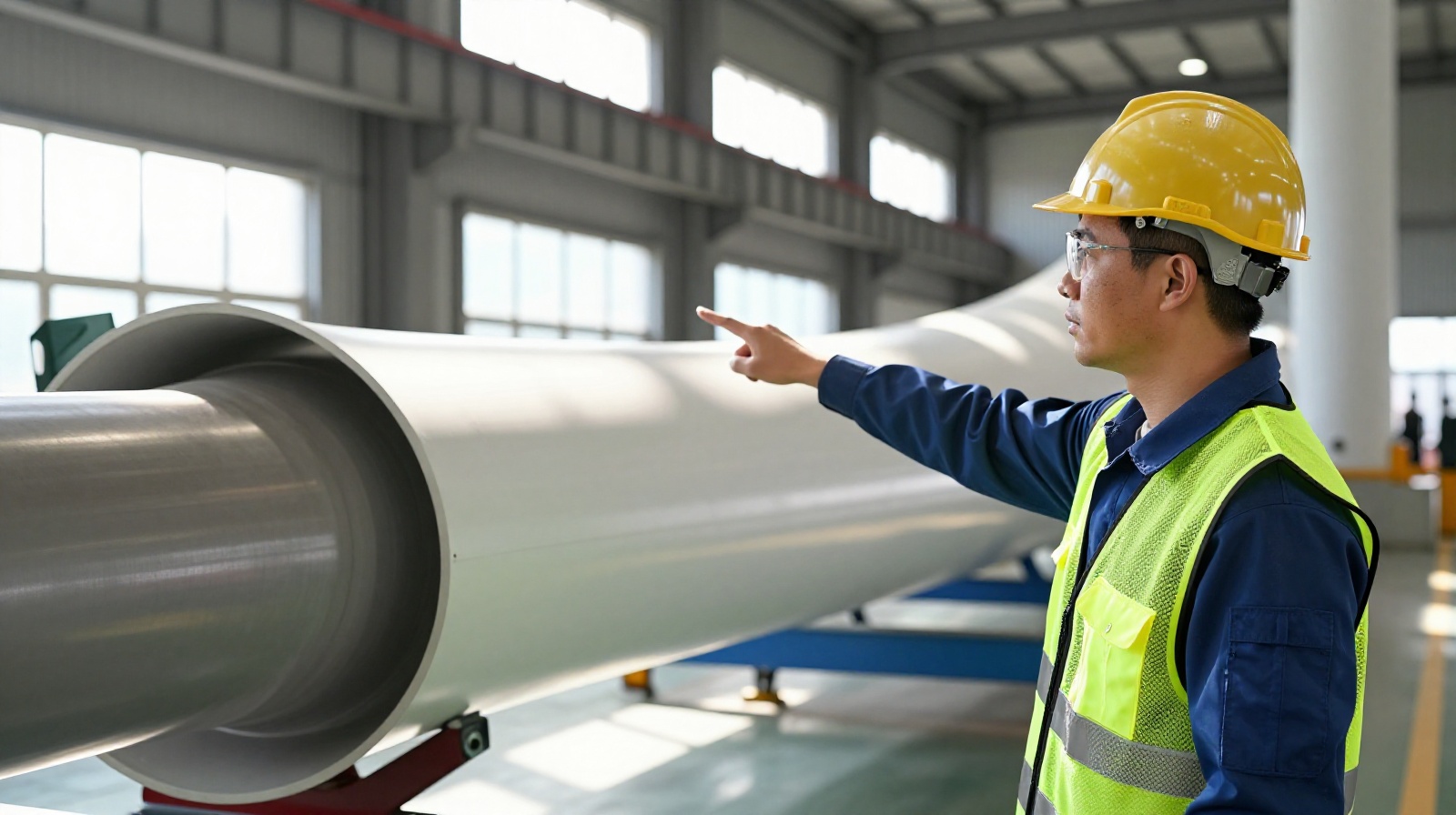
The drive for size isn’t about showing off. In wind energy, bigger is almost always better. A turbine captures more energy the higher its blades reach because winds are stronger and steadier further from the ground and sea surface turbulence.
Consider the math simply: Doubling the length of a blade doesn’t just double the power; it quadruples the swept area—the circle the blades carve through the air. This means a single giant turbine can generate as much electricity as dozens of smaller ones. In China, where offshore wind farms are expanding rapidly in the Yangtze River Delta and along the southern coast, this efficiency is crucial for meeting national carbon goals.
The Levelized Cost of Energy (LCOE) has dropped significantly with these giants. While early wind farms required heavy subsidies to be viable, modern projects often compete directly with coal or gas without extra help. Factories in Jiangsu province now produce components at a scale that lowers the cost per unit, making Chinese offshore wind some of the most competitive in the world.
Engineering Marvels: How Do They Stay Upright?
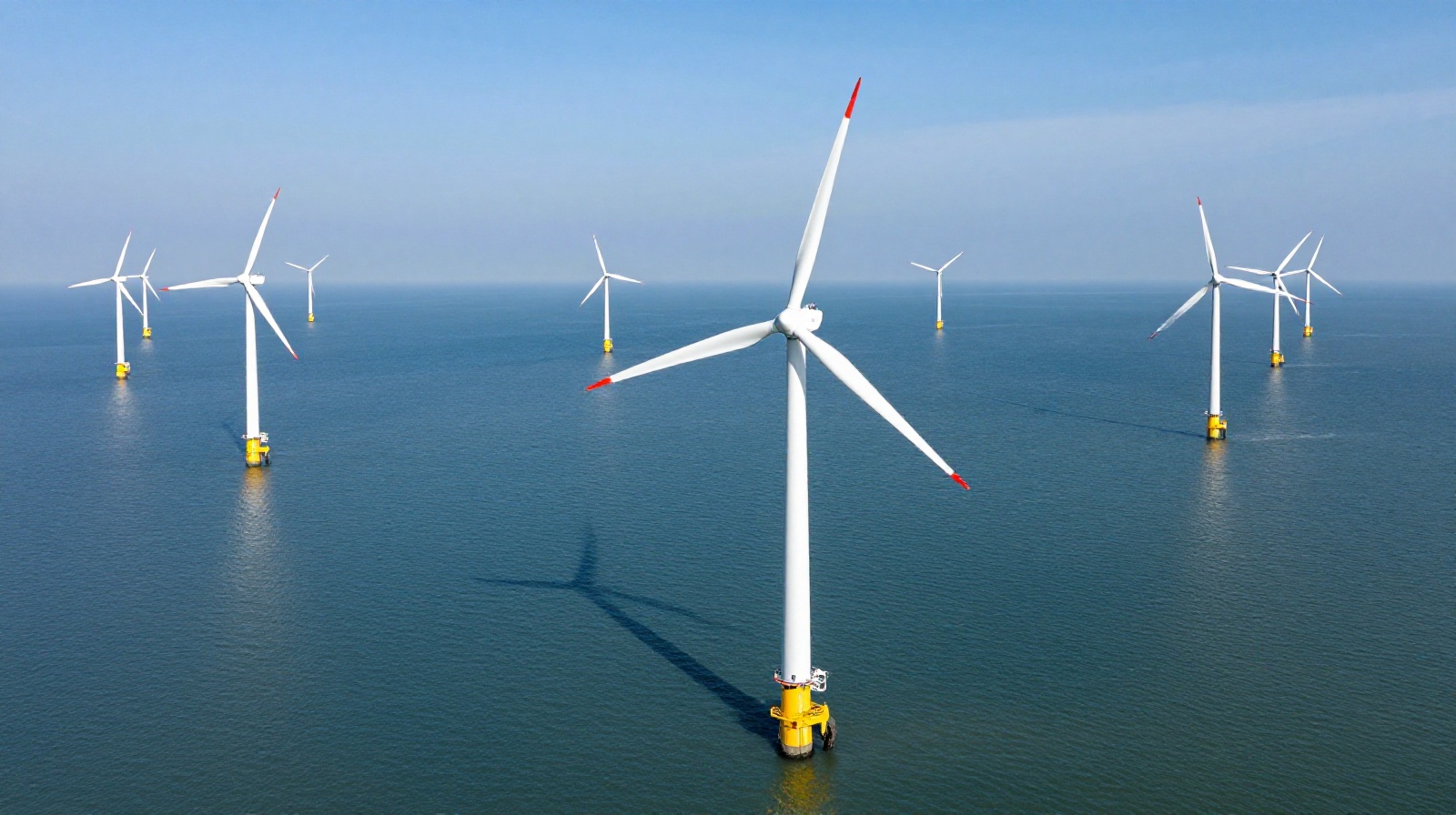
Making something this tall is an engineering nightmare. The blades must be lightweight yet incredibly strong to withstand storms and salt spray. Manufacturers like Goldwind have turned to carbon fiber composites, materials that are lighter than steel but stronger.
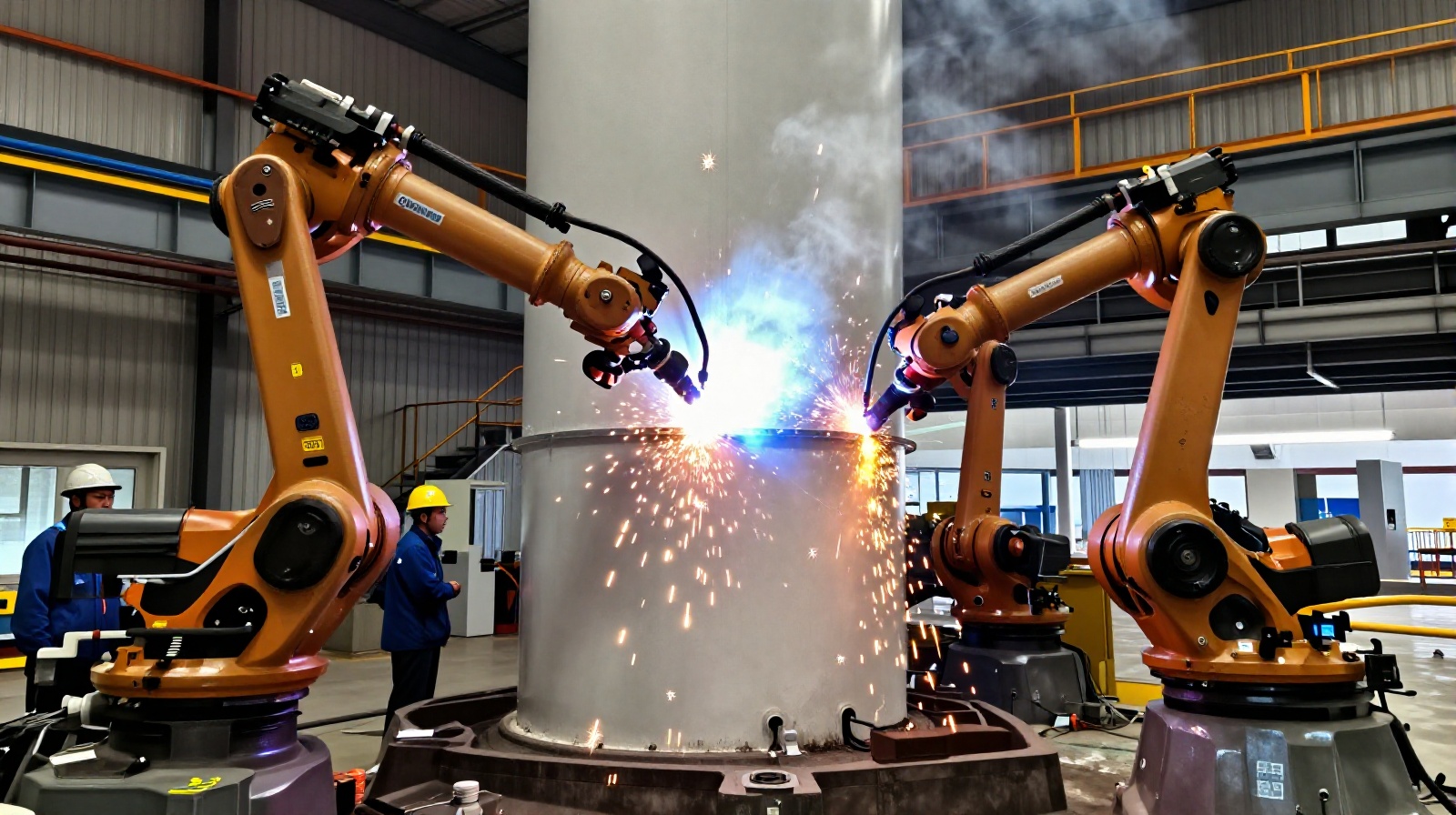
Then there’s the tower. Traditional steel towers are heavy and difficult to transport. New designs use modular sections that can be bolted together on-site or even floated out as pre-assembled units. In a shipyard in Fuzhou, you can see workers welding massive joints with robotic arms, ensuring every connection is perfect before the structure ever touches the water.
The Ocean Challenge: Installation and Maintenance
Building the turbine is only half the battle. Getting it to the right spot in deep water is another story. These giants need specialized jack-up vessels—huge ships with legs that can extend down to the seabed to stabilize the platform.
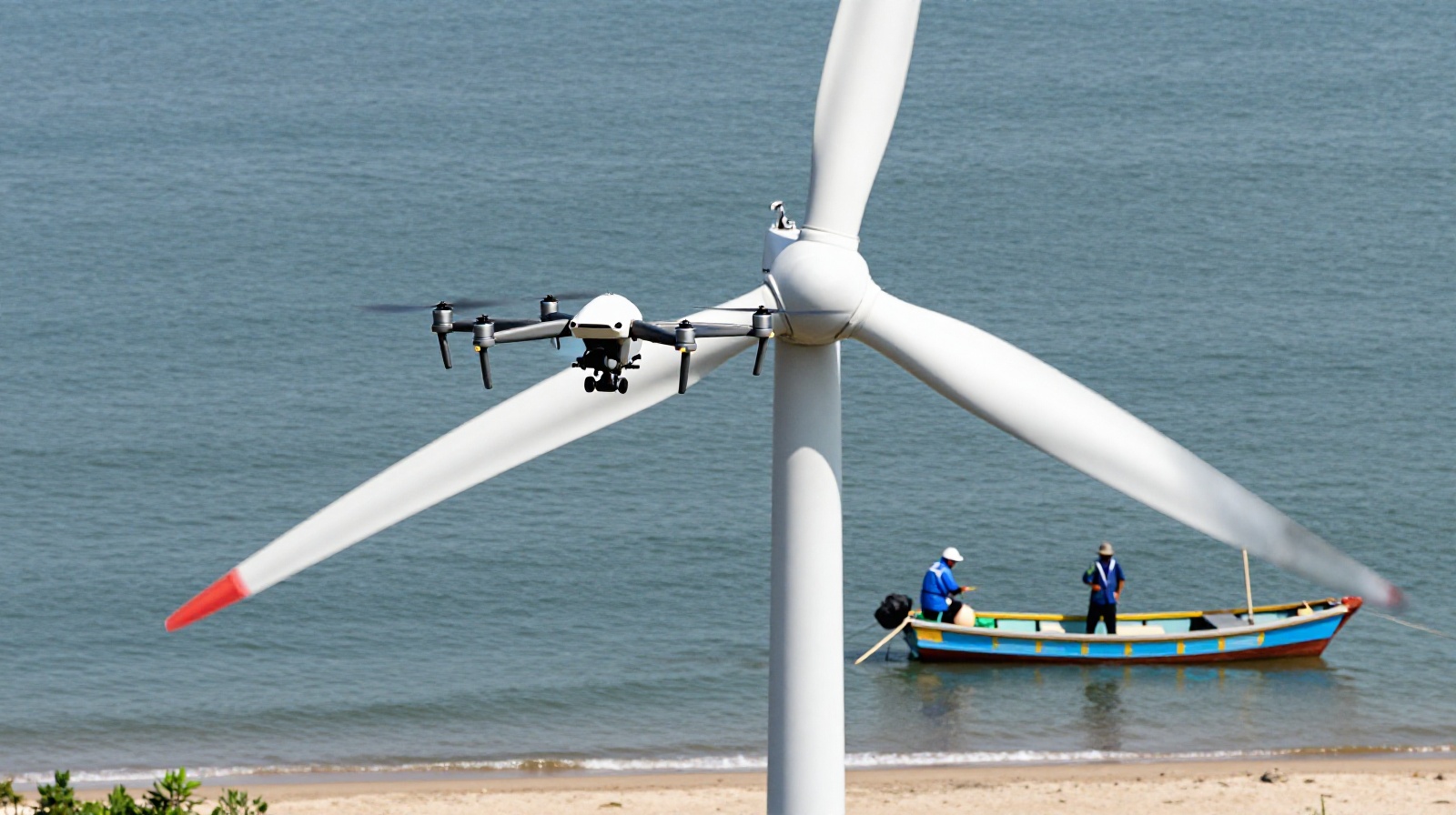
Maintenance is even harder. If a blade cracks five kilometers offshore, sending a small boat out in rough seas is dangerous and expensive. This is where technology steps in again. Drones now fly around turbines to inspect blades for micro-cracks, while robotic climbing devices can scale towers to fix issues without risking human lives.
For the local fishing communities that once dominated these waters, there are mixed feelings. Some worry about noise or interference with their routes. Others see new jobs in monitoring and maintenance crews. The government has worked to create “co-existence zones” where fishing is allowed around the bases of the turbines, a compromise that keeps both industries alive.
A Global Shift Powered by Chinese Innovation
China now leads the world in offshore wind capacity. What started as a niche experiment has become a cornerstone of the country’s energy strategy. As nations worldwide rush to meet 2030 and 2050 carbon targets, the scale of Chinese manufacturing offers a blueprint for others.
The story isn’t just about towers; it’s about people. It’s about engineers in Wuhan designing smarter control algorithms, factory workers in Ningbo assembling precision gears, and fishermen in Fujian adapting to a new rhythm of work. The giants rising from the sea are more than machines; they are symbols of a nation rewriting its energy story, one massive blade at a time.
Start the discussion at forum.chinacomes.com