

From Factory Floors to Coffee Tables
Sunday morning in Beijing’s 798 Art District doesn’t start with a hushed whisper in a dark gallery. It starts with the hiss of an espresso machine and the clatter of ceramic plates.
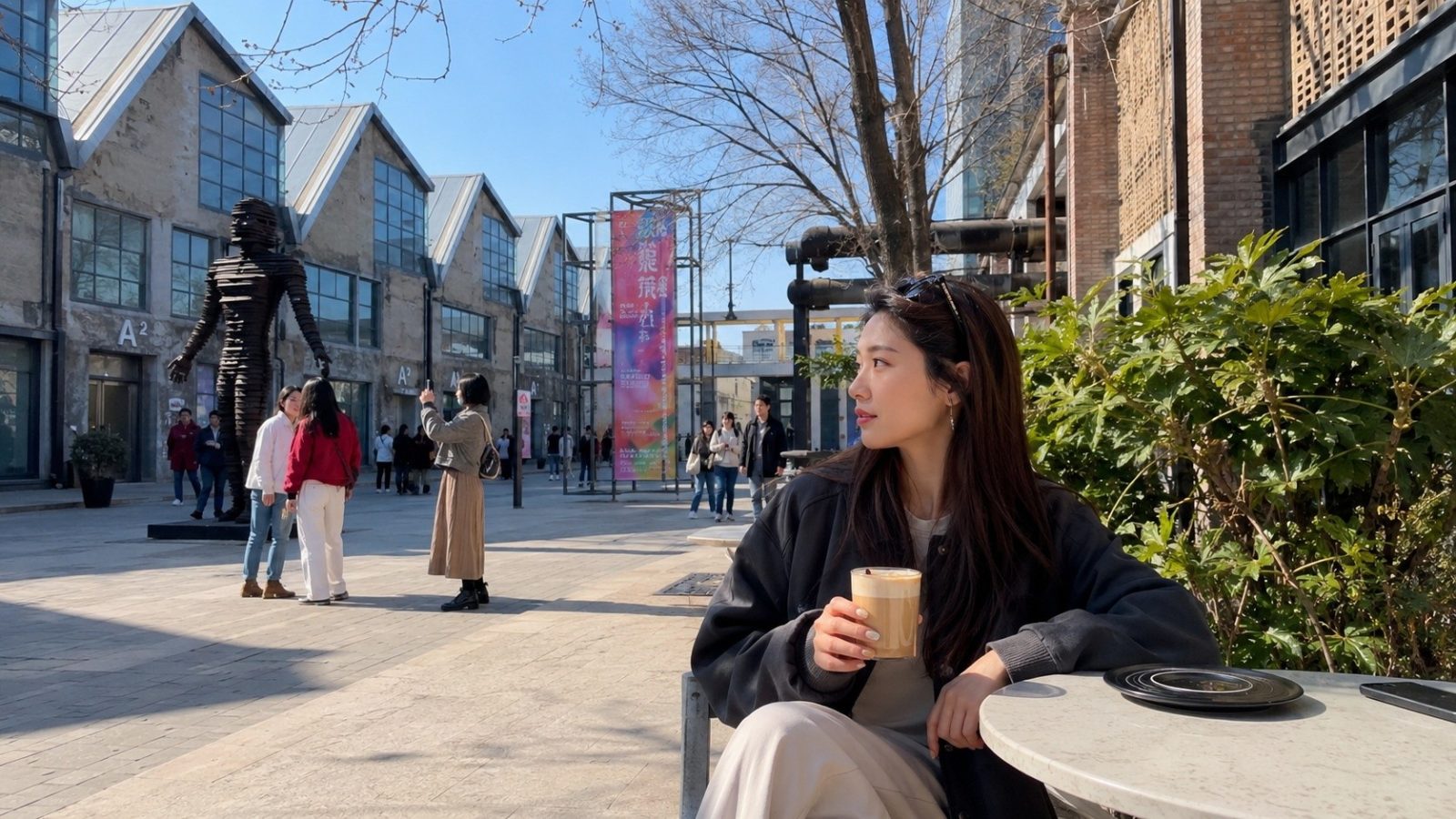
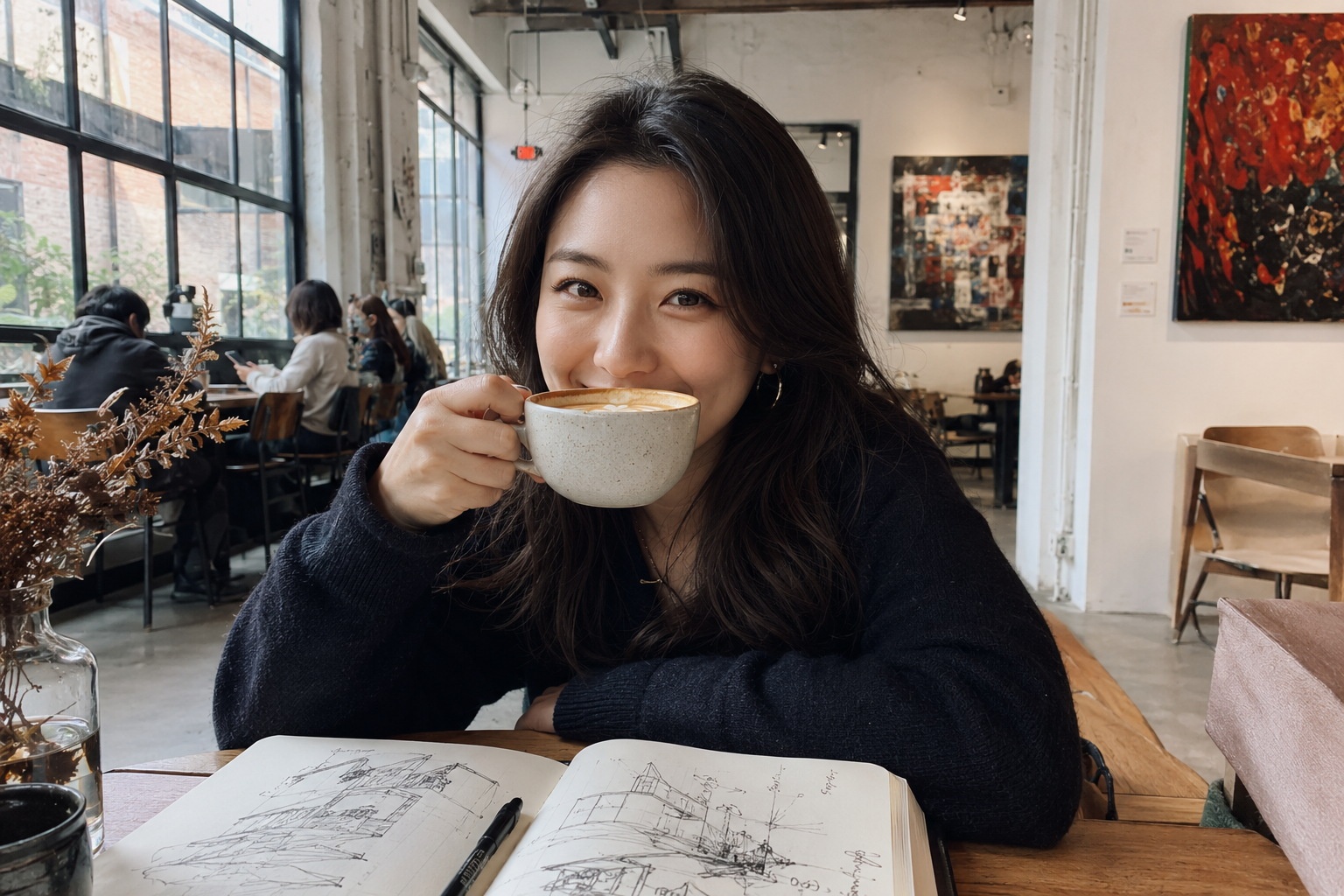
Li Wei, a 28-year-old graphic designer, pushes open the heavy steel door of a converted factory building. The air inside smells of roasted beans and turmeric lattes. Outside, the iconic zigzagging solar panels of the old De La Rue printing plant still catch the sunlight, but inside, the atmosphere is far from industrial. It’s bright, airy, and filled with young people scrolling through phones or sketching in notebooks.
“I used to feel nervous coming here,” Li admits, stirring her oat milk latte. “Years ago, I thought art galleries were for critics or wealthy collectors. You had to know the theory to be there. Now? It’s just like my backyard.”
This shift is visible across China’s major cities. What were once abandoned industrial zones—beehives of textile mills in Shanghai or printing presses in Beijing—have been repurposed into vibrant cultural hubs. But unlike Western art districts that often remain exclusive enclaves, China’s 798 (Beijing) and M50 (Shanghai) have become what locals call “backyards.” They are accessible, affordable, and deeply integrated into the weekend rhythms of urban life.
The Economics of Accessible Art
How did this happen? The answer lies in a unique blend of economic strategy and cultural democratization.
In the early 2000s, these areas were filled with high-end auction houses and international galleries targeting global elites. But as the middle class expanded, so did their appetite for culture. Galleries realized that to survive, they had to lower the barrier to entry. Today, you’ll find pop-up exhibitions featuring digital art, NFTs, and collaborations with popular brands like Uniqlo or Heytea.
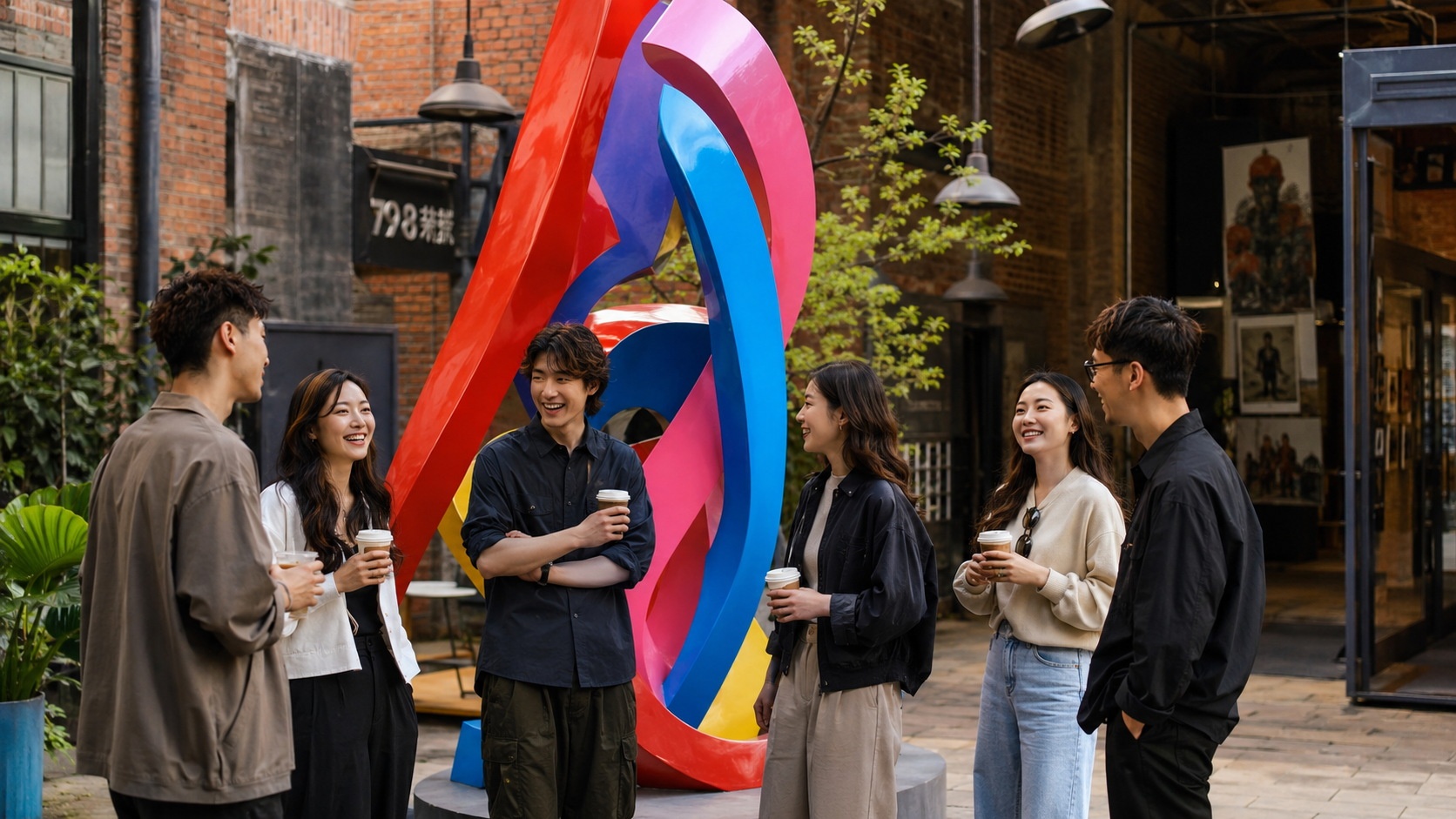
At a small café in M50, Shanghai, I watch a group of university students debate the meaning of an abstract sculpture while sipping bubble tea. There’s no pretension here. The art isn’t on a pedestal; it’s part of the scenery. For many young Chinese professionals, visiting an art district on Saturday afternoon is as routine as going to the gym or catching a movie in the West.
“It’s not about buying a million-dollar painting,” says Chen Hao, a 32-year-old marketing manager who lives near M50. “It’s about seeing something new. Maybe I’ll buy a print of a sketch for 200 yuan. Or maybe I just want to take a photo that looks good on Instagram. Both are valid.”
Art as Social Lubricant
The transformation of these spaces reflects a broader change in how Chinese youth view public life. In the past, public spaces were often functional—places to commute or shop. Today, they are stages for social interaction.
In 798, you’ll see couples having photoshoots in front of industrial pipes, friends hosting birthday parties in courtyard studios, and elderly locals playing chess under the shade of giant sculptures. The boundary between “viewer” and “participant” has blurred.
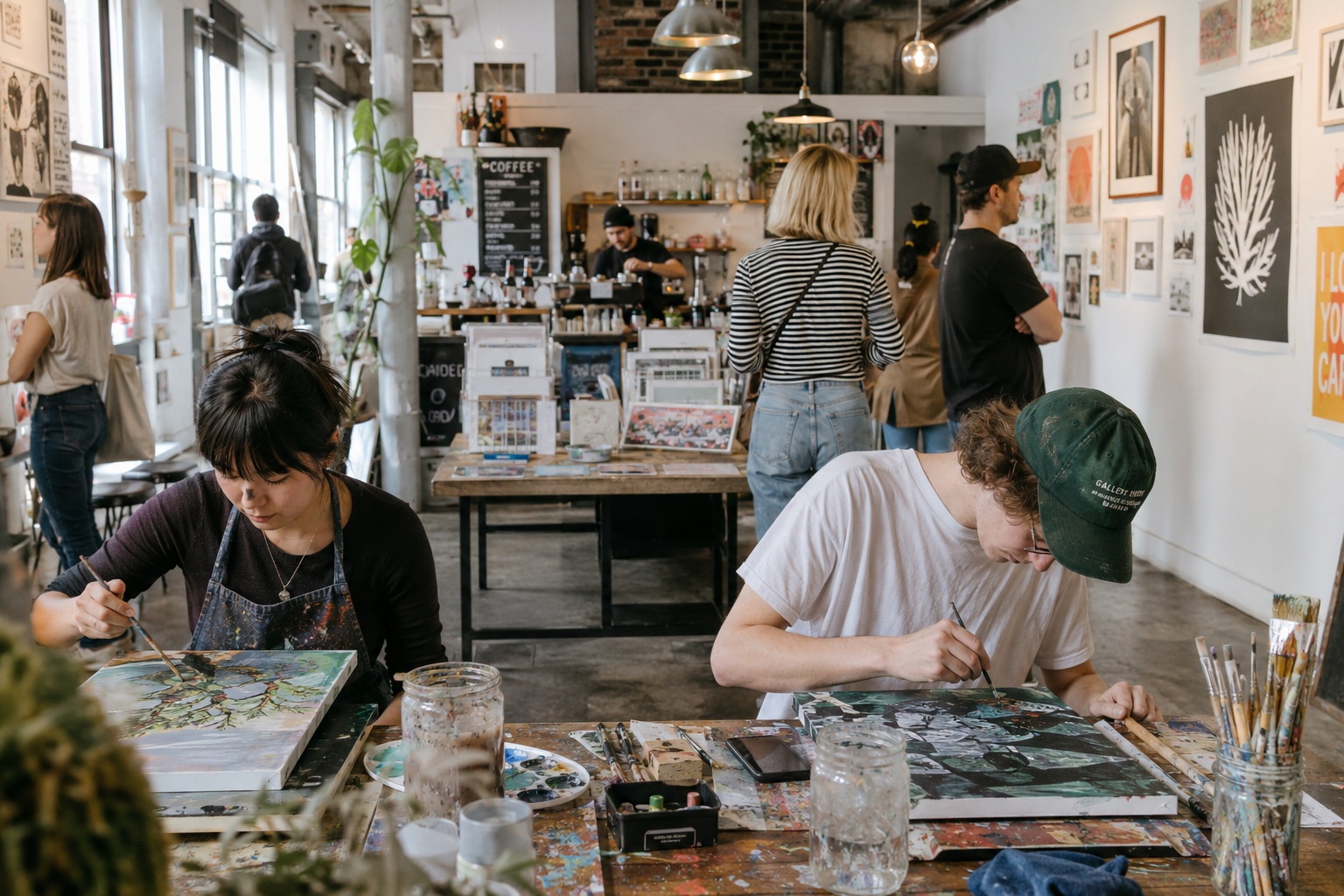
This inclusivity is intentional. Many gallery owners now operate as hybrid spaces: part exhibition hall, part café, part community center. They host weekend workshops where you can paint your own canvas while eating avocado toast. It’s a far cry from the silent, rigid museums of the past.
Why This Matters
For outsiders, this might seem like a trivial shift—a café next to a painting. But for Chinese urbanites, it signals a maturing cultural confidence. Art is no longer something to be feared or idolized; it’s something to be lived with.
As China’s economy shifts from manufacturing to consumption and creativity, these art districts serve as testing grounds for new lifestyles. They show that modern China isn’t just about speed and scale; it’s also about slowness, aesthetics, and personal expression.
When Li Wei leaves 798 on Sunday evening, she doesn’t feel like she’s visited a temple of elitism. She feels refreshed. The art didn’t overwhelm her; it accompanied her. And that, perhaps, is the most significant change of all.