

Why Water Matters
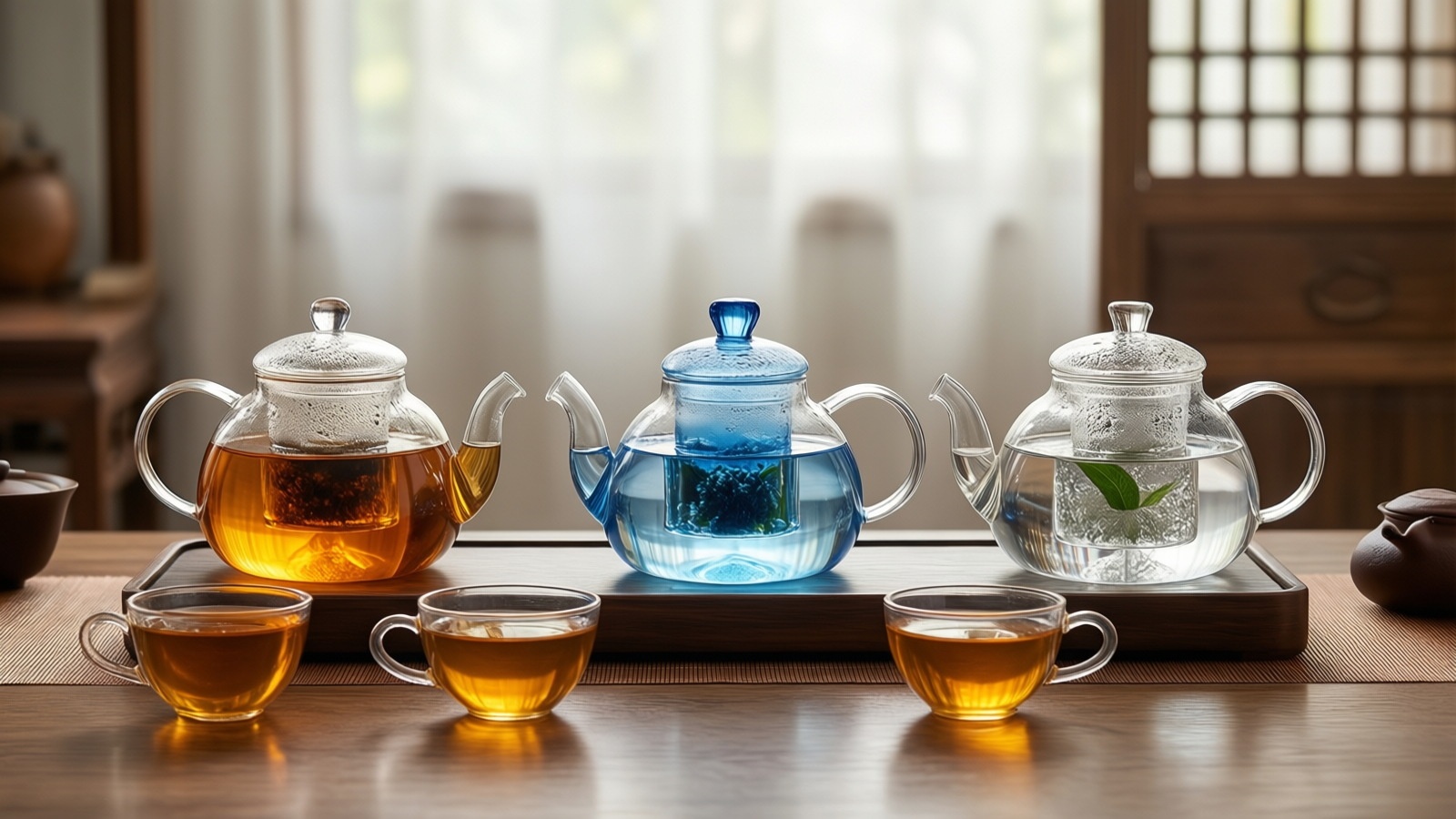
Tea is 99% water. No matter how premium your leaves are, the wrong water can ruin the cup. In China, where tea culture runs deep, the choice of water is taken seriously. But with so many options—purified, mineral, tap—which one works best? Let’s break it down from a practical, everyday perspective.
Purified Water: Clean but Flat
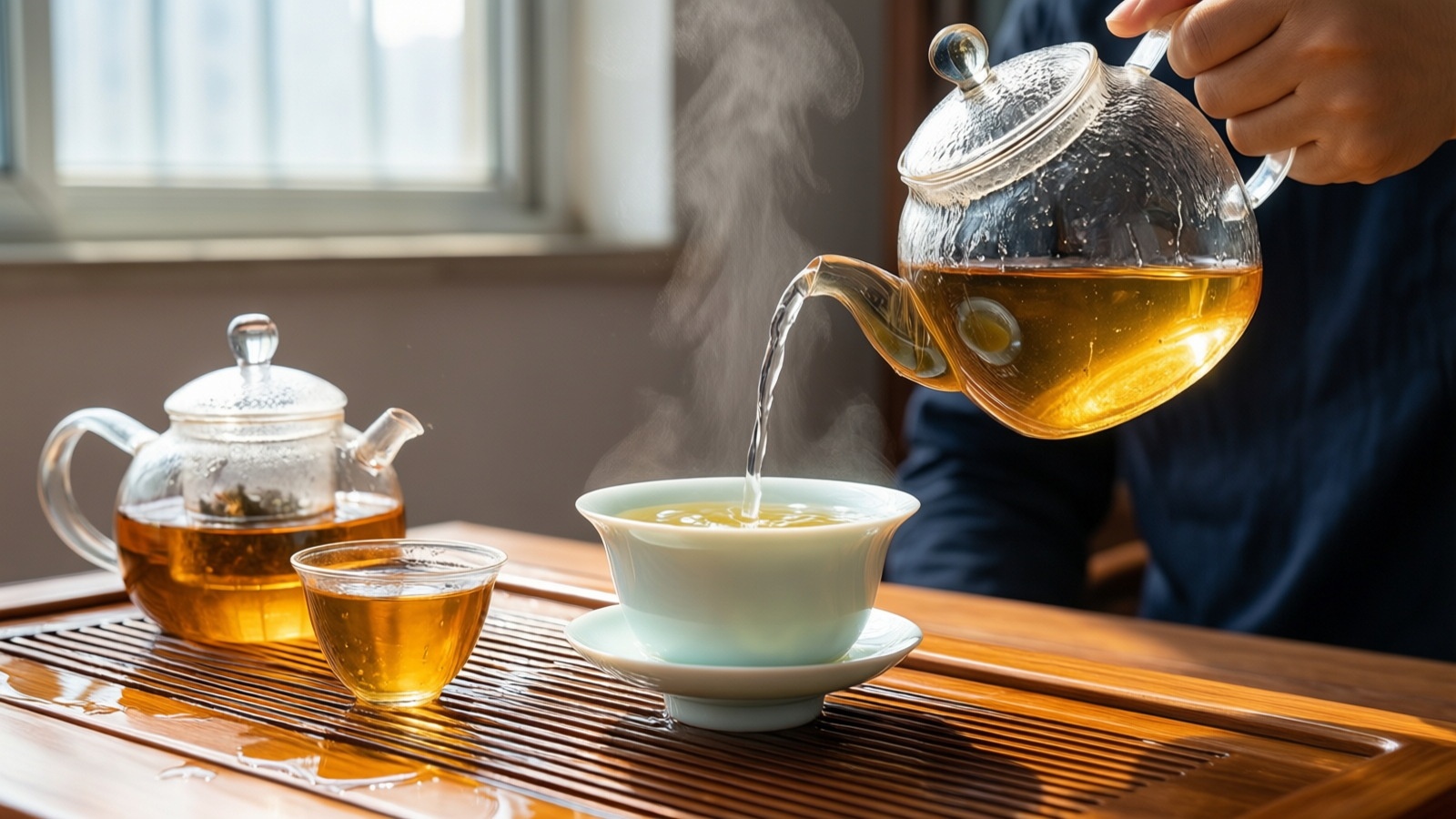
Purified water (processed by reverse osmosis or distillation) has almost no minerals. It’s neutral and safe, but for tea, it can taste “flat.” The absence of calcium and magnesium means the flavors don’t lift well. Light teas like green or white tea can still work, but oolong or pu’er may lack depth. Many Chinese tea drinkers avoid it for daily brewing, though it’s convenient.
Mineral Water: Richness with a Catch
Natural mineral water contains minerals like calcium, magnesium, and potassium. These can enhance tea’s sweetness and mouthfeel. However, hardness matters. Soft mineral water (low TDS) is ideal for green teas; hard water (high TDS) can make black teas taste bitter or cloudy. In China, brands like Nongfu Spring (农夫山泉) are popular among tea lovers for their balanced mineral profile. Tip: Check the TDS label: aim for 50–150 mg/L for most teas.
Tap Water: The Great Divide
Tap water quality varies dramatically across China. In cities like Shanghai or Shenzhen, tap water is treated but often has a chlorine smell. Hard water regions (northern China) can leave scale. How to fix it? Boil and let it sit to dechlorinate, or use a simple carbon filter. Many families invest in tabletop water purifiers. Avoid using hot tap water (from the water heater) as it may contain more sediment. For the best results, let boiled tap water cool to the right temperature.
Real-Life Scenes: What Do Chinese People Use?
In a typical Chengdu teahouse, the owner uses filtered tap water, claiming the local water brings out the tea’s character. In a Beijing home, a young professional orders bottled mineral water for her daily oolong. At a Hangzhou green tea farm, they insist on fresh spring water (or purified with a mineral stone). The consensus: adapt water to your tea and your tap. Few use pure distilled water; most prefer some mineral content.
Final Recommendations
- Light teas (green, white, yellow): Purified or soft mineral water (TDS <100)
- Oolong, black, pu’er: Mineral water with medium hardness (TDS 100–200)
- If using tap: Boil, filter, and let it rest. Test with a TDS meter if possible.
Experiment is key. The same tea can taste different with each water type—discover your own preference.