

The Gatekeeper with a Paperback
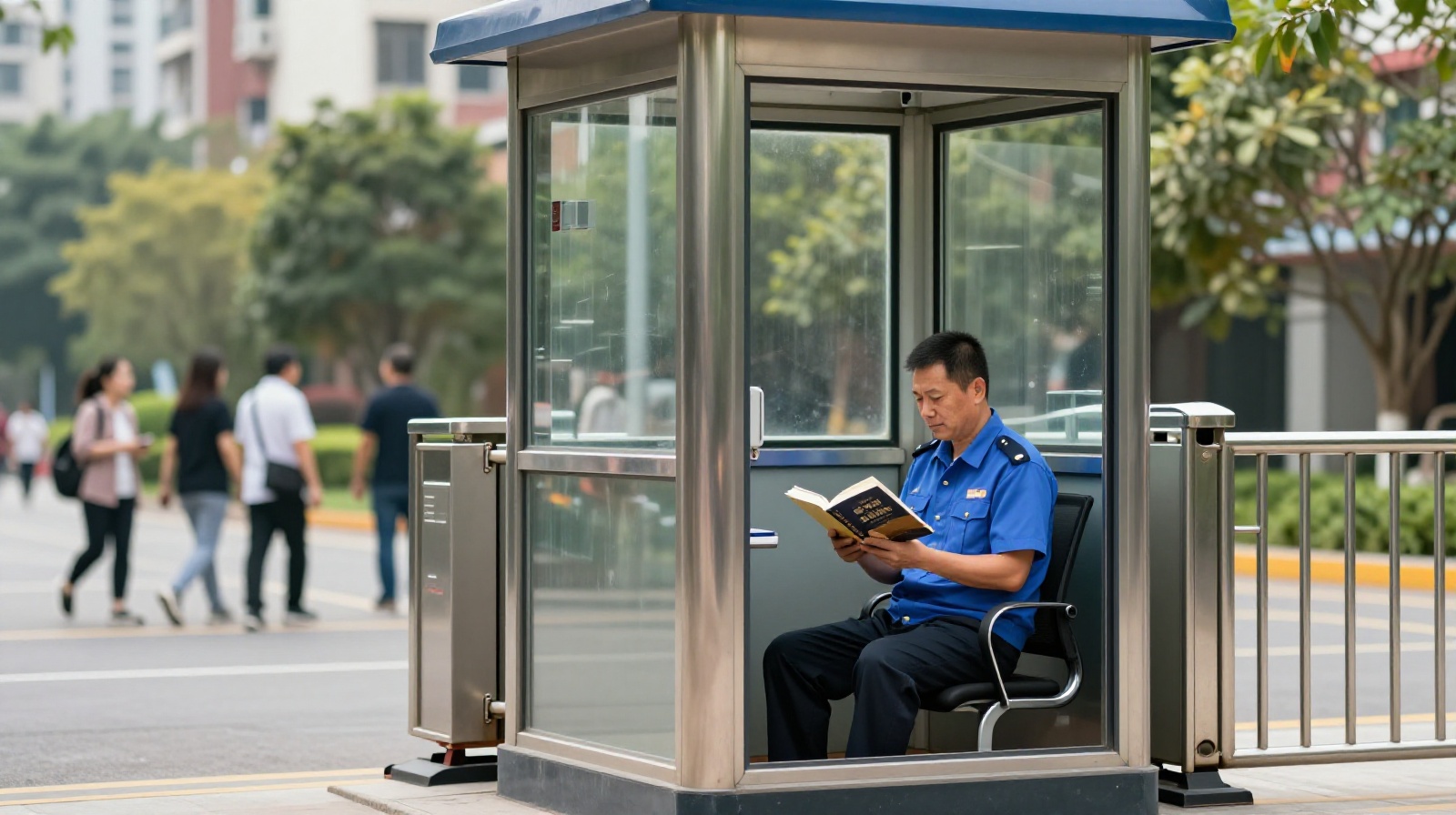
If you walk past the main gate of the “Sunshine Garden” residential compound in Shanghai on a Tuesday morning, you’ll see the usual scene: delivery drivers rushing by, residents swiping their phone codes at the turnstiles, and a small glass booth occupied by a middle-aged man.
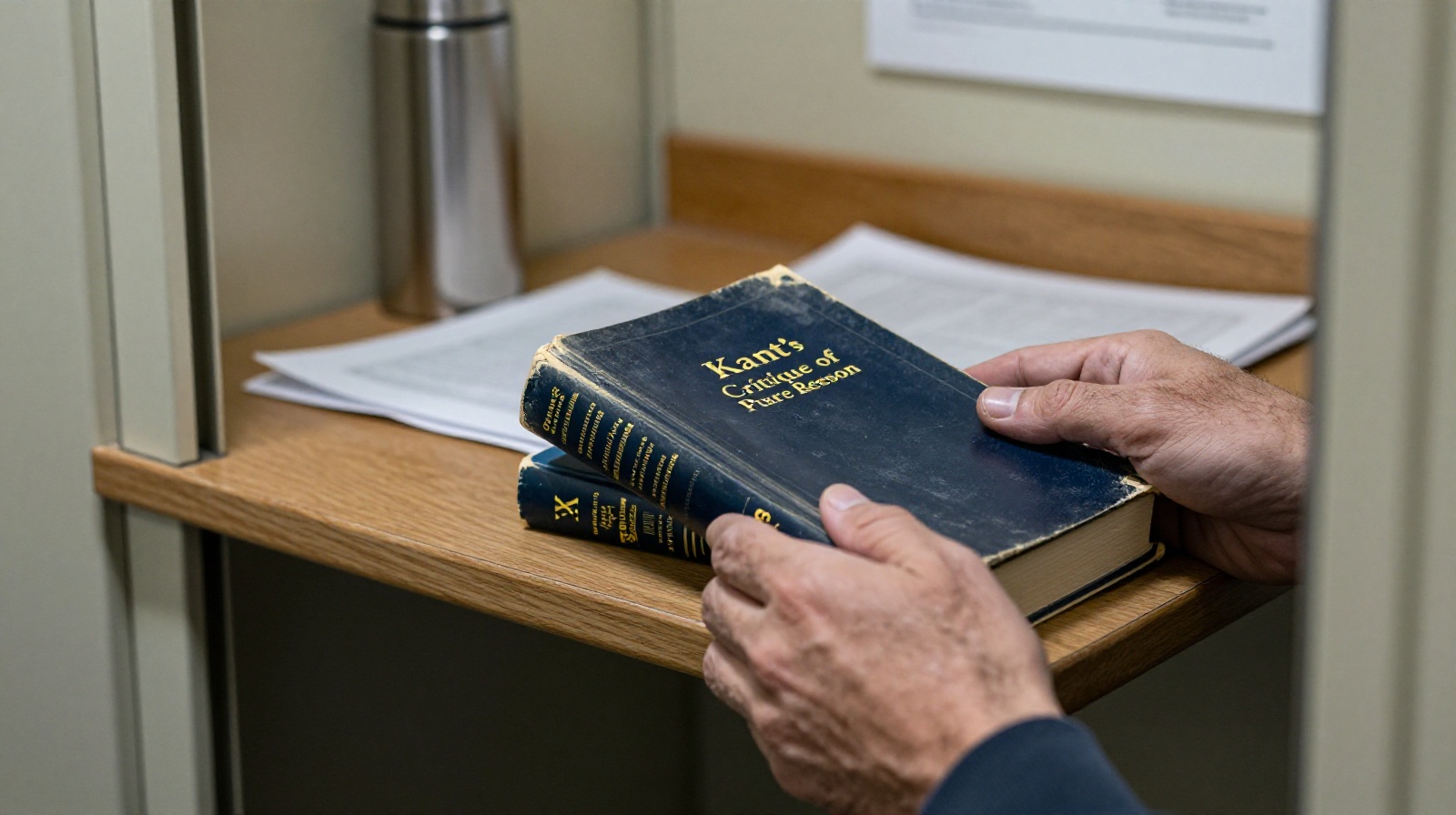
But if you look closer, you’ll notice something unusual. While most guards here are scrolling through short-video apps or chatting about football, Uncle Liang is holding a worn paperback. The cover is faded, but the title is unmistakable: The Critique of Pure Reason by Immanuel Kant.
“It’s heavy,” he says, tapping the book with a calloused finger. “But the air in here is light.”
How Did He Get Here?
Liang, 54, didn’t start his career in philosophy. He started it in a textile factory in rural Zhejiang province thirty years ago. Like many of his generation, he dropped out of school early to support his family. For decades, his life was measured in shifts, wages, and the weight of physical labor.
His journey into philosophy began by accident. Five years ago, while cleaning a local library, he found a discarded box of old books. Among them was a cheap edition of Nietzsche’s Thus Spoke Zarathustra. He couldn’t understand much at first. The language was dense, and his own education was limited. But the ideas—the struggle for meaning, the rejection of herd mentality—stuck with him.
“I didn’t have money for new books,” Liang explains. “So I read what was left behind. I read until my eyes hurt, then I rested, then I read again.”
The Philosophy of the Post
Today, Liang works as a security guard at this mid-range apartment complex in Shanghai. The job pays modestly, but it offers something rare: time. And a quiet corner.
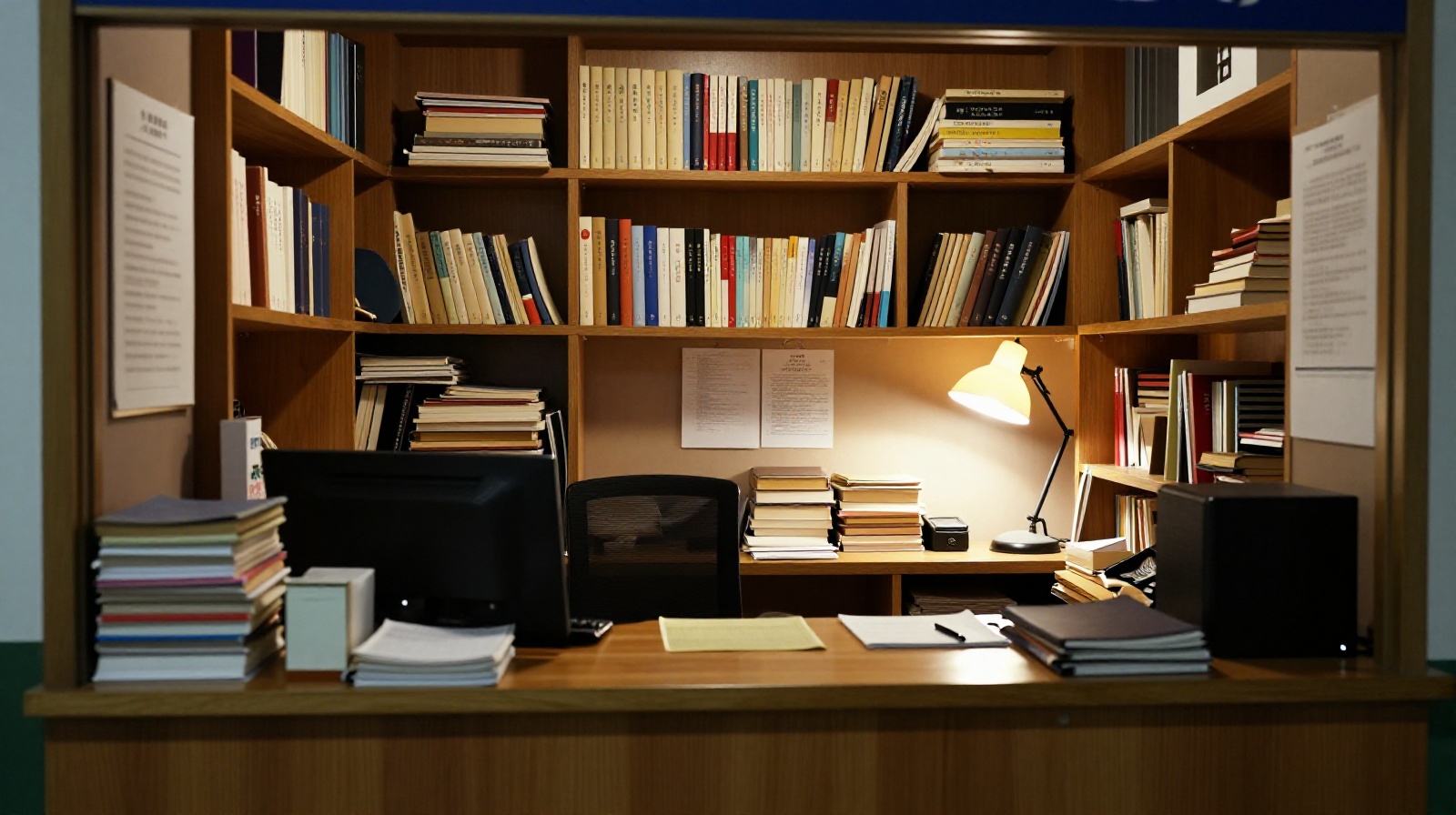
His small glass booth, barely three square meters, has become his study. He’s organized shelves made of scrap wood inside, holding books on Kant, Hegel, Zhuangzi, and even some modern Chinese essays. He reads during breaks, during the quiet hours between 2 PM and 4 PM, and sometimes late into the night when the compound is asleep.
“People think security is just watching gates,” he says. “But I think it’s about observing human nature. You see people at their most routine—tired, rushed, happy, angry. Philosophy helps you understand why they act that way.”
This perspective has changed how he interacts with residents. He doesn’t just check IDs; he engages. A young programmer rushing to work might get a nod and a quote from Camus about the absurdity of daily grind. An elderly resident walking her dog might hear a gentle reminder from Laozi about the value of stillness.
Breaking Stereotypes
In Chinese society, security guards are often invisible. They are part of the infrastructure, like streetlights or traffic cameras. Few people stop to talk to them. Fewer still consider them as intellectual equals.
Liang challenges this. He is not a “self-made genius” myth. He is tired. He has back pain from years of factory work. He worries about his daughter’s tuition fees. But he refuses to let his circumstances define his inner life.
“Society says I am ‘below’ because I wear this uniform,” he says, gesturing to his blue vest. “But my mind is not below. It is free. And that freedom costs nothing.”
A Quiet Revolution
What makes Liang’s story significant isn’t just that he reads philosophy—it’s that he lives it. In a country where education is often seen as a ticket to upward mobility, Liang uses it for something else: internal clarity.
He doesn’t quote philosophers to show off. He uses their ideas to navigate his own life. When residents complain about noise or parking, he listens calmly, applying the Stoic idea of controlling only what you can. When he feels lonely, he turns to Schopenhauer, finding comfort in the shared human condition.
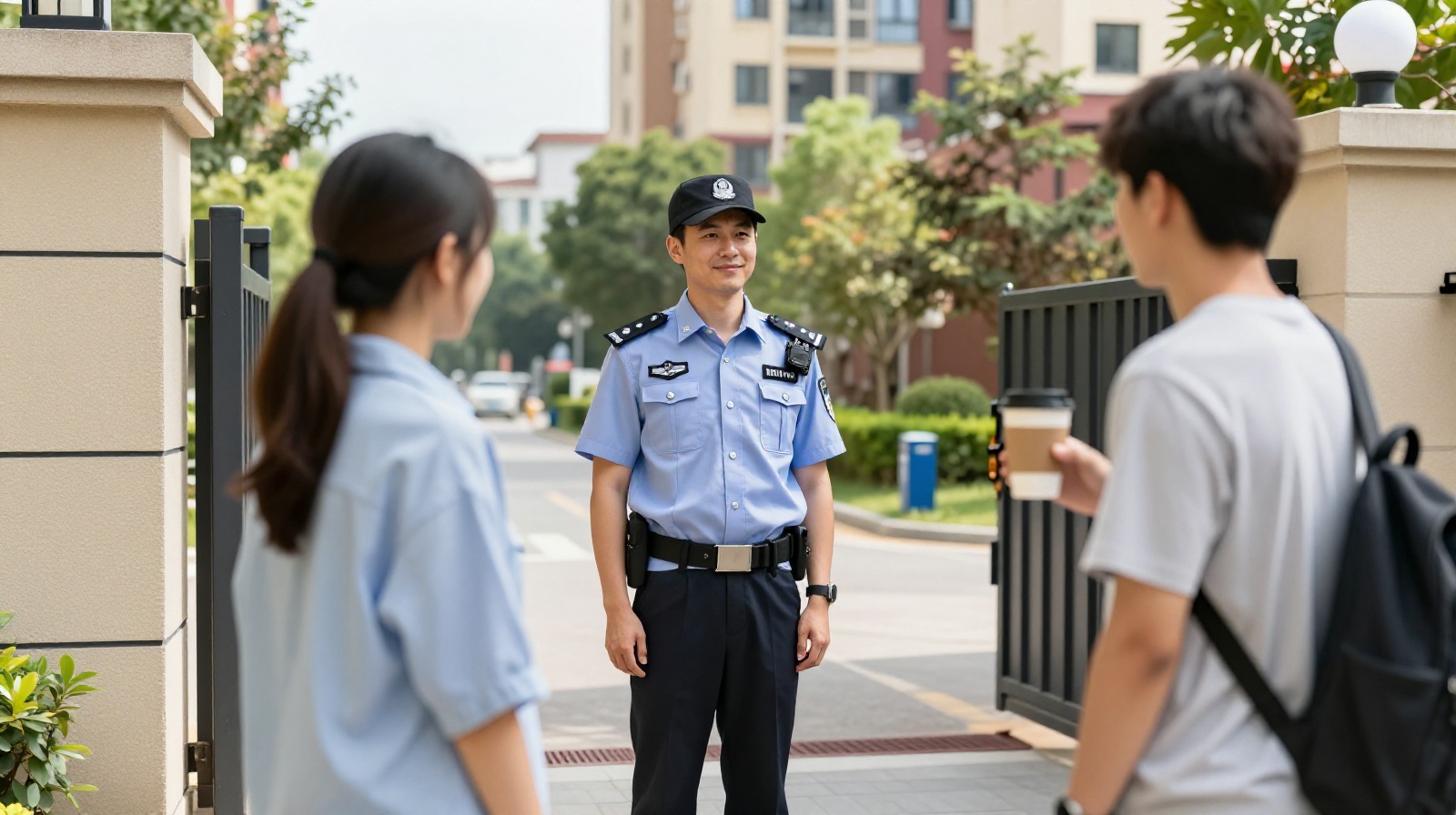
His presence in the compound has sparked small changes. Residents now sometimes leave books at the gate desk for him. Some young residents, initially surprised, have started asking him questions about ethics or life choices. It’s a quiet exchange of knowledge, crossing class and age barriers.
The Cost of Freedom
Of course, Liang’s life isn’t a fairy tale. He still stands in the rain. He still deals with rude customers. He still counts every yuan. But he has found a way to exist within those constraints without being crushed by them.
“The world is noisy,” he says, closing his book. “But inside my head, it’s quiet. That’s my secret.”
In a fast-paced city like Shanghai, where everyone is rushing toward the next career milestone or financial goal, Uncle Liang offers a different model. He is not climbing a ladder; he is digging deep. He reminds us that wisdom is not the exclusive property of universities or elites. It can be found in a glass booth, in a worn paperback, and in the quiet dignity of a man who refuses to stop thinking.
Next time you pass a security guard in China, don’t just swipe your code and walk away. Look at what they’re holding. You might find a philosopher, or at least, someone who is thinking deeply about what it means to be human.