


Running Against the Clock: The New Way to Travel
At 2:00 AM, while most of my friends were asleep, I was squeezing into a hard-seat carriage on a sleeper train heading north. By 6:00 AM, I was standing in the freezing morning mist of a historic city, phone in hand, already checking off the first item on my list. This isn’t a scene from an action movie. It’s the daily reality of “Special Forces Tourism” (Tezhongbing You), a travel style that has taken over Chinese social media.
The name comes from Chinese military training, implying extreme physical endurance and strict time management. For Chinese university students and young workers, it’s not just about seeing sights; it’s a competitive sport of efficiency. The goal? Visit as many attractions as possible in the shortest time, usually over a weekend, with the absolute minimum budget.
I decided to try it myself. My challenge: 10 landmarks, 48 hours, and a hard cap of $50 (about 350 Chinese Yuan). No luxury hotels, no slow sipping of coffee. Just pure, unadulterated movement.

The Itinerary: A Minute-by-Minute Breakdown
Success in Special Forces tourism relies on military-grade planning. My route was designed to minimize transit time and maximize “check-in” moments. Here is how the 48 hours unfolded:
Friday Night: The Overnight Hustle
8:00 PM: Board the overnight train from my home city. Cost: $15 for a hard seat. While others sleep, I rest my legs.
Saturday: The Marathon Day
6:00 AM: Arrive at the station. Grab a steamed bun and soy milk (Cost: $1).
7:30 AM – 12:00 PM: Hit three major historical sites within walking distance. This is the “Golden Hour” for photos before the tour buses arrive.
12:30 PM: Lunch is a quick noodle bowl from a street stall (Cost: $2).
1:00 PM – 5:00 PM: Two museum visits and a park walk. The key here is speed. You don’t read every plaque; you snap the iconic view, tag the location, and move on.
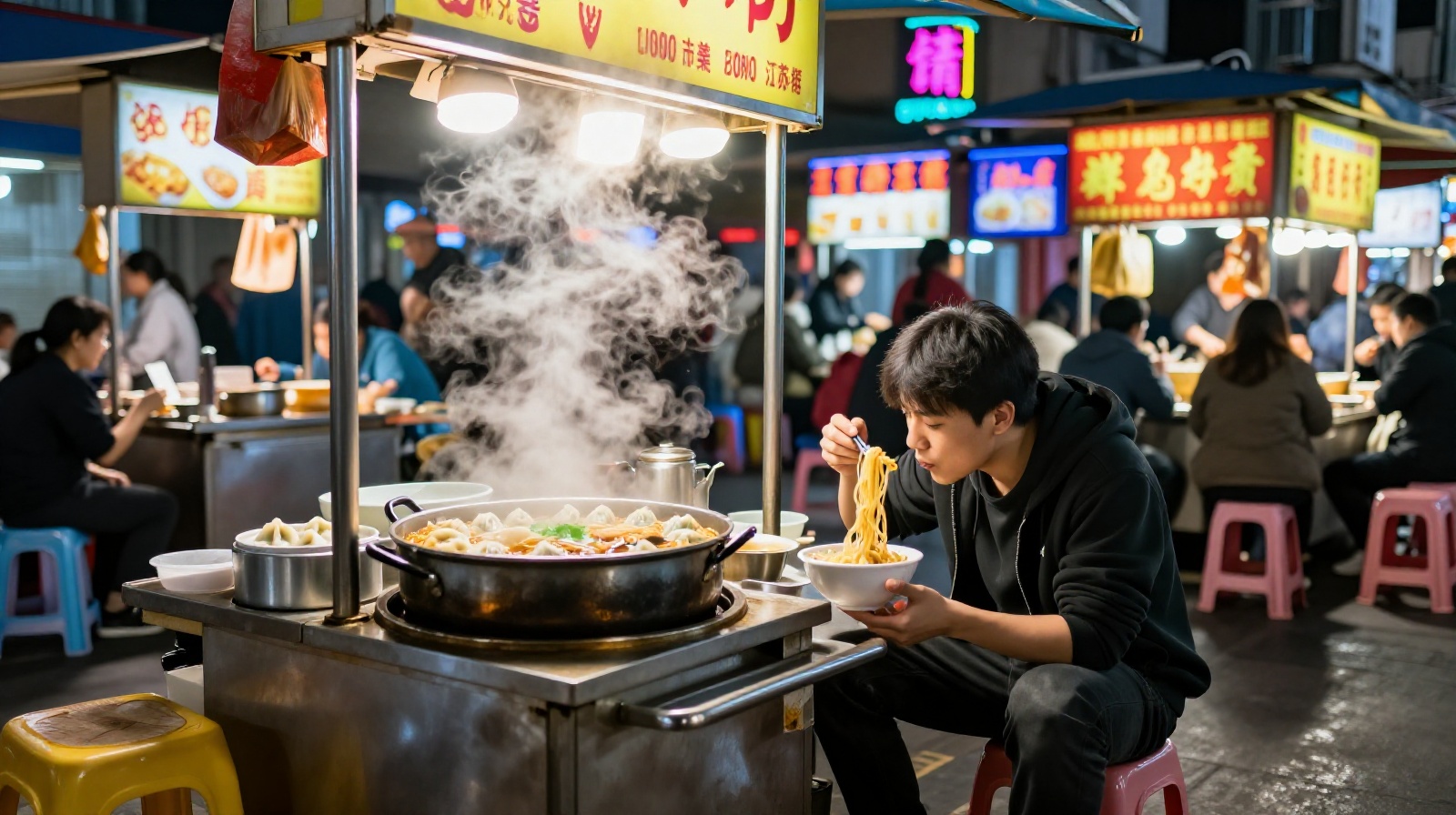
6:00 PM – 9:00 PM: Street food tour. Trying local snacks is non-negotiable. Dumplings, skewers, and sweet pancakes. Total food cost so far: $8.
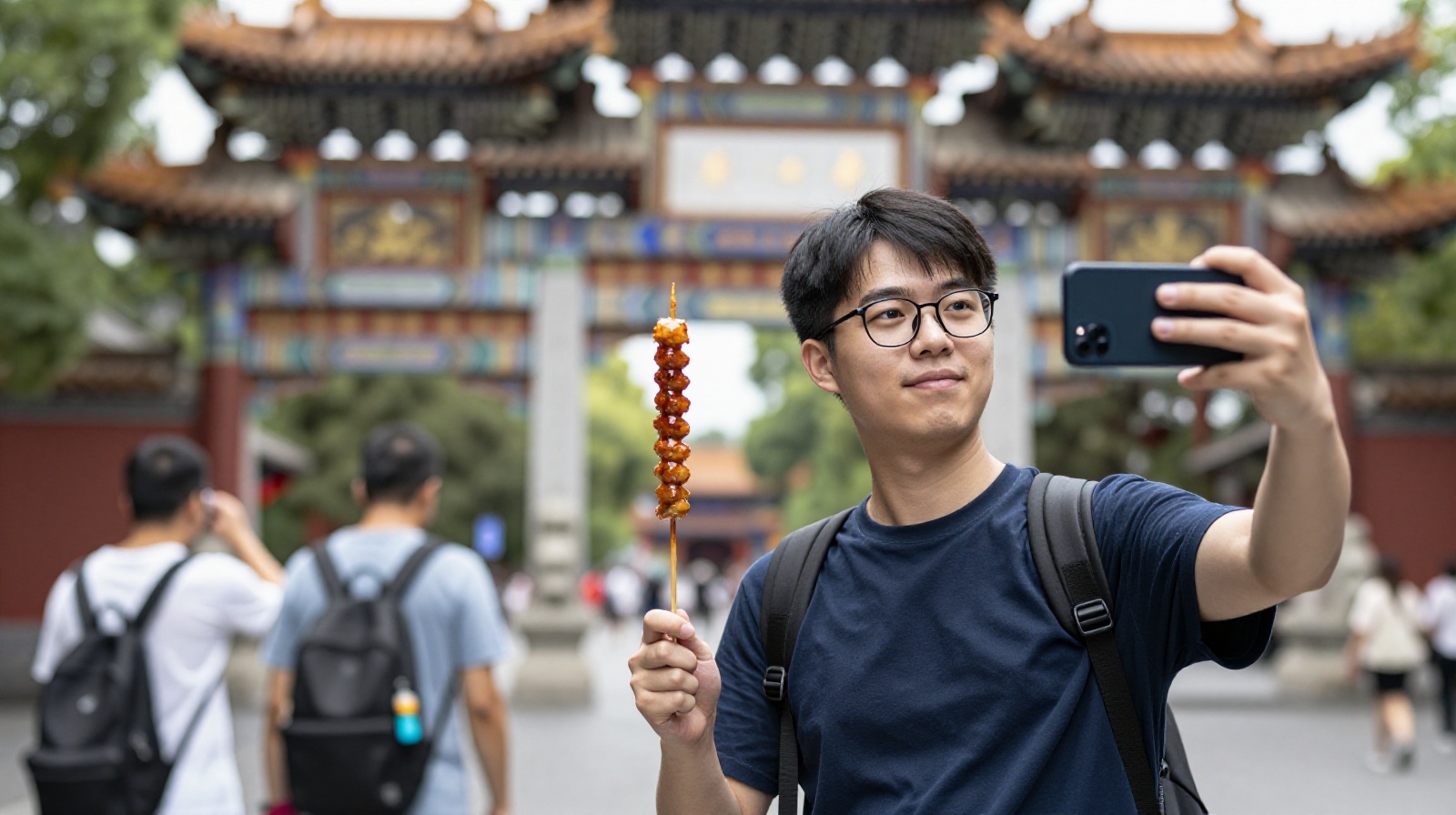
” alt=”Young traveler taking a quick photo of a historic temple gate with a smartphone, surrounded by other tourists” caption=”Speed is key in Special Forces tourism: snap the photo and move on.” />
Sunday: The Final Sprint
7:00 AM: Wake up in a budget capsule hotel near the train station (Cost: $10 for 8 hours).
9:00 AM – 1:00 PM: Visit two more landmarks, including a famous bridge and a cultural square.
2:00 PM: The last bite of local specialty cake. (Cost: $1).
3:00 PM: Rush back to the station. Board the return train.
8:00 PM: Arrive home. Exhausted, but my social media feed is full.
Total cost: $47. Total steps: 35,000.
The Math Behind the Madness
How is this even possible? The secret isn’t just discipline; it’s China’s infrastructure and digital ecosystem.
Transportation: China’s high-speed rail and intercity buses are incredibly cheap compared to similar distances in Europe or North America. A 300-kilometer trip might cost less than a fast-food meal elsewhere. The overnight train is a classic hack—saving one night of hotel costs while moving.
Accommodation: I didn’t book a hotel. I used a “capsule hotel” or a youth hostel dorm bed. In major Chinese cities, these can be found for $8-$12 per night. Some travelers even sleep in 24-hour fast-food restaurants or internet cafes to save every penny.
Food: Street food is the backbone of this budget. A meal at a small, local eatery costs $2-$4. It’s safe, delicious, and fast. Unlike Western tourists who might seek out “authentic” restaurants with reservations, Special Forces travelers thrive on the chaos of street stalls.
Why Do They Do It? The Psychology of “Check-Ins”
To an outsider, this looks like torture. Why rush through a temple you’ll only remember for five minutes? Why sleep on a hard seat?
The answer lies in the concept of “Da Ka” (打卡), or “clocking in.” For Gen Z in China, travel is partly about social capital. Posting a collage of 10 different locations within 48 hours signals three things:
- Energy: “I am young and vibrant.”
- Resourcefulness: “I can plan complex trips on a tight budget.”
- FOMO (Fear Of Missing Out): “I have experienced these cultural moments before my peers.”
It’s a form of digital achievement. In a highly competitive academic and job market, young people often feel a lack of control over their future. Controlling their itinerary—every minute, every dollar—is a way to reclaim agency. The exhaustion is almost a badge of honor.
The Reality Check: Is It Worth It?
Did I enjoy it? Yes and no. On one hand, the adrenaline rush was real. Seeing the city before the crowds, feeling the rhythm of local life, and hitting every target gave me a strange sense of accomplishment.
But let’s be honest: I didn’t really “see” the city. I skimmed the surface. The deep cultural immersion, the quiet conversations with locals, the spontaneous discoveries—these were sacrificed for efficiency. I left more tired than I felt when I arrived.
This trend has sparked debate. Critics call it “tourism by numbers,” arguing that it reduces rich cultural heritage to mere photo opportunities. Proponents argue it makes travel accessible to students with no money, allowing them to broaden their horizons even if briefly.
As I collapsed onto my bed on Sunday night, legs throbbing and phone battery dead, I realized something. Special Forces tourism isn’t just about the destinations. It’s a reflection of a generation that is hyper-connected, budget-conscious, and eager to prove that they can conquer the world—one 10-minute stop at a time.
Would I do it again? Maybe not next weekend. But for one crazy adventure? Absolutely.