

The Supermarket Paradox
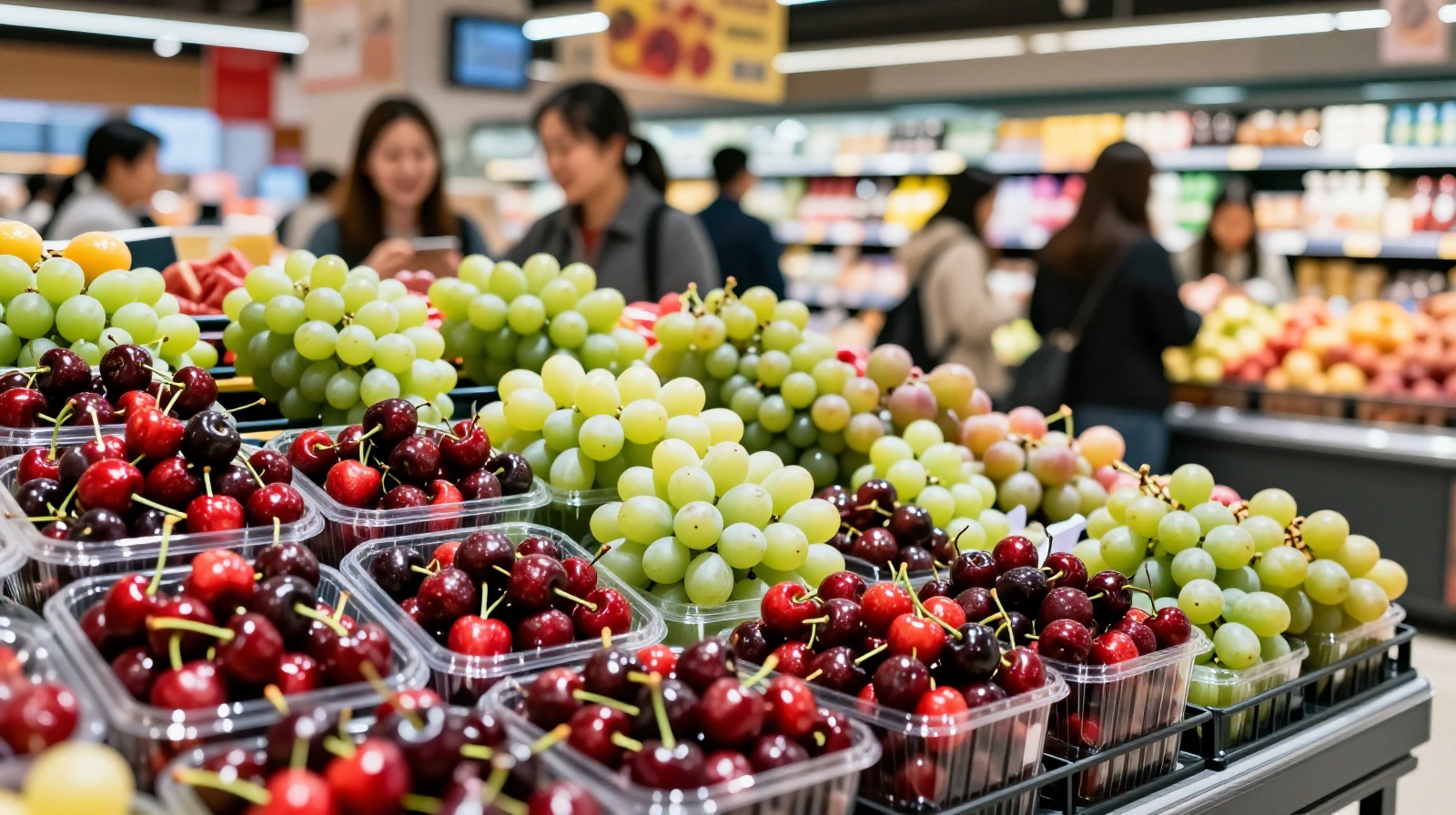
Walk into a modern supermarket in Chengdu, Xi’an, or Shanghai on a Saturday morning, and you will find something that confuses many foreign visitors: the price of high-quality fruit is often lower than the price of a cup of coffee at a nearby chain café.
A basket of premium cherries, fresh lychees, or carefully packed strawberries might cost between $2 and $5. In many Western countries, a similar basket could easily exceed $15 or $20. This isn’t because the fruit is of poor quality. In fact, Chinese fruit today is often more consistent, cleaner, and more diverse than what is found in local supermarkets abroad. The paradox lies not in the product, but in the system that delivers it.
Beyond the Farm: The Invisible Logistics Chain
To understand why fruit is cheap in China, you have to look beyond the orchard. The real secret lies in the infrastructure. Over the past two decades, China has built the world’s largest highway network and railway system. For agricultural products, this means speed.
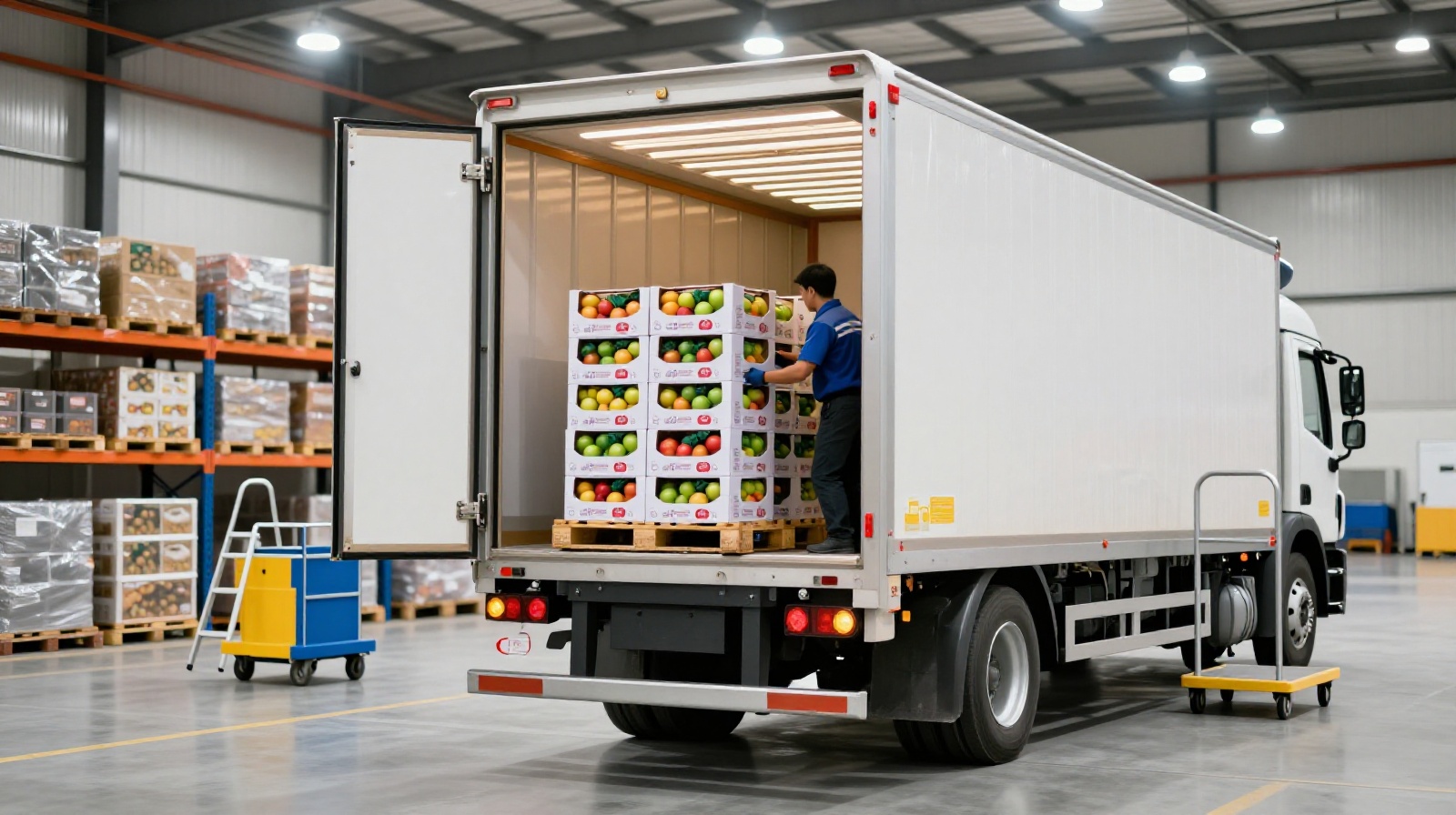
Consider the journey of a lychee harvested in Guangdong Province. In the past, lychees rotted before reaching northern cities because they spoiled within 24 hours without refrigeration. Today, thanks to an extensive cold-chain logistics network, these fruits are picked at dawn, pre-cooled immediately, and loaded into refrigerated trucks or trains. They can reach Beijing or Harbin—thousands of kilometers away—within 24 to 48 hours.
This infrastructure drastically reduces “post-harvest loss.” In developing economies, up to 30% of fruits and vegetables are lost before they ever reach a consumer due to spoilage and poor transport. In China, this rate has dropped significantly, often below 10% for major fruit categories. When less food is wasted, the cost per unit sold drops, allowing retailers to keep prices competitive without sacrificing quality.
The ‘Middleman’ Myth: E-commerce and Live Streaming
Traditionally, fruit moved from farmers to wholesalers, then to regional distributors, and finally to supermarkets. Each step added a markup. Today, this chain is being disrupted by e-commerce and live-streaming commerce, a unique phenomenon in China.
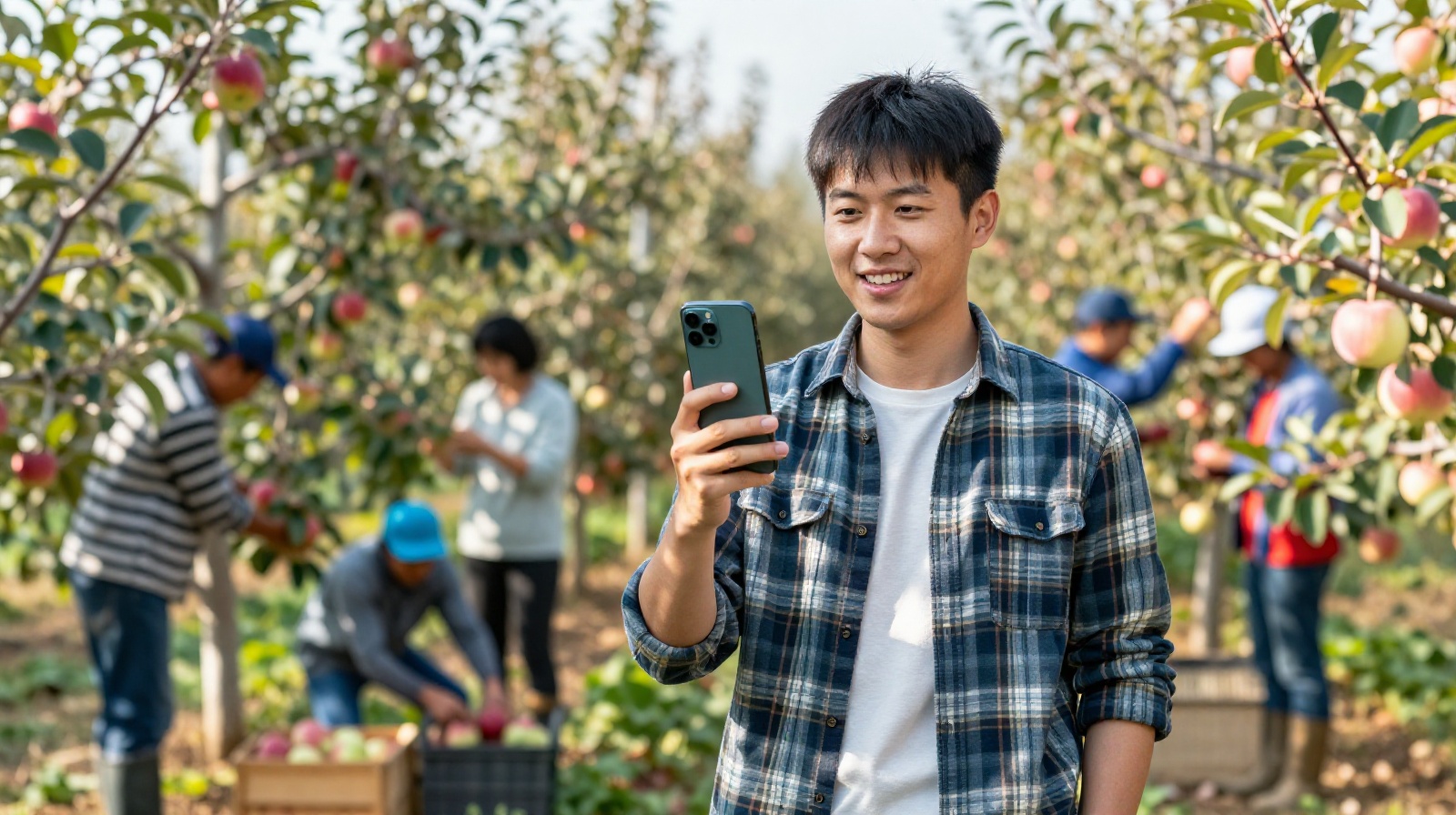
On platforms like Douyin (TikTok) and Kuaishou, farmers or local agents broadcast live from orchards. Viewers see the fruit being picked, tested, and packed in real-time. They can buy directly, bypassing traditional wholesale markets. This direct-to-consumer model cuts out multiple layers of middlemen, reducing costs by 20% to 40%.
But it’s not just about cutting out intermediaries. It’s about demand aggregation. Instead of relying on a single supermarket chain to decide how many apples to buy, algorithms analyze millions of user preferences. Farmers can plan harvests based on real-time data, reducing the risk of oversupply. When supply matches demand more precisely, price volatility decreases.
Small Farmers, Big Markets: Tech at the Last Mile
One of the biggest misconceptions about Chinese agriculture is that it is entirely dominated by large industrial farms. In reality, a vast majority of fruit production still comes from smallholder farmers—families managing just a few acres. How do they compete with global giants?
The answer lies in digital integration. Even a small farmer in Sichuan can now access real-time weather data, soil moisture sensors, and AI-driven pest control advice through smartphones. These tools help optimize yield and reduce the use of fertilizers and pesticides, lowering input costs while maintaining high standards.
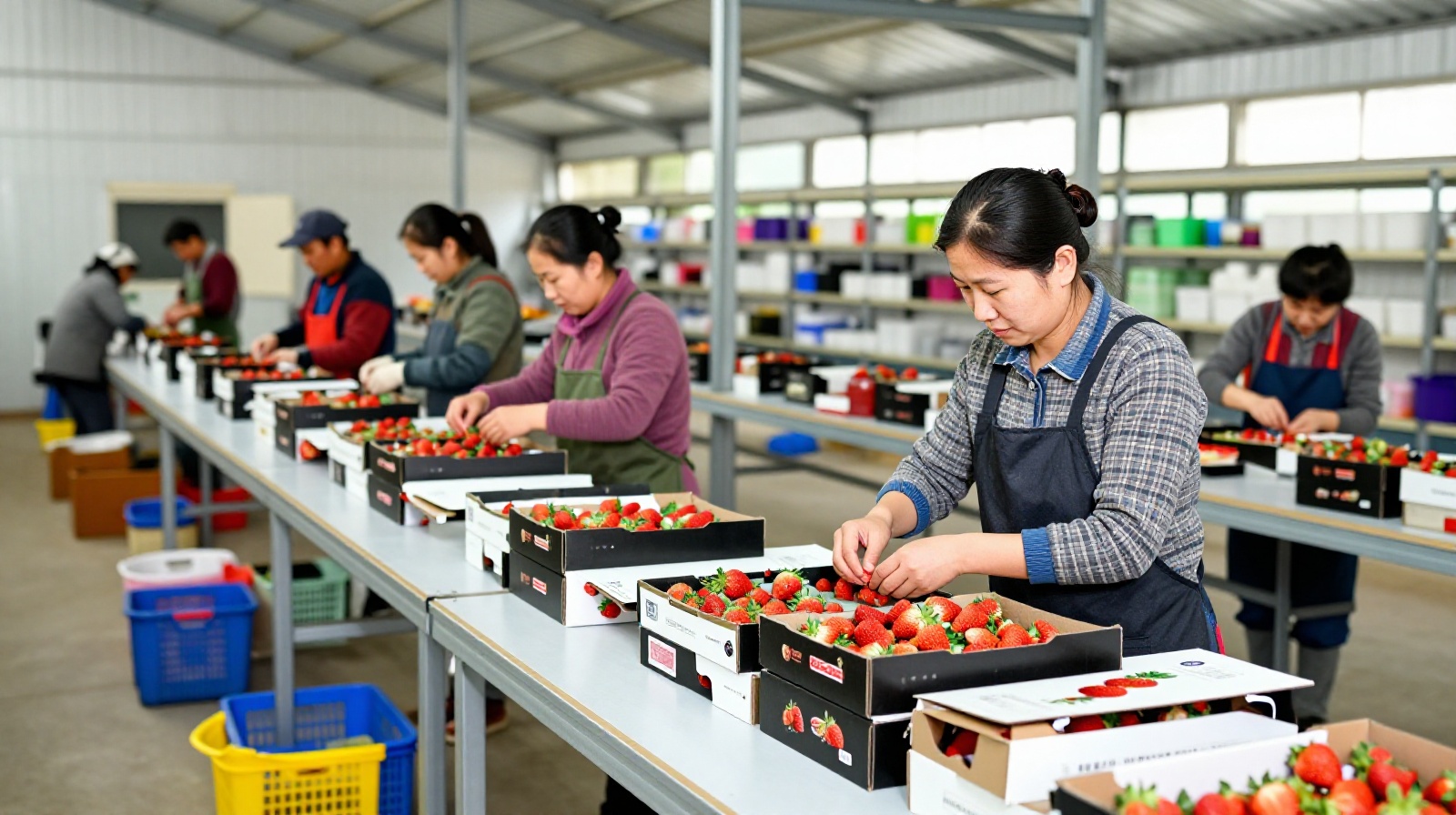
Moreover, local governments and tech companies are building “smart agriculture” hubs in rural areas. These hubs provide shared packaging facilities, quality control labs, and direct connections to logistics providers. A farmer doesn’t need to own a truck or a warehouse; they just need to grow good fruit. The infrastructure does the rest.
What This Means for Global Consumers
The “cheapness” of Chinese fruit is not a result of low wages or poor quality. It is the outcome of massive scale, efficient logistics, and digital innovation. For global consumers, this offers a lesson in how infrastructure and technology can reshape traditional industries.
As climate change makes food supply chains more fragile worldwide, China’s model of integrated cold-chain logistics and direct-to-consumer sales may become increasingly relevant. The next time you see a basket of affordable fruit in a Chinese market, remember: you are not just buying food. You are witnessing the efficiency of one of the world’s most complex supply networks.