
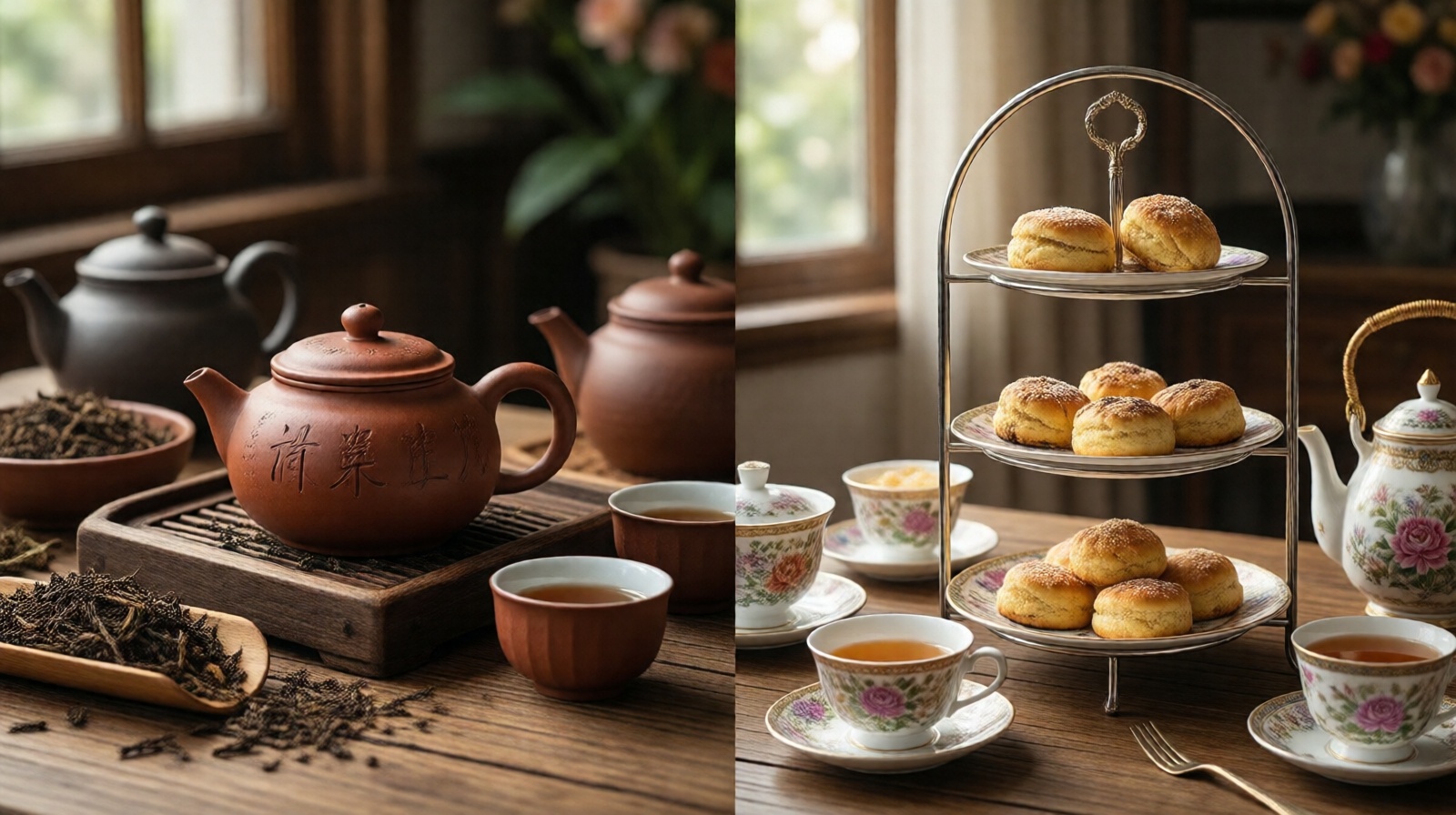

Introduction: A Cup of Culture
Picture this: in a modern office in Shanghai, a young programmer casually drops a few leaves of Tieguanyin into a tall glass, pours hot water from a dispenser, and sips while typing. Half a world away, in a London living room, a family gathers around a low table at 4 p.m., balancing a porcelain teapot, a strainer, and a three-tiered stand of sandwiches and cakes. Both are “having tea,” but the experience couldn’t be more different. Tea is a global ritual, yet the way it’s drunk in China and Britain reveals deep cultural contrasts – in ceremony, social context, and even the leaves themselves.

Chinese Tea in Daily Life: From Office Cups to Gongfu Cha
In China, tea is everywhere – at home, in the office, on trains, and in tea houses. But there’s no single “correct” way to drink it. The most common method is as casual as it gets: a glass or mug, a pinch of loose leaves (often green tea like Longjing or Biluochun), hot water straight from the kettle, and refills all day long. The leaves sink to the bottom, and you sip until the flavor fades – then add more water. No sugar, no milk, no biscuits.
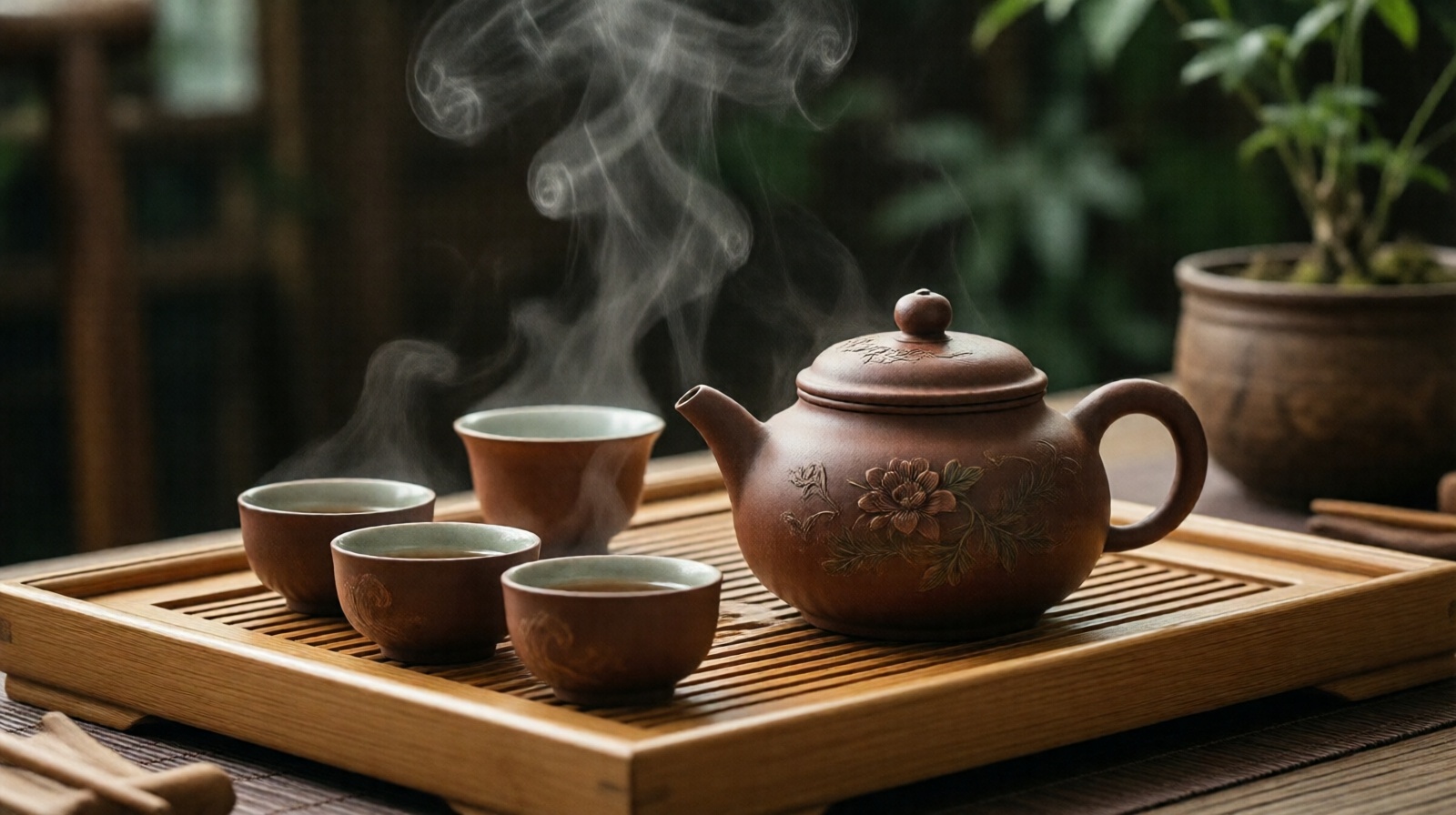
At the other end of the spectrum is gongfu cha (literally “skillful tea”), a meticulous ritual using small Yixing clay pots. The drinker rinses the leaves, pours short infusions, and savors each of many steepings – each revealing a different note. This is social, intimate, and often practiced among friends or in tea houses. The focus is on the tea itself: its aroma, taste, and the way it changes.
“In China, tea is a thread connecting daily life and philosophy,” says Liu Wei, a tea enthusiast in Guangzhou. “Whether I’m alone with a book or sharing a pot with friends, there’s always a moment of mindfulness.”
British Afternoon Tea: The Ritual of the Three-Tiered Stand
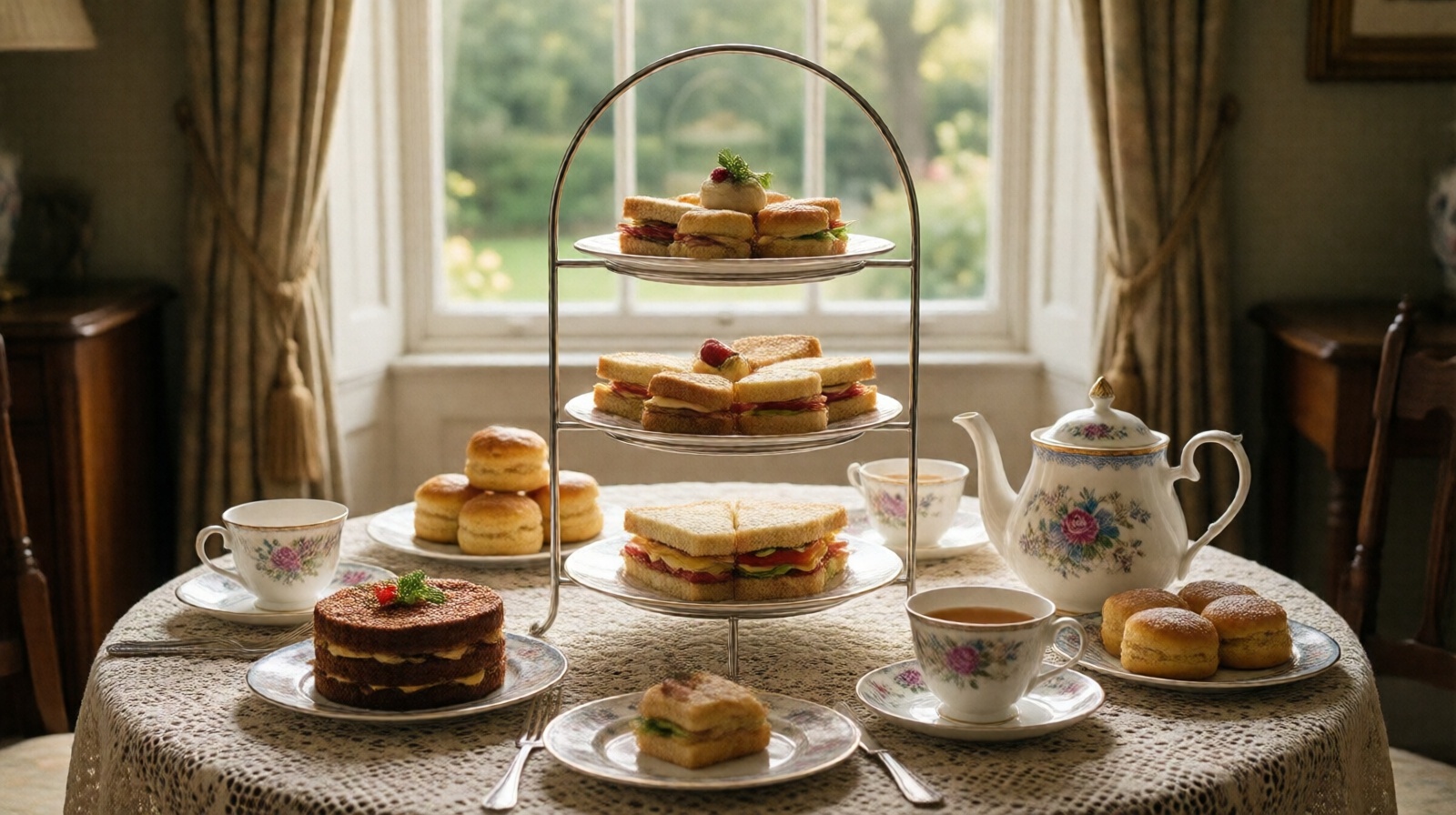
British afternoon tea, by contrast, is a structured social event. Legend credits Anna, Duchess of Bedford, in the 1840s for starting the tradition of a light meal between lunch and dinner to stave off hunger. Today, it’s a beloved custom served in hotels, tea rooms, and homes – usually between 3 p.m. and 5 p.m.
The centerpiece is the three-tiered stand: sandwiches on the bottom (cucumber, egg salad, smoked salmon), scones with clotted cream and jam in the middle, and petits fours or cakes on top. The tea itself is almost always black – typically Assam, Darjeeling, or Earl Grey – served in individual pots with milk and sugar on the side. The ritual includes pouring milk first or after (a classic English debate), stirring without clinking, and holding the cup with a pinch of the thumb and forefinger.
Unlike Chinese tea, the British version is less about the leaf and more about the complete experience: the food, the china, the company, and the occasion. It’s a celebration of gentility and conversation.
Core Differences: Leaves, Brewing, and Social Vibe
Let’s break down the key contrasts:
- Tea type: Chinese tea is overwhelmingly green, oolong, white, or pu-erh – all from the Camellia sinensis plant but processed differently. British afternoon tea is exclusively black, fully oxidized, often blended.
- Brewing: Chinese tea is steeped multiple times (3–10+), each infusion extracting new flavors. British tea is steeped once (3–5 minutes), then the bag or leaves are removed. Reusing leaves is rare.
- Serving: Chinese tea is served plain, no additions. British tea is served with milk, sometimes sugar or lemon.
- Occasion: Chinese tea is a daily habit, anytime, anywhere. British afternoon tea is a scheduled break, often a treat for weekends or special outings.
- Social vibe: Chinese tea can be solitary or small-group, with focus on the tea. British afternoon tea is a light meal shared with conversation, almost like a mini party.
These differences reflect deeper cultural preferences: Chinese tea culture values subtlety, variety, and continuity (multiple infusions). British tea culture values comfort, indulgence, and a fixed moment of calm in a busy day.
Modern Twists: How Young Chinese Drink Tea Today
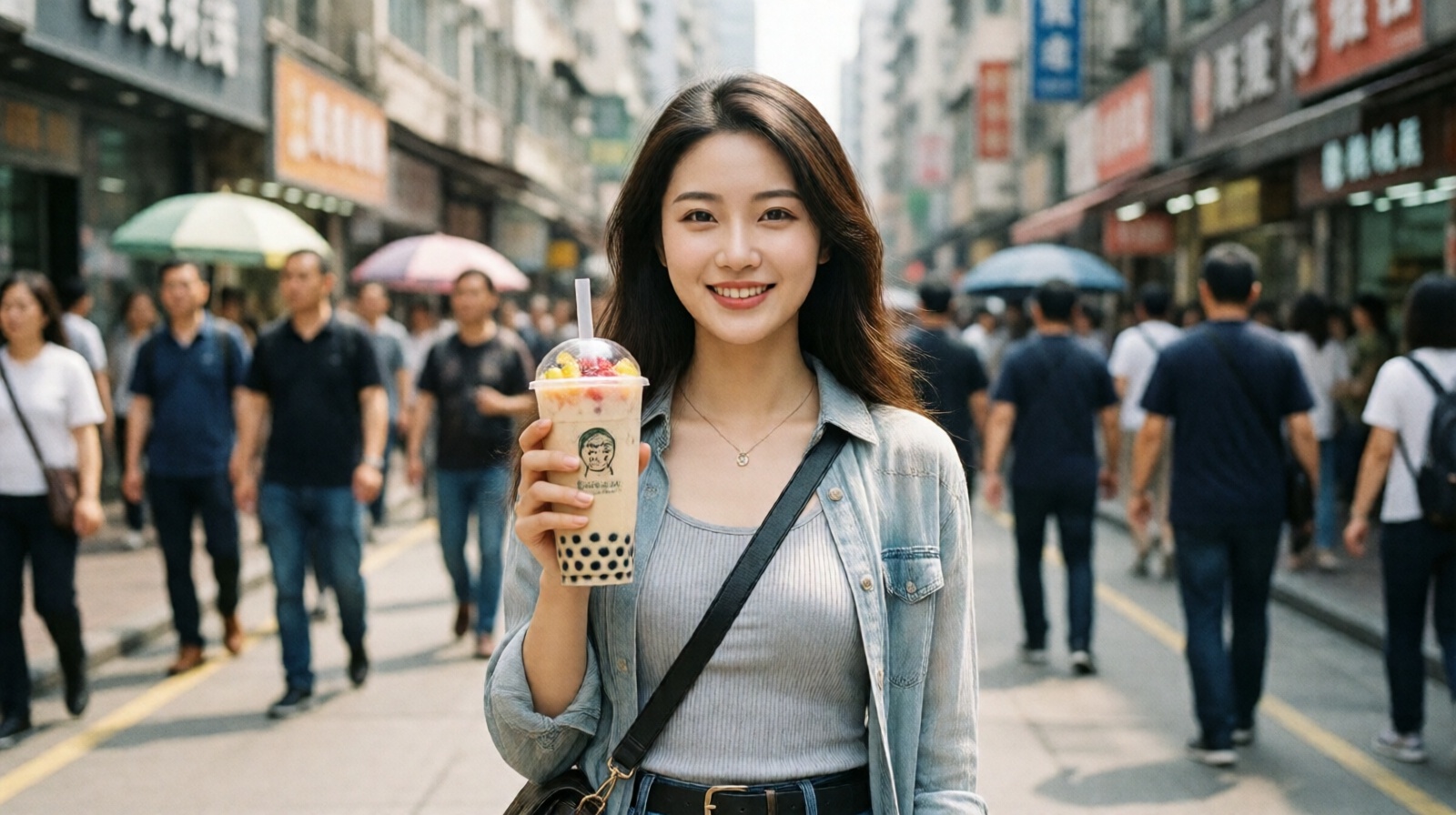
China’s tea culture is not stuck in the past. Young urbanites have embraced “new-style tea drinks” – bubble tea and fruit teas made with fresh brew, tapioca pearls, and cheese foam. Brands like Heytea and Nayuki have turned tea into a fashion accessory, with long queues and Instagram-worthy cups. At the same time, tea bags (especially from brands like Lipton or local ones like Chali) are popular in offices for convenience. Cold-brew tea, using cold water and long steeping, is a summer trend.
Yet traditional tea is also being revived. Many young professionals in their 20s are learning gongfu cha, posting videos on Douyin (TikTok) of intricate brewing steps. “It’s a way to slow down,” says Mei, a 26-year-old designer in Beijing. “We grew up with tea at home, but now we’re rediscovering its depth.” This blend of old and new keeps Chinese tea dynamic.
Conclusion: Two Worlds, One Love
Whether you prefer the layered complexity of a multiple-infusion oolong or the cozy comfort of a milky Earl Grey with a scone, both Chinese tea and British afternoon tea share a common goal: to pause, connect, and enjoy. They remind us that tea, regardless of how it’s served, is a universal invitation to slow down and be present. So next time you’re in Beijing or London, grab a cup – and taste the culture.