
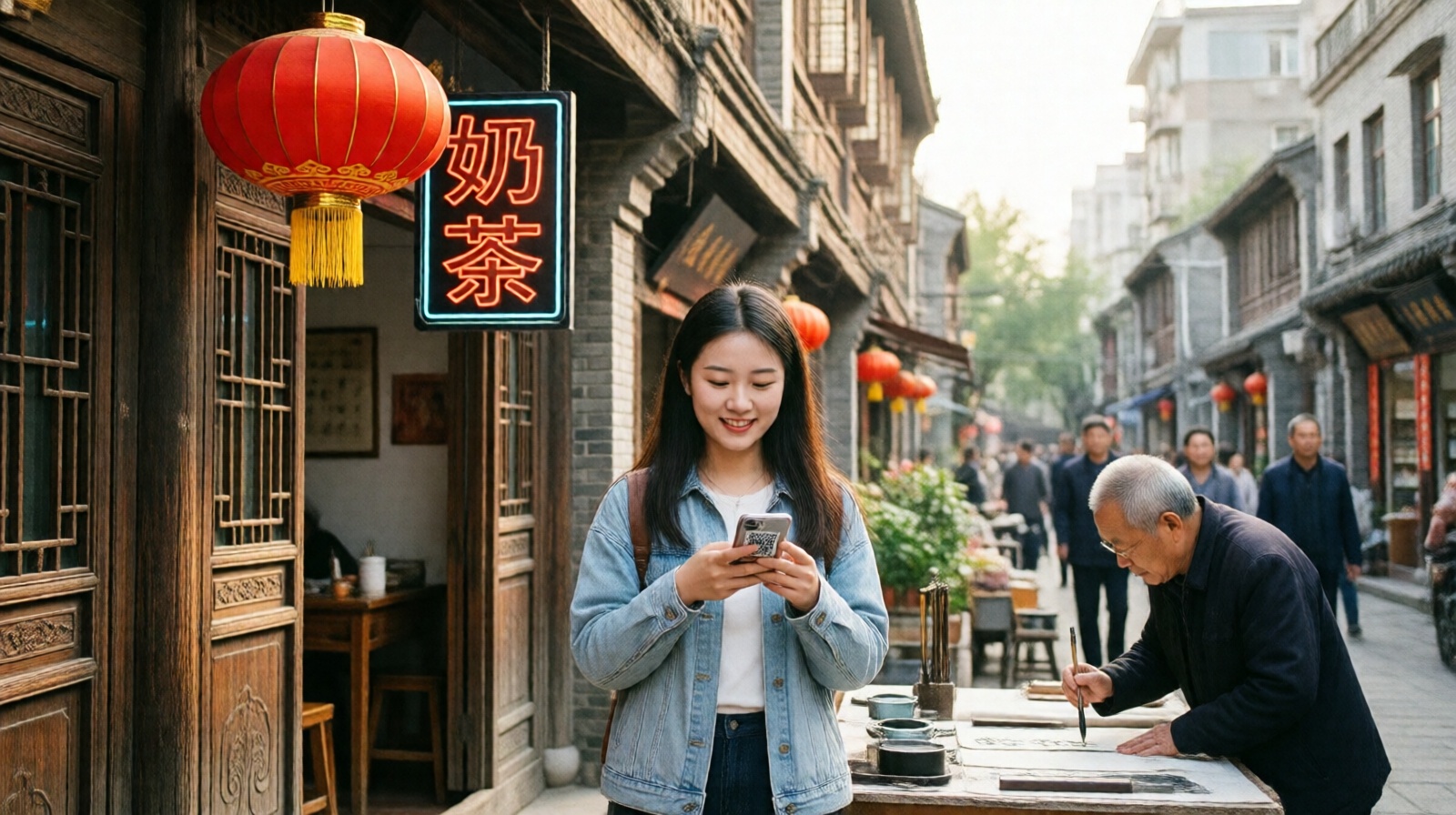

Hello World, Hanzi Here
I’m Hanzi—the characters you see on shop signs, phone screens, and the occasional tattoo that probably doesn’t say what you think it does. For 3,000 years, I’ve been a quiet witness to everything: from farmers cooking dinner on bronze tripods to teenagers livestreaming in neon-lit cafés. Over the centuries, people have asked me: what is China really like? So I thought I’d write you a letter—no official version, just my own stories. Because if I could speak, I’d start with a word you already know: jiā (家).
Home: From Courtyards to Concrete
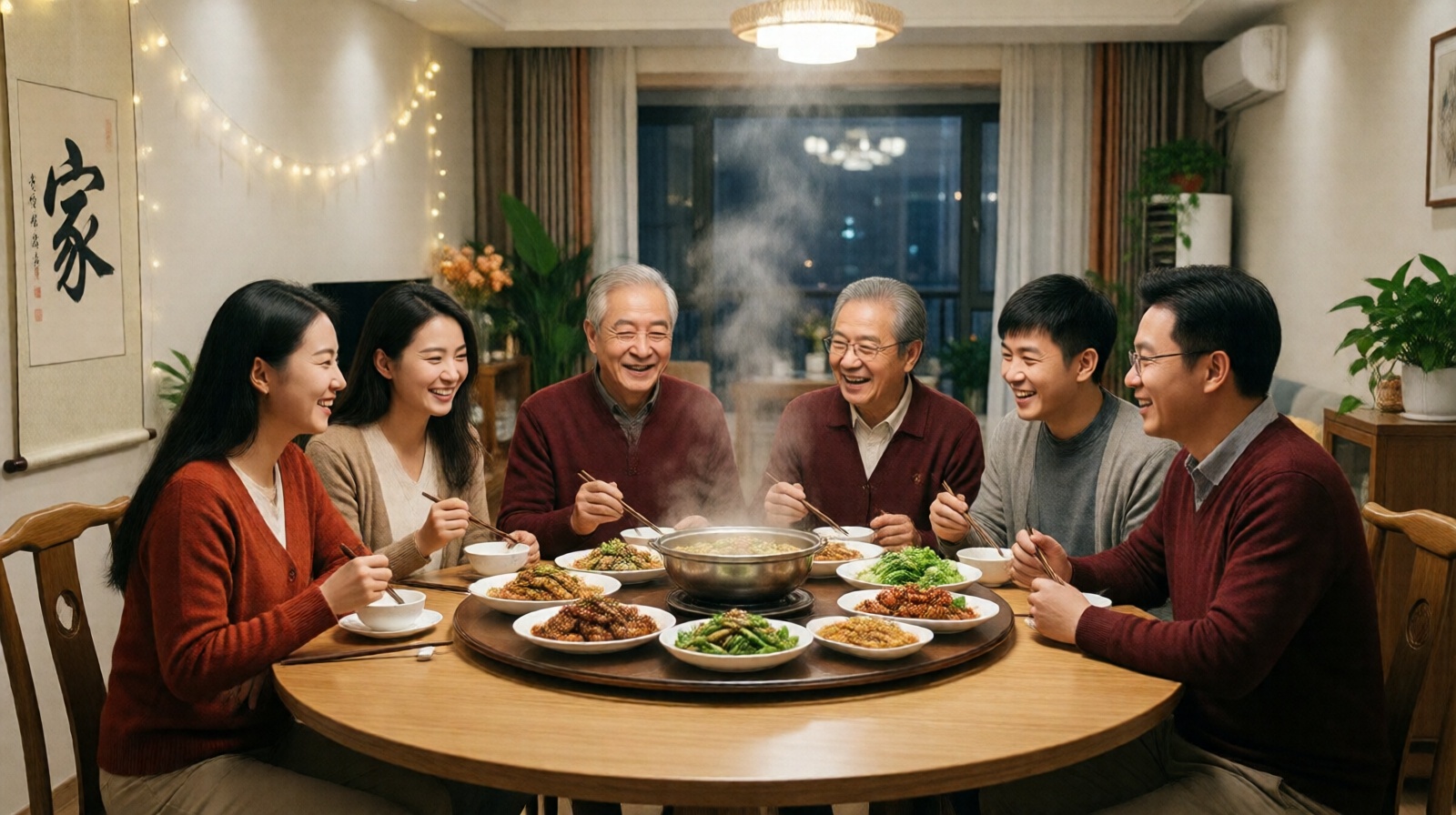
Let’s begin with 家. The character shows a roof (宀) over a pig (豕). Yes, a pig—because in ancient times, a home was where you kept your most valuable food source. Clever, right? Today, most Chinese families don’t raise pigs in the living room, but the roof still stands for shelter and belonging.
But the story has changed. Walk through any Chinese city and you’ll see towering apartment blocks. Twenty years ago, my people crammed into narrow alleyways (hútòng) sharing courtyards and outhouses. Now, the average family lives in a 90-square-meter flat with a sofa, a smart TV, and maybe a delivery robot that brings packages to the door. The home has shifted from communal to private, from ground to sky. Yet the character remains—steady, familiar, like a smell of ginger and soy sauce drifting from a kitchen. That warmth hasn’t vanished. It’s just moved up twenty floors.
The generational gap is real, though. Grandma’s courtyard was a world of neighbors and noise; today’s young professionals live in gated communities with WeChat group chats instead of doorstep chats. But when the Spring Festival comes, millions of people travel home—by train, plane, or electric scooter—and the character 家 becomes the most traveled word on earth. It’s still the anchor.
Network: From Fishing Nets to the Internet
Now take 网 (wǎng). Originally it was a picture of a fishing net—crossed threads with a wooden frame. Fishermen on China’s coast would cast it into the sea, hoping for a good catch. Today, 网 means “network” or “internet.” And what a catch it has become.
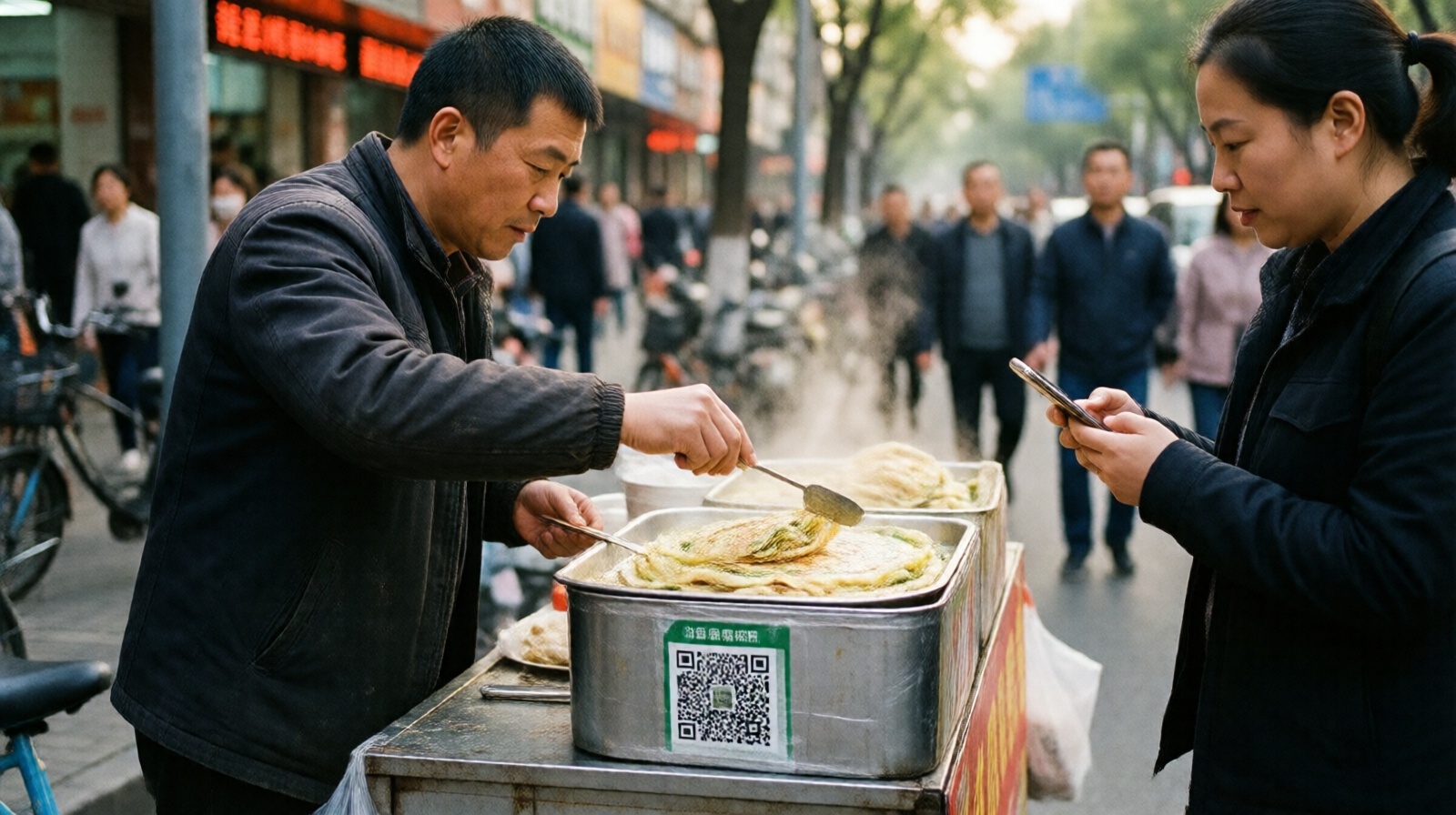
You’ve probably heard China has over one billion internet users. But what does that look like on the ground? Last week, I saw a street vendor selling jiānbǐng (savory crepes) with a QR code taped to his cart. He accepted payment with a beep while flipping eggs. In Shanghai, a taxi driver named Uncle Zhang uses a smartphone app for navigation, orders lunch via food delivery, and video-calls his daughter who works in Shenzhen—all during a red light. The net has woven itself into daily life so seamlessly that people barely notice the threads.
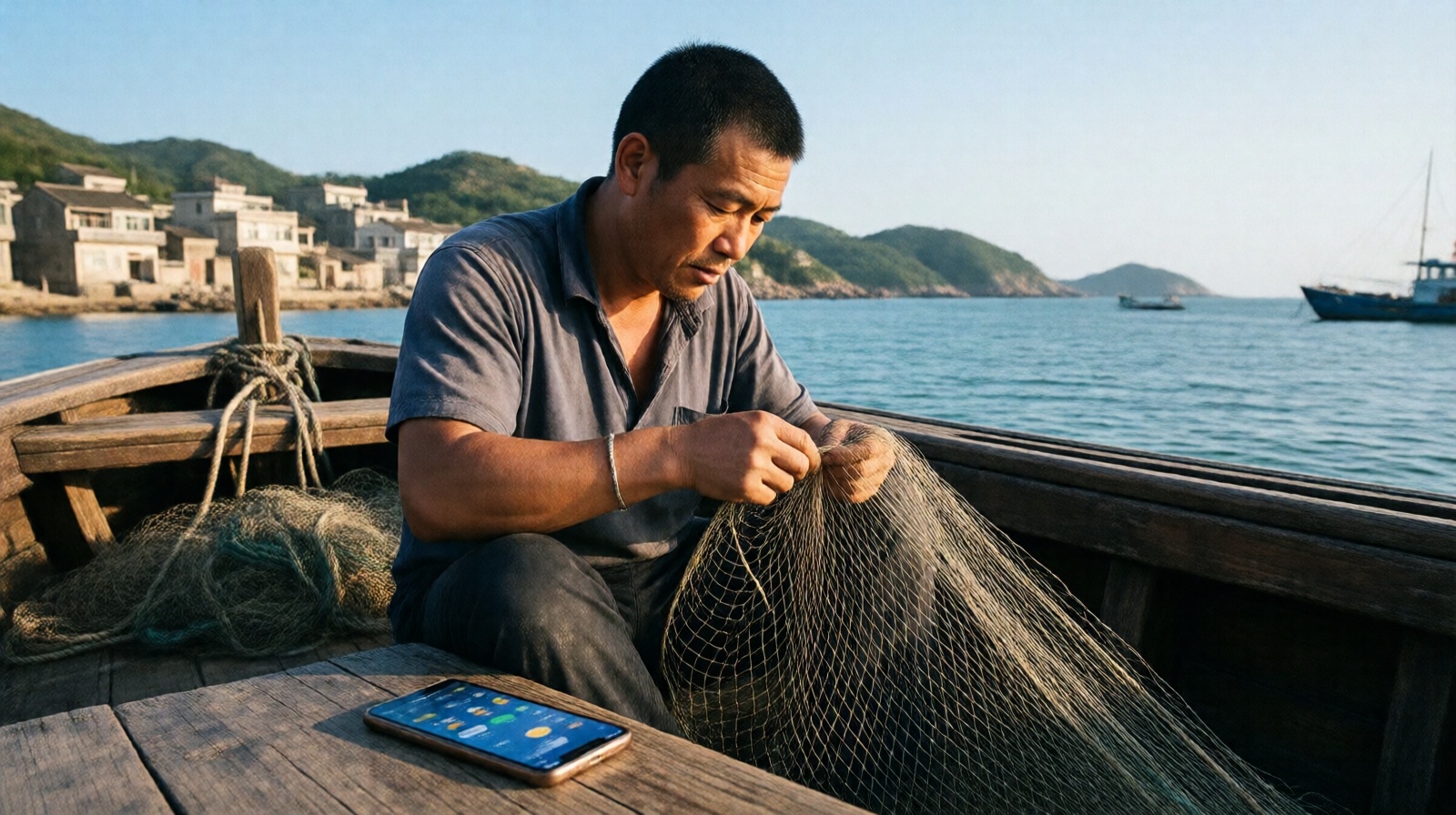
But the old meaning still surfaces. In coastal villages, you’ll see real nets drying in the sun. Kids play by the shore while their grandparents mend the mesh. The character 网 holds both worlds: the ancient rope and the digital cable. And sometimes, they overlap—like when a fisherman uses a smartphone to check the weather before setting sail.
Ritual: How ‘Li’ Adapts to Modern Times
Then there’s 礼 (lǐ), often translated as “ritual” or “propriety.” Confucius wrote whole books about it. For centuries, it meant bowing to elders, pouring tea just so, and never pointing with your chopsticks. Sounds stiff, right? But watch a Chinese family today: a grandchild hands a cup of tea to a grandparent with both hands—not because anyone ordered them to, but because it feels right. That’s 礼 in action.
The form has loosened, though. In business, people still exchange gifts and use honorifics, but they also send heart emojis in WeChat moments. The core idea—respect and harmony—stays alive, just wrapped in new packaging. Take the “red packet”: during Lunar New Year, instead of paper envelopes, families send digital red packets via apps, fighting over who grabs the biggest amount. The ritual adapts; the spirit remains.
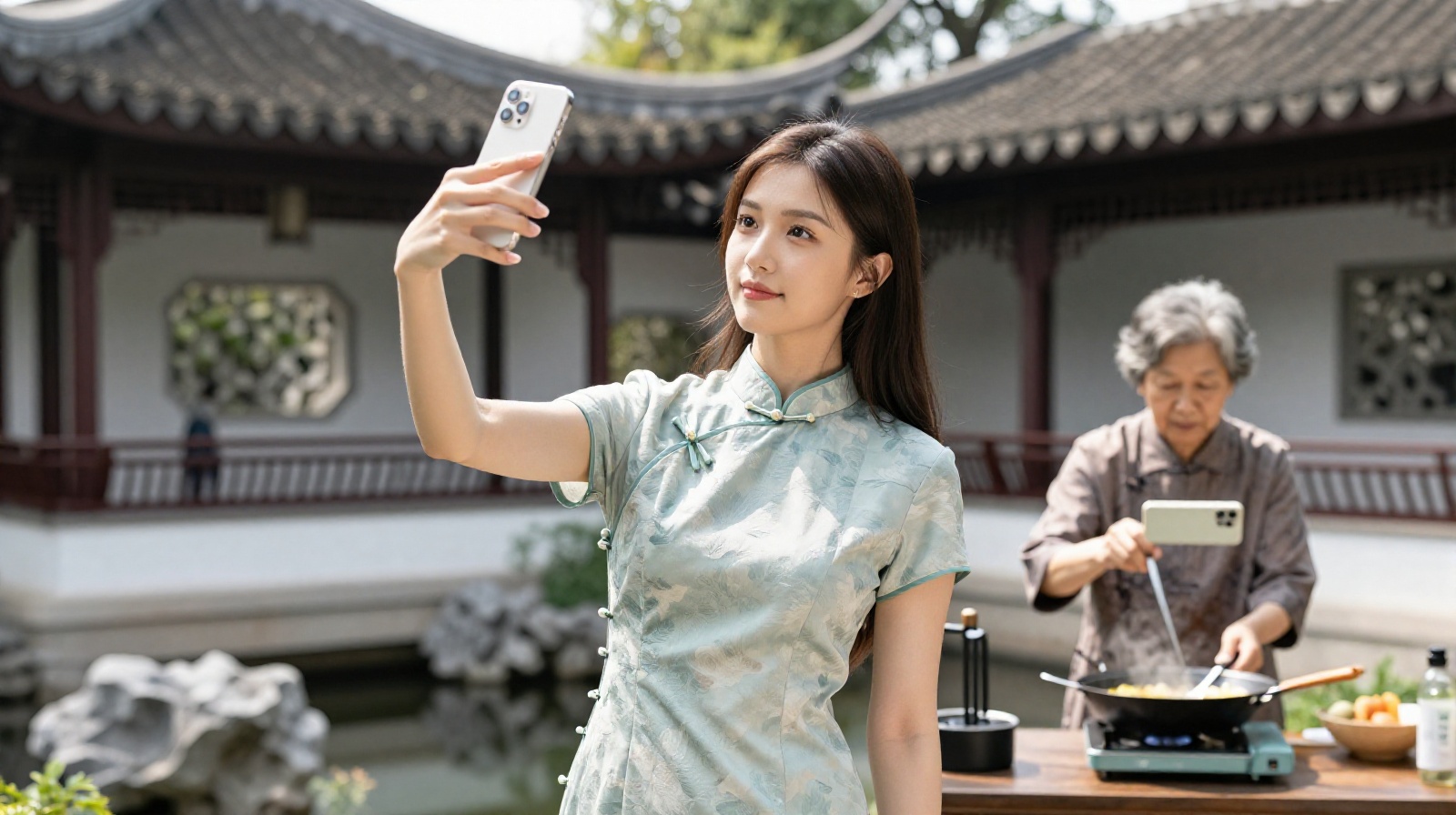
Foreigners often find this balance puzzling: How can a society be so modern yet so traditional? I’d say it’s not either/or. A young fashionista in Guangzhou might wear a qipao-inspired dress while snapping a selfie for Instagram, and her grandmother at the same table might be livestreaming her cooking show. The past and present don’t collide; they dance.
Hanzi: The Key to China’s Real Stories
So what would I, Hanzi, say if I could speak? I’d whisper that China isn’t a mystery to be solved, but a story to be lived—one character at a time. From the pig under the roof to the fish in the net, from bowing to sending emojis, my shapes hold the memories of real people. They breathe with the laughter of street food stalls, the click of keyboards, the rustle of mahjong tiles.
You don’t need to learn 3,000 characters to understand. Just start with one, and let it unfold. 家, 网, 礼—they are letters from a billion lives. And they’re always open to read.