

Introduction
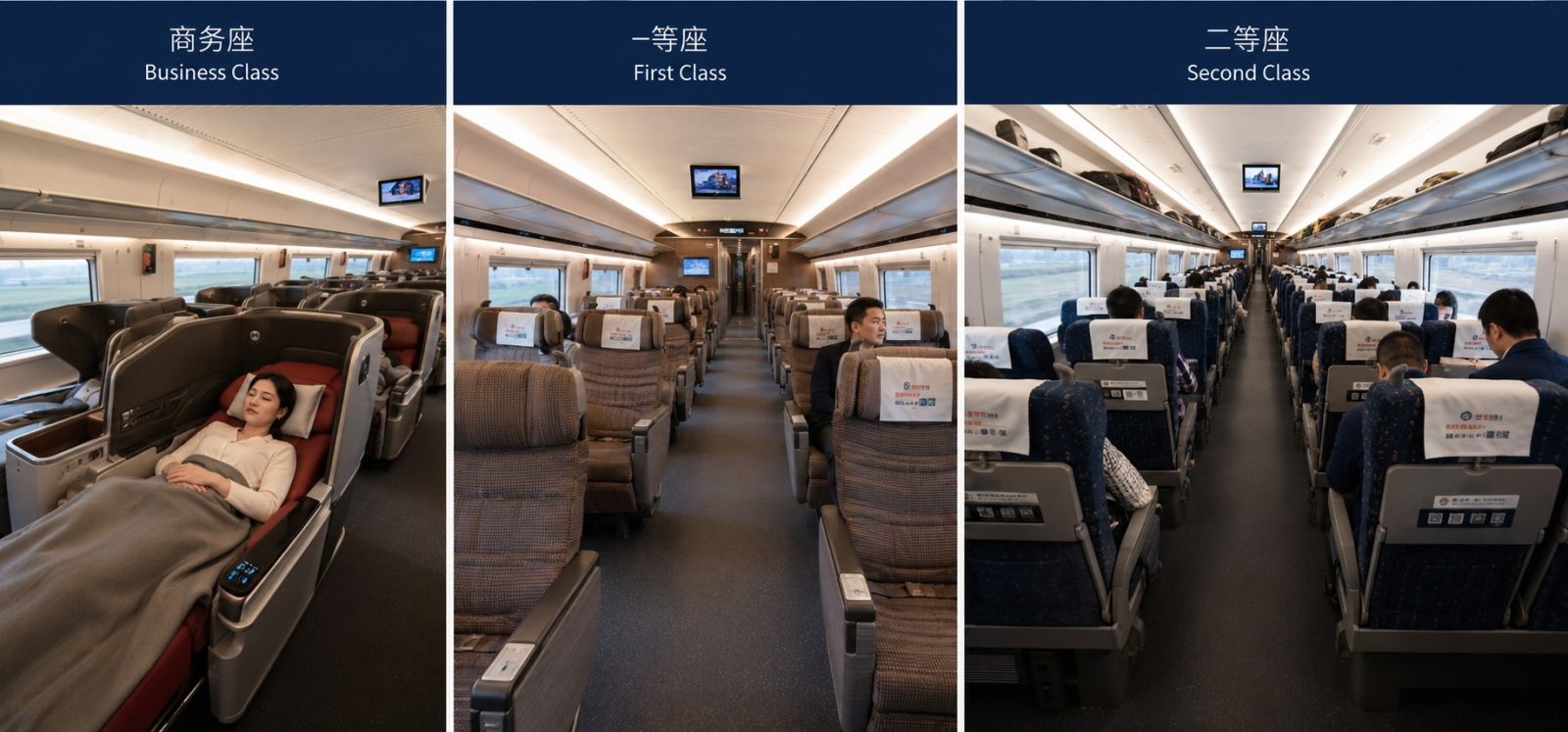
You step into the futuristic waiting hall of a Chinese high-speed rail station, ticket in hand. The board flashes your train number and platform. But behind the gleaming departures screen lies a choice that can make or break your journey: business, first, or second class? As a traveler who has clocked hundreds of hours on China’s bullet trains, I’ve sat in all three. Here’s the honest, seat-level truth to help you decide.
Business Class: The Ultimate Travel Experience
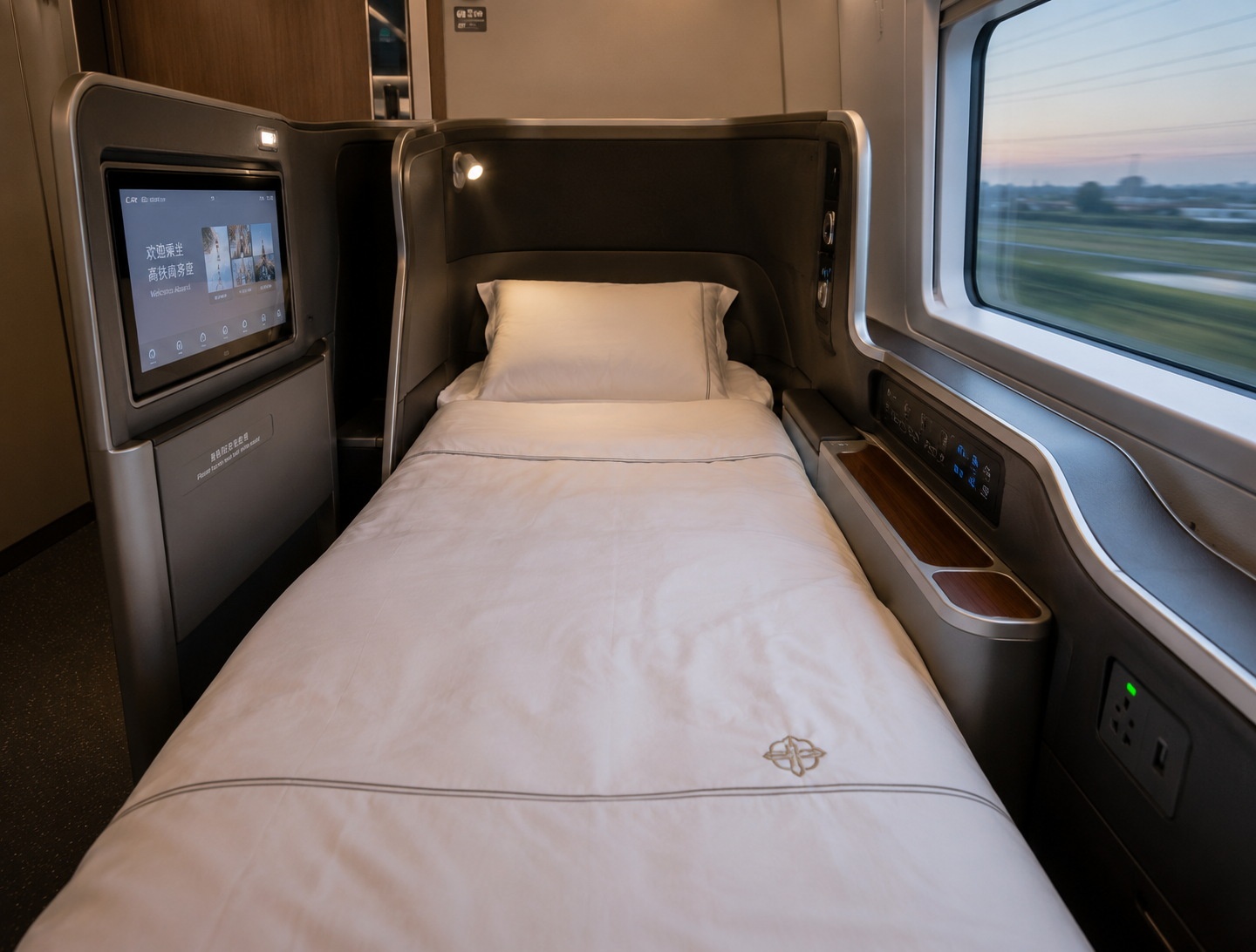
Business class seats are like flying first class, but on rails. They recline fully into a flat bed—yes, a real bed, with a pillow and duvet. You get a dedicated VIP waiting lounge before boarding, with free snacks and drinks. Onboard, expect complimentary meals (on longer routes), hot and cold drinks, and a personal entertainment screen. Power outlets are at arm’s reach, often built into the armrest. This seat is perfect for overnight trains or those longer than 4–5 hours, especially if you value sleep and space. Price: about 3–4 times a second-class ticket on the same route.
First Class: A Good Balance
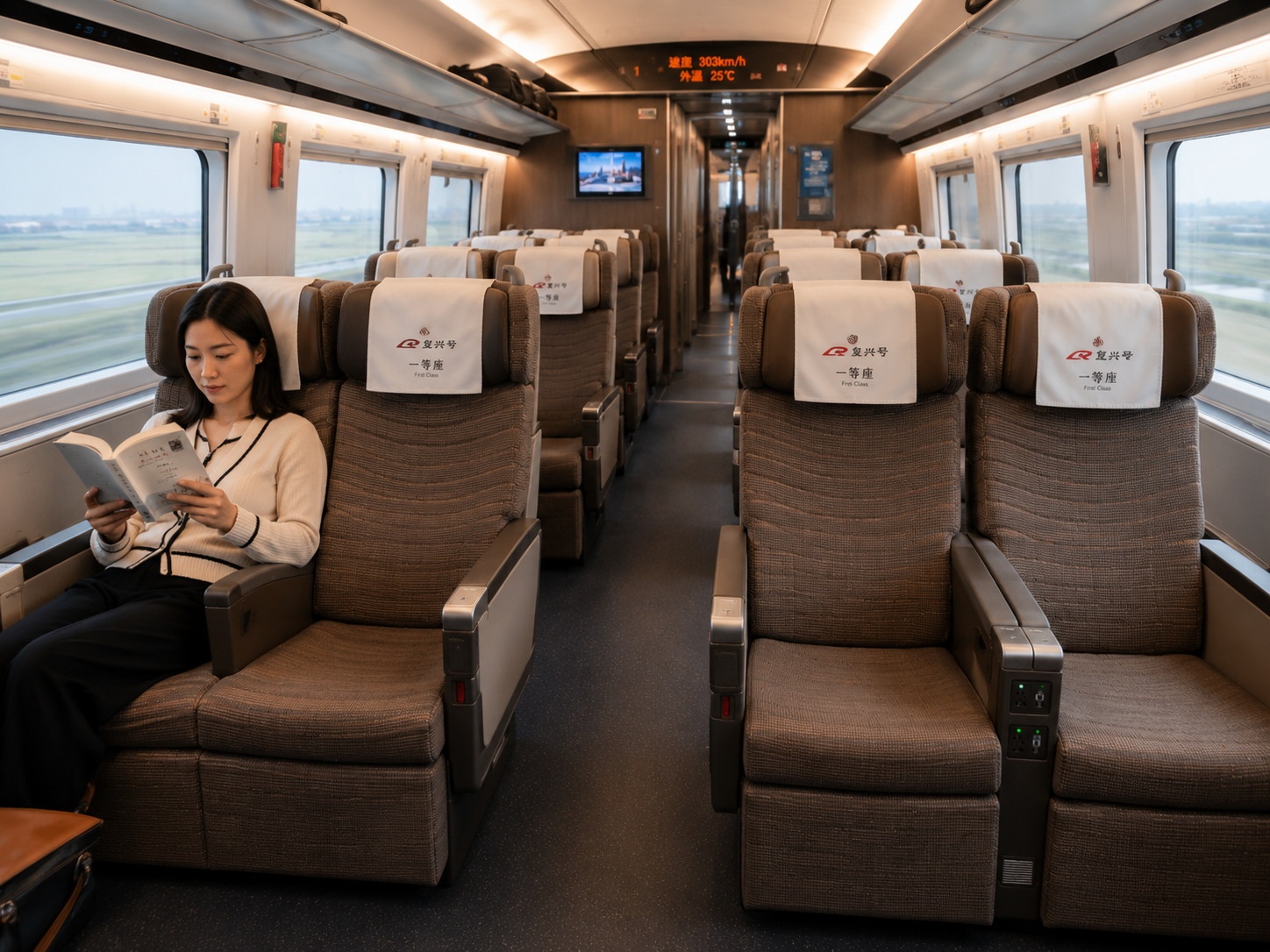
First class seats are wider and more spacious than second class, with a 2+2 configuration (four seats per row) instead of 2+3. They recline to a comfortable angle—not fully flat, but enough to nap. You’ll get a small free snack (like a pack of nuts or crackers) and a cup of tea. Power outlets are between the seats. The quieter carriage is a blessing for reading or working. First class costs about double the second class price. It’s ideal for medium-distance trips (2–4 hours) where you want extra comfort without breaking the bank.
Second Class: Best Value for Money
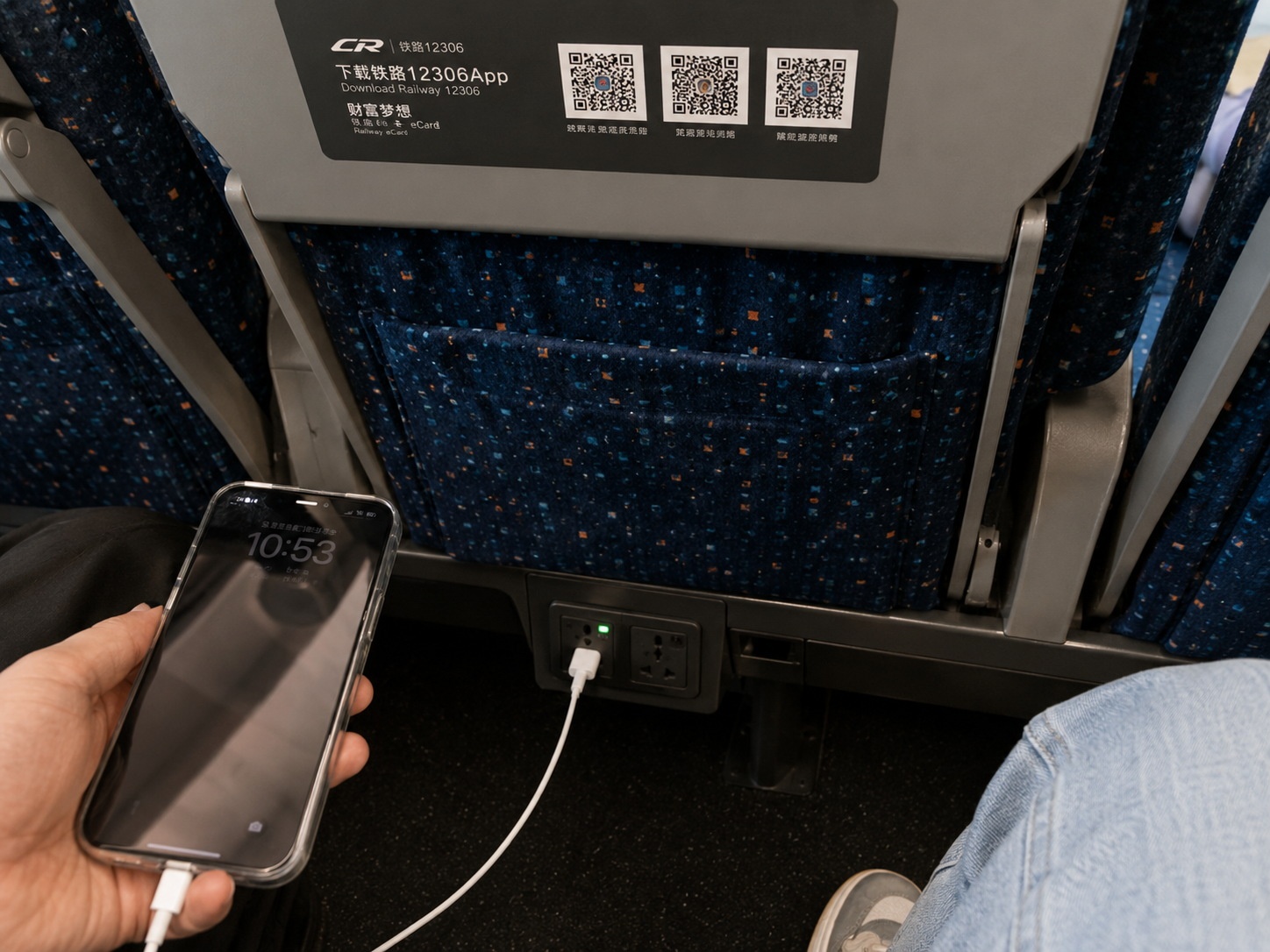
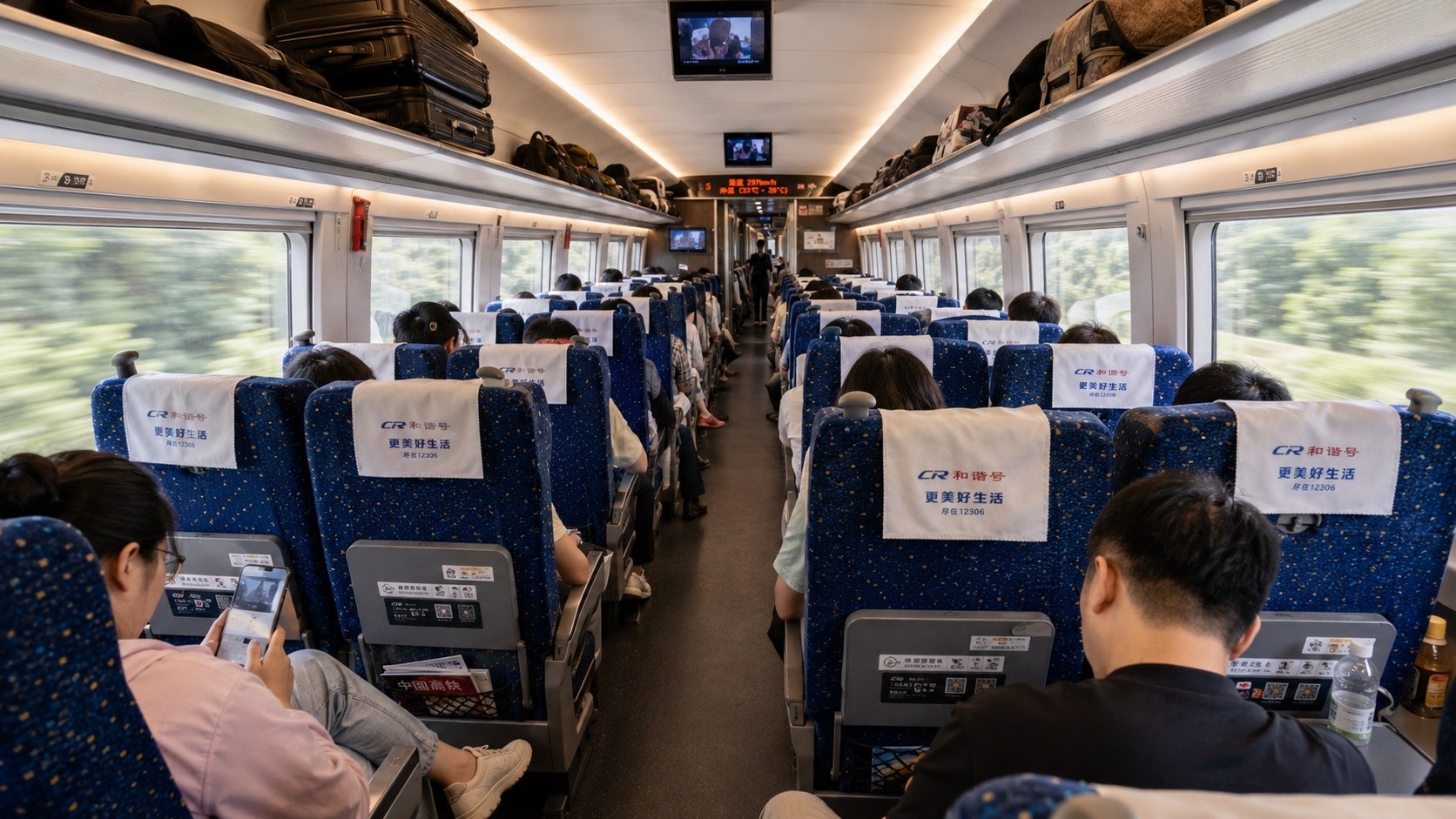
Second class is the economy of high-speed rail—but it’s hardly cramped. Seats are clean, well-padded, and have a decent recline. Legroom is fair, though tall travelers may find it snug. Each seat has a power outlet (often between the seats below the armrest, sometimes hidden). Trains are fast—Beijing to Shanghai in 4.5 hours—so short trips fly by. For under $50 on a 500 km ride, you can’t beat the value. It’s the most popular choice for budget-conscious travelers and short hops (under 2 hours).
Which One Should You Choose?
Here’s my rule of thumb: For trips under 2 hours, pick second class—you’ll arrive relaxed and with money saved. For 2–4 hours, consider first class if you want quieter surroundings and extra elbow room. For anything over 4 hours, or overnight, business class is a game-changer, especially if sleep is a priority. If you’re traveling during peak season (like Chinese New Year), even second class can be a battle for space. Book business class early if you fear crowds. One more tip: always check your seat number and direction—some second class seats face backward, but that’s easy to fix if you mind.
Final Thoughts
China’s high-speed rail is an engineering marvel, but the right seat turns a good ride into a great one. Whether you’re after sleep, space, or savings, there’s a seat for you. Next time you’re at the ticket counter, remember: second class is fine for short hops, first class is a comfortable middle ground, and business class is a luxury worth indulging—when the journey calls for it. Happy travels, and may your seat always face forward.