

The Quiet Morning: Why This Street Matters
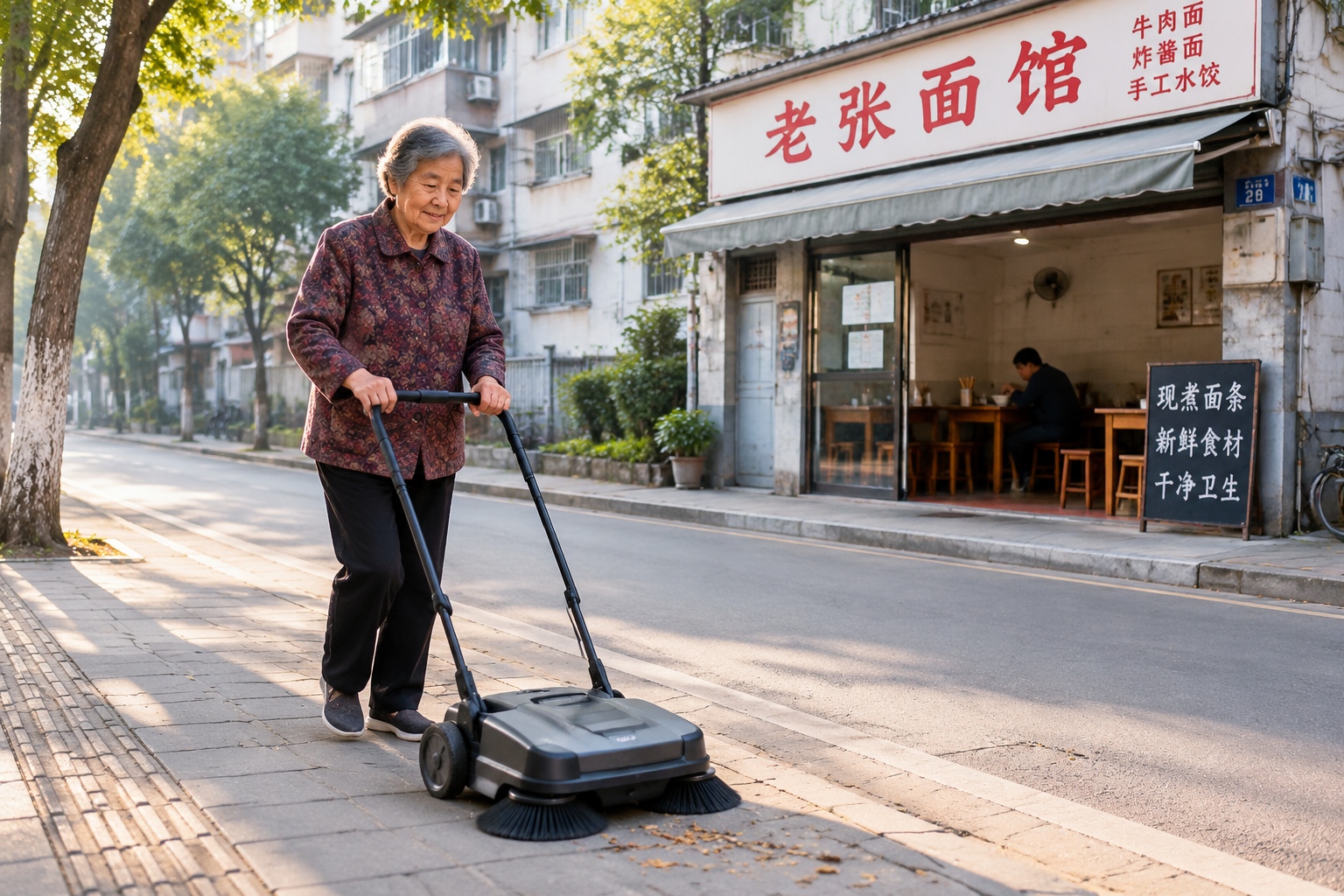
It is 5:45 AM. The air in this Beijing neighborhood is cool, smelling faintly of steamed buns and wet pavement. I am sitting on a plastic stool outside a noodle shop that has been there for twenty years. A woman in her sixties is sweeping the sidewalk, not with a broom, but with a small electric sweeper she bought online last month.
This isn’t the Beijing of tourist brochures. There are no giant neon signs or futuristic towers here. Just concrete apartment blocks from the 1990s, some peeling paint, and a community that feels as lived-in as it is chaotic. I chose this spot because it represents what most foreigners never see: the ground-level reality of China’s urbanization.
Morning Rush: The Digital Commute
By 7:30 AM, the street wakes up. It starts with the hum of electric scooters and bicycles. A young man in a blue vest checks his phone before mounting his bike. He isn’t looking at social media; he’s checking a delivery app route for an order that needs to be dropped off three neighborhoods away.
The subway entrance is already crowded. People swipe their phones or tap contactless cards to enter the turnstiles. No one lines up perfectly, but everyone moves with a practiced efficiency. A group of students laughs while sharing earbuds; a mother in a floral coat holds her child’s hand, navigating through the throng.
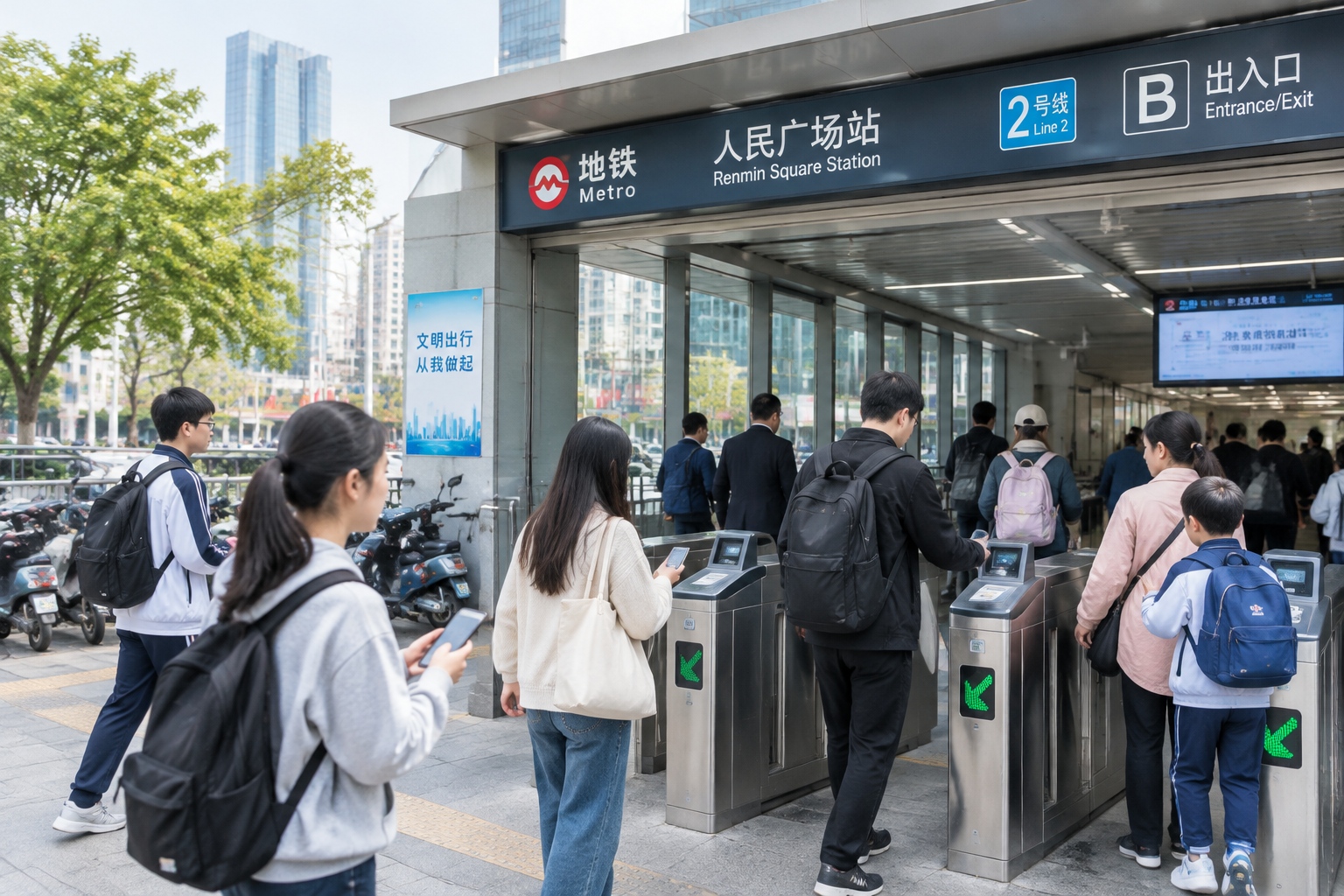
The smartphone is the invisible thread connecting this chaos. It dictates where they go, what they eat, and how they pay. In the past decade, cash has nearly vanished from these streets. Even the elderly woman sweeping earlier paid for her breakfast by scanning a QR code on the counter.
Midday Shift: Work in the Background
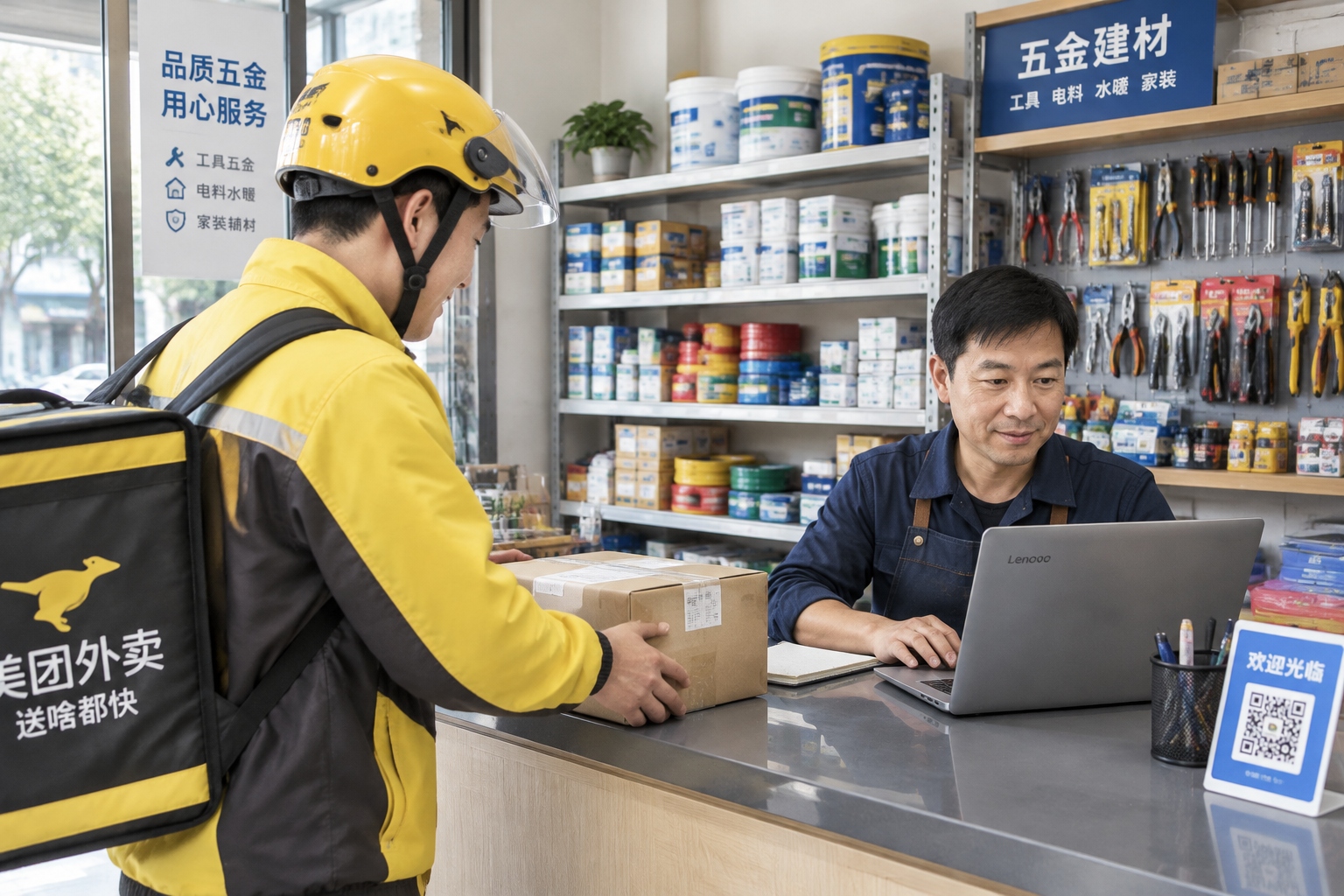
I walk into a small shop selling hardware and kitchenware around 10 AM. The owner, a man named Li, is sitting behind his computer, not waiting for customers. He is managing inventory for an online store while simultaneously chatting with suppliers on WeChat.
This is the new normal for small businesses in China. Physical storefronts often double as fulfillment centers for e-commerce. A delivery rider bursts in to drop off a package destined for Shanghai, and Li scans it with a handheld device. The transaction takes ten seconds.
Further down the street, inside a renovated apartment that serves as a co-working space, three freelancers are on a video call. They speak English to clients in Europe while eating instant noodles. This blend of local tradition and global digital connectivity is happening in thousands of similar apartments across the country.
Afternoon Downtime: The Invisible Committee
At 4 PM, the heat of the day fades. I stop by the community center, a modest room with folding chairs and a whiteboard covered in handwritten notes. This is where the local neighborhood committee meets. They aren’t politicians; they are retired teachers, former factory workers, and neighbors who volunteer.
Today’s agenda: a dispute over a parking spot, a complaint about noise from a nearby renovation, and a plan to fix a broken bench in the small park. The committee member explains how they use a WeChat group with 500 residents to vote on these issues instantly.

It’s not perfect governance, but it is hyper-local responsiveness. When a resident reports a leaky pipe via the app, a worker arrives within hours. This layer of informal, digital-first administration keeps the community running smoothly without heavy-handed bureaucracy.
Evening Glow: Digital Life and Street Food
Night falls around 8 PM. The street transforms into a vibrant food market. Steam rises from woks as cooks flip skewers of lamb and vegetables. But look closer, and you’ll see the technology behind the scene.
A young woman stands in line for roasted sweet potatoes, holding her phone up to livestream the cooking process to thousands of viewers back home. She interacts with comments in real-time, occasionally pausing to eat a bite herself. This is ‘live-commerce’—selling food and goods directly through video streams.

Back at my temporary apartment, I watch neighbors gather on the balcony. They aren’t watching TV; they are scrolling through short-video apps, buying items with one tap, and chatting in voice messages. The boundary between leisure, shopping, and socializing has dissolved.
Beyond the Headlines: A Ground-Level View
By midnight, the street is quiet again. The electric sweeper is parked, the delivery bikes are gone, and the lights in the apartment blocks dim one by one.
This single day reveals more about modern China than any headline ever could. It is not just about GDP growth or high-tech factories. It is about how a grandmother pays for buns with a phone, how a small shop owner manages global logistics from his living room, and how neighbors resolve conflicts through a group chat.
China’s reality is complex, layered, and deeply digital. But at its heart, it remains a place where people are trying to live their lives, navigate change, and find connection in an ordinary community.
Start the discussion at forum.chinacomes.com