


The Day I Threw My Wallet Away
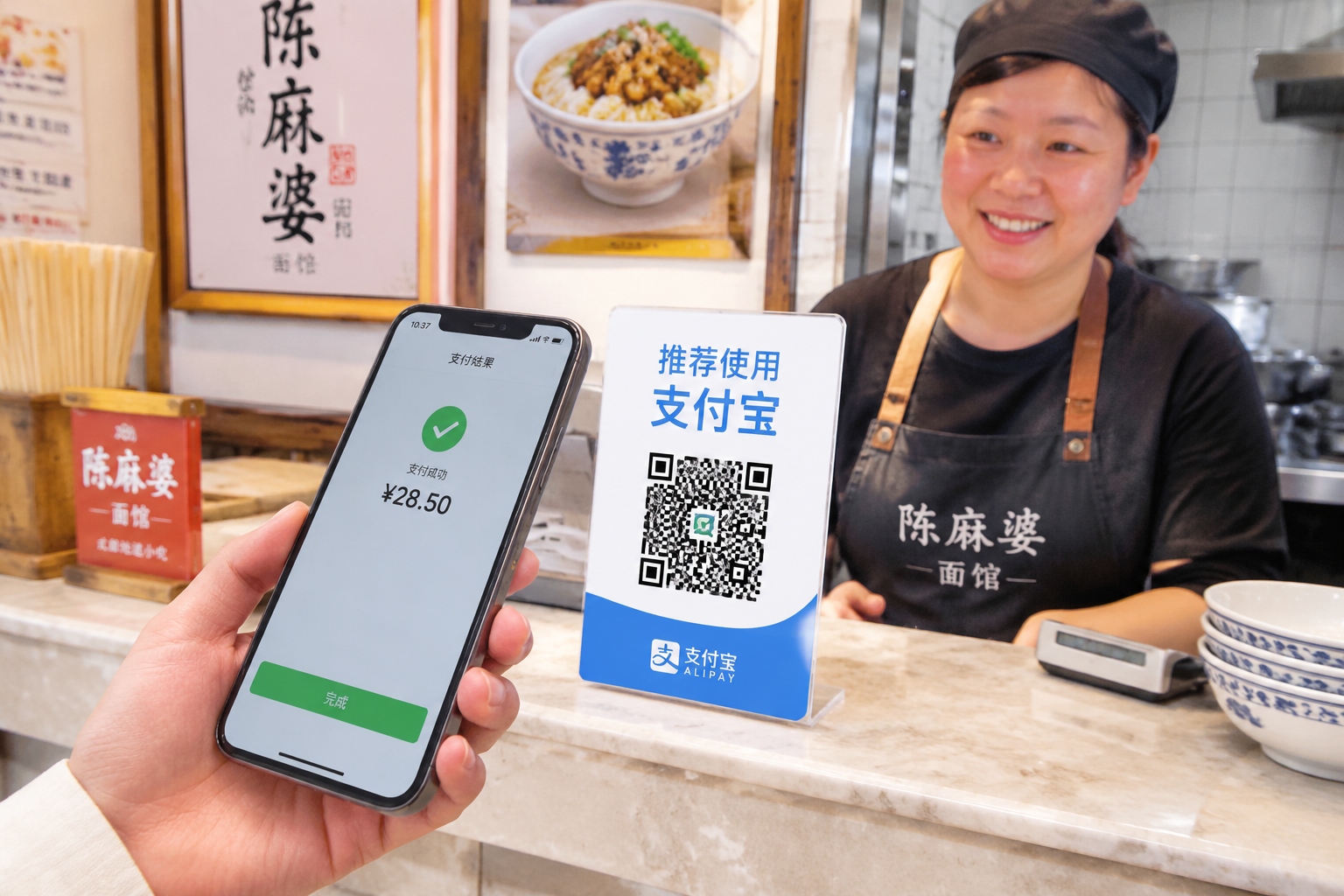
It happened in a busy noodle shop in Chengdu. I reached for my leather wallet, only to find the owner smiling and waving her hand toward a QR code on the wall.
I had traveled to China expecting cash or credit cards. Instead, I found myself scanning a square image with my phone, paying 18 yuan (about $2.50) instantly, and walking out without ever touching paper money again that day.
That moment marked my transition from carrying cash to living the “one phone for everything” lifestyle. In cities like Shanghai, Beijing, or Shenzhen, physical wallets have become historical artifacts in daily life.
How It Works: From Subway to Street Food
The ecosystem is built on two giants: WeChat Pay and Alipay. Both are embedded inside super-apps that handle messaging, social media, shopping, and payments simultaneously.
Here is the typical flow for a visitor:
- Shopping: Open the app, scan the merchant’s QR code, or let them scan yours. The transaction happens in seconds.
- Dining: Even small street vendors display laminated codes on their carts. You order via your phone and pay immediately.
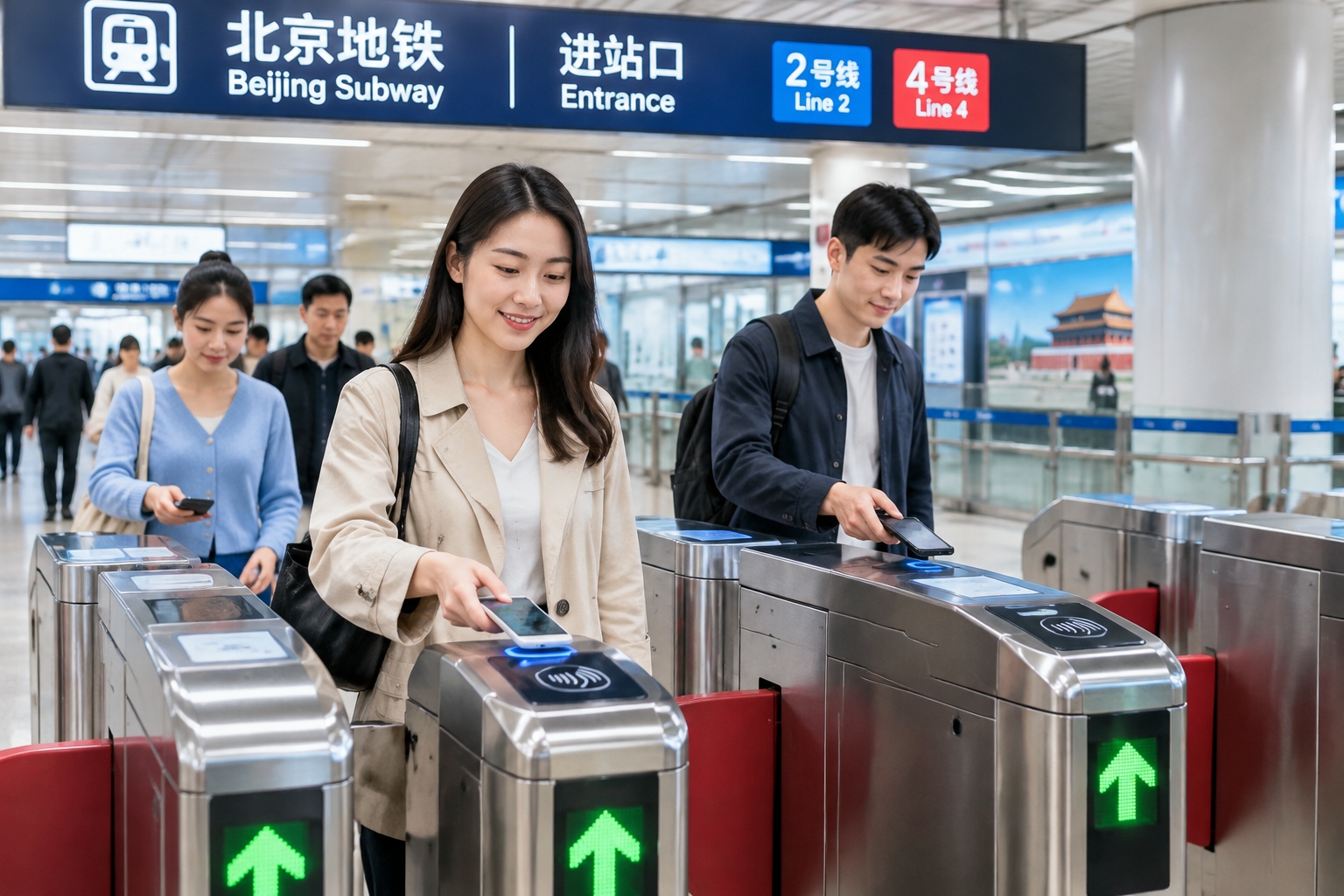
- Transportation: Subway stations have apps where you tap your phone to enter gates, no physical tickets needed.
This isn’t just about convenience; it’s about speed. In the West, a checkout might take 3 minutes with card readers and signatures. Here, it takes 15 seconds.
The Super-App Ecosystem
Why does this work so well? Because these apps are not just wallets. They are operating systems for daily life.
With WeChat or Alipay, you can:
- Pay utility bills and rent.
- Hire a doctor for online consultations.
- Book train tickets and hotel rooms.
- Rent bikes from street corners via QR codes.
The infrastructure is so dense that even elderly neighbors often use these apps to send red envelopes (digital gifts) during festivals. The penetration rate in urban areas exceeds 85%, making cash the exception rather than the rule.

What If? Challenges for Foreigners
While this system is seamless, it isn’t without hurdles for visitors unfamiliar with China’s digital landscape.
The Setup Hurdle: You need a Chinese bank account or a foreign card linked to Alipay/WeChat. Recently, both platforms have improved international card linking, allowing tourists to scan and pay directly using Visa or Mastercard from home countries.
The Connectivity Problem: Payments require an internet connection. If you lose data service in a remote area or your phone battery dies, you are stuck. Unlike Western cards that can sometimes work offline for small amounts, Chinese QR payments are strictly online.
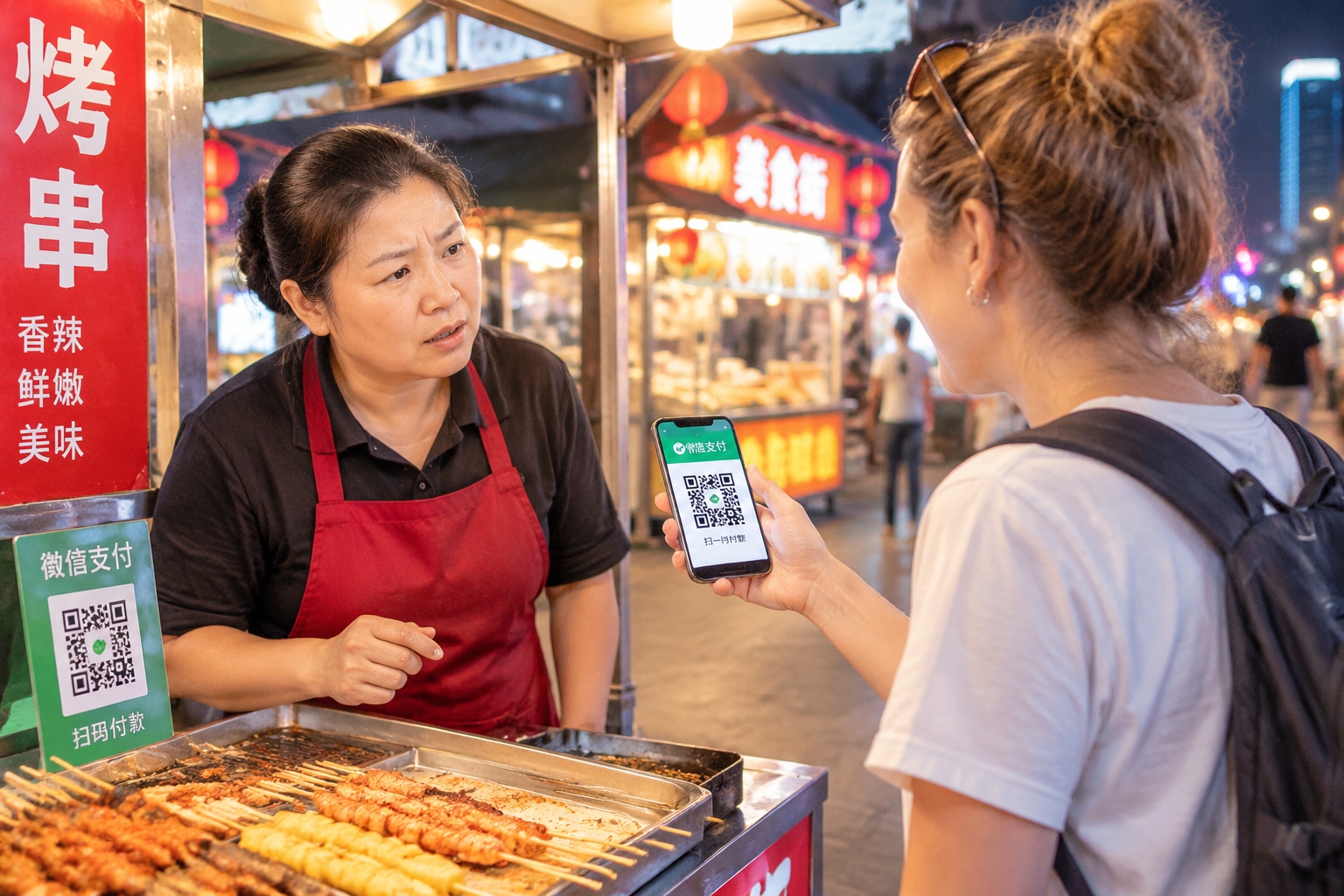
The Human Element: Occasionally, you might encounter an elderly vendor who cannot read the code on your screen. In these rare cases, having a small amount of cash (100 yuan notes) is still a wise backup plan.
Living Without Cash: A New Normal
For long-term residents and frequent travelers, the shift to a cashless society feels less like a change and more like an upgrade. The friction of counting coins, worrying about counterfeit bills, or carrying heavy wallets vanishes.
However, it requires a mindset shift. You no longer carry a physical wallet; you carry your identity, your bank account, and your entire financial life in a device that must be charged daily.
Understanding this reality is key to navigating modern China. It’s not just about technology; it’s about how society has organized itself around digital efficiency.
Start the discussion at forum.chinacomes.com