

The Modern Village Square
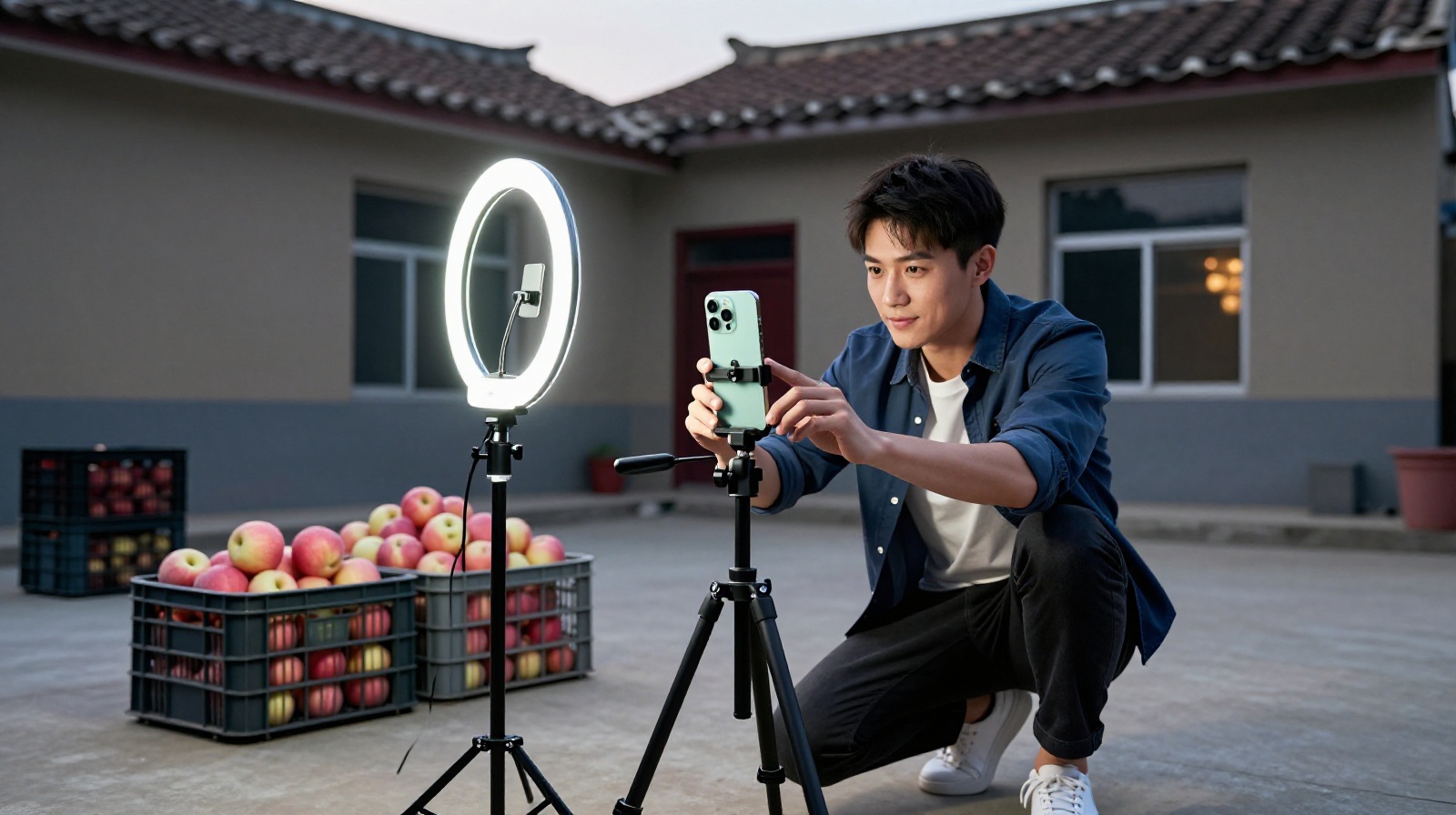
At 7:30 PM in Linyi County, Shandong, the air is cool, but inside a converted storage room, it is hot. Lin Wei, a 24-year-old local resident, adjusts a ring light that costs less than 50 yuan. He is not in a studio in Shanghai or Beijing. He is in his family’s courtyard, surrounded by crates of red apples. For the next three hours, he will speak rapidly into a smartphone mounted on a tripod, demonstrating the crispness of the fruit to an audience of 12,000 people watching live on Douyin.
Fifty years ago, communication in this part of China meant walking miles to a village mailbox or waiting for a weekly newspaper. Today, the “village square” has moved online. The screen serves as the new public space where information, commerce, and culture flow freely. For Lin and thousands like him, the internet is no longer a luxury; it is the primary infrastructure of their livelihood.
This phenomenon represents an invisible bridge. It connects the isolated corners of rural China with the bustling consumption hubs of its megacities. The gap between the urban elite and the rural majority, once defined by lack of access, is now being narrowed by fiber optics and 4G/5G signals.
Beyond the Glitz: The Real Tools of Connection
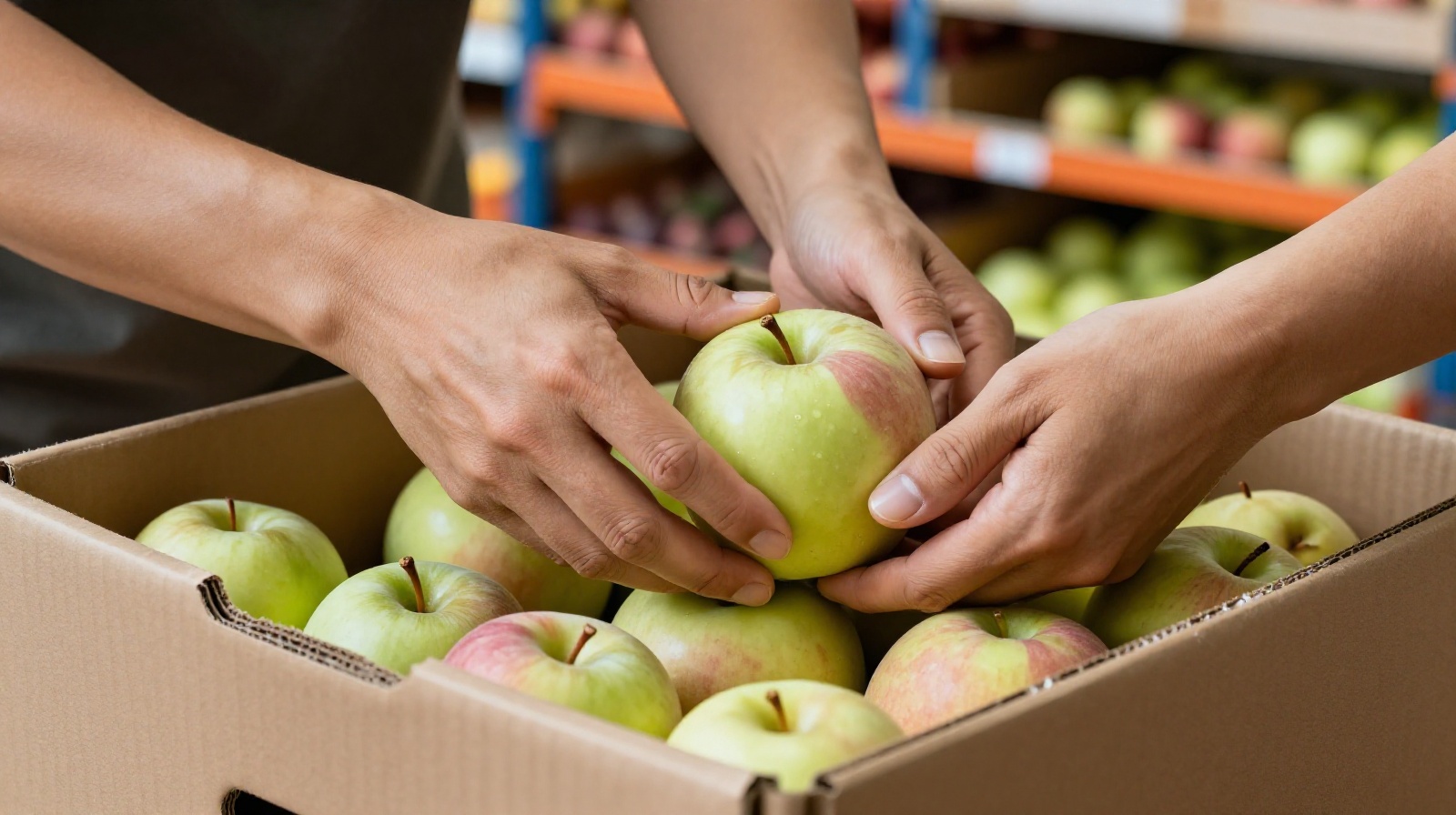
The narrative often focuses on the stars—the influencers who become millionaires overnight. But the real story lies in the mundane, unglamorous infrastructure that makes those streams possible. China has invested heavily in digital public goods, ensuring that even remote villages have high-speed connectivity.
In Linyi, the connection is reliable. The smartphone Lin uses is an entry-level model, but it can handle high-definition video streaming without buffering. More importantly, the logistics network reaches his doorstep. A fleet of blue delivery trucks navigates the narrow village roads, picking up packages every afternoon. This is not a future concept; it is current reality. In 2023, China’s rural e-commerce sales exceeded 2.5 trillion yuan, a figure driven by this seamless integration of digital access and physical distribution.
Platforms like Douyin (the Chinese version of TikTok) and Kuaishou are not just entertainment apps. They are commercial ecosystems. They provide the tools for farmers to edit videos, manage orders, and interact with customers. The technology is practical. It turns a farmer’s knowledge of his land into marketable content.
Stories from the Ground: Farmers and Craftsmen
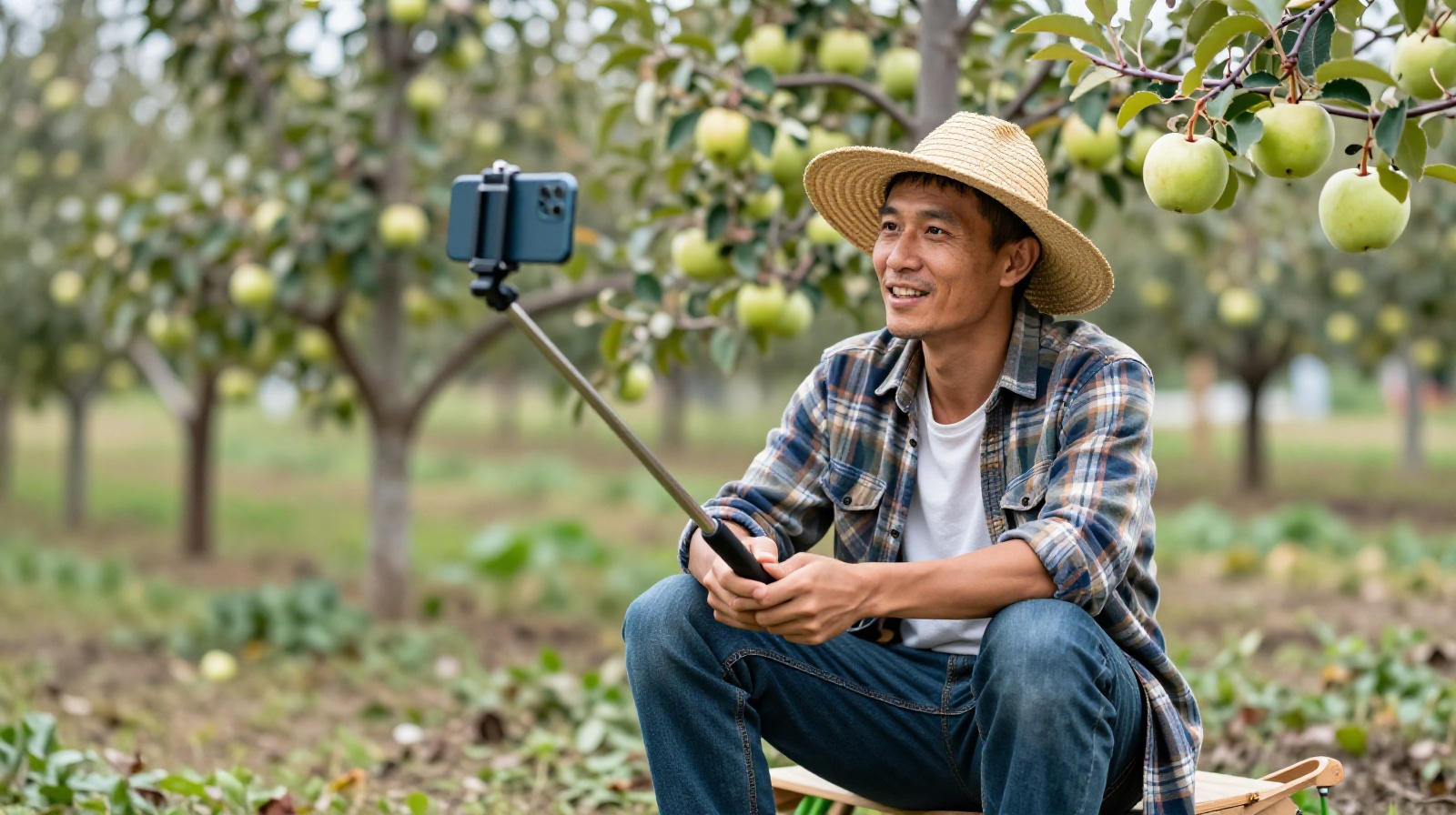
The impact is best understood through specific lives. Consider Zhang Hua, a fruit farmer in Shaanxi province. Previously, Zhang relied on middlemen who would arrive at his orchard with lowball offers, knowing he had no other option. If the produce didn’t sell quickly, it would rot. Now, Zhang livestreams from his trees. He shows the dew on the apples, the soil, and his own hands picking them. City dwellers in Guangzhou or Chengdu buy directly from him, paying a fair price that ensures his income while offering fresher fruit to the buyer.
Then there is Li Na, a ceramic artist in Jingdezhen’s surrounding villages. Her workshop is small, filled with the smell of clay and wood fire. Through short videos, she demonstrates the ancient process of making blue-and-white porcelain. Her audience is not just domestic; it includes collectors in Europe and Southeast Asia. The internet has given her craft a global stage, transforming a local tradition into a sustainable business. She is not just selling pots; she is selling a narrative of heritage and skill.

Changing Perceptions: The City Meets the Village
This digital bridge works in both directions. It is not just about goods flowing from rural to urban areas; it is also about perceptions shifting. For many young urbanites, rural life was previously associated with backwardness or poverty. Livestreaming has humanized the countryside.
When viewers watch a farmer explain the nuances of soil pH or an artisan discuss the history of a craft, stereotypes dissolve. The rural becomes vibrant, skilled, and worthy of respect. This mutual visibility creates a new social contract. Cities gain access to authentic food and culture; villages gain income and dignity. It is a form of cultural exchange that happens in real-time, mediated by algorithms but driven by human connection.
Challenges and Reality Check
However, the picture is not entirely rosy. The digital economy is competitive. For every Lin Wei who succeeds, there are hundreds who struggle to gain traction. The algorithms are opaque and constantly changing. A farmer might spend weeks creating content only to have it ignored by the platform’s feed.
There is also the physical toll. Livestreaming is exhausting work. It requires constant energy, creativity, and resilience against rejection. Not everyone has the personality for it. Furthermore, while infrastructure is improving, quality varies. Some remote areas still face issues with internet stability or last-mile delivery costs.
Government support plays a crucial role here. Initiatives to train rural residents in digital skills are expanding. But ultimately, success depends on individual hustle and adaptability. It is a new frontier with its own risks and rewards.
A New Chapter in Chinese Rural Life
The rise of rural influencers is more than an economic trend; it is a social transformation. It is reshaping how China understands itself. The urban-rural divide, a persistent challenge for decades, is being softened by the flow of data and commerce.
For people like Lin Wei, this is about more than making a living. It is about voice and visibility. It is about proving that life in a remote village can be modern, connected, and prosperous. The bridge they are building is invisible, made of code and signals, but its impact is tangible. It connects the past to the future, and the village to the world.