

Introduction: The Scene
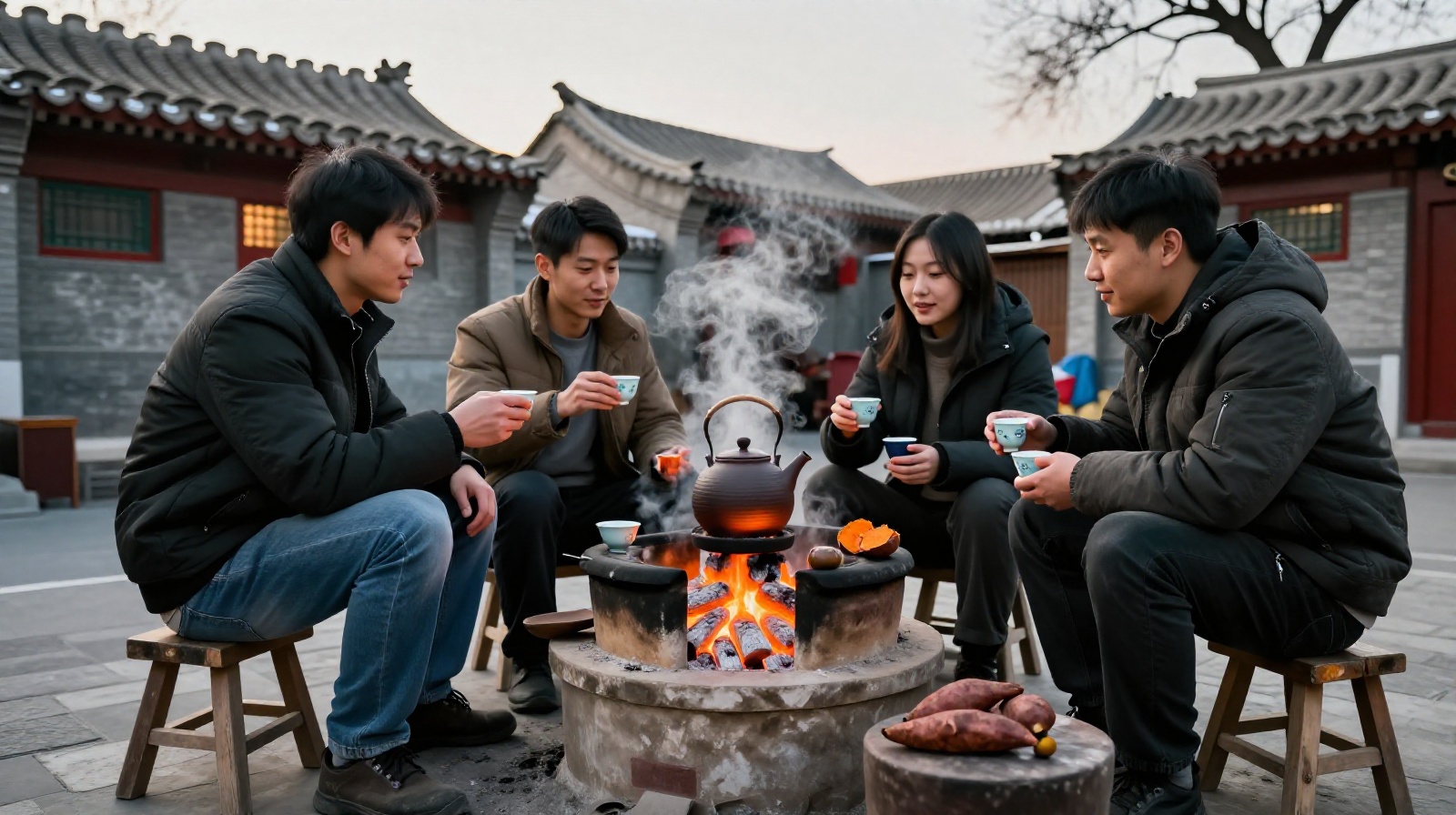
It’s a brisk Saturday afternoon in late November. Inside a converted courtyard in Beijing’s Dongcheng district, the air smells of charcoal smoke and roasted tangerines. Around a low clay stove, six friends in their mid-twenties sit on wooden stools, passing a ceramic teapot from hand to hand. The stove glows orange through the gaps in the lid; sweet potatoes and chestnuts are half-buried in the embers. One of them, 27-year-old graphic designer Li Wei, scrolls briefly through her phone, then puts it face-down on the table. “This is the only time I don’t feel the urge to check notifications,” she says, pouring herself another cup of amber-colored tea. This is weilu zhucha—stove-brewed tea—and it has become one of the most unlikely social trends among China’s urban youth.
Why Stove-Brewed Tea? The Experience
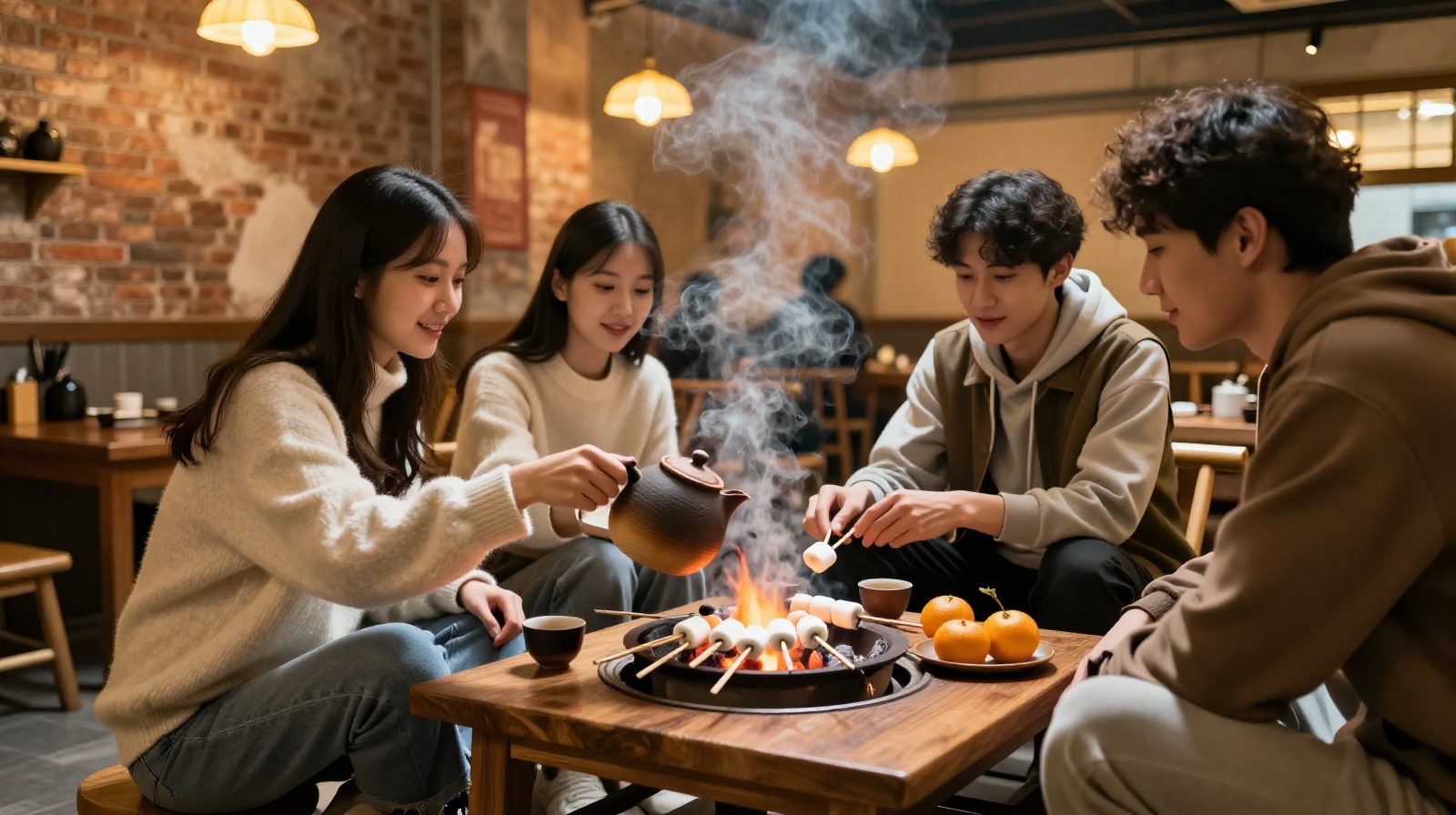
At its core, stove-brewed tea is remarkably simple. A small charcoal brazier, a clay teapot, loose-leaf tea, and a few snacks that can be roasted over the fire: tangerines, sweet potatoes, chestnuts, even marshmallows. The tea is not brewed with the elaborate precision of a traditional gongfu ceremony. Instead, it’s a leisurely, almost casual process—pouring hot water over leaves, letting them steep, adding more water as the conversation flows.
The appeal is deeply sensory. The crackle of burning charcoal, the earthy aroma of tea mixing with the sweet smell of roasting fruit, the warmth radiating from the stove on a cold day. For many young people, this is a stark contrast to the sterile, air-conditioned environments of chain coffee shops or the silent, screen-lit tables of fast-food restaurants.
Socially, stove-brewed tea creates an unusual intimacy. The small stove forces everyone to sit close together, sharing the heat and the food. There’s no menu to order from, no waitstaff interrupting. The host (or the tea-making volunteer) controls the pace. Conversations tend to be slower, deeper, and more meandering. “It’s better than dinner because you’re not chewing, and better than a café because you’re not staring at a screen,” explains Chen Yu, a 29-year-old marketer from Chengdu who organizes weekly stove-tea gatherings with friends. “We actually talk—about our lives, our anxieties, things that matter.”
Psychological Needs: Slow Life and Digital Detox
Behind the trend lies a generation grappling with burnout. Many young Chinese work long hours in high-pressure jobs, spend hours commuting, and rely on short-form videos and instant messaging for social interaction. The appeal of stove-brewed tea is precisely its slowness. A single session can last two to three hours. There’s no goal, no productivity. You simply sit, wait for the water to boil, and let time pass.
Psychologists in China have noted that the ritual provides a form of “active rest”—an activity that requires just enough attention to keep the mind from wandering back to work, but not so much that it adds stress. The tactile elements—poking the coals, peeling a roasted chestnut—also serve as a grounding exercise, pulling people into the present moment.
At the same time, stove-brewed tea satisfies a nostalgic craving. For many urban Chinese born in the 1990s and 2000s, the image of a coal stove evokes childhood memories of winters spent at grandparents’ homes, where heating was provided by a similar stove and the family gathered around it to eat roasted snacks. The trend reimagines that warmth in a format that feels both familiar and new.
Comparison with Traditional Tea Culture
Unlike formal tea ceremonies, which can seem intimidating with their strict protocols and specialized utensils, stove-brewed tea is deliberately casual. There is no right or wrong way to do it. You can use cheap tea or premium pu’er; you can roast marshmallows alongside traditional persimmons. The focus is on atmosphere, not technique.
Cost is another factor. A typical stove-brewed tea experience at a teahouse costs between 50 and 100 RMB (about $7 to $14) per person, including tea and snacks. That makes it significantly more affordable than high-end tea houses, where a single pot can cost upwards of 200 RMB. Many venues also operate on a per-person, time-unlimited basis, encouraging customers to linger.
Social Media: The Photo Worth a Thousand Likes
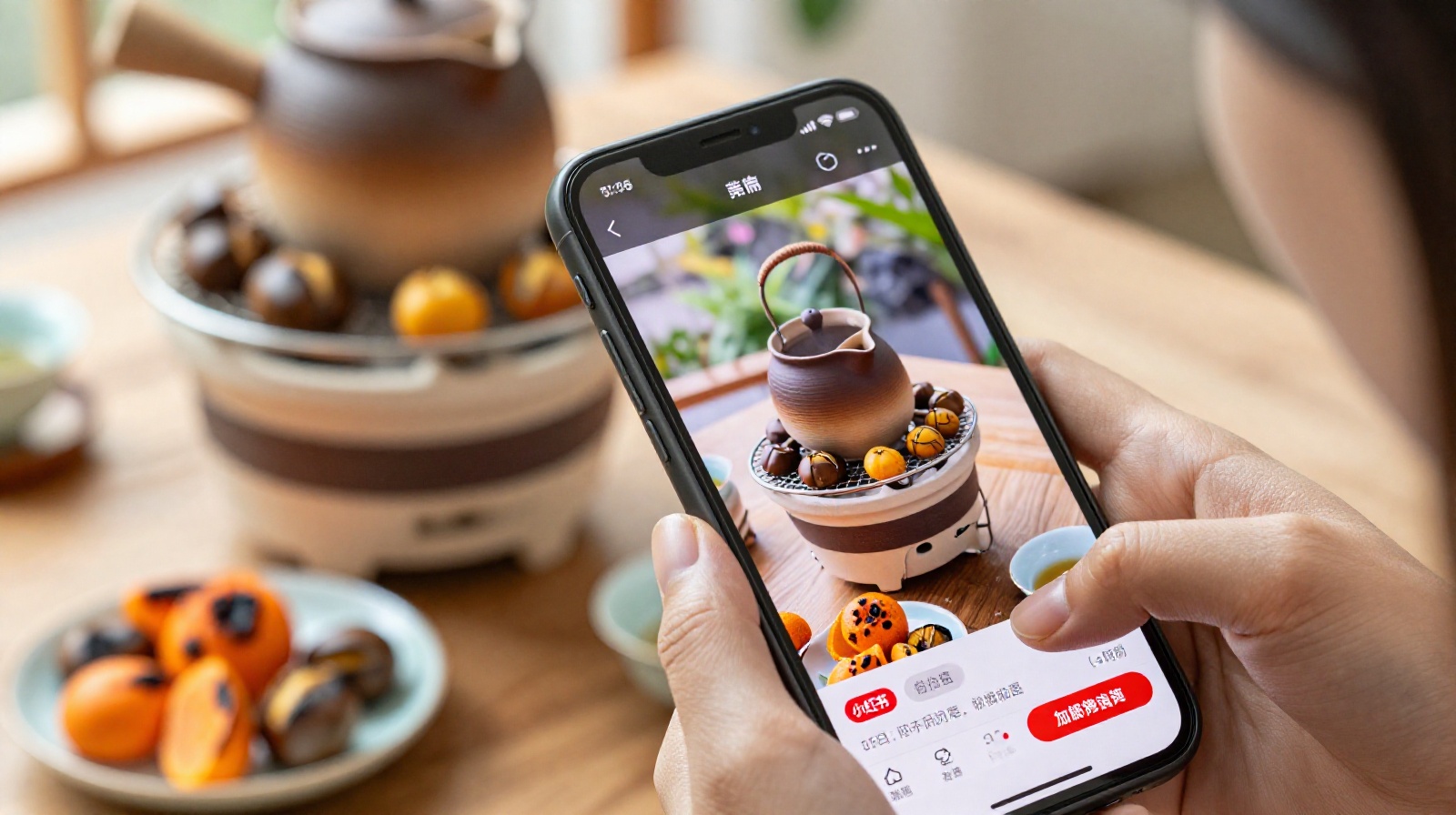
It would be incomplete to discuss stove-brewed tea without mentioning social media. Platforms like Xiaohongshu (Little Red Book) and Douyin (TikTok’s Chinese counterpart) have been instrumental in popularizing the trend. A search for #围炉煮茶 yields over 500 million views on Douyin. The visual appeal is undeniable: a glowing brazier, steam curling upward, golden roasted chestnuts artfully arranged—it’s a photographer’s dream.
Many young people first encountered the trend through short videos or aesthetically curated posts. They then visit the venues themselves, often taking photos or recording their own sessions to share online. This creates a virtuous cycle: the more the trend is shared, the more venues open, and the more affordable and accessible it becomes.
But for regular participants like Chen Yu, the social media aspect is secondary. “Sure, I take a picture to remember the moment. But the real joy is being there, with real people, in the real world,” she says.
Conclusion: A Search for Real Connection
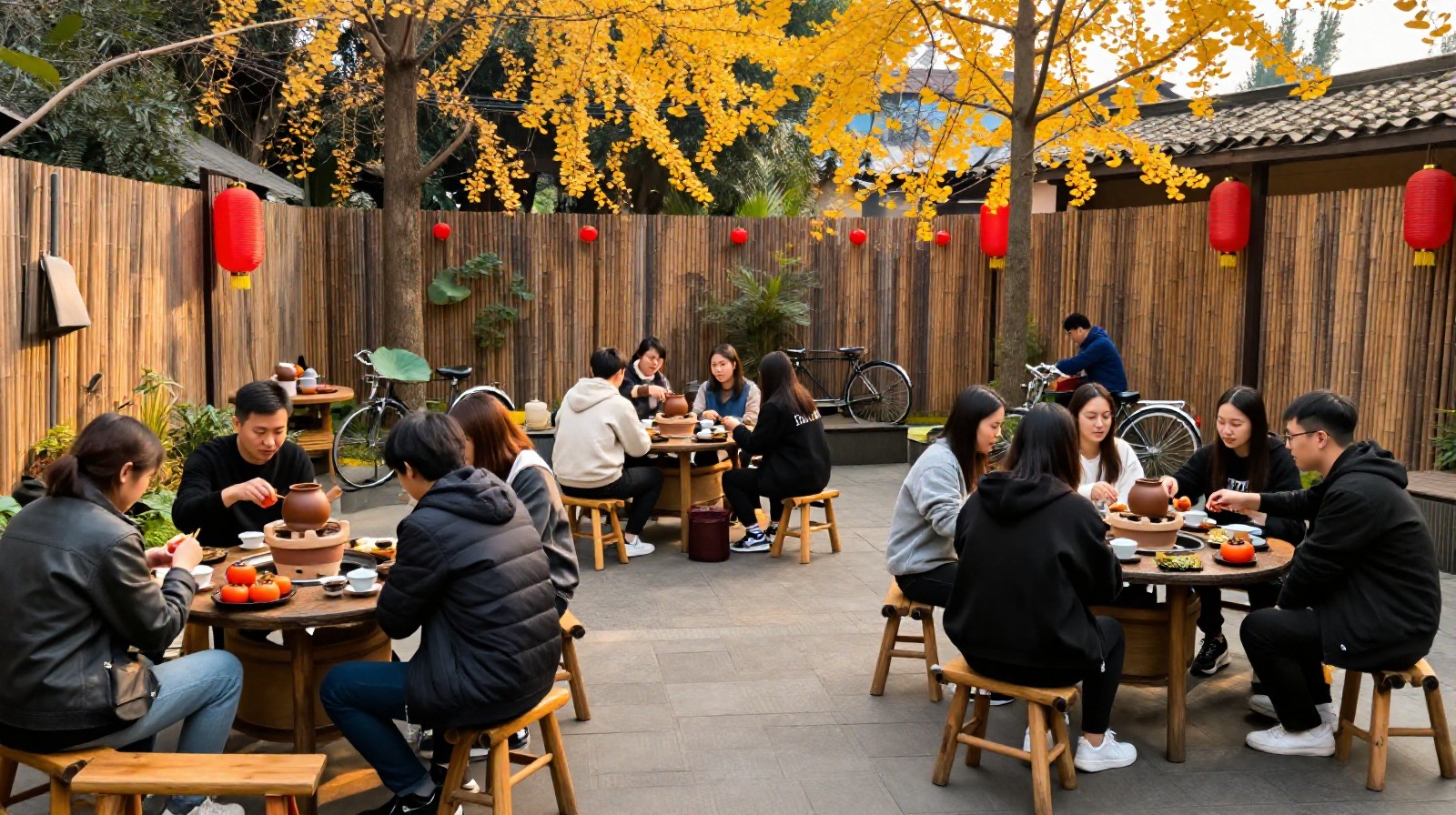
Stove-brewed tea is more than a fad. It reflects a generation’s desire to slow down, to disconnect from the digital world, and to reconnect with tangible experiences and each other. In a time when loneliness is widespread and social media often substitutes for genuine interaction, the simple act of sitting around a stove, sharing tea and roasted snacks, has become a quiet act of resistance.
When Li Wei finally puts her phone away for the afternoon, she does so not because she has to, but because she wants to. The stove crackles. The tea is hot. The people across from her are 30 centimeters away, not 3,000 kilometers.