

The Scent of Uniformity
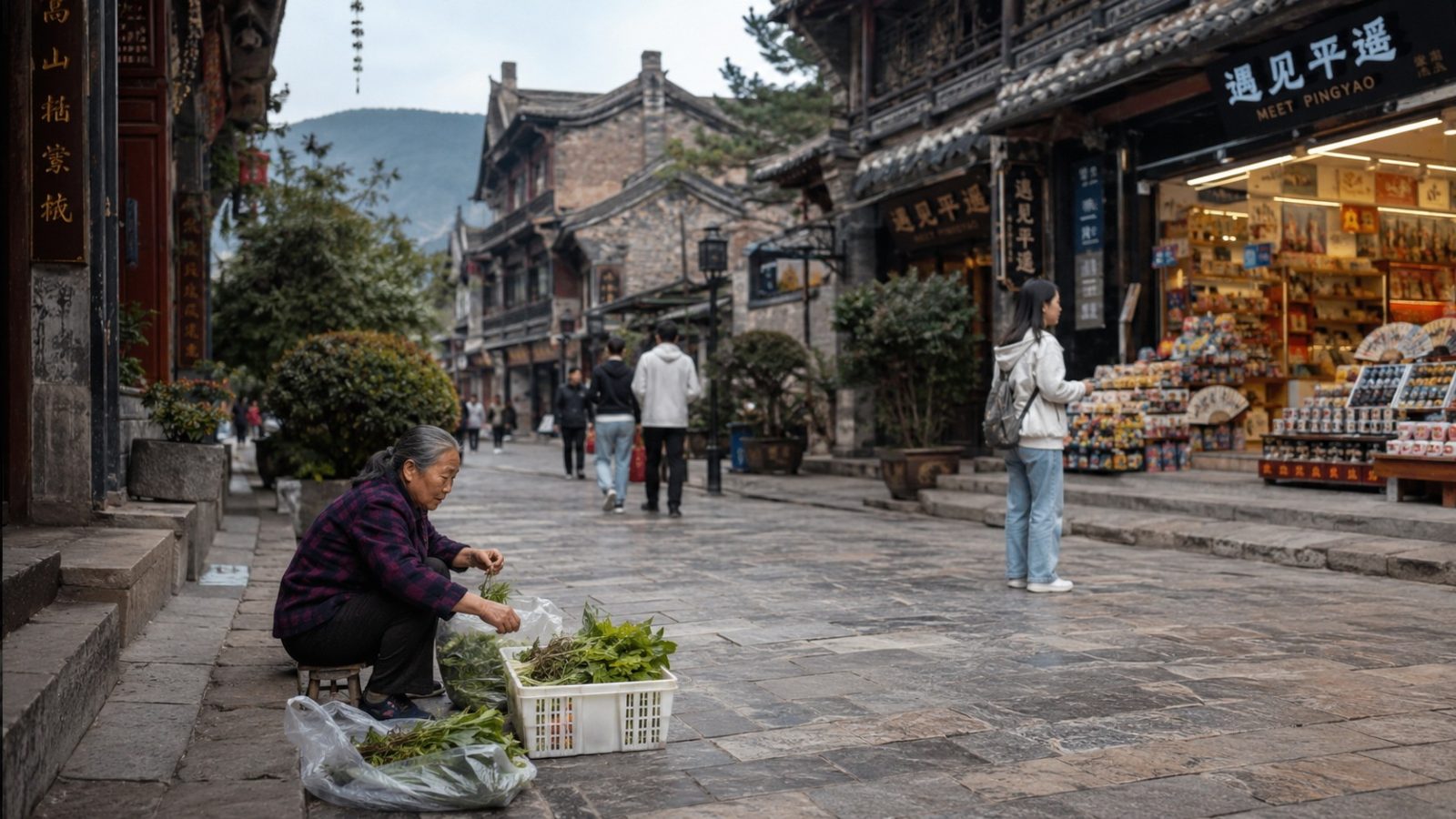
It is 10 a.m. on a rainy Tuesday in Wuzhen, a famous water town in eastern China. The stone streets are slick with mist. I stop at a shop window displaying intricate silver necklaces and embroidered silk scarves. The craftsmanship looks exquisite, the price tag says “handmade,” and the owner insists these items are traditional local crafts.
But something feels off. Ten minutes later, in a different ancient town in Yunnan province, I see the exact same silver necklaces. The embroidery pattern is identical. Even the smell of “traditional” stinky tofu wafting from street stalls seems suspiciously uniform, lacking the distinct, pungent fermentation aroma of authentic regional varieties.
This is not a coincidence. It is the reality of China’s modern tourism economy. For travelers seeking authentic cultural experiences, this homogenization can be frustrating. But understanding the supply chain behind these souvenirs changes everything.
The Source: It’s Not Local, It’s Wholesale
Here is the secret most tour guides won’t tell you: if an ancient town has fewer than 5,000 permanent residents, it likely does not have the industrial capacity to produce all the goods sold in its souvenir shops.
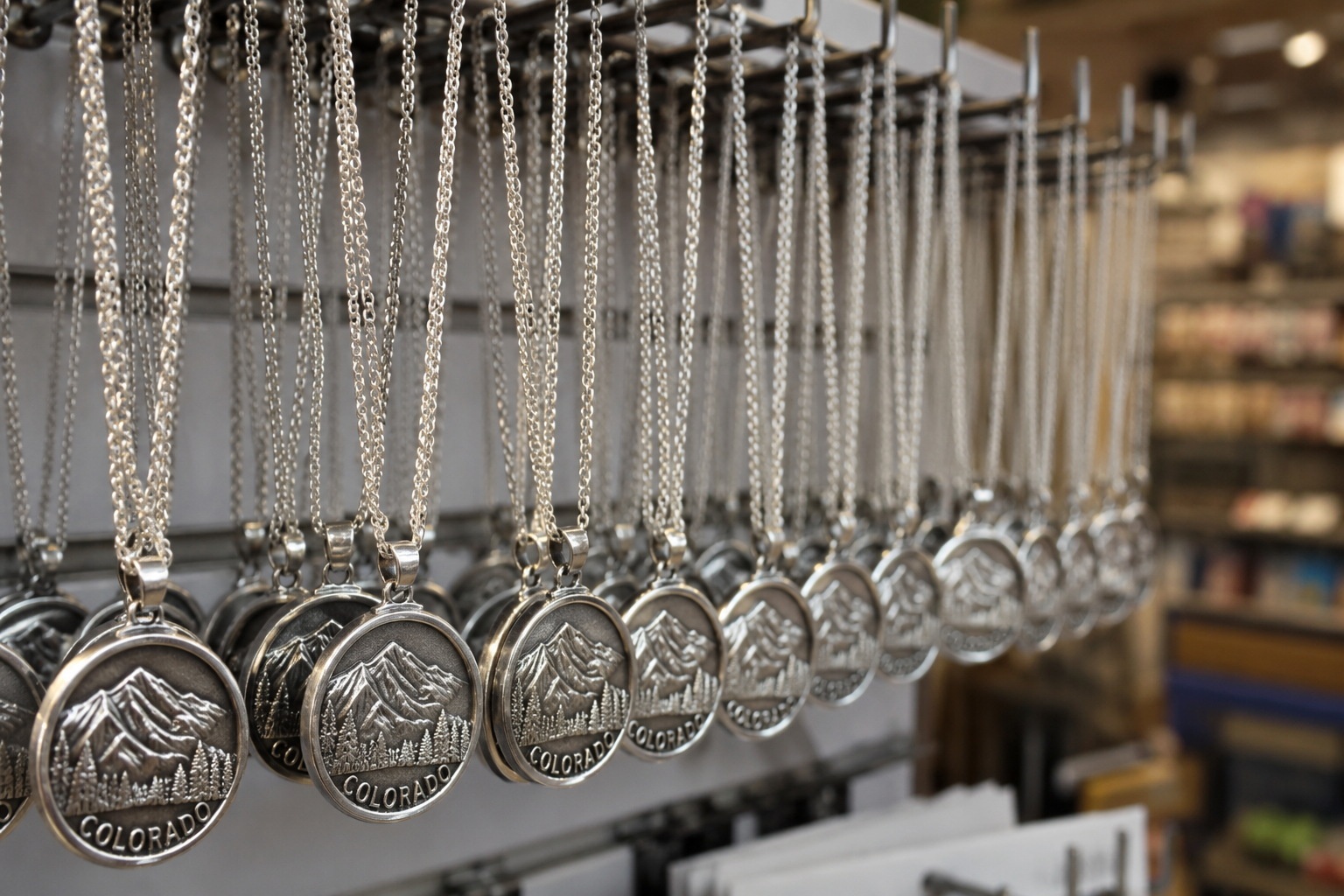
The vast majority of these “local specialties” are mass-produced in Yiwu, a city in Zhejiang province known as the world’s largest small-commodity wholesale market. Yiwu is the factory floor for the entire country’s tourism retail sector. A silver necklace sold for 200 yuan ($28) in a scenic spot might cost 15 yuan ($2) in bulk at a Yiwu market. The “handmade” label is often just marketing copy.
This phenomenon is not unique to China, but its scale is staggering. From the wooden masks in Lijiang to the ceramic bowls in Jingdezhen’s tourist zones, many items are standardized products designed for high-volume sales, not cultural preservation.
How to Spot the Fake Local Specialty
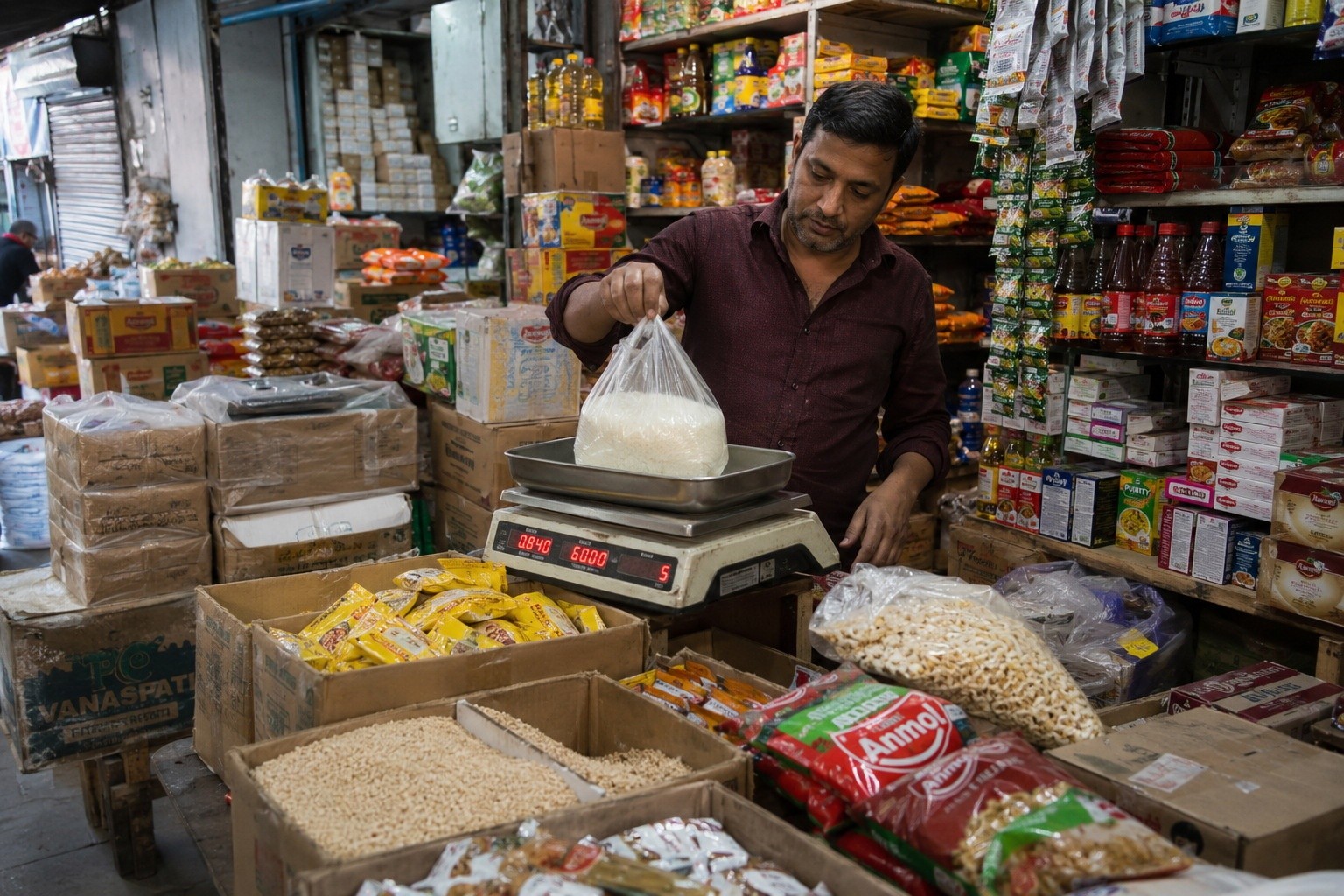
You don’t need to be an expert to spot these items. Look for three specific signs:
- Price vs. Material: Genuine silver, silk, or hand-carved wood has a baseline cost. If a “pure silver” bracelet costs less than $15, it is likely a base metal alloy with silver plating. Authentic local crafts command a premium for labor and materials.
- Overly Perfect Packaging: Handmade items usually have slight imperfections—uneven stitches, minor variations in color, or rough edges. If every item in the stack is identical down to the millimeter, it was made by a machine in a factory hundreds of miles away.
- Generic Branding: Does the product say “Made in China” but nothing about the specific village or artisan? Does the design look like it could be sold in any tourist shop from Beijing to Chengdu? If so, it’s likely a wholesale import.
The Real Local Experience: Go to the Nongmao Market
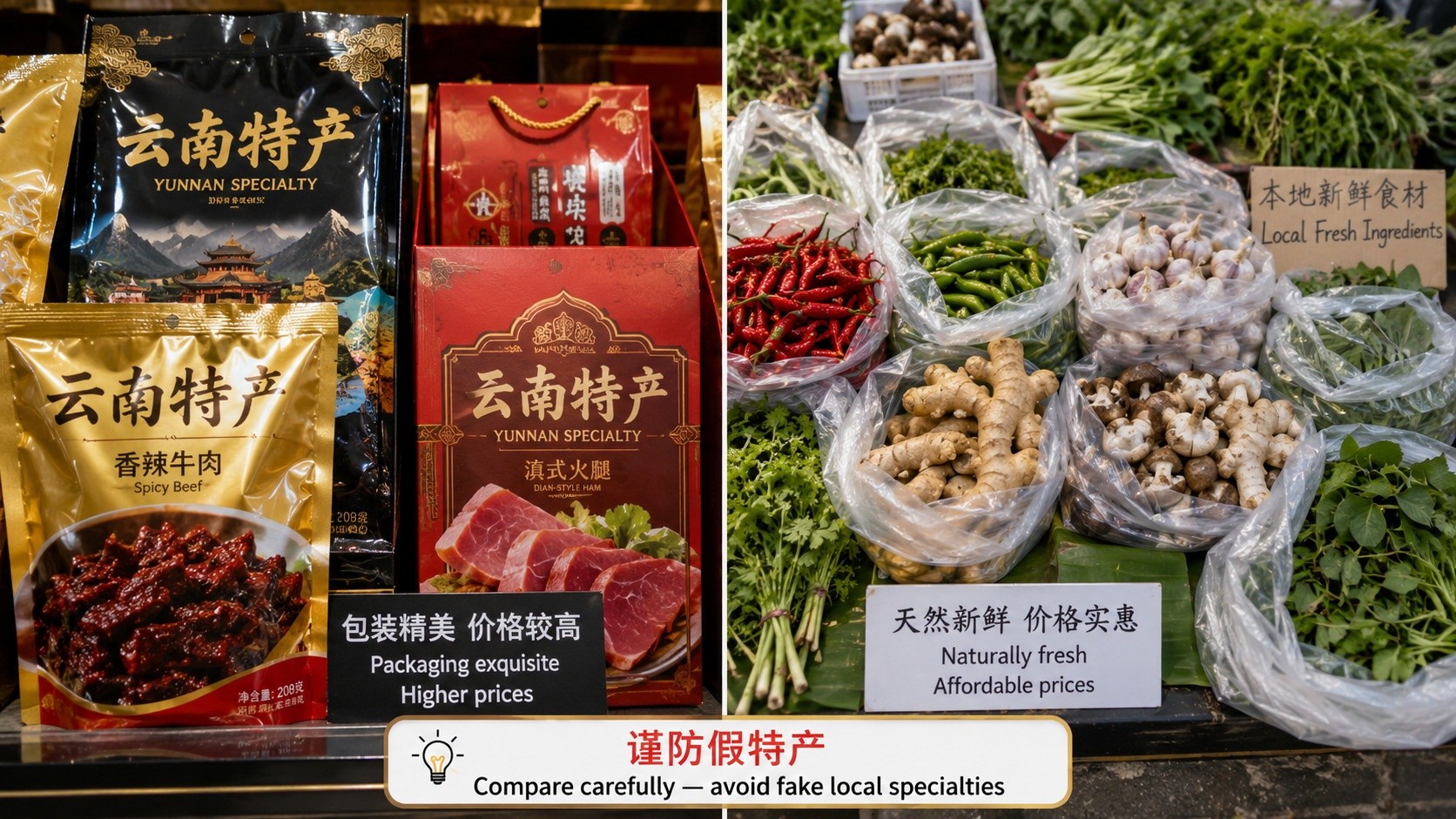
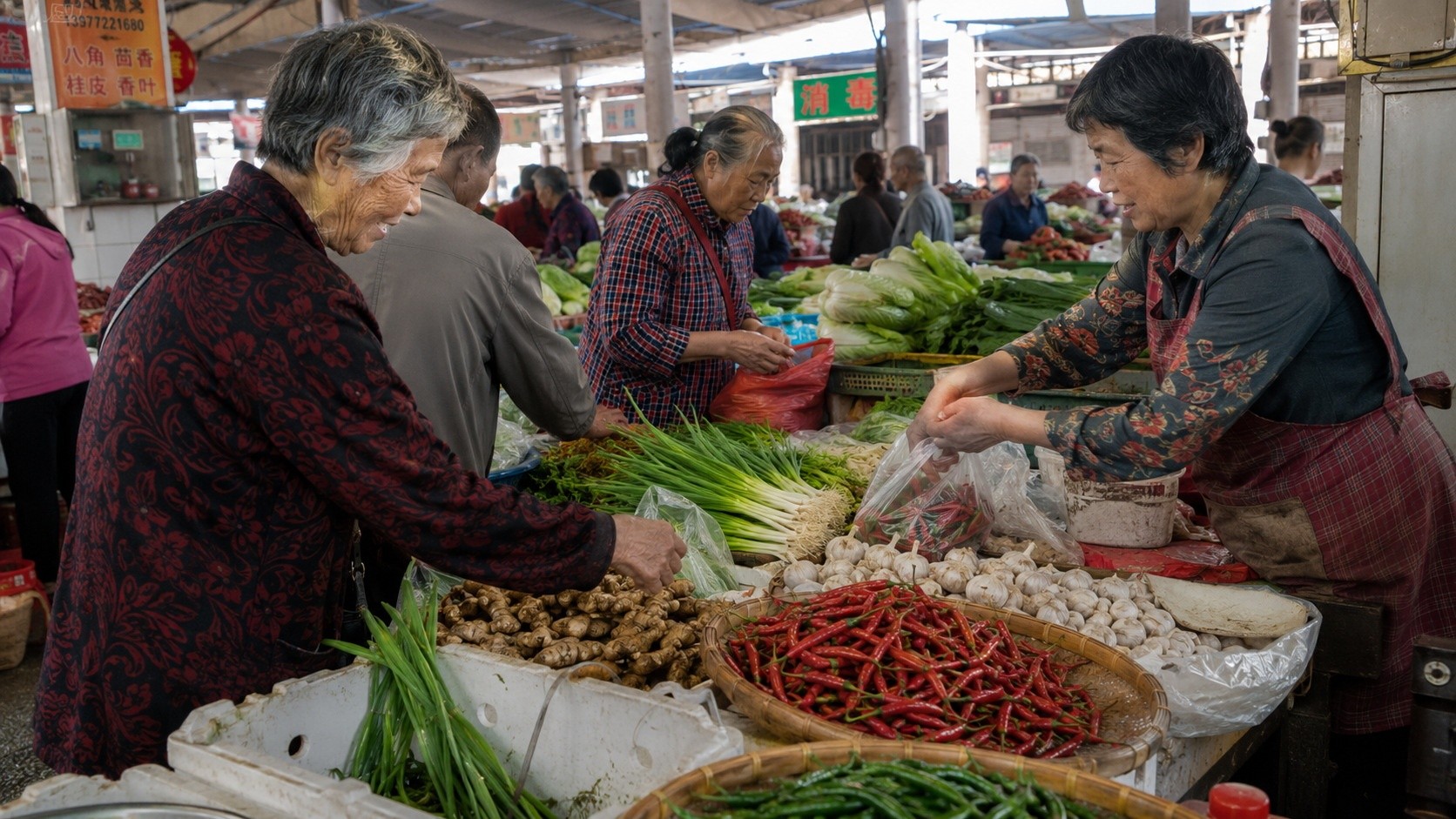
If you want to take home something that truly reflects the place you are visiting, leave the scenic spot shops behind. Head to the local Nongmao (Agricultural Products) Market.
These markets are the heartbeat of local life. They are where residents buy their daily groceries, not where tourists browse for trinkets. Here, you will find:
- Regional Food Specialties: Instead of vacuum-sealed snacks from a factory, you can buy fresh, locally harvested tea leaves, pickled vegetables, or dried mushrooms that have been sun-dried by farmers in the area.
- Artisanal Goods: You might find a local potter selling unglazed clay pots or a weaver using traditional looms, not because they are performing for tourists, but because it is their livelihood. The interaction is real, and the quality is often superior.
A Tale of Two Prices
Let’s look at a concrete example. In an ancient town in Sichuan, I saw packets of “authentic” chili powder priced at 50 yuan per pack in tourist shops. The packaging was glossy, with pictures of mountains and traditional calligraphy.
Two blocks away, in a local neighborhood market, I found the same type of chili—locally grown and stone-ground—being sold by a farmer for 10 yuan per kilogram. The packaging was simple plastic, but the flavor was vibrant and complex, unlike the flat, salty taste of the tourist version.
This price difference isn’t just about greed; it’s about rent, marketing, and supply chain layers. But the value you get in the local market is far greater: freshness, authenticity, and a direct connection to the region’s agriculture.
Conclusion: Buy the Experience, Not the Object
Buying souvenirs is part of travel, but it doesn’t have to be a trap. By recognizing the signs of mass production and venturing into local markets, you shift from being a passive consumer to an engaged observer. You support local artisans and farmers directly, and you bring home items that actually tell the story of your journey.
Next time you are in an ancient town, ignore the shiny silverware in the glass cases. Walk a few blocks away, find the local market, and taste the real flavor of the region. That is where the true culture lives.